
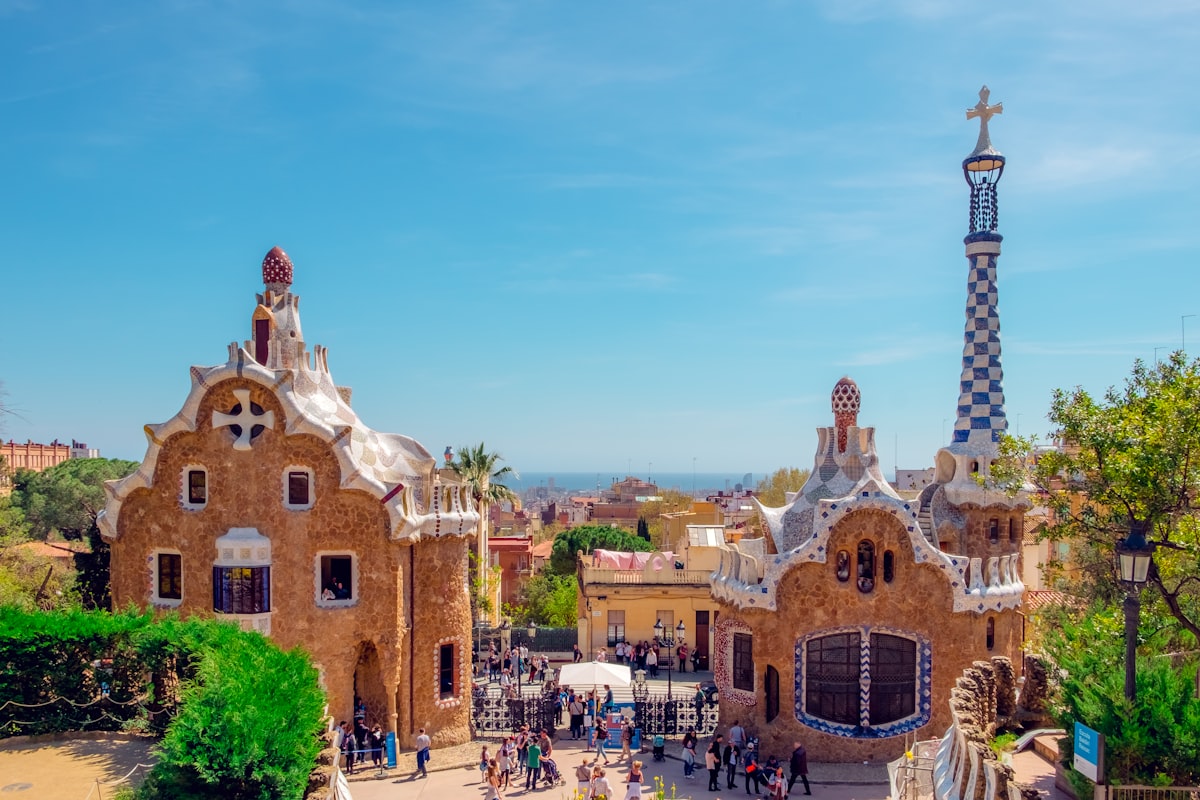
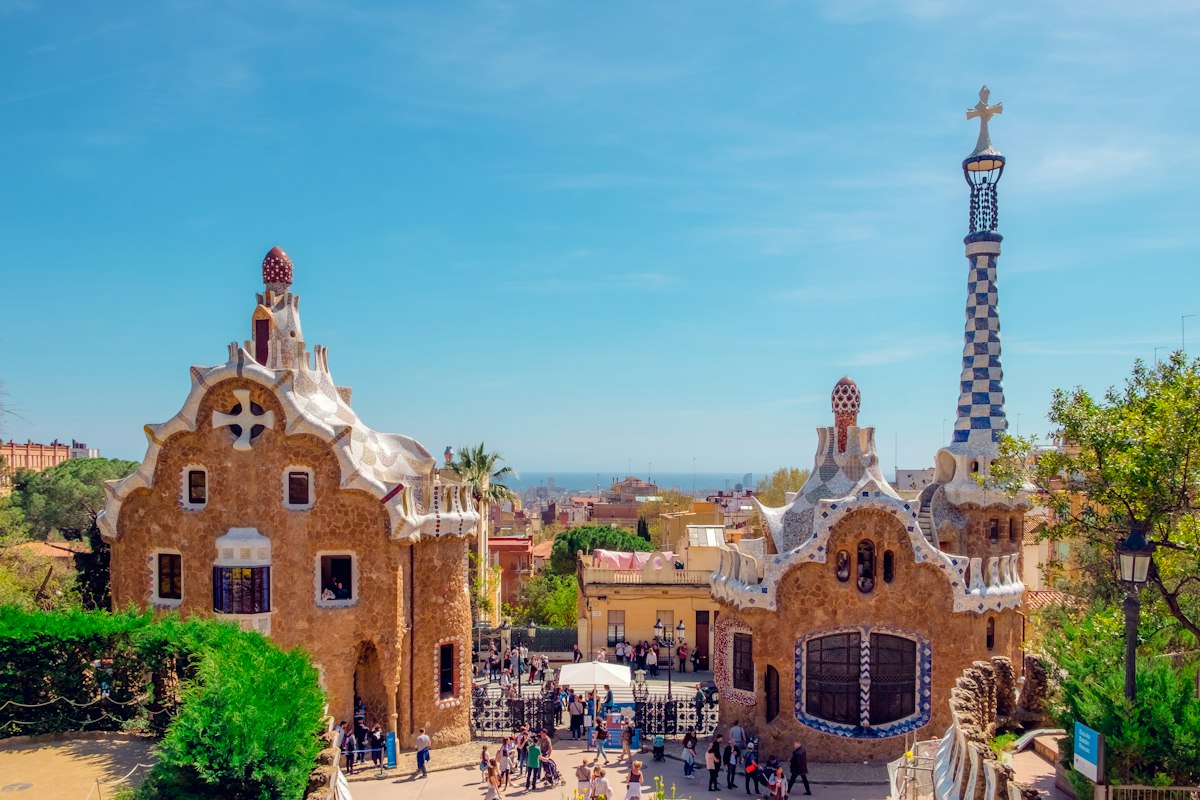
Sicily stopped me in my tracks in a way that very few places have. I arrived expecting somewhere like southern Italy but slightly rougher around the edges. What I found was something stranger, more layered, and more interesting than anywhere else I had been in Europe. The island is Greek and Arab and Norman and Spanish all at once, and all of those histories are still visible if you know where to look.
Most visitors fly into Palermo or Catania and see a fraction of what is here. Sicily rewards slowness. A week is the minimum for any real understanding. Two weeks is better. The island is larger than you expect, the roads are slower than any map predicts, and every hour of that extra time will be used.
Palermo: The Most Underestimated City in Southern Europe
Palermo is chaotic, loud, slightly broken in places, and completely extraordinary. The street food culture alone is worth the flight: arancini the size of cricket balls, panelle chickpea fritters eaten standing up in the Ballarao market, and sfincione, a thick-based pizza topped with onions and anchovy that predates the Naples version by several centuries.
The Capella Palatina inside the Palazzo dei Normanni is one of the most stunning small rooms in Europe: Byzantine mosaics covering every surface, gold so dense the walls seem to generate their own light. Go when it opens at nine in the morning before the tour groups arrive.
The Valle dei Templi: Older Than Rome
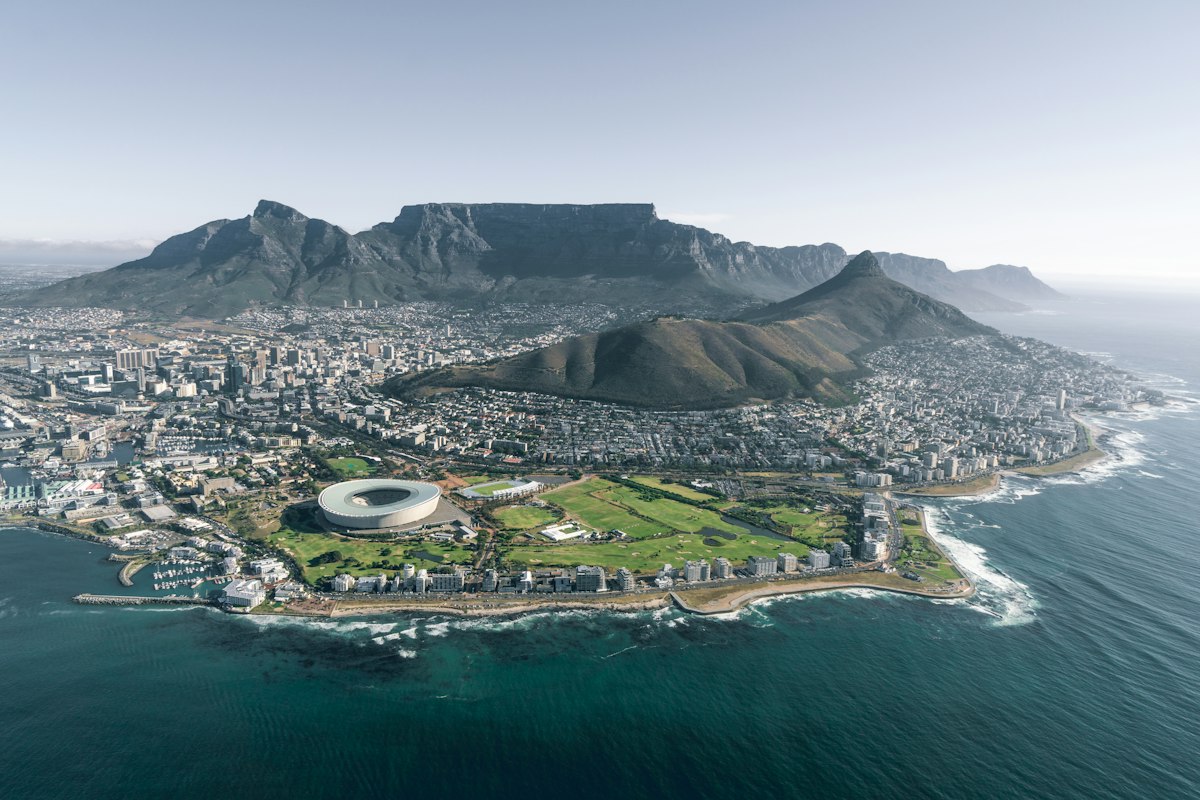
The Valley of the Temples outside Agrigento contains some of the best-preserved Greek temples in existence. Better preserved, in several cases, than anything in Greece itself. The Temple of Concordia is intact to the roofline and dates to 430 BC. Standing in front of it in the early morning light with nobody else around yet, you feel the full weight of how long this island has been inhabited and how much has happened here.
Stay in Agrigento for at least one night. The town above the valley is not particularly beautiful but the restaurants are good and the crowds thin out completely after the day trip buses leave at four in the afternoon. The almond trees along the valley floor bloom in February and the whole site smells extraordinary for about ten days.
Ragusa Ibla: The Baroque City That Time Forgot
The southeastern corner of Sicily was rebuilt almost entirely in Baroque style after a catastrophic earthquake in 1693. Ragusa Ibla, the old lower town, is essentially a perfectly preserved 18th-century city sitting on a hill with a valley on three sides. Very few foreign tourists make it here compared to the west of the island.
The terraces of the Giardino Ibleo look out over the valley at dusk. There is an extraordinary restaurant called Ristorante Duomo run by chef Ciccio Sultano which is technically a special occasion place but serves Sicilian food at a level I have not found anywhere else. Book a month in advance.
Mount Etna: Go Up, Not Around
Most people see Etna from a distance, a black cone smoking above Catania. The better experience is going up. A cable car takes you to 2500 metres and from there guided walks reach the summit craters at 3340 metres. The landscape above the tree line is pure volcanic moonscape: black lava fields, steam vents, and a horizon that includes all of eastern Sicily and, on clear days, the toe of Italy across the strait.
The north slope of Etna produces wine on volcanic soil that has a mineral quality unlike anything from the mainland. Small producers around Randazzo and Linguaglossa are making wines that are starting to attract serious international attention. Buy a case to take home. You will struggle to find it anywhere else.
Getting Around
A hire car is non-negotiable for seeing Sicily properly. Public transport between the major cities works but is slow and the smaller towns and rural areas are inaccessible without one. Driving in Palermo city centre is genuinely challenging and not recommended. Park outside and walk or take a taxi for in-city movement.
May, June, September, and October give the best combination of weather and crowd levels. July and August are very hot and the beaches are packed. March and April are excellent for the interior and the ancient sites, with wildflowers across the hills and almost no foreign tourists.
Route, budget and verification notes
Last editorial review: 1 August 2026. Recheck time-sensitive details shortly before travel.
Build the route
- Palermo: The Most Underestimated City in Southern Europe
- The Valle dei Templi: Older Than Rome
- Ragusa Ibla: The Baroque City That Time Forgot
- Mount Etna: Go Up, Not Around
Use these sections as planning anchors rather than a fixed schedule. Confirm door-to-door transfer times, opening days and reservation requirements, then add recovery time after long journeys.
Budget before booking
Price the trip in four separate groups: accommodation, transport, food and paid activities. Add local transfers, baggage fees, taxes, insurance and a contingency amount. Exact prices vary by season and booking date, so this guide does not invent a single daily figure that may already be outdated.
Sources to verify
- Italia.it for official or primary travel information.
- IATA Travel Centre for passport, visa and health-document checks.