
Busan itinerary 3 days: a practical coastal route
This Busan itinerary 3 days plan groups sights by area, so less of the trip disappears into cross-city transfers. Day one stays around Nampo and the hillside neighborhoods; day two follows the eastern coast from Haeundae to Haedong Yonggungsa; day three pairs Gwangalli with a flexible choice based on your interests. Alongside the daily route, this guide covers arrival, transport cards, sensible bases, weather backups, family access, food, and a simple way to judge whether a sightseeing pass fits. Treat each day as a framework, not a race: Busan is spread out, and its best coastal stops reward time.
Before starting your Busan itinerary 3 days
Most visitors arrive by KTX at Busan Station or by air at Gimhae International Airport. From the station, metro Line 1 is useful for Nampo and Seomyeon, while taxis can simplify the final hotel connection with luggage. From the airport, the light rail links with the metro network; an airport bus or taxi may be easier for some coastal hotels. Check your hotel’s current directions before departure because the most convenient interchange depends on its exact address.
A rechargeable T-money or EZL card keeps metro and bus journeys straightforward. Buy or top one up at a convenience store or eligible station machine, then tap when entering and leaving as directed. Keep a small balance cushion and do not assume every recharge point accepts foreign cards. Busan’s metro is legible, but buses reach several coastal attractions more directly. Navigation apps with Korean transit data are more reliable than guessing from a general map. Taxis are useful when three or four people share the fare, when rain is heavy, or when a bus transfer would consume too much time.
Choose a base according to the trip’s emphasis. Nampo suits markets, old downtown streets, and an efficient first day. Seomyeon offers the strongest all-round transport connections, extensive dining, and easier travel in several directions. Haeundae works for beach mornings and an east-coast focus, though journeys to Nampo are longer. For this route, Seomyeon is the balanced choice; Nampo is excellent for food-led travelers, and Haeundae is worth the trade-off for people who want the sea outside their door.
Day 1: Nampo, Jagalchi, BIFF Square, Yongdusan and Gamcheon
Begin at Jagalchi Market while energy is high. Browse respectfully, keep narrow working aisles clear, and ask before photographing vendors or seafood displays at close range. If eating in or near the market, confirm how seafood, preparation, side dishes, and table charges are priced before ordering. A simple grilled fish meal or bowl of soup is often less complicated than selecting live seafood without shared language.
Walk north toward BIFF Square for street snacks and a look at Busan’s cinema heritage. Seed-filled ssiat hotteok is the signature sweet stop; share one if a full lunch is planned. Continue through the Nampo shopping streets to Yongdusan Park and Busan Tower. The park itself provides a useful pause and city perspective even if the tower is skipped. Elevators and escalators reduce some climbing, but routes can still involve slopes and indirect crossings.
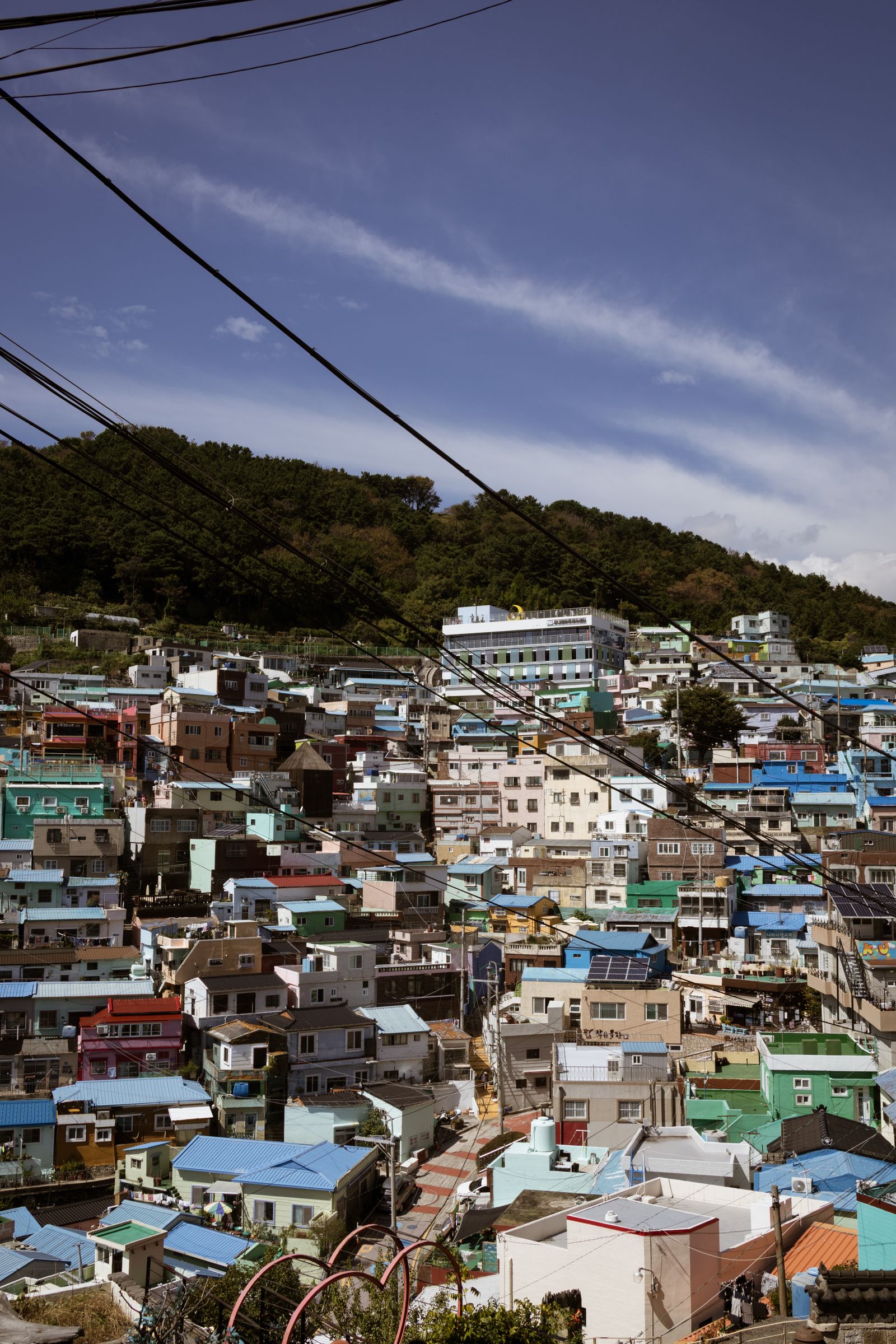
After lunch, travel to Gamcheon Culture Village. Bus connections or a short taxi from the nearest convenient metro area avoid an unnecessarily steep approach. Gamcheon is a residential neighborhood as well as a visitor attraction: keep voices low, stay out of marked private lanes, and do not treat doorways as photo sets. Follow the main signed route, allow time for stairs, and turn back before fatigue makes the descent awkward.
Return to Nampo for dinner rather than crossing the city. Try dwaeji gukbap, Busan’s pork-and-rice soup, or milmyeon, chilled wheat noodles that suit a warm day. Seafood pancakes and fish cake make easy shared additions. Travelers with allergies or dietary restrictions should carry a translated note; broths, sauces, and side dishes may contain seafood, meat, sesame, or fermented ingredients even when these are not obvious.
Day 2: Haeundae, Blue Line Park and Haedong Yonggungsa
Start early in Haeundae, walking the beach before the promenade becomes busy. Dongbaekseom’s waterside paths can extend the morning for travelers comfortable with steps and uneven sections. In rough weather, stay behind barriers and away from wet rocks. The sea can change quickly, and a viewpoint is never worth crossing a closure.
The Haeundae Blue Line Park is optional, not essential. Its beach train and small sky capsules are popular, but reservations, boarding rules, and operating conditions can change. Check the official booking information close to the trip, reserve ahead if the experience matters, and arrive with buffer time. The capsules are especially sought after around sunset and on weekends. If tickets are unavailable, enjoy the public coastal scenery around Mipo and continue without forcing the schedule.
Travel onward to Haedong Yonggungsa, the seaside temple northeast of central Haeundae. It draws large crowds, particularly on weekends, holidays, and around notable religious dates. An early or later visit is calmer, but never assume solitude. Dress and speak respectfully, yield space to worshippers, and prepare for stairs, bottlenecks, and exposed coastal surfaces. Bus travel is economical but slower; a taxi from Haeundae or a nearby rail stop may preserve time for a group.
Return toward Haeundae for an easy dinner. The traditional market area offers noodles, dumplings, fish cake, and seafood, while the wider district has abundant Korean and international choices. Avoid stacking a temple visit, a timed capsule, a long coastal walk, and sunset at several viewpoints into one rigid day. Pick two priorities and let the beach absorb delays.
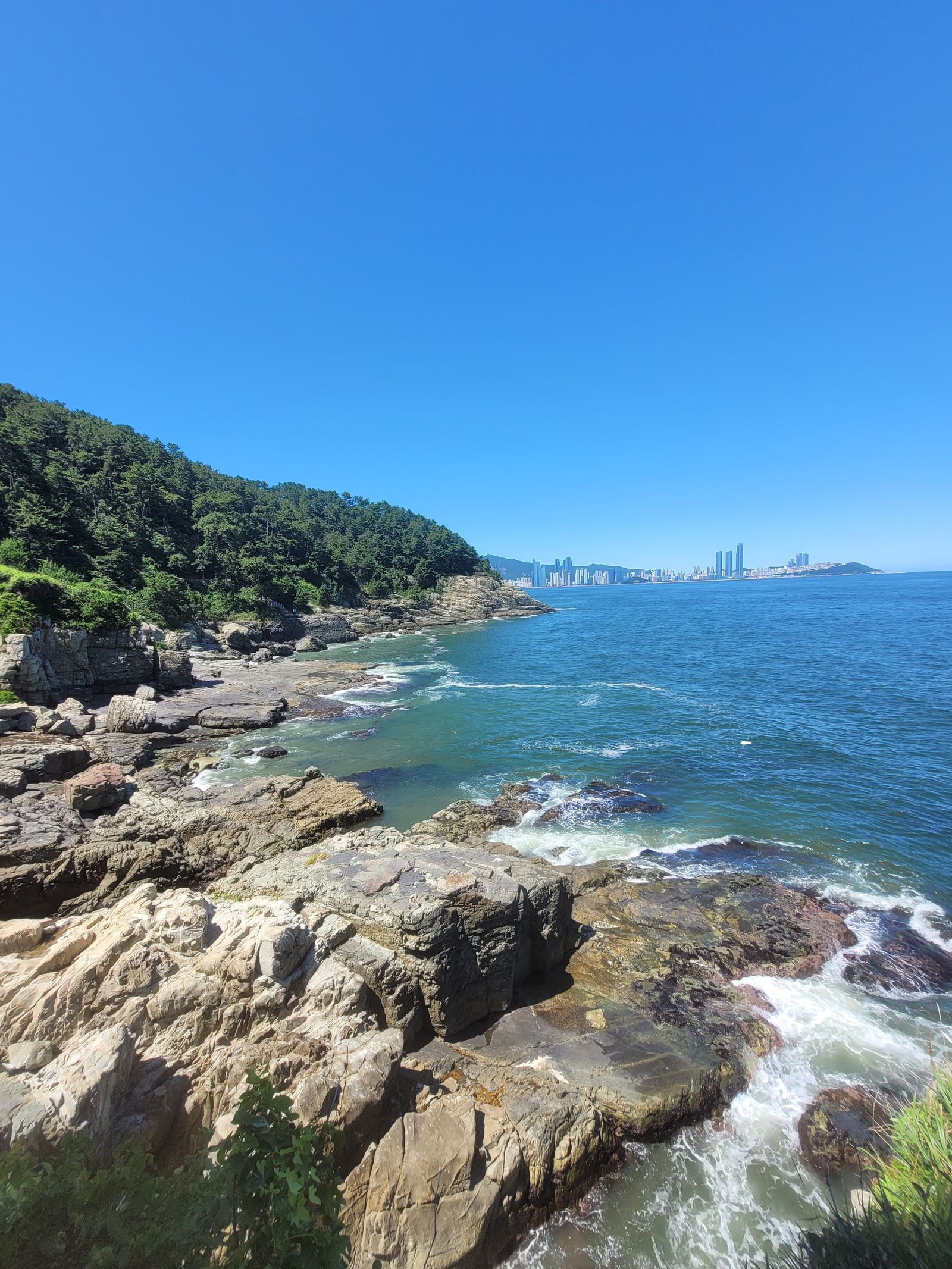
Day 3: Gwangalli with a city or history choice
Make Gwangalli the fixed point of day three. The broad beach faces Gwangan Bridge and feels distinct from Haeundae, with cafés and an open promenade suited to a relaxed start. Morning is quieter for walking; evening brings bridge lights and a busier dining scene. If returning after dark, note the last practical route to the hotel rather than relying on a late taxi during a major event.
Then choose one branch. For shopping, cafés, nightlife, and a final convenient meal, go to Seomyeon. It is efficient from much of the metro network and gives mixed-interest groups room to separate briefly. Explore the main commercial streets, browse a department store or underground arcade, and regroup for pork soup, Korean barbecue, or a casual snack crawl.
For history, choose the United Nations Memorial Cemetery in Korea and its surrounding museum area. Check current visitor guidance, observe the site’s commemorative character, and allow more time than a quick photo stop. This option pairs logically with nearby southern districts and is better for travelers seeking context about the Korean War than another shopping block.
Active travelers can instead consider Igidae’s coastal paths. This is a separate choice, not an add-on to every stop. Trail sections may be steep, exposed, or slippery after rain, and closures can occur. Wear shoes with grip, carry water, start with adequate daylight, and use marked paths only. Anyone with limited mobility can favor accessible sections near established viewpoints or remain at Gwangalli’s flatter promenade.
Weather, pacing and practical adjustments
Busan has humid summers, a cooler windy coast outside summer, and seasonal rain. Check the short-range forecast each morning. On a wet day, swap exposed walks for markets, museums, cafés, department stores, or an aquarium visit, then restore Gwangalli or Haeundae when visibility improves. Do not transfer a long east-coast day to a stormy afternoon merely to preserve the numbered order.
Families should plan fewer stops, regular toilets, and a proper meal break. A carrier may be easier than a stroller in Gamcheon or at temple stairways, but use it only where footing is secure. Older travelers and wheelchair users will find the major metro system and broad beach promenades more manageable than hillside lanes. Accessibility varies by entrance and route, so contact attractions and accommodation directly for current lift, ramp, and accessible-restroom information.
Build a budget by categories rather than copying a fixed daily total: accommodation, intercity arrival, local transport, meals, admissions, reservations, and a contingency amount. Compare each optional attraction with a free substitute. A taxi shared by four may be good value; repeated solo cross-city rides may not be. Likewise, one seafood dinner can shift the food budget far more than several market snacks.
The Visit Busan Pass deserves a calculation, not an automatic purchase. List only included attractions you genuinely intend to visit, verify their current inclusion and reservation terms on the official pass information, then compare the combined standard admission with the pass cost for the relevant validity period. Add realistic travel time between them. If the saving depends on rushing across Busan, buy individual tickets instead.
Frequently asked questions
Is three days enough for Busan?
Three days cover a strong first visit when neighborhoods are grouped carefully. They do not cover the entire city. Add another day for slower beaches, more museums, or a substantial hike.
Should accommodation be booked in Haeundae or Seomyeon?
Choose Haeundae for beach atmosphere and Seomyeon for balanced transport. Nampo is equally sensible when markets, harbor history, and the day-one area matter most.
Can this itinerary be done without taxis?
Yes, using metro, bus, and walking. Taxis are convenience tools for luggage, bad weather, mobility needs, or awkward coastal transfers, not a requirement.
What should be reserved?
KTX seats and preferred accommodation merit advance booking. Reserve Blue Line Park experiences if they are a priority, and verify whether any pass attraction requires a separate time slot. Conditions can change, so use official sources near the travel date.
What is the best way to keep the plan flexible?
Anchor one area each day, save optional stops in the same district, and check weather and transit before breakfast. Dropping one attraction is usually better than spending the afternoon watching the clock.