
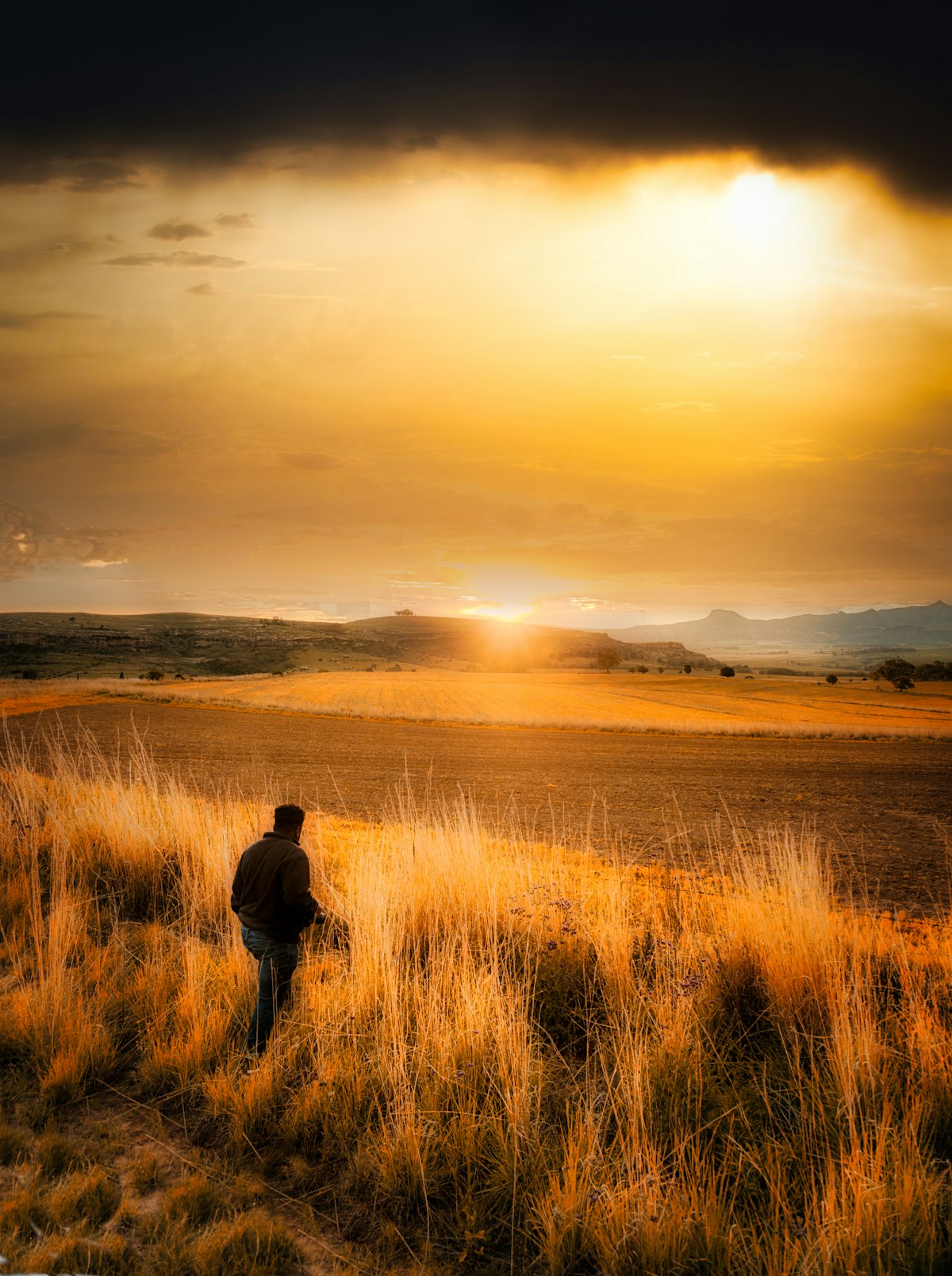
I drove into Provence on a July morning with the windows down and the smell of lavender coming through even before the fields appeared — first as a purple smudge on the horizon, then as great rolling rows of violet that stretched to the foothills of the Alps. It was one of those moments that makes you understand why people spend their whole lives trying to describe a place in words.
The Luberon: Villages That Invented the Word Picturesque
The Luberon is a mountain range in the heart of Provence dotted with perched villages — villages perches — that sit on hilltops as though placed there by someone with an eye for composition. Gordes, the most famous, is genuinely extraordinary: a cascade of stone houses tumbling down a hillside, with a Renaissance chateau at the top and views across the valley that make you want to stay indefinitely. Les Baux-de-Provence, built on and into a limestone ridge above a dramatic plain, is my personal favourite — stranger and more dramatic than Gordes, with medieval ruins at the summit and a fine Michelin-starred restaurant at the base.
Roussillon is less visited and perhaps the most beautiful of all: an ochre village built from the red-yellow stone of the cliffs it stands on, so that the buildings and the landscape seem to be made of the same material.
The Lavender Route
Provence’s lavender blooms from mid-June to mid-August, and the fields around Valensole and in the Luberon are at their peak in early July. I hired a car and spent two days driving the lavender route — a loosely designated circuit through the main growing areas — stopping wherever the rows were densest and the light was best. The smell is impossible to adequately describe: clean and deep and slightly medicinal, hanging in the warm air over the purple rows.
Go early in the morning for the best photography and the fewest people. The lavender fields around Valensole, in particular, become extremely crowded by mid-morning in high season.
Aix-en-Provence: Cezanne’s City
Aix-en-Provence is the most elegant city in Provence — all wide boulevards shaded by plane trees, fine eighteenth-century townhouses and excellent markets. The Cours Mirabeau, the main avenue, has a civilised morning cafe culture that I found difficult to leave. Cezanne was born here and spent most of his life painting the landscape around it, particularly Mont Sainte-Victoire, which you can see from the city’s edges. The Atelier Cezanne, his studio preserved as he left it, is a quietly affecting place.
The Camargue: Flamingos and Wild Horses
The Camargue is the river delta where the Rhone meets the Mediterranean — a vast, flat wilderness of salt marshes, lagoons and reed beds that feels unlike anywhere else in France. White horses run semi-wild through the marshes. Flamingos wade in the brackish ponds. The light is extraordinary: flat and silver and very bright. I drove through it slowly on a hired bicycle on an autumn afternoon when the tourist season had ended and the roads were empty, and it felt like the edge of the world in the best possible way.
Food and Markets
Provencal food is one of the great regional cuisines of France — built on olive oil, garlic, tomatoes, herbs and the superb vegetables of the Mediterranean south. Ratatouille, tapenade, bouillabaisse in Marseille, socca (chickpea flatbread) in Nice, the extraordinary cheeses and charcuterie of the local markets. Every town of any size has a market at least once a week, and spending a morning at one — tasting, buying, eating standing up with a glass of rose — is one of the genuine pleasures of Provence.
The rose wine here is not a tourist affectation: Provence produces some of the finest dry rose in the world, and drinking it cold at midday in the shade of a plane tree is among the most civilised things I have done in my travelling life.
Practical Tips
- A car is essential in Provence — the villages are spread across a large area and public transport between them is limited.
- July and August are extremely busy and hot; May-June and September-October offer better conditions and thinner crowds.
- Book accommodation in the Luberon villages well in advance for summer — the good places fill up months ahead.
- The A7 autoroute south from Lyon to Marseille runs through the Rhone Valley; leave it at Avignon and you are immediately in Provence.
Exploring more of France? Read our guide to 19 enchanting places to visit in France — Provence is just one of the country’s many stunning regions.