

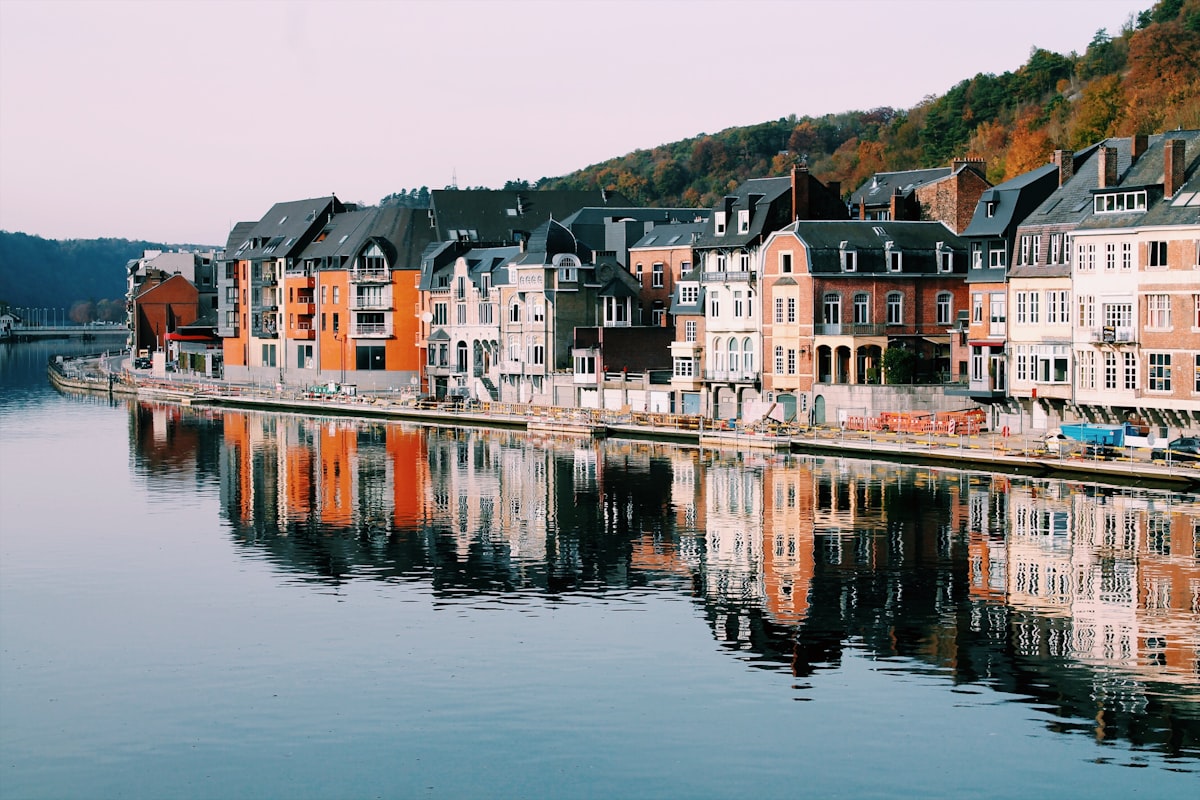
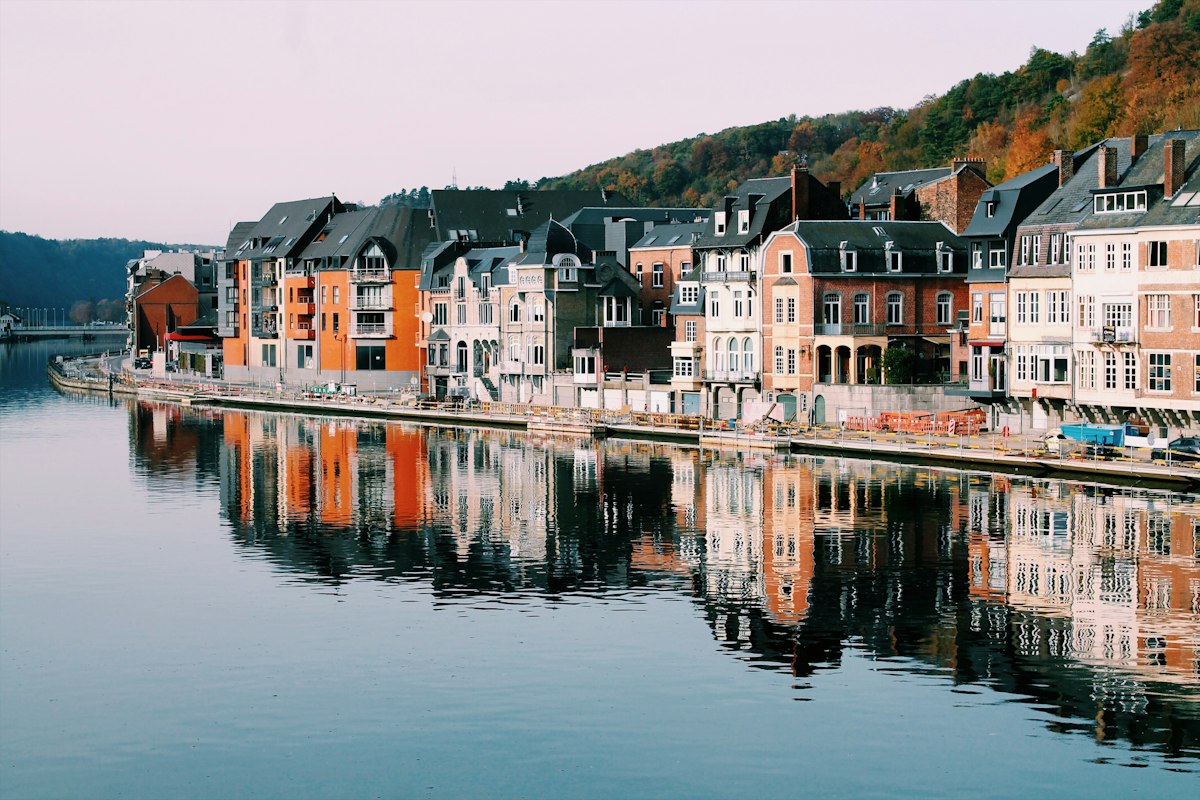
Belgium is the most underrated country in Western Europe. It is small enough to cross in two hours, densely packed with medieval cities that rival anything in France or the Netherlands, has the best beer culture in the world, and produces chocolate that the Swiss and Belgians have been arguing about for a century — the Belgians are correct. Most visitors see Brussels and Bruges and leave thinking they have seen Belgium. They have seen the introduction.
1. Bruges

”
Bruges preserved its medieval character by accident — the silting of the Zwin river in the 15th century cut off the city’s access to the sea and stopped development for four centuries. The result is the most complete medieval city in Northern Europe: Gothic churches, Renaissance guild halls, a network of canals, a beguinage founded in 1245 that still functions as a religious community. The Groeningemuseum holds the finest collection of Flemish Primitive painting in the world — Jan van Eyck, Hans Memling, Gerard David. Go on a weekday in spring or autumn; summer weekends are badly overcrowded.
2. Ghent

”
Ghent has everything Bruges has — medieval architecture, canals, excellent beer — plus a university that gives it a contemporary energy Bruges lacks. The Ghent Altarpiece in Saint Bavo’s Cathedral is the most significant painting in Northern Europe: a 24-panel polyptych completed by Jan van Eyck in 1432 that has been stolen, dismembered, and partially recovered over six centuries. The Gravensteen, a moated castle built by the Count of Flanders in 1180, sits in the middle of the city. The Patershol neighbourhood has the most concentrated restaurant scene in Flanders.
3. Antwerp

”
Antwerp is Belgium’s second city and its most stylish — the fashion industry here has produced the Antwerp Six and a design culture that punches well above the city’s size. The Cathedral of Our Lady has four Rubens altarpieces that are among the finest paintings in Northern Europe. The MAS museum on the waterfront — a 60-metre red sandstone tower with a free rooftop panorama — documents the city’s history as one of the world’s great trading ports. The Rubenshuis, the artist’s former home and studio, is a baroque house restored to its 17th-century appearance. The diamond district around Centraal Station handles 80% of the world’s rough diamond trade.
4. The Belgian Ardennes

”
The Ardennes in the south of Belgium is a forested upland that most visitors associate only with the Battle of the Bulge — the largest and bloodiest American battle of World War II, fought in these forests in the winter of 1944. The town of Bastogne has the best museum of the battle and the Mardasson Memorial above the town. The landscape itself is excellent for cycling and kayaking — the Ourthe and Semois rivers provide the best kayaking in Belgium. The town of Bouillon has a medieval castle in a dramatic river meander that is one of the most imposing fortifications in Belgium.
5. Belgian Chocolate and Waffles

”
Belgian chocolate is genuinely different from other European chocolate — higher cocoa butter content, more complex flavour, shorter shelf life because it contains fewer preservatives. The praline was invented in Brussels in 1912 by Jean Neuhaus. Neuhaus, Godiva, and Leonidas are the major brands; the independent chocolatiers — Pierre Marcolini, Laurent Gerbaud, Zaabar — are better. The Belgian waffle exists in two forms: the Brussels waffle (rectangular, light, eaten with toppings) and the Liège waffle (irregular, denser, with pearl sugar caramelised into the dough). The Liège waffle eaten warm from a street vendor is one of the great street foods of Europe.
Practical Information

”
Belgium has one of the best rail networks in Europe for its size — Bruges, Ghent, Antwerp, and Liège are all within an hour of Brussels by train. Interrail and Eurail passes are valid on Belgian trains. The country is flat and has an excellent cycling infrastructure — cycling between cities on dedicated paths is practical for fit travellers. French is spoken in Wallonia (south), Dutch in Flanders (north), and German in a small eastern region. Brussels is officially bilingual. The best months are May through September; spring is particularly good for the Art Nouveau architecture when the trees are in bloom.