
Lisbon has a quality that is difficult to name but easy to feel within an hour of arriving: a gentle melancholy that sits beneath the surface of everything, from the fado music drifting out of restaurant doors to the crumbling grandeur of the old palaces to the way the light hits the Tagus river in the late afternoon. The Portuguese call it saudade — an untranslatable longing for something lost or distant — and the city seems to embody it entirely.
Alfama: Where Lisbon Remembers Itself
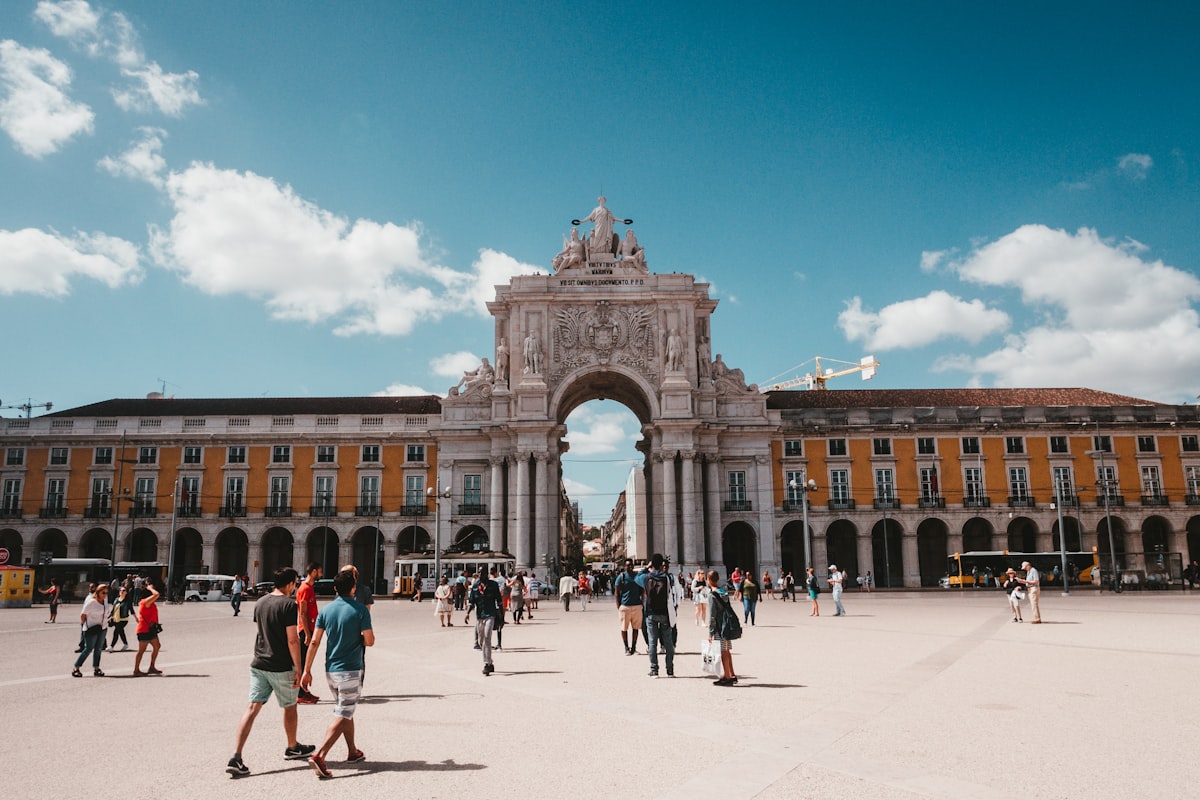
The Alfama is the oldest neighbourhood in Lisbon, a hillside maze of cobbled lanes and whitewashed houses that tumbles down toward the river. It survived the great 1755 earthquake that destroyed most of the city, and you can feel the age of it — in the worn stone steps, the azulejo tiles on the building facades, the cats sleeping in doorways. I spent two mornings just walking without a destination and found something new each time.
The viewpoints — miradouros — punctuate the Alfama at regular intervals, each one offering a slightly different angle on the city and the river below. Miradouro da Graca is the best of them: quieter than the famous Santa Luzia viewpoint, frequented more by locals than tourists, with a small kiosk selling coffee and custard tarts.
Pasteis de Belem and the Art of the Custard Tart
Portugal’s most famous food is the pastel de nata — a custard tart with a flaky pastry shell, dusted with cinnamon, eaten warm. The original recipe belongs to Pasteis de Belem, a bakery in the Belem district that has been making them since 1837. There is usually a queue, which moves quickly, and the tarts are worth it. I ate three in one sitting on my first visit and have no regrets.
Belem: History on the River
Belem sits a few kilometres west of the city centre, along the Tagus, and contains an extraordinary concentration of monuments to Portugal’s Age of Discovery. The Tower of Belem, the Jeronimos Monastery and the Monument to the Discoveries cluster together in a way that feels almost too convenient — as though Lisbon has arranged its history for ease of access. The Jeronimos Monastery, built in the Manueline style, is one of the most beautiful buildings I have seen in Europe. The cloister, in particular, is extraordinary.
Sintra: A Day Trip That Becomes a Revelation

Sintra is forty minutes by train from Lisbon and should not be missed. The town sits in wooded hills above the coast, and its palaces — each more extravagant than the last — were built by Portuguese royalty as summer retreats. The Pena Palace, painted in candy colours of yellow and red and perched on a rocky peak, is the kind of building that makes you check that you have not accidentally wandered into a fairy tale.
Arrive early. The site gets extremely crowded by mid-morning, and the uphill walk to the palaces is more enjoyable when you have the paths largely to yourself. End the day with a walk down to the coast at Cabo da Roca — the westernmost point of mainland Europe — and watch the Atlantic from the edge of the world.
The Food and Wine
Lisbon’s restaurant scene has improved dramatically over the past decade, and the city now has serious dining credentials alongside its traditional tascos. I ate exceptionally well throughout: grilled fish at a tiled counter near the docks; slow-roasted pork at a basement restaurant in the Mouraria; petiscos (Portuguese tapas) and ice-cold vinho verde at a wine bar in the Intendente square. Nothing cost very much. The value for money, by European capital standards, is remarkable.
Go to a fado house in the Alfama on at least one evening. The singing is mournful and beautiful and very loud, and it will stay with you.
Practical Tips
- The city is hilly — Lisbon’s trams and elevadores exist to help, but comfortable shoes are non-negotiable.
- The Viva Viagem card works on all public transport including buses, trams and the metro.
- Lisbon is best visited in spring (March-May) or autumn (September-October) when the summer crowds have thinned.
- Uber works well in Lisbon and is generally cheaper than taxis.
Exploring more of Europe? Read our guide to 19 enchanting places to visit in France — a wonderful complement to a Portuguese trip.