
Most people who visit Portugal spend their entire trip between Lisbon and the Algarve and come home thinking they have seen the country. I did exactly that on my first trip. It took a second visit, a rental car, and a willingness to drive through towns with names I could not pronounce, to understand what Portugal is actually about.
The interior of the country, the coast north of Porto, the mountains of the Serra da Estrela, and the borderland villages near Spain are each extraordinary in completely different ways. And almost none of them appear in the top ten lists.
The Alentejo: The Part of Portugal That Feels Like a Secret
The Alentejo covers roughly a third of Portugal and contains about three percent of its tourists. That ratio is one of the great anomalies of European travel. Cork oak forests, medieval hilltop villages painted white with a stripe of blue or yellow, and a wine region that produces bottles at a fraction of what similar quality costs in France or Italy.
Evora is the main town and worth at least two nights. The Roman temple in the centre of town, the bone chapel in the church of Sao Francisco, and the weekly market on Tuesday mornings where the surrounding villages come in to sell cheese and cured meats. Eat at a place called Taberna Tipica Quarta-Feira if you can get a table, or simply follow the smell of black pork from any open kitchen.
Sintra: Go Early or Do Not Go
Sintra is forty minutes from Lisbon by train and contains a concentration of extraordinary palaces and gardens that should take your breath away. Between ten in the morning and five in the afternoon in summer, it instead makes you want to go home. The queues are genuine and the crowds dense enough to obscure the architecture.
Arrive on the first train of the morning, around seven thirty, and you will have Pena Palace essentially to yourself for ninety minutes before the day visitors arrive. The colours of the building, a Romanticist fantasy of yellows, reds, and blues sitting above a forest canopy, are genuinely stunning when you can actually see them.
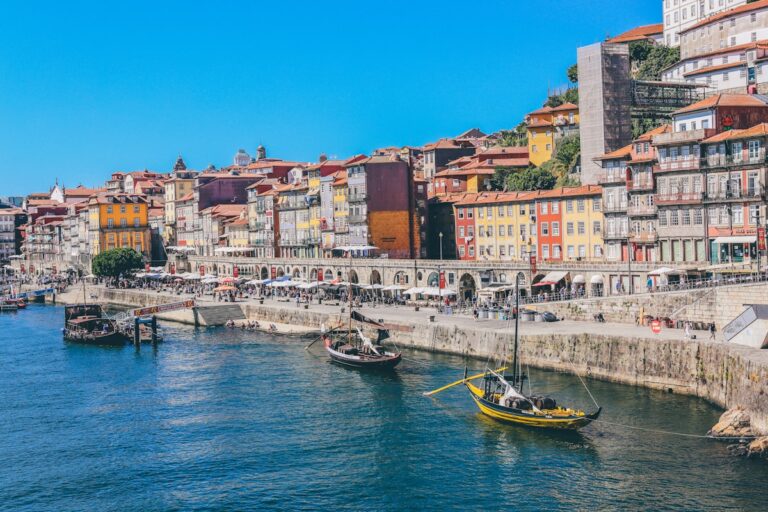
The Douro Valley: One of the Most Beautiful River Valleys in Europe
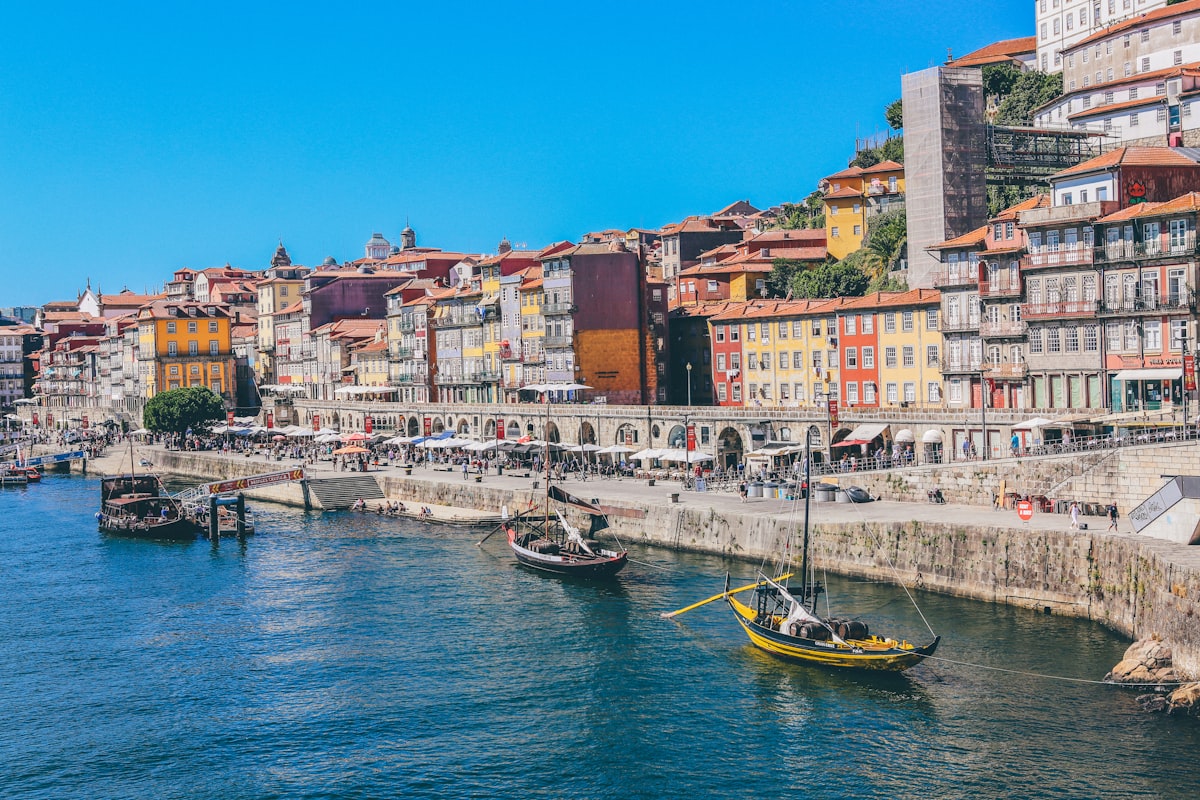
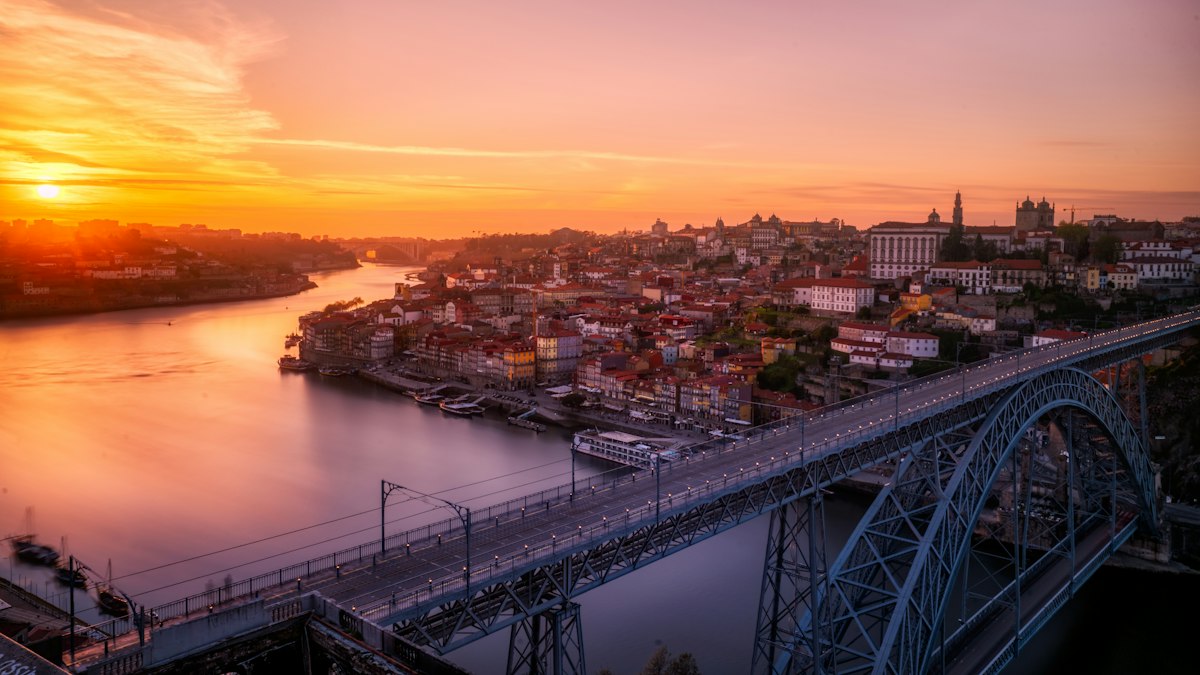
The Douro River cuts through northeastern Portugal in a series of hairpin bends between terraced hillsides covered in port wine vineyards. The landscape looks almost too cinematic to be real. In September and October during harvest, the hills smell of fermenting grapes and every quinta has someone pressing fruit.
Take the historic train from Porto to Pocinho rather than renting a car for this stretch. The line follows the river for most of its length and the views from the window are better than anything accessible by road. Several of the quintas along the route offer tastings and simple accommodation.
Cascais and the Atlantic Coast West of Lisbon
Most Lisbon visitors take a day trip to Cascais and find a pleasant seaside town with good restaurants. What they miss is the coast continuing west from Cascais along the Guincho headland toward Cabo da Roca, the westernmost point of continental Europe. The road runs along clifftops above Atlantic surf, completely undeveloped, with views that make you feel genuinely at the edge of something.
Cabo da Roca has a lighthouse, a stone marker, and a wind that comes in from the ocean with nothing between you and America. It is the kind of place where standing there for fifteen minutes in silence makes more sense than any organised activity.
Practical Notes
Portugal is one of the most straightforward countries in Europe to travel independently. Roads are good, petrol is cheaper than in northern Europe, and the locals in smaller towns are genuinely helpful even with no shared language. The country has a long relationship with foreigners and it shows in how comfortable people are with visitors.
May and June are the ideal months: warm, dry, before the summer crowds, and with the wildflowers still on the hillsides. September and October are almost as good. Avoid August in the south unless budget accommodation and crowds do not bother you.
Route, budget and verification notes
Last editorial review: 1 August 2026. Recheck time-sensitive details shortly before travel.
Build the route
- The Alentejo: The Part of Portugal That Feels Like a Secret
- Sintra: Go Early or Do Not Go
- The Douro Valley: One of the Most Beautiful River Valleys in Europe
- Cascais and the Atlantic Coast West of Lisbon
Use these sections as planning anchors rather than a fixed schedule. Confirm door-to-door transfer times, opening days and reservation requirements, then add recovery time after long journeys.
Budget before booking
Price the trip in four separate groups: accommodation, transport, food and paid activities. Add local transfers, baggage fees, taxes, insurance and a contingency amount. Exact prices vary by season and booking date, so this guide does not invent a single daily figure that may already be outdated.
Sources to verify
- Visit Portugal for official or primary travel information.
- IATA Travel Centre for passport, visa and health-document checks.