
Ten days in Portugal sounds generous until you start planning it and realise that the country has about four completely different versions of itself stacked on top of each other. The north is granite and Atlantic rain and port wine cellars. The centre is medieval and Islamic-influenced and full of cork. The south is Africa-facing and hot and built on fish. You cannot rush any of it.
This is the route I would take if I were doing it again, with the things I wish I had known the first time.
Days 1 to 3: Porto
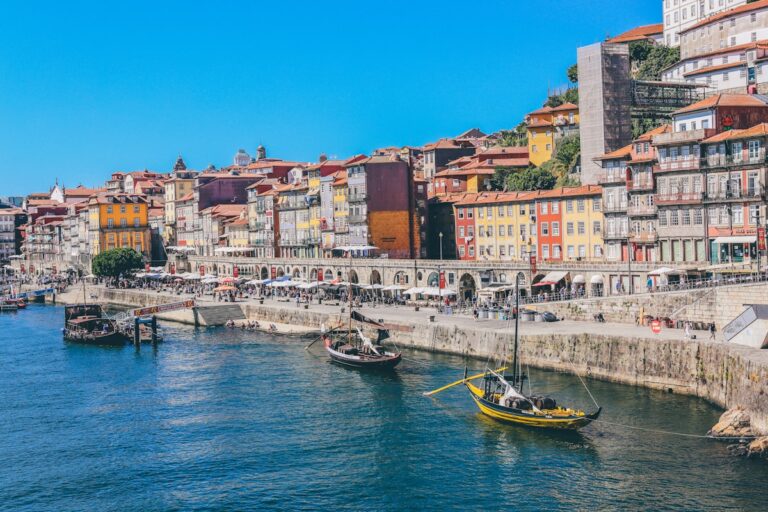
Start in Porto. Three days is not too much. The city is layered in a way that takes time to understand: the medieval Ribeira waterfront, the azulejo-tiled churches, the crumbling grandeur of streets that have not been renovated and are better for it. Walk up to the Clerigos Tower at nine in the morning for the view before the tourist coaches arrive.
The port wine cellars in Vila Nova de Gaia across the bridge are obligatory. Go to one of the older family producers rather than the large brand names. The difference in how they talk about the wine, and the quality of what you taste, is significant. Taylor Fladgate and Ramos Pinto both run excellent tours.
Days 4 to 5: Douro Valley
Take the morning train east along the Douro. Get off at Pinhao, which is the heart of port wine country, and spend two nights at a quinta with its own vineyards. The river here is slow and wide and the terraced hills on both sides are carved into shapes that look more like sculpture than agriculture.
If you visit in September you will see the harvest happening around you. Mechanical harvesting is technically possible but most of the steep terraces are still picked by hand. The evenings are warm and the wine is poured freely at dinner.
Days 6 to 7: Alentejo
Drive south to Evora. The transition from northern granite to Alentejo limestone happens gradually, the landscape opening into wide plains with cork oaks and occasional hilltop villages. Evora is a UNESCO city with a working town inside it, which is rarer than you would think.
The Saturday morning market outside the walls is the best in the region. The local wines, especially the reds, are excellent value. The bone chapel inside the Church of Sao Francisco is something you will think about for years afterwards: walls built from the skulls and femurs of five thousand monks, with the inscription above the door reading something like, we bones await yours.
Days 8 to 10: Lisbon
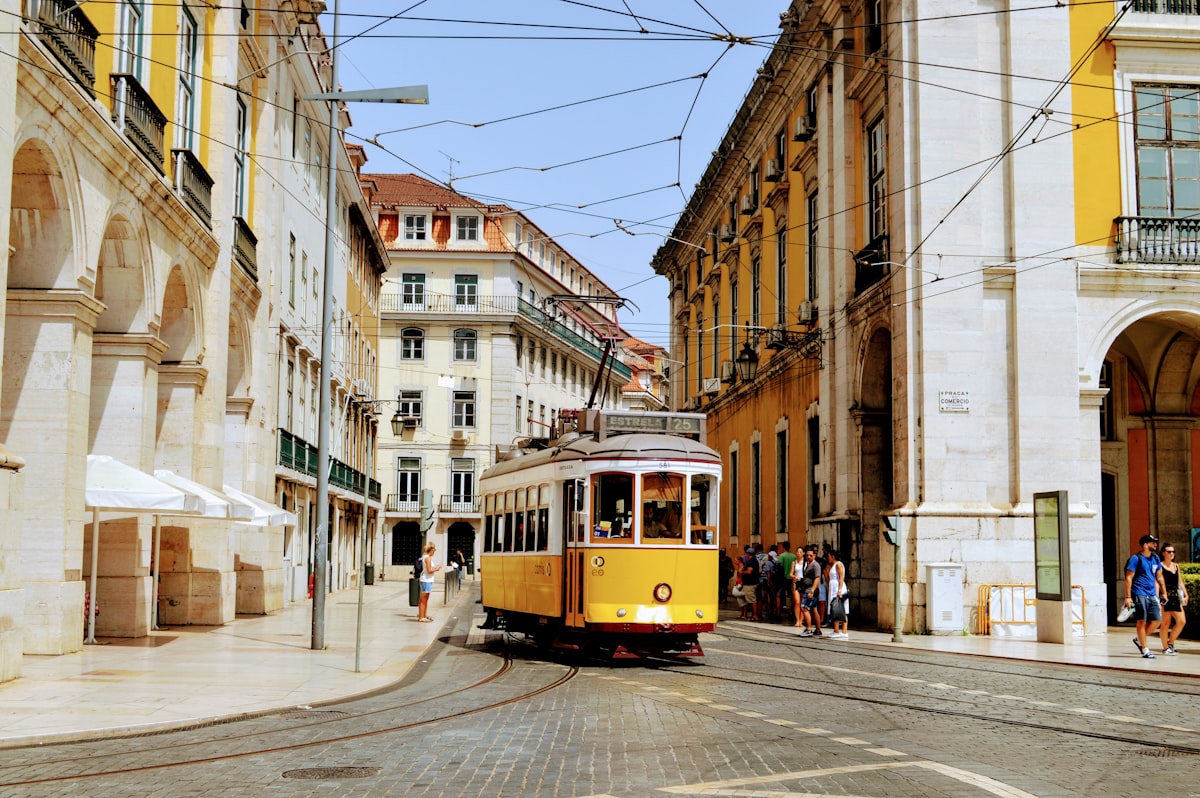
Drive to Lisbon and park the car. The city does not need a car and the parking situation will test your patience if you keep one. Three days here covers the essential Alfama neighbourhood, the belvederes scattered across the hilltops, the LX Factory market on Sunday, and still leaves time to sit at a pastry counter eating pastel de nata and watching the trams.
Take the train to Sintra on one of the mornings. Go on the first train, be at Pena Palace by eight, and leave by eleven before the day visitors arrive. Then take the bus to Cabo da Roca, the westernmost point of continental Europe, and stand on the cliff looking west for a while. It is one of those moments that earns its reputation.
Getting Around
A hire car for the Douro and Alentejo sections is necessary and easy to organise. The trains between Porto and Lisbon are excellent and cover the north-south axis efficiently. Within cities, Lisbon has good metro and trams, Porto is walkable for most things. Budget roughly 80 to 120 euros per day per person for mid-range accommodation, food, and transport, though the country rewards careful spending well below that range.
Route, budget and verification notes
Last editorial review: 1 August 2026. Recheck time-sensitive details shortly before travel.
Build the route
- Days 1 to 3: Porto
- Days 4 to 5: Douro Valley
- Days 6 to 7: Alentejo
- Days 8 to 10: Lisbon
Use these sections as planning anchors rather than a fixed schedule. Confirm door-to-door transfer times, opening days and reservation requirements, then add recovery time after long journeys.
Budget before booking
Price the trip in four separate groups: accommodation, transport, food and paid activities. Add local transfers, baggage fees, taxes, insurance and a contingency amount. Exact prices vary by season and booking date, so this guide does not invent a single daily figure that may already be outdated.
Sources to verify
- Visit Portugal for official or primary travel information.
- IATA Travel Centre for passport, visa and health-document checks.