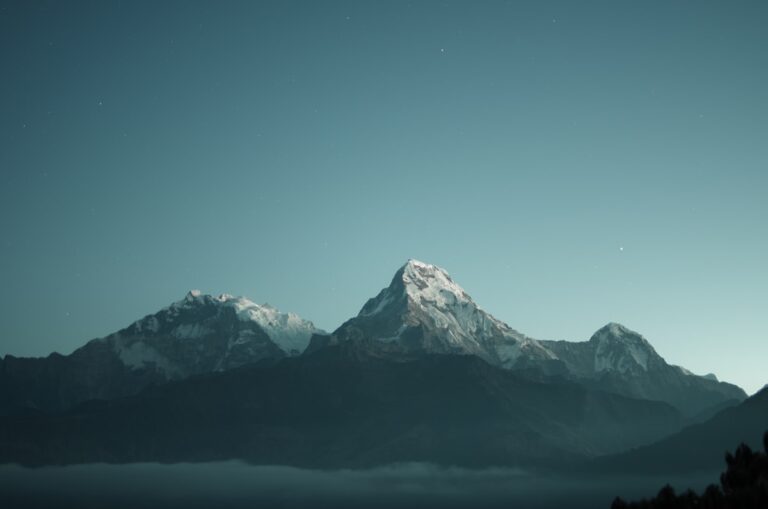

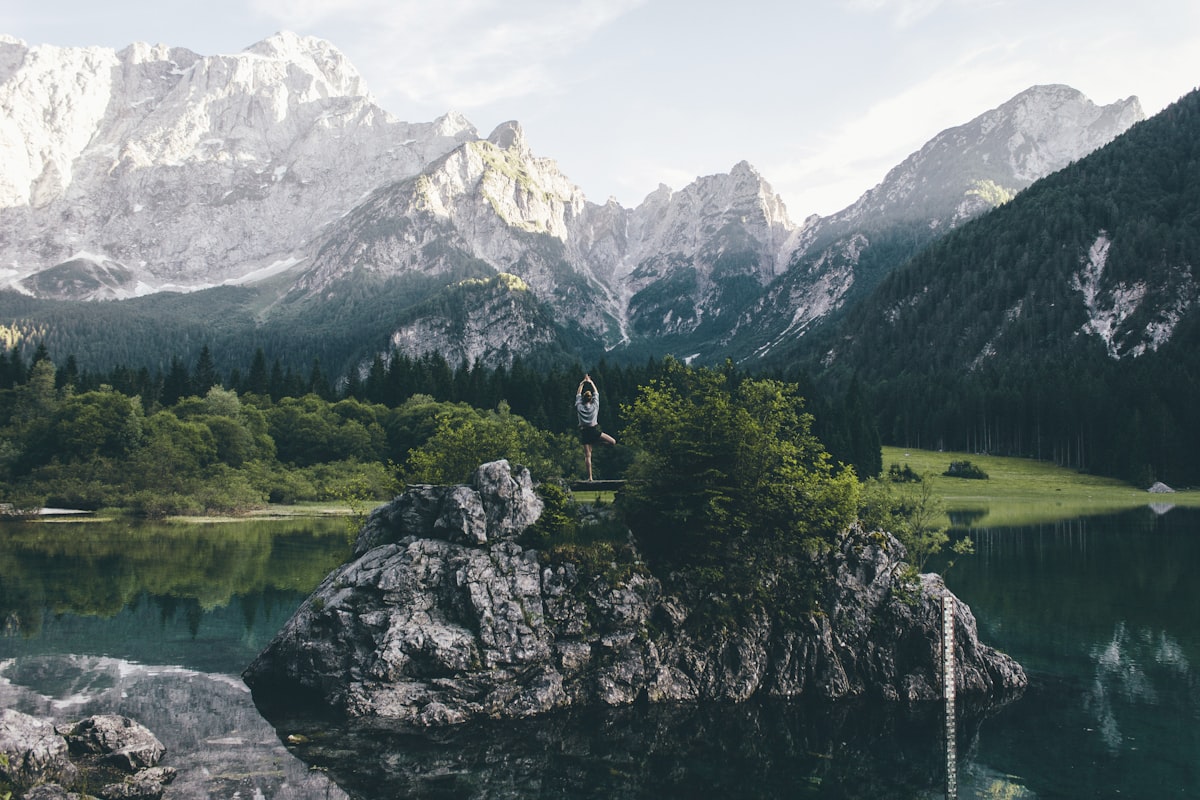
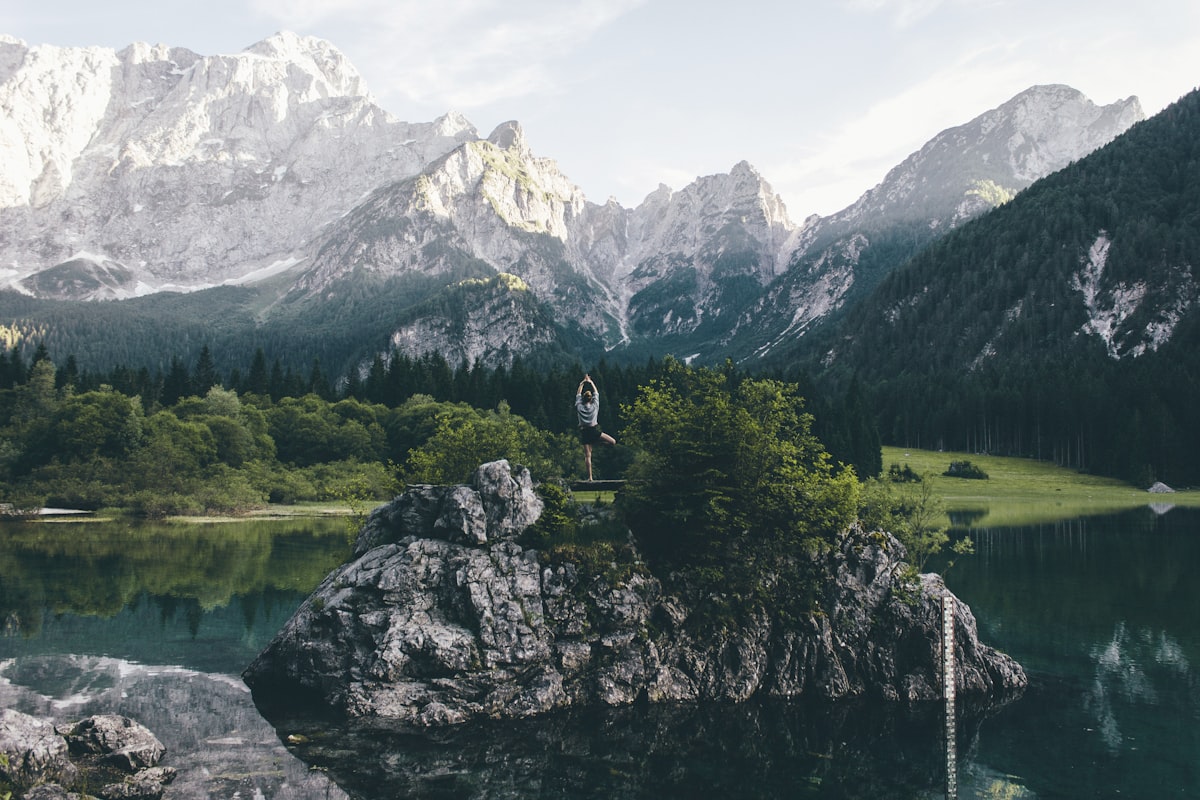
The Lofoten Islands sit above the Arctic Circle in a chain of jagged peaks rising directly from the Norwegian Sea. The mountains here do not build gradually from a plain the way mountains are supposed to. They simply appear at the waterline, vertical and enormous, with fishing villages tucked into the narrow strips of flat land at their base. I had seen the photographs for years before I visited and still was not prepared for how the reality exceeded them.
Lofoten is not a secret. The red fishing huts at Reine appear on enough Instagram accounts to constitute a visual cliche. But the islands are large enough and varied enough that the parts most visitors never reach are extraordinary and genuinely empty.
Getting There: Fly Into Leknes or Take the Ferry
Flying into Leknes from Bodo is the fastest approach, a twenty-minute flight over a landscape that gives you an aerial view of the archipelago that is worth the trip alone. The ferry from Bodo to Moskenes at the southern end of the islands takes about three and a half hours and arrives you directly at the most dramatic section of the chain.
A car is necessary for the full experience. The E10 highway runs the length of the islands from Raftsund in the north to Moskenes in the south and every few kilometres there is a viewpoint, a beach, or a trailhead that does not appear in any guide.
Reine: Beautiful and Worth Seeing Despite the Crowds
Reine is the most photographed village in Norway for good reason. The cluster of red fishing huts on stilts over the water, with the Reinebringen ridge rising behind them, is genuinely one of the most beautiful arrangements of landscape and architecture I have encountered anywhere. Go at five in the morning for the light and the absence of other people.
The hike up Reinebringen takes two to three hours and arrives at a viewpoint looking down across Reine and the surrounding fjord system. It is steep and partly via fixed chains near the top. The view from the summit is the one in every travel magazine photograph of Norway and it earns its reputation.
Nusfjord: What Reine Was Twenty Years Ago
Nusfjord is a small fishing village on the south side of Flakstadoya accessible by a side road that most visitors driving the E10 do not turn down. It is one of the best-preserved traditional fishing villages in Norway, with painted wooden buildings clustered around a natural harbour and a general store that has been in continuous operation since the nineteenth century.
You can stay in the historic fisherman’s cabins here, which puts you inside the landscape rather than looking at it from a car park. The silence in the evenings, when the day visitors have gone, is total. Northern lights in winter, midnight sun in summer, and in between a quality of light that photographers travel to Norway specifically to find.
When to Visit
February and March for the northern lights: dark enough, and the mountains are snow-covered, and the chances of a clear sky are reasonably good. June and July for the midnight sun, hiking, and warm enough to swim in the sea if you are willing. September and October for the autumn light and empty roads after the summer visitors leave.
July is the peak month and the islands feel full in a way that conflicts with the solitude most people come here to find. If you have flexibility, avoid it. The experience in May or early September is significantly more in keeping with what Lofoten actually is.
Route, budget and verification notes
Last editorial review: 1 August 2026. Recheck time-sensitive details shortly before travel.
Build the route
- Getting There: Fly Into Leknes or Take the Ferry
- Reine: Beautiful and Worth Seeing Despite the Crowds
- Nusfjord: What Reine Was Twenty Years Ago
- When to Visit
Use these sections as planning anchors rather than a fixed schedule. Confirm door-to-door transfer times, opening days and reservation requirements, then add recovery time after long journeys.
Budget before booking
Price the trip in four separate groups: accommodation, transport, food and paid activities. Add local transfers, baggage fees, taxes, insurance and a contingency amount. Exact prices vary by season and booking date, so this guide does not invent a single daily figure that may already be outdated.
Sources to verify
- Visit Norway for official or primary travel information.
- IATA Travel Centre for passport, visa and health-document checks.