
A useful Penang travel guide begins with one distinction: Penang is both an island and a Malaysian state that includes part of the mainland. Most visitors concentrate on the island, pairing George Town’s historic streets and celebrated food culture with hills, temples, quieter countryside and a short look at the north coast. The distances appear small, but heat, traffic and meal stops slow every day. Plan by area, leave room for weather, and treat the beach as one part of the trip rather than its defining attraction. Three days covers the essentials; four or five allows Penang’s contrasts to make sense.
Penang travel guide: how to plan the island
George Town deserves at least a full day and usually two. Penang Hill and Kek Lok Si Temple combine logically because both lie west of the centre. Batu Ferringhi belongs to the north-coast corridor, while Balik Pulau and nearby rural landscapes require a separate outing. Grouping places this way reduces time in traffic. Keep the middle of each day flexible: a tropical downpour, a long lunch or a museum visit can easily change the order.
George Town heritage and street art
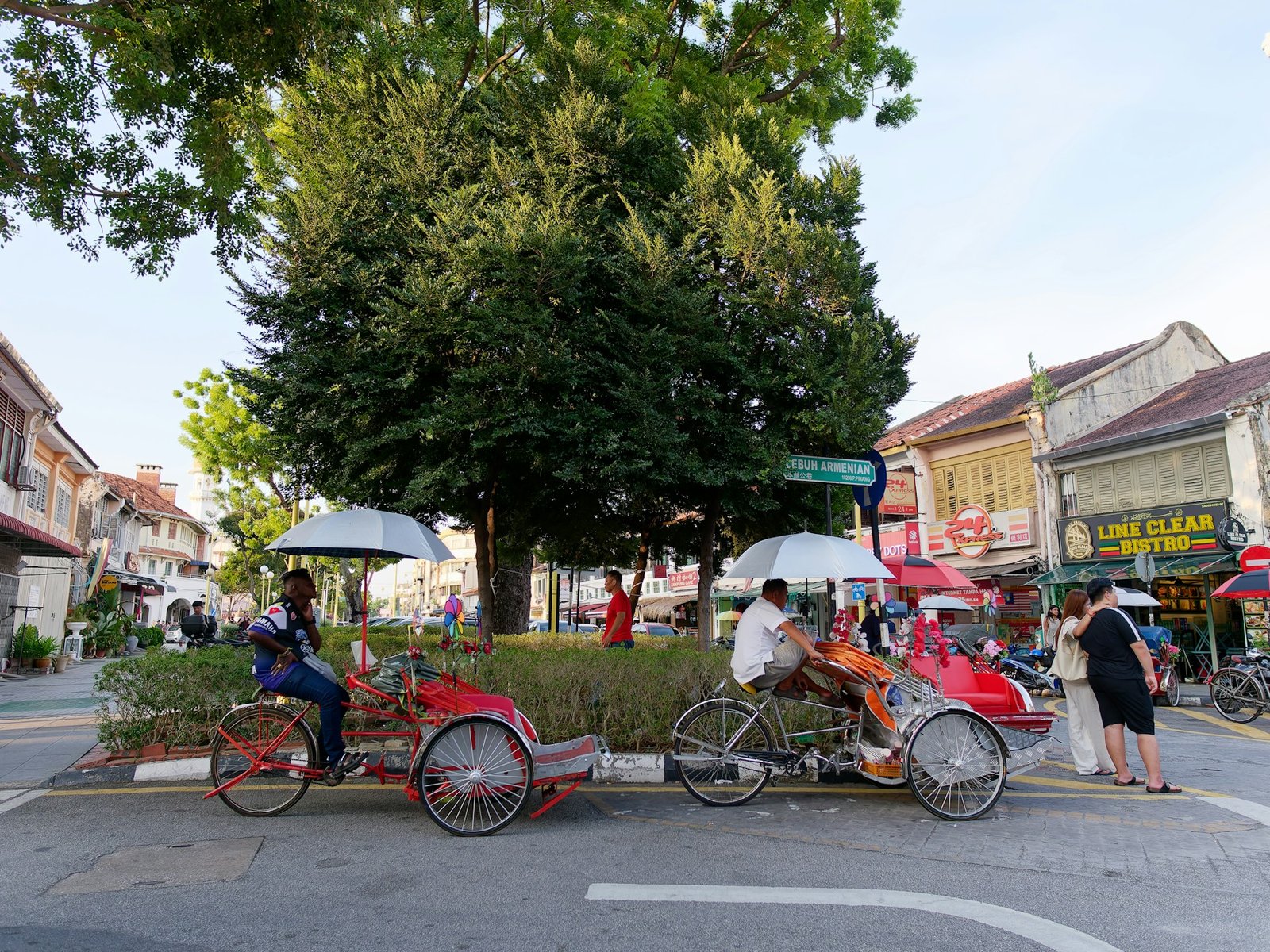
The UNESCO-listed core rewards walking without turning it into a checklist. Armenian Street, the clan jetties, Little India and the shophouse blocks around Lebuh Pantai reveal different layers of a port city shaped by Malay, Chinese, Indian, Peranakan and colonial histories. Look up at timber shutters, stucco ornament and five-foot ways, but remember that many buildings remain homes, workshops or places of worship.
Street art is scattered through lived-in neighbourhoods rather than displayed in an outdoor gallery. Queue briefly for popular murals, avoid blocking doors and roads, and never touch, climb on or add marks to a work. Ask before photographing residents, traders or worshippers. At the clan jetties, stay on public walkways, keep voices low and do not point a camera through an open doorway. Early morning brings cooler air and fewer groups; late afternoon offers softer light but more activity.
Hawker food and dietary realities
Penang’s food reputation rests on hawker centres, coffee shops, markets and specialist stalls. Char kway teow, asam laksa, Hokkien mee, nasi kandar, curry mee, rojak and cendol are starting points, not a compulsory scorecard. Choose busy stalls with steady turnover, order modestly, and return for more if needed. Different stalls in one centre may operate independently, so pay as each dish arrives unless signs indicate another system. Carry small notes and clear the table promptly during busy periods.
Dietary labels require care. “Vegetarian” can still involve shrimp paste, fish stock, oyster sauce, lard or shared cooking surfaces. Halal status varies by stall; pork-free does not automatically mean halal-certified. People with allergies should carry a translated card naming the ingredient and the severity of the reaction, then confirm both sauces and stock. Dedicated vegetarian restaurants and clearly identified Muslim-run venues can be easier than modifying a signature dish. Do not assume every famous stall opens daily or keeps fixed hours; verify on the day through its current official channel or ask locally.
Clan houses, temples and museums
Khoo Kongsi pairs carved architecture with exhibits on Chinese associations, while Cheah Kongsi offers another perspective. The Pinang Peranakan Mansion interprets Straits Chinese domestic life through decorative arts. Civic collections may face renovation or changing access, so check the institution’s own notice.
At Kuan Yin Temple, Sri Mahamariamman Temple, Kapitan Keling Mosque and other religious sites, dress with shoulders and knees covered, remove shoes where requested, and follow rules on photography. Ceremonies take priority over sightseeing. A small donation is appropriate when invited, but entry does not entitle visitors to interrupt prayer or pose participants.
Penang Hill and Kek Lok Si
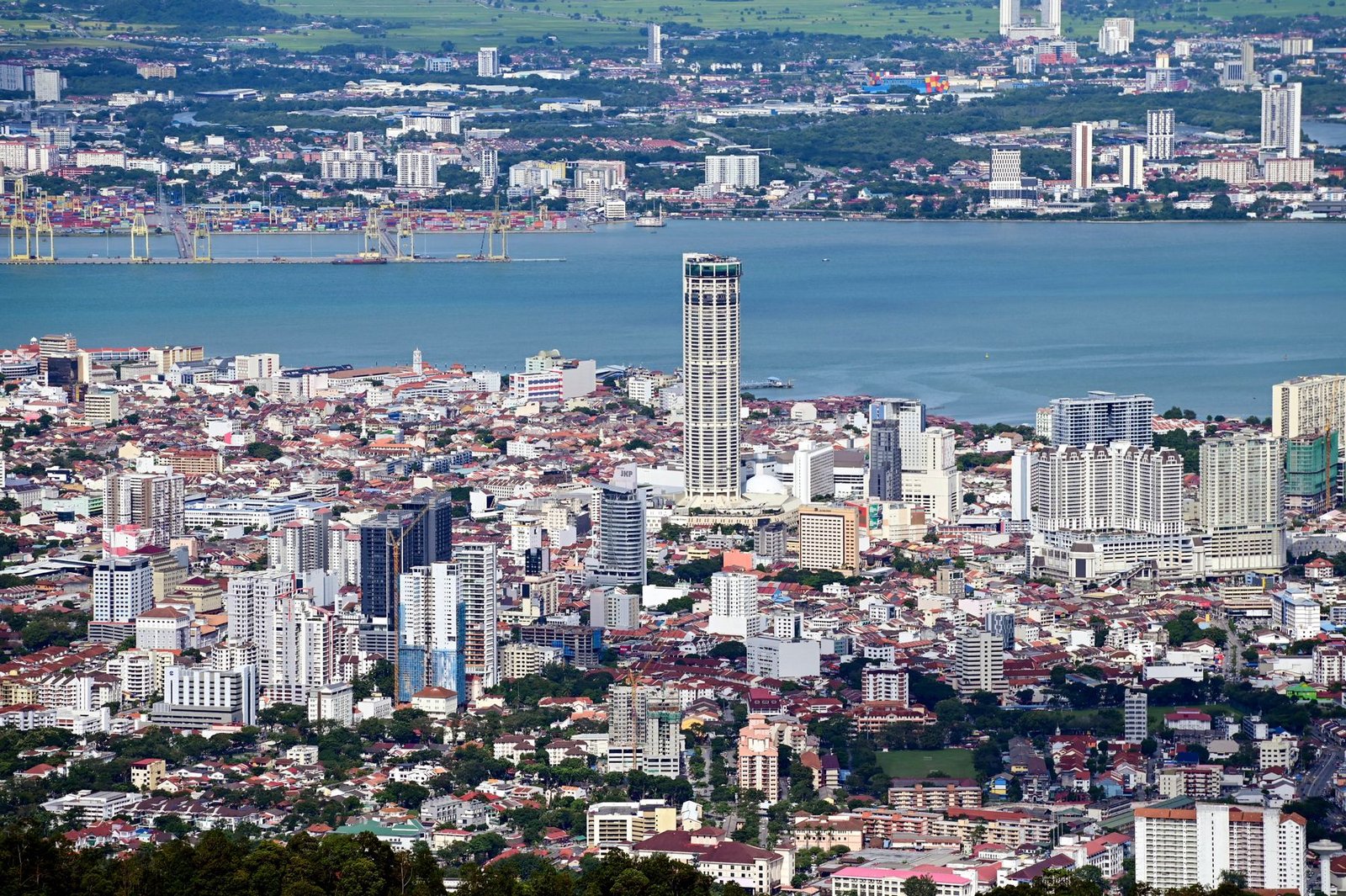
Penang Hill offers cooler air, forest views and a broad outlook over George Town and the mainland when cloud permits. The funicular is convenient, but queues and maintenance can alter plans. Check its official operational update before departure. Walking routes exist for fit visitors, although humidity, steep gradients and limited light make water, suitable shoes and an early start essential.
Kek Lok Si is a large working Buddhist complex rather than a single photo stop. Allow time for its halls, courtyards and elevated viewpoints, and expect steps plus optional lifts or inclined transport within the site. Dress respectfully and avoid active worship areas when taking pictures. Combining the temple with Penang Hill works well, but the sequence should follow weather: take the hill when visibility looks clearest.
Batu Ferringhi and realistic beach expectations
Batu Ferringhi has resort facilities, sunset views, restaurants and a long strip of sand, but travellers expecting clear, calm water may be disappointed. Water quality, jellyfish reports, currents and seasonal conditions vary. Observe warning flags and local advice; a hotel pool may be the safer swimming choice. Watersports operators differ in standards, so inspect equipment, ask about insurance and keep well clear of marked swimming areas.
The north coast works best as a relaxed evening or resort break rather than Penang’s cultural centrepiece. Traffic between Batu Ferringhi and George Town can be slow, especially around weekends and holidays. Anyone prioritising food walks and heritage will usually find the beach inconvenient as a sole base.
Balik Pulau and nature alternatives
Balik Pulau shows a quieter side of the island through villages, orchards, paddy fields and low hills. Seasonal fruit availability changes, and farms are private businesses rather than open public land; arrange visits with an established operator or enter only where clearly welcomed. Cycling can be rewarding, but narrow roads, heat, rain and fast vehicles demand conservative route choices.
For nature closer to the north coast, consider Penang Botanic Gardens or marked trails in Penang National Park. Trail access, boat services and beach conditions can change after storms or maintenance, so consult current park guidance. Monkeys should never be fed; secure food and give wildlife space. Carry water back out with you, along with every piece of litter.
Transport and where to stay
George Town is walkable in sections, but pavements can be uneven and midday heat is draining. Buses connect major districts and the airport; app-based cars handle awkward links. Allow for traffic and confirm pickup points on one-way streets. Cars add parking pressure in the heritage core. Scooters suit only licensed, insured and experienced riders wearing helmets.
Stay near George Town’s heritage zone for food and short walks, accepting possible noise and older-building quirks. Gurney Drive and Pulau Tikus offer modern hotels and dining but require transport to heritage sights. Tanjung Bungah is a quieter city-coast compromise. Batu Ferringhi suits resort time, though journeys into town are longer. Check lifts, soundproofing and accessible bathrooms before booking.
Weather, pacing and current checks
Penang is hot and humid year-round, with rain possible in any month. Walk early, schedule a museum or long lunch after midday, and carry a light rain layer. Hydrate and use sun protection even under cloud. In poor air quality or extreme heat, shorten strenuous activity and follow Malaysian health guidance.
Festivals and holidays can affect crowds and transport. Opening days, restorations, funicular operations, park access and hawker schedules change. Recheck official pages shortly before visiting and that morning when closure would disrupt the day. Keep an alternative in the same district.
Three, four and five-day routes
Three days: spend day one walking George Town’s heritage core, clan buildings and street art, with hawker meals spaced through the day. Use day two for Penang Hill and Kek Lok Si, returning to town for dinner. On day three, choose museums and more neighbourhood exploration, or trade the afternoon for Batu Ferringhi if the coast matters more.
Four days: follow the three-day structure more slowly, then devote day four to Balik Pulau or nature. This leaves room for a class, café or rain delay.
Five days: give George Town two days, combine the hill and temple, visit Balik Pulau or the national park on day four, and use day five for the north coast.
A practical budget framework
Divide costs into accommodation, arrival, local transport, food, admissions and a reserve rather than relying on unstable quoted prices. Hawker meals moderate spending; boutique hotels, private transfers and tours raise it. Compare stays on total cost, including taxes, breakfast and airport transport. Budget for rainy-day rides and admissions. Cards are common at larger businesses, but cash remains useful at stalls and markets.
Responsible travel
Support local stalls, guides and shops. Refill water where safe, refuse unnecessary plastic and leave nothing beside murals. Respect barriers in vulnerable heritage buildings. Observe wildlife without feeding or handling it. At busy food venues, share tables graciously and order only what can be eaten. Responsible travel here is ordinary consideration applied consistently.
Frequently asked questions
Is three days enough for Penang?
Yes, for George Town, Penang Hill and Kek Lok Si at a comfortable but purposeful pace. Add a fourth or fifth day for countryside, nature or the north coast.
Do visitors need a car?
No. Walking, buses and app-based cars cover most short visits. A private driver can simplify a rural day, while a rental car is often more burden than benefit in central George Town.
Is Penang mainly a beach destination?
No. Its strongest reasons to visit are food, architecture, living religious traditions and layered urban history. The beaches are pleasant for sunsets and resort downtime, but sea conditions do not always favour swimming.
When should attractions be checked?
Check official sources while planning, then reconfirm shortly before the visit. This matters especially for museums under restoration, the funicular, national park trails and independently run food stalls.
Conclusion
Penang works best when meals, history and landscape share the itinerary. Base the trip in George Town, group distant sights by district, and allow weather to set the daily rhythm. Treat worship spaces and residential streets as living places, approach dietary claims with precise questions, and keep beach expectations measured. With three days the main landmarks fit; with four or five, the island’s rural and natural edges give the city richer context.
Verified Penang planning resources
Last fact-check: 3 August 2026. This article is a researched planning guide. Restaurant opening days, bus routes, attraction maintenance and seasonal conditions can change.
Use Tourism Malaysia?s Penang guide for official destination orientation. George Town is a living heritage district rather than an open-air museum: dress respectfully at religious sites, avoid blocking homes and businesses for photographs, and do not touch murals or historic surfaces.
A low-friction planning sequence
- Stay in or near George Town if food, heritage and public transport are the priorities.
- Group George Town sights geographically and walk early or late to avoid the hottest hours.
- Give Penang Hill and Kek Lok Si a separate half-day rather than adding them to a dense heritage walk.
- Treat Batu Ferringhi as a resort and sunset stop, not as Penang?s only essential experience.
- Check current Rapid Penang routes and attraction notices immediately before travel.
Penang Hill is also part of a UNESCO-recognised biosphere reserve; Tourism Malaysia provides background on that designation. For onward regional travel, see our Singapore airport transport guide.
