
The best things to do in Kuala Lumpur combine headline architecture, layered history, excellent food and a surprising amount of greenery. For a first visit, prioritise the Petronas Towers and KLCC, the old civic centre around Merdeka Square, one substantial museum and a neighbourhood evening devoted to eating. Batu Caves is worthwhile when approached with realistic expectations about heat, crowds and temple etiquette. Kuala Lumpur is spread out, so efficient days depend on grouping nearby stops rather than crossing the city repeatedly. Build in an indoor break at midday, keep one plan flexible for rain and verify ticket or access details before setting out.
Best Things to Do in Kuala Lumpur for a First Visit
A balanced itinerary should show several versions of the capital: modern Kuala Lumpur at KLCC, colonial-era civic planning near Merdeka Square, living religious traditions at Batu Caves, and everyday commerce in markets and food districts. Choose experiences that complement one another. Two skyline decks add less variety than one viewpoint paired with a museum, park or guided historical walk. Geography matters too: combine adjoining areas and allow extra time for station exits, covered walkways and traffic.
See the Petronas Towers and KLCC
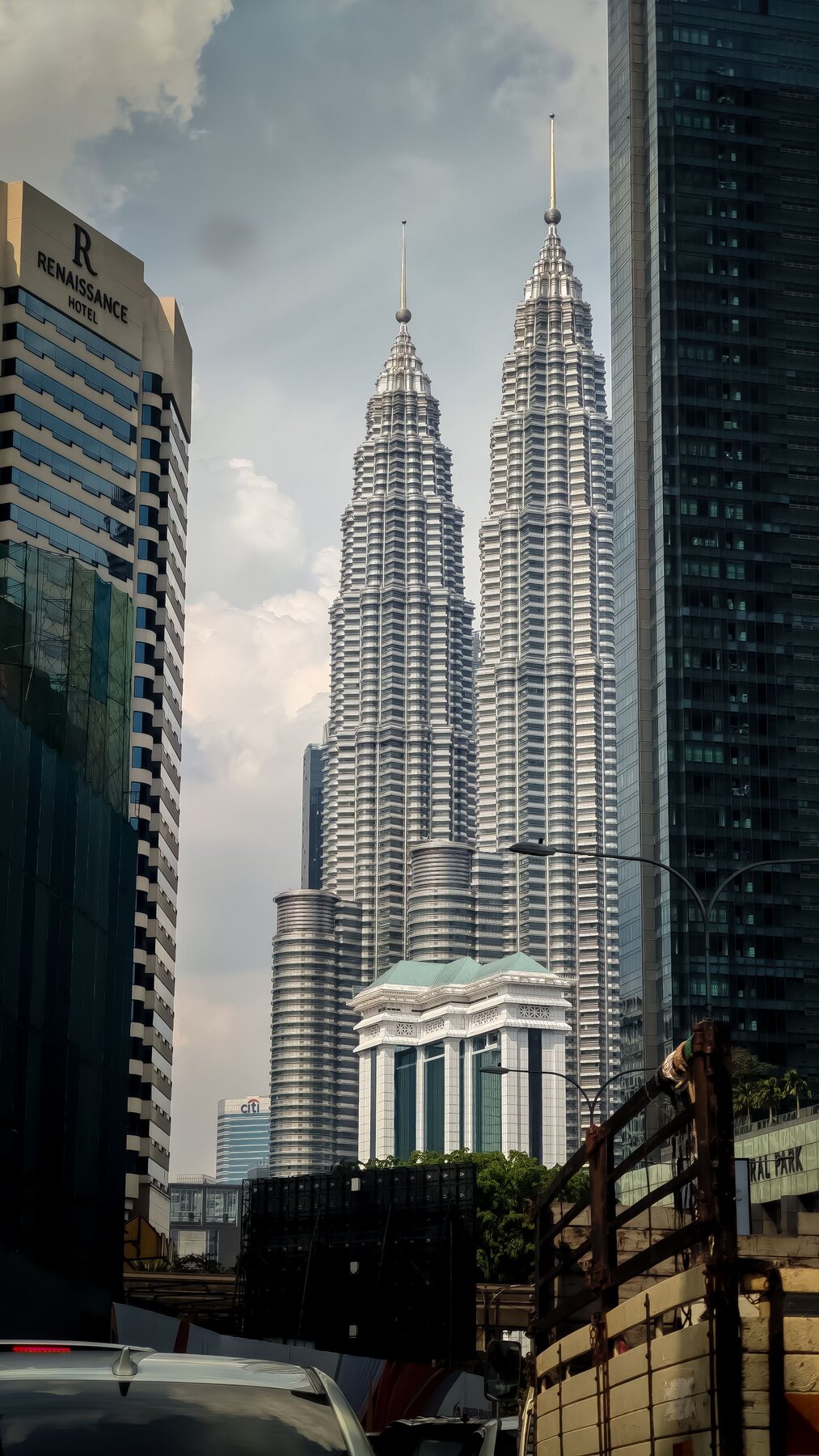
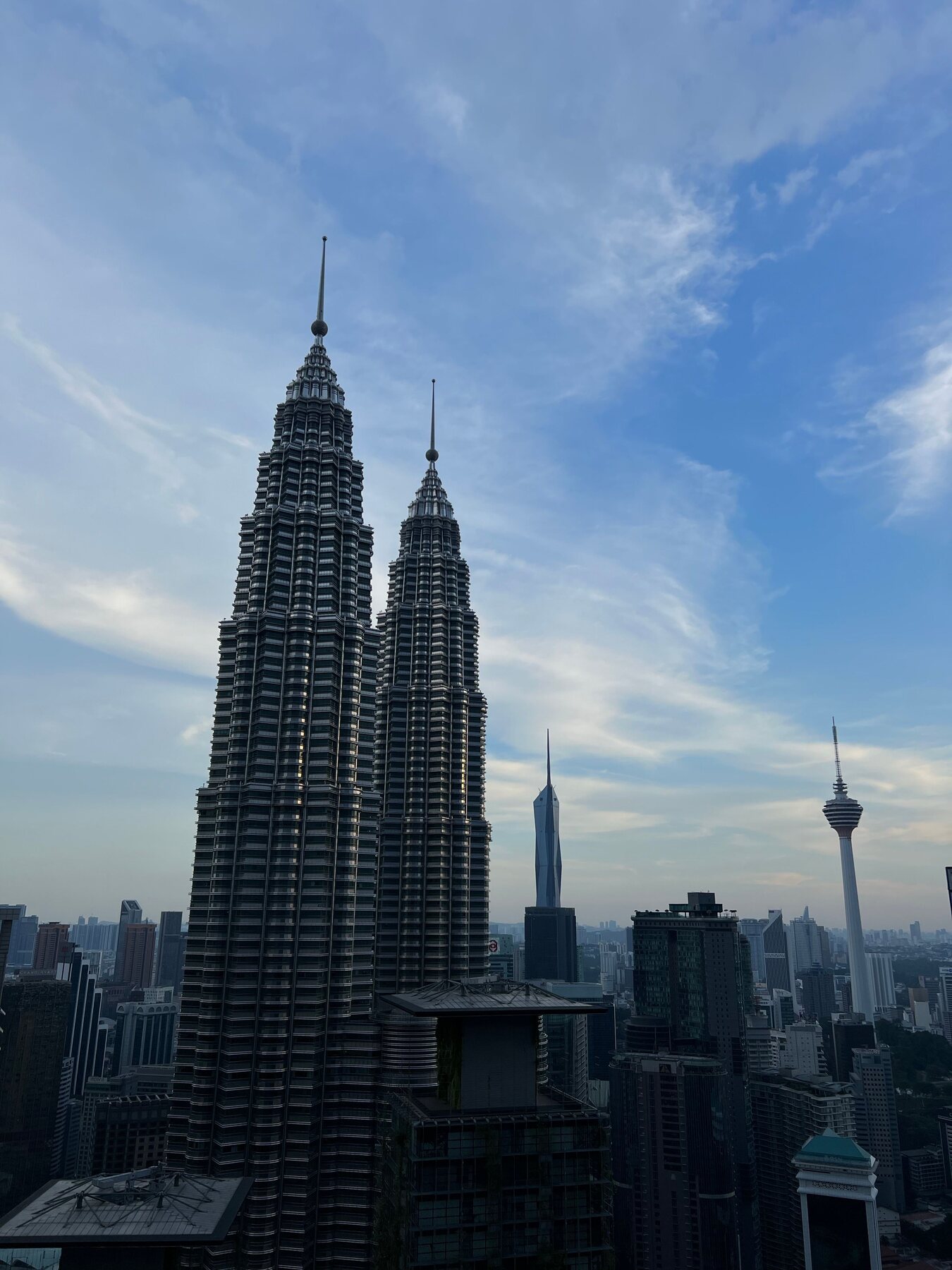
The Petronas Twin Towers remain the city’s clearest visual landmark. Their scale is best understood from KLCC Park, where paths, lawns and water features create several useful angles. Visit in late afternoon to see the towers in daylight, pause in the park and stay as the buildings illuminate. The air-conditioned Suria KLCC complex offers food, shops and shelter when a downpour interrupts the walk.
Walk Merdeka Square and the Historic Core
Merdeka Square is the logical starting point for understanding the city’s colonial civic centre and Malaysia’s independence story. Look across the field to the Sultan Abdul Samad Building, then walk toward the river confluence, Masjid Jamek and the surrounding streets. The architecture is impressive, but context matters more than collecting façades. A guided heritage walk or museum display can explain how administration, trade, migration and religion shaped this part of Kuala Lumpur.
Visit Batu Caves Respectfully
Batu Caves combines a major Hindu pilgrimage site with limestone cliffs and a long, colourful staircase. Go early for cooler conditions and a calmer climb. The main cave is reached by many steps, so wear secure footwear and allow time for pauses. Macaques can grab food, bottles and loose objects; do not feed or touch them, and keep snacks packed away.
This is an active place of worship, not simply a photo setting. Cover shoulders and knees, observe any posted clothing guidance, avoid blocking worshippers and ask before photographing people or ceremonies. Remove shoes wherever requested. Festival periods can transform crowd levels and transport, while maintenance or ceremonies may affect access, so make a current check. Travellers unable to manage the stairs can still see the monumental entrance area, but the principal cave experience is not step-free.
Choose a Museum for Cultural Context
The Islamic Arts Museum Malaysia is an excellent complement to the historic centre. Its strengths include architecture, manuscripts, textiles, ceramics and models that place Malaysian material within wider Islamic artistic traditions. The galleries reward unhurried attention and provide a useful indoor block during hot or wet weather. Pair it with the National Mosque or nearby gardens, checking visitor rules and prayer-time access before arrival.
Explore Chinatown and Central Market
Chinatown works best as a loose circuit rather than a single street. Petaling Street supplies market energy, but nearby temples, clan buildings, cafés and older commercial blocks give the district more substance. Sri Mahamariamman Temple and Guan Di Temple illustrate the area’s religious diversity; dress and behave respectfully, and confirm whether photography is allowed inside.
Eat Across Kuala Lumpur’s Food Districts
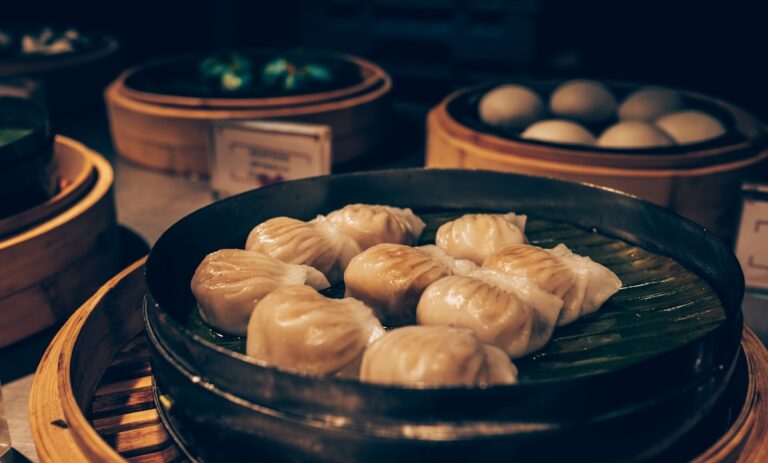
Food is one of the strongest reasons to leave space in the schedule. Jalan Alor offers a concentrated, visitor-friendly evening with grilled seafood, noodles, fruit and snacks, but it can be busy and relatively tourist-oriented. Kampung Baru is useful for Malay cooking and views toward the modern skyline. Brickfields adds banana-leaf meals, dosa and South Indian sweets, while Chinatown supports kopitiam breakfasts, noodles and Chinese Malaysian specialities.
At hawker centres and food courts, walk around before choosing. A long queue may signal a famous stall, but neighbouring cooks can be equally rewarding. Look for steady turnover, food cooked to order and clear ingredient handling. Carry some cash because payment systems vary. Ask directly about shellfish, nuts, pork, alcohol, vegetarian preparation or halal status; visual inspection is not enough for allergies or religious requirements. Order several smaller dishes when dining with companions, and return trays where signs request it.
Spend an Evening in Bukit Bintang
Bukit Bintang is Kuala Lumpur at its most commercial: malls, restaurants, hotels, nightlife and heavy pedestrian traffic occupy a compact area. It is useful for an evening because food and indoor options remain close together when weather changes. Jalan Alor sits nearby, and covered or elevated walkways connect parts of the district toward KLCC.
Add Parks and a Viewpoint
KLCC Park is the easiest green space to include, especially around sunset. For a longer nature break, the Perdana Botanical Gardens area pairs well with museums and the National Mosque, although distances between attractions can be greater than the map suggests. Paths may involve slopes, wet surfaces and intermittent shade, so plan a specific section rather than assuming a quick circuit.
Consider a Day Trip Carefully
Melaka is historically rich, but a return journey makes for a long day and leaves limited time for its museums and evening character. An overnight stay is preferable if the wider itinerary allows. Putrajaya is closer and suits travellers interested in monumental planning, government architecture and mosque visits, though its dispersed layout requires more transport coordination.
Use Rail and Grab Strategically
Urban rail connects many visitor areas, including KLCC, Bukit Bintang, Pasar Seni, Masjid Jamek and KL Sentral. Networks use several lines and operators, so consult a live journey planner and pay attention to the exact station name and exit. Transfers can involve substantial walking. Keep a payment backup and check current ticket or contactless options rather than relying on an old guide.
Grab is practical for awkward cross-city links, rain and late returns. Congestion can erase its advantage during peak periods, and pickups around malls or stations often occur at designated zones. Confirm the number plate and driver in the app. For Batu Caves, rail avoids road uncertainty; for groups or travellers with reduced mobility, a car may be easier if the pickup and drop-off points are planned.
Plan Around Heat, Rain and Accessibility
Kuala Lumpur’s heat and humidity make pacing part of the itinerary. Schedule exposed heritage walks or Batu Caves early, use a museum, long lunch or hotel break around midday, and return outdoors later. Carry water, sun protection and a compact rain layer. Downpours can be intense, and lightning is a reason to leave viewpoints, open parks and exposed stairways.
Newer malls and major stations commonly have lifts, but the step-free route may be indirect or temporarily affected. Older pavements can be uneven, narrow or obstructed, and kerbs are inconsistent. Confirm accessible entrances, lift operation, toilets and seating directly with priority venues. Batu Caves’ main staircase is a major limitation. Short Grab journeys can conserve energy, while a centrally located hotel reduces repeated transfers.
Book Selectively and Check Current Details
Reserve only the experiences that truly depend on a dated slot, such as a tower visit, popular guided tour or special exhibition. Keep parks, markets and neighbourhood walks movable so the forecast can shape each day. Before leaving the hotel, check official venue pages for opening arrangements, dress requirements, prayer closures, maintenance notices and ticket availability. Public holidays and major religious festivals can alter both access and crowd patterns.
Priorities for One, Two or Three Days
One day
Walk Merdeka Square, the river area, Central Market and Chinatown in the morning. Take an indoor midday break, then continue to KLCC Park and the Petronas Towers for late afternoon and evening. Choose either a museum or a tower ticket, not both.
Two days
Keep the central route, then visit Batu Caves early on day two. Follow with the Islamic Arts Museum or National Museum and finish in Bukit Bintang or Kampung Baru for dinner. This covers religion, history, architecture and food without excessive backtracking.
Three days
Add the museum not yet visited, Perdana Botanical Gardens or a slower neighbourhood food circuit. A day trip should replace this third-day plan, not be added to it. Travellers focused on shopping can reserve part of the day for Bukit Bintang, while architecture enthusiasts may prefer Putrajaya.
Frequently Asked Questions
How many days are enough for Kuala Lumpur?
Two full days cover the principal city sights and Batu Caves at a reasonable pace. Three days allow stronger museum, garden, food or shopping time without turning every stop into a brief photo call.
Is Kuala Lumpur easy to explore without a car?
Yes, if days are grouped geographically. Rail works well for major visitor districts, while Grab fills gaps. Walking conditions vary, so allow time for crossings, station exits and indoor connections.
What should visitors wear at religious sites?
Choose clothing that covers shoulders and knees, and carry a light layer. Follow each site’s posted guidance, remove shoes when asked and avoid visiting areas reserved for worshippers. Requirements can differ by venue and occasion.
Build the Trip Around Contrast
Kuala Lumpur makes the most sense when modern towers, historic streets, sacred places, museums and meals all have room in the plan. Start early, cluster each day, and treat indoor stops as valuable experiences rather than weather backups. Select one paid viewpoint, approach Batu Caves respectfully and let food districts provide the evening rhythm. A final check of official information will protect the plan from changed access or booking rules, while a flexible afternoon keeps tropical weather from controlling the entire visit.