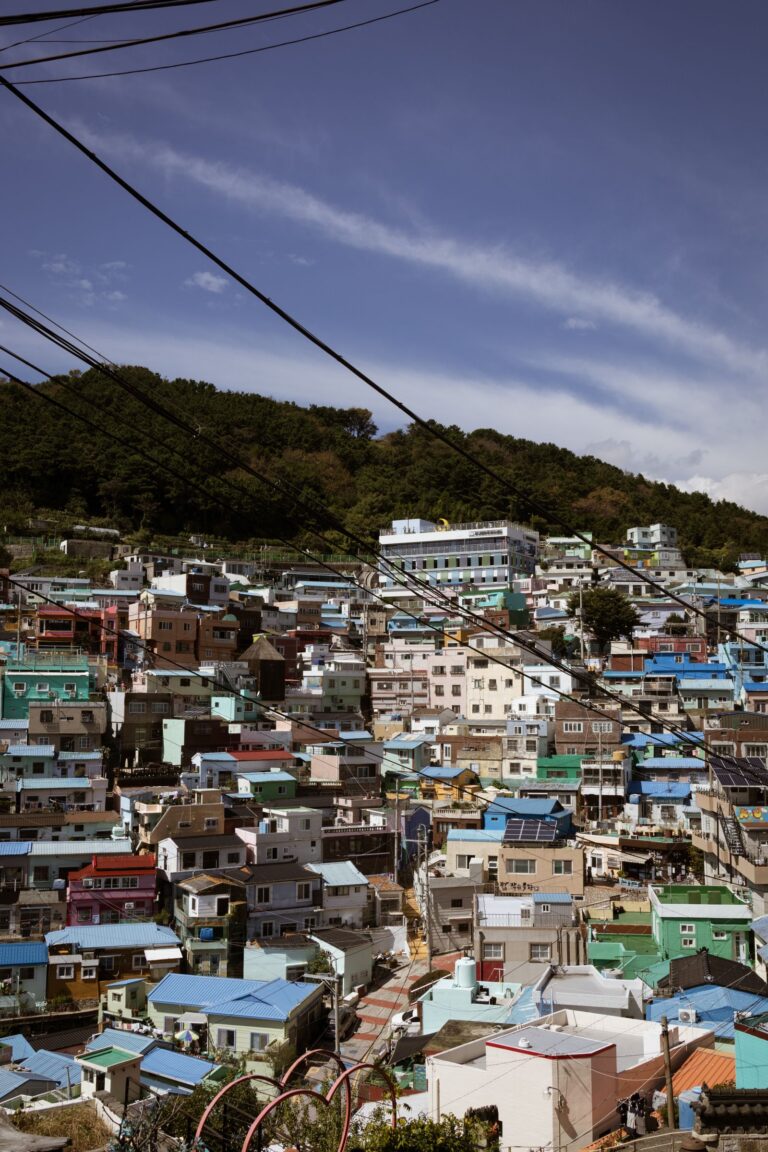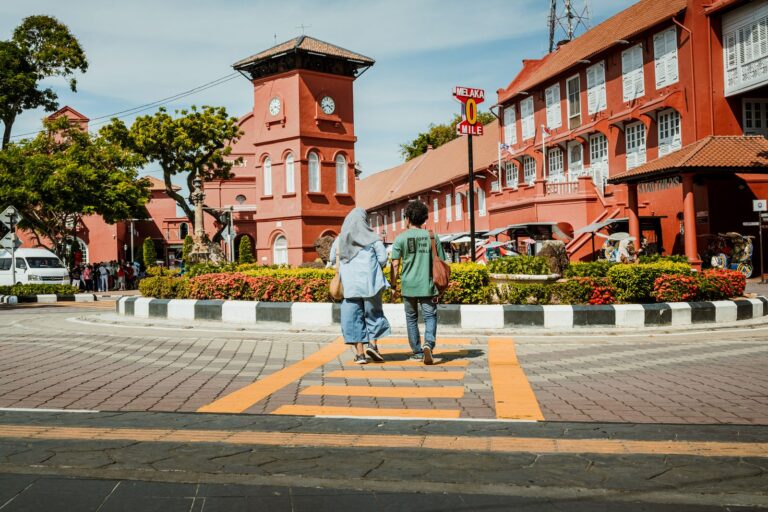

Choosing the best time to visit south korea depends less on a single perfect month than on what you want to do. April and October suit many first-time visitors because temperatures are generally comfortable for long city walks, day trips, and hiking. Those attractive conditions also bring busy palaces, blossom paths, national parks, and higher demand for well-located rooms. Travelers who value lower prices or quieter sights may prefer late November, early March, or winter, while beach trips belong in summer despite heat, humidity, and rain risks.
Best Time to Visit South Korea for Your Travel Style
For a balanced first trip combining Seoul, Busan, and historic towns, target mid-April to May or mid-October to early November. Spring offers flowers and fresh greenery; autumn brings clearer-feeling days and foliage. The Korea Tourism Organization (KTO) identifies March through May and September through November as moderate seasons suited to travel on foot.
- City explorers: April, May, October, and early November offer the easiest conditions for neighborhoods, markets, palaces, and outdoor museums.
- Hikers: October is the prime all-round choice, though popular mountain routes can be crowded. May is a greener alternative.
- Budget-conscious travelers: Look at January, February outside holiday periods, early March, late November, or early December. Compare heating, ski-area, and weekend rates before booking.
- Beach travelers: Late July and August provide the warmest beach season, but also intense humidity, busy coastal resorts, and possible storm disruption.
- Snow and ski travelers: January and February are the strongest candidates, especially in higher terrain. Snow in Seoul is less dependable than mountain conditions.
- Flower seekers: Build flexibility into late March and early April plans. Bloom dates are forecasts, not guarantees.
Spring: Flowers, Mild Days, and Peak Demand
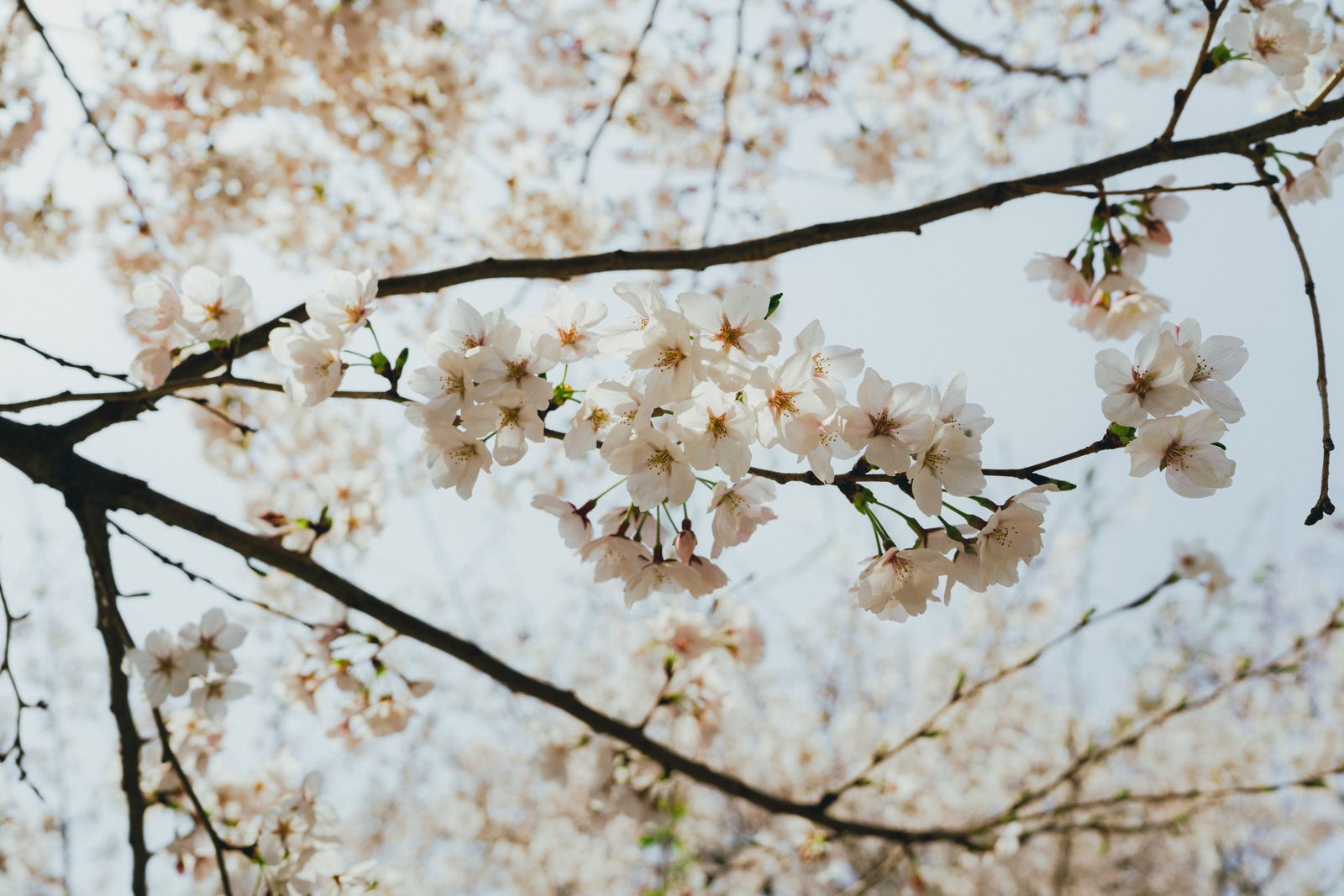
Spring runs from March through May. Early March can still feel wintry, particularly after dark and in Seoul or the mountains. By April, milder afternoons make urban walking and cycling more comfortable, while May is warmer, greener, and often a good compromise after the most concentrated blossom interest.
For 2026, KTO forecast cherry blossoms around March 25 in Jeju and Busan and April 3 in Seoul, with peak bloom roughly one week after opening. These dates apply to the 2026 forecast only. Flowering changes every year with temperature, wind, and rain, and a storm can shorten the viewing window. Reserve transport and central accommodation early if blossoms are central to the trip, but plan worthwhile indoor and non-floral alternatives.
Spring crowds gather at famous Seoul parks, Jinhae, Gyeongju, and photogenic riverside paths. Weekday mornings are generally easier than weekend afternoons. Air quality can also affect views and outdoor comfort, so check current local readings rather than assuming every mild day will be clear. Pack layers, a light water-resistant jacket, comfortable shoes, and a warmer outer layer for March or mountain excursions.
Summer: Beaches, Humidity, Rain, and Storm Planning
June through August is hot and humid. KTO notes that the rainy season partly overlaps late June through late July, while typhoons are possible from June through October. Neither window means continuous bad weather, and typhoons do not affect every itinerary, but heavy rain can disrupt flights, ferries, hiking trails, and coastal plans. Keep one flexible day, use refundable bookings where practical, and monitor official forecasts close to departure.
Busan and Jeju make sense for travelers prioritizing beaches, sea views, and water activities. August is popular with domestic holidaymakers, so beachfront rooms and trains can cost more and sell earlier. Seoul remains highly visitable thanks to extensive public transport, museums, cafés, and shopping, yet outdoor sightseeing is more tiring at midday. Schedule palaces and neighborhoods early, take a long indoor break, and resume later.
Pack breathable clothing, sun protection, a compact umbrella, quick-drying footwear, and a light layer for strong indoor air conditioning. A thin waterproof shell is more useful than a heavy coat. Never enter a closed mountain trail or rough sea because a fixed itinerary says to; weather alerts should determine the day’s plan.
Autumn: Comfortable Walking and Foliage Crowds
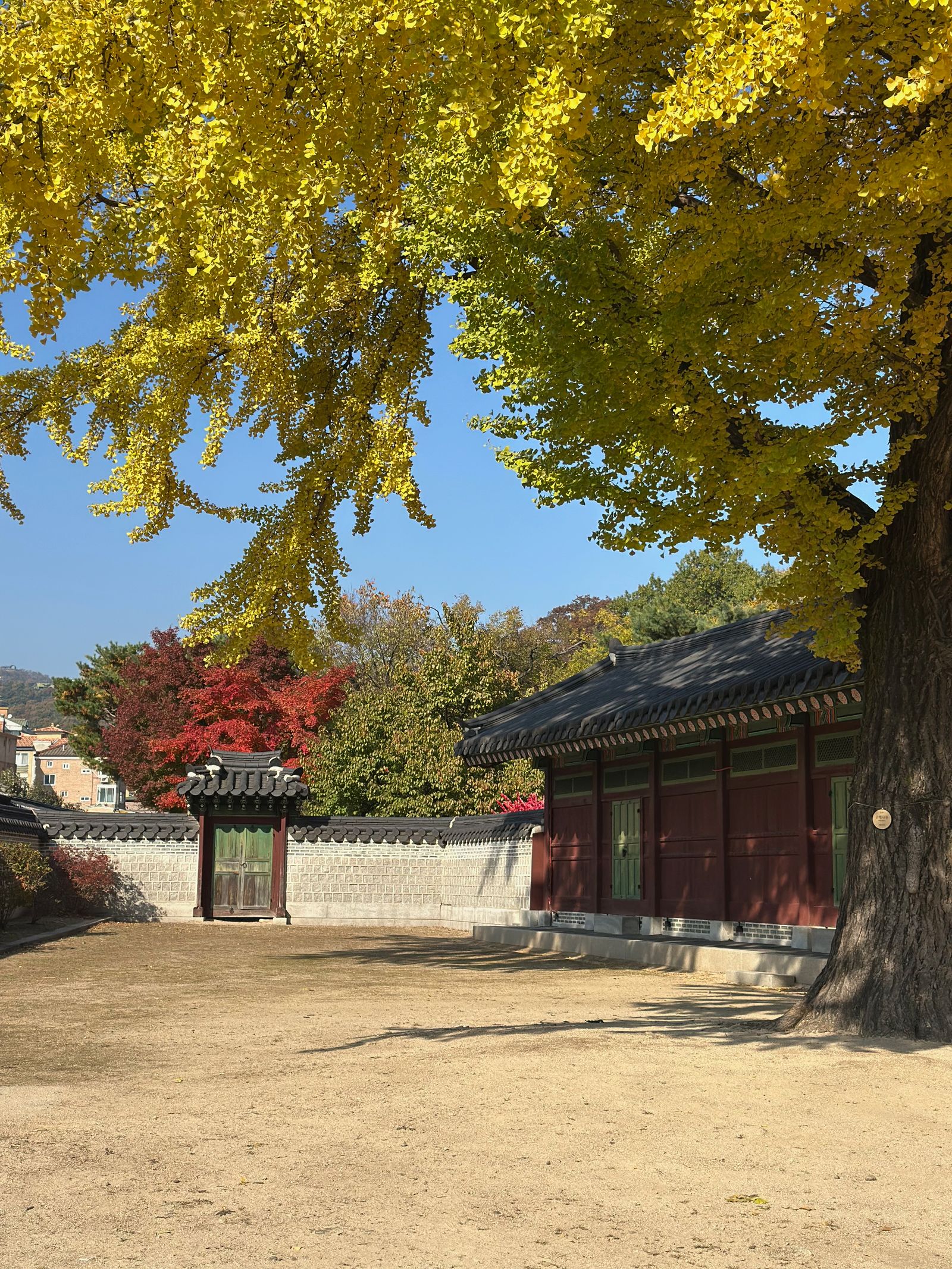
September through November is another strong period for broad itineraries. KTO gives an autumn average of about 15°C, although September can retain summer warmth and November nights can turn cold. October usually offers the most dependable balance for city walking and hiking, which is precisely why it attracts substantial demand.
Autumn color usually becomes a major draw from late October into early November, but timing differs by elevation, latitude, and that year’s weather. Mountain areas generally change before warmer southern cities and islands. Treat any foliage calendar as guidance, then check current reports shortly before a day trip. Seoraksan and other celebrated parks may have queues, full buses, and crowded trailheads on peak weekends; a weekday start or a less famous route improves the experience.
September still sits within the possible typhoon period, especially relevant to Jeju and the southern coast. By late November, many trees are bare and evenings are much cooler, but crowds often ease. Bring light layers in September, then add a fleece or insulated jacket as autumn progresses. Hikers need shoes with secure grip, water, and enough warmth for rapid temperature changes at elevation.
Winter: Lower Demand, Cold Streets, and Mountain Snow
Winter spans December through February. KTO says the national average is around 0–1°C, with temperatures frequently dropping below zero. Seoul can feel especially cold in wind, and mountain districts are colder still. Busan and Jeju are generally milder than the capital, though neither should be treated as warm winter-sun destinations.
The reward is often lighter demand at many cultural sights, crisp scenes, seasonal food, hot baths, and access to ski areas. Prices may be attractive in cities, but they can rise around New Year periods, major holidays, ski weekends, and special events. Lunar New Year dates vary: transport can sell out, businesses may change hours, and family travel reshapes demand.
Pack an insulated coat, thermal base layers, gloves, a hat, warm socks, lip balm, and shoes with good traction. Indoor spaces are well heated, so removable layers matter. If snow is essential, base plans around established mountain resorts and current reports rather than expecting Seoul to remain white.
Regional Differences: Seoul, Busan, Jeju, and the Mountains
Seoul has pronounced seasonal swings: cold winters, humid summers, and highly popular blossom and foliage periods. Its indoor attractions make weather changes manageable. Busan has a milder maritime profile and a later-feeling winter, while summer beach demand can be intense. Spring flowers may arrive earlier than in Seoul.
Jeju often reaches spring milestones early and is exposed to wind, rain, and possible typhoon-related transport disruption. A rental-car or hiking plan needs backup options. Mountain regions are cooler than the cities, with earlier autumn color and better winter-sports prospects. Elevation can turn a comfortable city day into a cold or wet hike, so pack for the route rather than the hotel forecast.
Month-by-Month Quick Guide
| Month | Typical appeal | Main trade-off |
|---|---|---|
| January | Skiing, winter food, quieter cities | Sub-zero spells and short days |
| February | Snow sports, lower city demand | Cold; holiday effects vary |
| March | Early flowers in the south | Changeable weather; chilly starts |
| April | Blossoms and comfortable walks | High demand at flower sites |
| May | Green landscapes and hiking | Warmer days and busy weekends |
| June | Early beach and city trips | Humidity; rain risk increases |
| July | Beach season and indoor culture | Rainy-season overlap and heat |
| August | Warm sea and summer energy | Heat, humidity, coastal crowds |
| September | Warm travel after peak summer | Storm risk remains possible |
| October | Walking, hiking, early foliage | Popular routes fill quickly |
| November | Late color, cooler city days | Cold nights; foliage fades |
| December | Seasonal lights and winter food | Cold weather and holiday pricing |
Crowds, Prices, and Event Timing
Season alone does not determine cost. Weekends, school breaks, public holidays, concerts, conferences, and local festivals can raise rates in one city while another remains reasonable. Cherry-blossom weekends and peak foliage weekends deserve early booking, as do summer stays beside famous beaches. For better value, compare Sunday-to-Thursday stays, neighborhoods one or two subway stops from headline districts, and flexible rail times.
Book the least flexible element first. That may be a blossom-period hotel, a Friday train to Busan, a Jeju flight, or a room near a national park. Leave ordinary city meals and weather-dependent excursions until later. If two rooms appear similarly priced, compare cancellation terms, breakfast, laundry access, and the walk to public transport; a cheaper remote room can cost more in time and taxis. Intercity rail reservations deserve attention around holidays, but most urban sightseeing does not require a rigid hourly schedule. Keeping mornings or afternoons open gives you room to respond to rain, heat, poor visibility, or an unexpectedly busy attraction.
Festival schedules and event venues can change annually. Confirm dates with organizers before buying non-refundable transport, and check whether a public holiday will alter opening hours. A sound plan uses seasonal expectations for the broad framework, then validates weather, bloom or foliage progress, transport, and events shortly before travel.
The Practical Verdict
Choose April or October for the simplest first visit, accepting larger crowds and firmer prices. Pick May for green landscapes with less blossom pressure, or late November for cooler, quieter city travel. Summer works best when beaches and evening activity outweigh discomfort from humidity and possible rain. Winter suits snow sports, food-focused trips, and travelers prepared for cold.
No nationwide date guarantees ideal conditions across Seoul, Busan, Jeju, and the mountains. Match the month to the trip’s highest priority, allow for regional variation, and keep weather-sensitive days movable. That approach matters more than chasing a single supposedly perfect week.