
A well-paced singapore itinerary 3 days should connect adjacent neighbourhoods instead of treating the city as a checklist. Singapore is compact, but tropical heat, sudden rain and time spent eating can make an ambitious route tiring. This plan gives each day a clear geographical focus: the Civic District and Marina Bay, heritage neighbourhoods, then gardens or an island option. Most journeys use the MRT, with short walks at either end. Start early, pause indoors around midday and leave some evening time unscheduled; that rhythm makes three days feel generous rather than rushed.
Singapore Itinerary: 3 Days at a Comfortable Pace
The route assumes three full sightseeing days and a hotel near an MRT station. Use a reliable journey planner, and pay for trains and buses with an accepted contactless method or local travel card. Covered paths are common, but crossings and underground links add distance. Carry water, a rain layer and sun protection. When storms arrive, pause in a museum, mall or food centre.
Day 1: Civic District and Marina Bay
Begin around City Hall, where several MRT lines meet. Walk past the Padang, National Gallery Singapore and St Andrew’s Cathedral, then continue toward the river. Travellers interested in art or regional history should enter one major museum rather than skimming several. The National Gallery can absorb two or three hours; the Asian Civilisations Museum is a more compact alternative near the river. Reserve special exhibitions when required and confirm current opening days on official sites.
For lunch, use Lau Pa Sat for an architectural landmark with broad choice, or choose a city-centre food court. A hawker meal is ordered stall by stall. Return trays to the designated station and check dietary information rather than assuming a dish suits a restriction. At busy periods, never move tissues or personal items used to mark an occupied place.
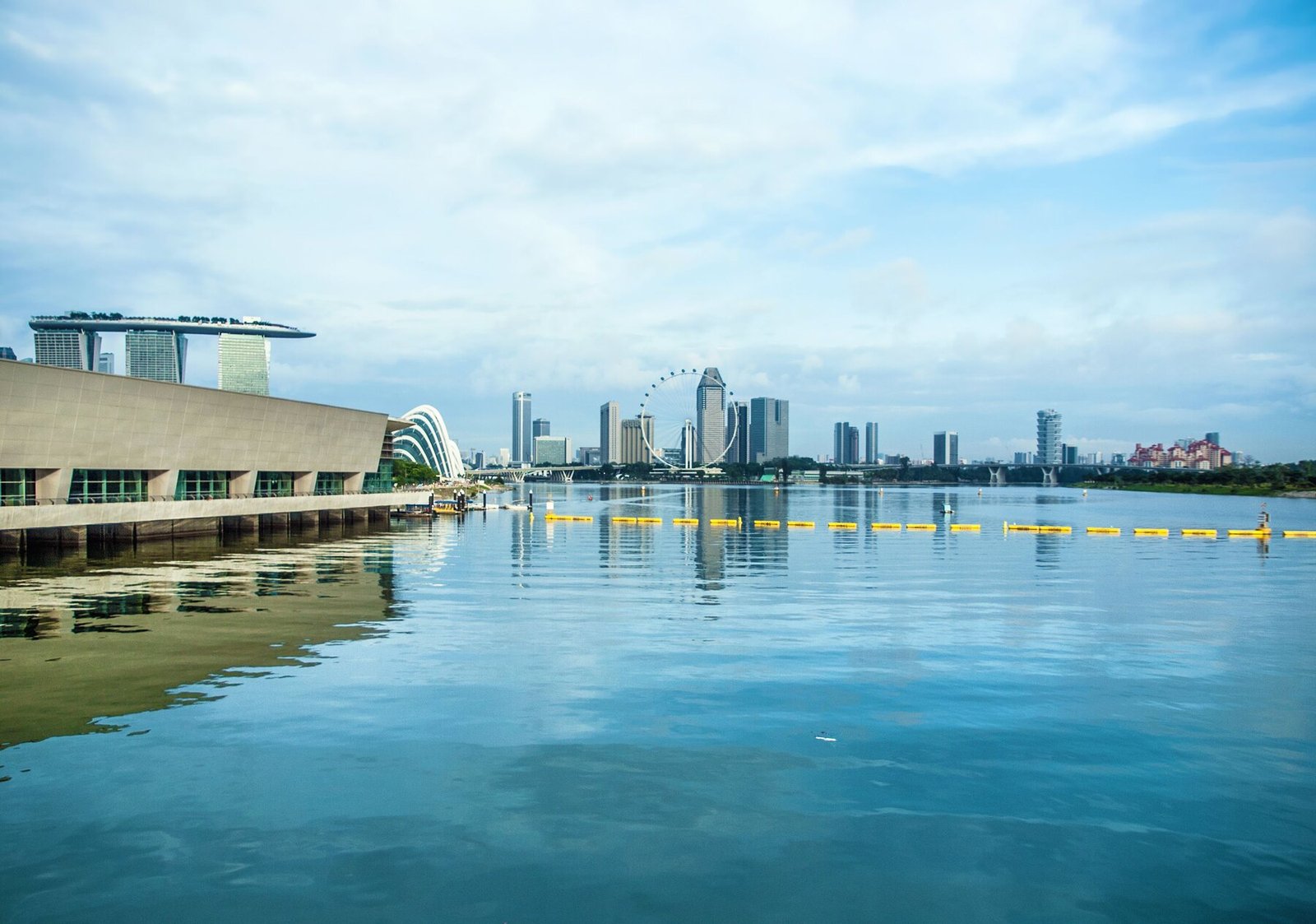
Continue to Merlion Park and the bay promenade. The public waterfront provides excellent skyline views without another ticket. Cross via the Helix Bridge toward Marina Bay Sands, taking an indoor break if it is hot. Architecture enthusiasts can detour to Esplanade; families may prefer the ArtScience Museum. The route is mostly level, although lift approaches can be longer.
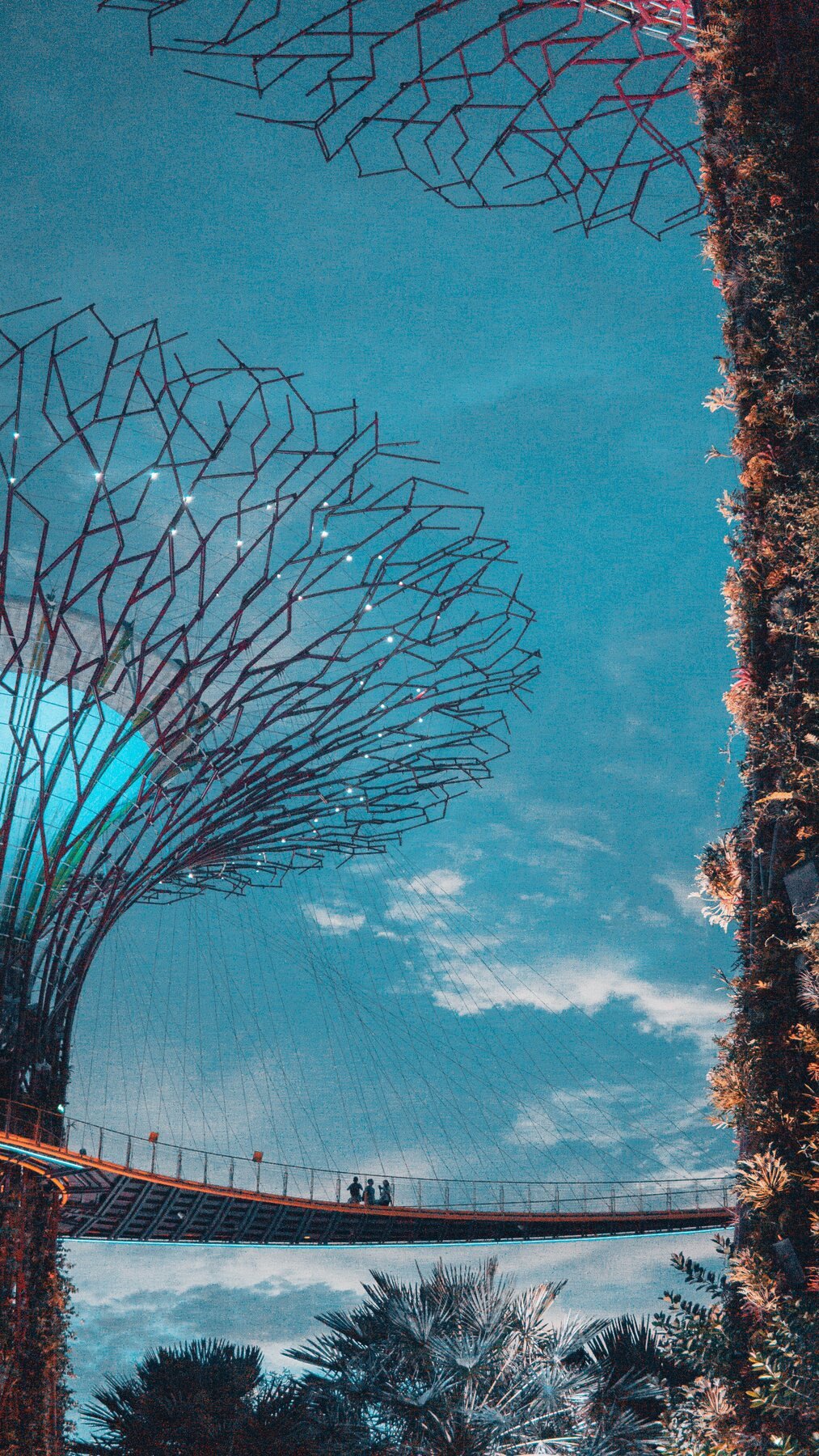
Finish at Gardens by the Bay. The outdoor grounds offer a worthwhile visit without a ticket, while the cooled conservatories and selected attractions require admission. Book dated entries ahead for priorities, particularly on weekends and holiday periods, but verify schedules and closure notices through official channels. A waterfront dinner or the food options near the gardens keeps the evening local. If energy is low, take the MRT back after sunset instead of adding another district.
Day 2: Chinatown, Tiong Bahru and a Heritage Alternative
Start at Chinatown MRT and explore before the lanes become busier. A sensible loop links the Buddha Tooth Relic Temple area, Sri Mariamman Temple and the shophouses around Telok Ayer. These are active places of worship, not merely photo settings. Cover shoulders where requested, remove shoes when signs instruct, speak quietly and avoid photographing worshippers without permission. Check visitor rules at the entrance because ceremonies can limit access.
A heritage centre or guided walk can add context, but leave room for ordinary streets. Maxwell Food Centre is convenient for lunch. Popular stalls may have long queues; nearby stalls serve plenty of noodles, rice dishes and snacks. Carry a little cash even where contactless payment is widespread, and budget separately for drinks and ticketed attractions.
After lunch, ride the MRT or take a short taxi to Tiong Bahru. Its low-rise housing, market and independent shops contrast with downtown. Spend two hours around the market and residential blocks, respecting entrances and private stairs. Return to the hotel for a rest, or continue to the Singapore River for an evening walk.
If temples, textiles and street life matter more than Tiong Bahru, replace the afternoon with Kampong Gelam and Little India. Take the MRT to Bugis, see Sultan Mosque and the surrounding lanes, then travel to Little India for Tekka Centre and nearby religious sites. Combining both is feasible because the districts are close by train, but do not also add Tiong Bahru. Dress respectfully, give way during prayer and ask before taking close photographs inside shops or places of worship.
Day 3: Gardens, Wildlife or Sentosa
Choose one substantial area for the final day. The calmest option is Singapore Botanic Gardens, reached from Botanic Gardens or Napier MRT stations. Start early, follow a route through the main landscapes and consider the ticketed National Orchid Garden. Shade varies, paths can be long and humidity builds quickly. Breakfast or an early lunch nearby creates a half-day outing without backtracking.
Pair the gardens with Dempsey Hill only if restaurants and design shops appeal; otherwise return by MRT for a restful afternoon around Orchard Road or a museum missed on day one. Nature-focused visitors can instead devote most of the day to Mandai’s wildlife parks. They sit away from the central MRT grid, so use the official public-transport guidance or a taxi and allow generous transfer time. Choose one or two parks based on current operating information rather than attempting the entire precinct.
For beaches, family attractions or theme-park time, make Sentosa the full-day alternative. Reach it through HarbourFront, then continue by the available island transport or walk, subject to conditions and mobility needs. Select one anchor activity and leave room for the beach or coastal paths. Separate reservations may be required, and attraction capacity, maintenance and weather policies change. Check official sources shortly before visiting and avoid building a flight-day plan around a non-refundable activity.
Another final-day choice is the east coast. Joo Chiat and Katong offer Peranakan architecture and food, followed by East Coast Park for cycling or a seaside walk. Buses or a taxi can reduce transfers. It suits repeat visitors and travellers who prefer local streets to large attractions. In rain, substitute the Peranakan Museum.
Where to Stay for This Route
City Hall, Bugis and the southern edge of Orchard provide convenient MRT access. Chinatown is strong for food and heritage, while Marina Bay offers landmark views at a higher cost. Little India and Lavender often have better-value choices. Look beyond the district label: check the walking route to the station, including crossings and hills.
Three nights in one hotel are preferable to changing rooms. Accommodation is often the largest expense, followed by major attractions and drinks. Hawker centres and public transport help control daily spending, but set a separate activity allowance before booking. Taxes, service charges and cancellation terms may affect the displayed total. Compare current direct and reputable booking-channel rates, and reserve refundable options if arrival plans are uncertain.
Arrival, Departure and Getting Around
Changi Airport connects to the city by MRT, public bus, taxi and approved private-hire services. The train is economical for light luggage, but it involves a transfer and may be inconvenient after a long flight. A taxi is simpler for families, mobility equipment or late arrivals. Check official airport and transport information for current service hours, terminal connections and payment rules; do not assume a previous visit’s arrangements still apply.
MRT trips cover most of this itinerary. Buses fill useful gaps, while taxis can save energy during heavy rain, though congestion may erase the advantage. Build a generous airport buffer. For an early flight, stay near the airport or book transport instead of relying on the first train.
Heat, Rain, Accessibility and Practical Etiquette
Plan outdoor sections before late morning and after mid-afternoon. Air-conditioned lunch, museum and hotel breaks are part of sensible pacing, not lost time. Rain can be intense and localized; use covered walkways and avoid exposed waterfronts during lightning. Tap water is generally convenient for refilling, but travellers should follow any current official health advisories.
Many MRT stations and major attractions provide step-free routes, accessible toilets and lifts, yet construction or a failed lift can alter access. Confirm details with the operator or attraction, especially for wheelchairs, scooters or sensory needs. Platform-to-street routes may be longer than map distance suggests. Wheelchair users may find a taxi useful between older shophouse areas, where narrow pavements, kerbs and five-foot ways can be inconsistent.
Singapore’s rules are actively enforced. Follow signs concerning smoking, food on public transport, litter and restricted areas. Queue calmly, stand aside before boarding, keep calls quiet and offer priority seats when appropriate. At hawker centres, clear the table as directed. These habits matter more than trying to memorize a long list of cultural dos and don’ts.
Frequently Asked Questions
Are three days enough for Singapore?
Three full days cover the central landmarks, two heritage areas and one larger garden or island day. An extra day helps with wildlife parks, museums or slower meals, but it is not essential for a coherent first visit.
Should tickets be booked before arrival?
Reserve any must-do attraction with dated entry, especially during school holidays and major events. Keep free neighbourhood walks flexible for weather. Always use official sites to confirm current hours, closures, entry conditions and reservation policies.
What works for children or limited mobility?
Reduce each day to one main attraction plus one nearby district, schedule indoor recovery time and use taxis selectively. Confirm lift access, stroller rules, wheelchair loans and accessible entrances directly with each venue.
A Sensible Three-Day Finish
The strongest short visit is geographically disciplined: central history and Marina Bay first, heritage neighbourhoods second, then one substantial interest-led day. It leaves space for rain, a long lunch and the occasional wrong exit. Treat alternatives as swaps rather than additions, check official information close to travel, and Singapore becomes easy to enjoy without racing across it.