
A practical south korea itinerary 10 days can combine Seoul, Gyeongju and Busan without turning every day into a transfer. This route assigns four nights to Seoul, two to Gyeongju and three to Busan, with the final night adjusted to suit your flight. It groups palaces, markets, museums and coastal sights by area, uses fast rail for the longest journeys and leaves room for weather changes. Expect substantial walking, but not constant rushing. Book the journeys that anchor the trip, confirm current details on official websites and treat optional stops as swaps rather than additions.
South Korea Itinerary 10 Days: Route at a Glance
Days 1–4 cover Seoul, days 5–6 focus on Gyeongju and days 7–10 belong to Busan. The cleanest route is an open-jaw trip, arriving through the Seoul area and departing from Busan’s airport. If return flights through Seoul are better, take a KTX train north on day 10 and allow a final Seoul night when the international departure is early. Avoid pairing a same-day long-distance rail journey with a tight flight connection.
This plan assumes nine nights and usable time on arrival day. For a late arrival, add a night or trim day one. Stay near a Seoul subway interchange and in central Gyeongju. In Busan, Seomyeon is transport-friendly, Nampo suits markets and Haeundae suits the eastern coast.
Day 1: Arrive in Seoul and Settle In
Reach central Seoul by airport rail, limousine bus or licensed taxi, choosing according to arrival time, luggage and hotel location. Airport rail is useful for stations on its route, but a bus may avoid an awkward subway change. Check official airport and operator guidance for current terminals, service hours and payment methods.
Keep the first outing local. From Jongno or Myeongdong, walk along Cheonggyecheon and eat nearby. From Hongdae, explore the surrounding streets instead of crossing the city. A simple meal of gimbap, dumplings or soup and an early night are sensible after a flight.
Day 2: Royal Seoul, Bukchon and Insadong
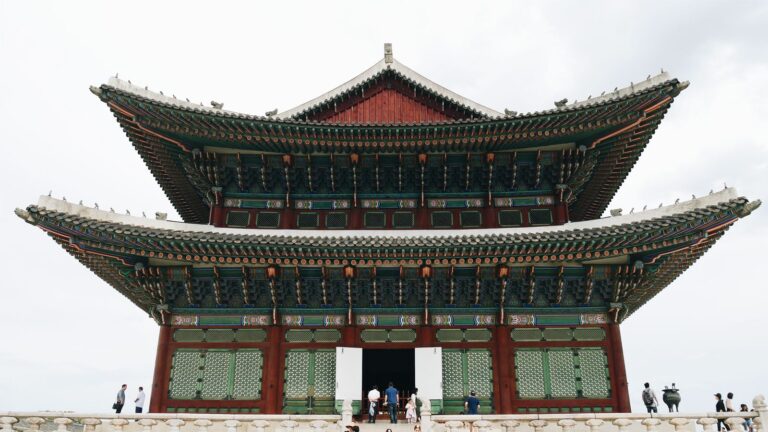
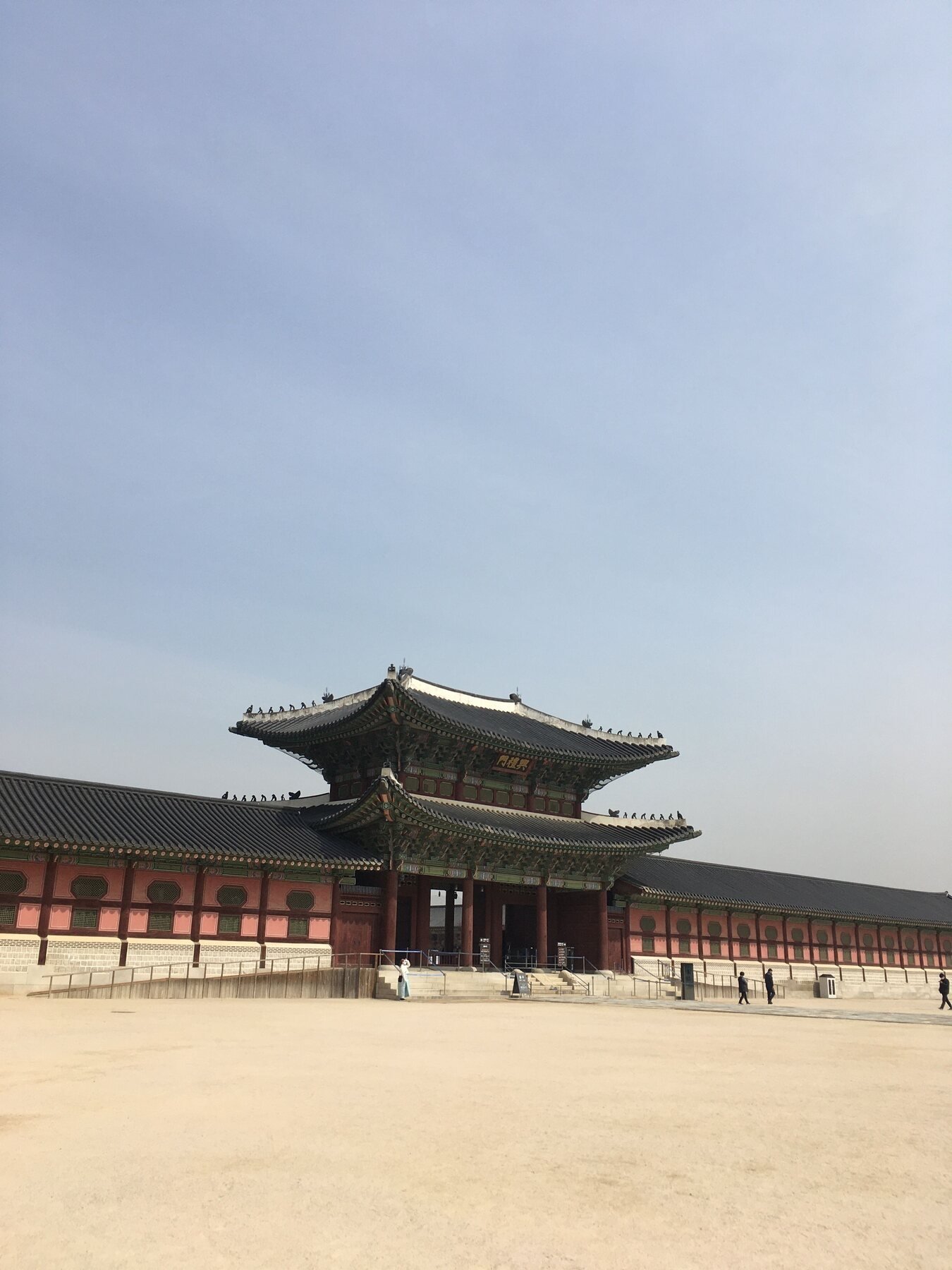
Start at Gyeongbokgung Palace and allow time for its grounds. The National Folk Museum is a logical companion when open. Palace closing days differ, so check official cultural heritage information. If Gyeongbokgung is closed, substitute Changdeokgung; its garden may require timed admission.
Walk toward Bukchon Hanok Village. These lanes are residential, so obey access signs, speak quietly and never block doorways. Descend to Insadong for crafts, tea and lunch, then choose the Seoul branch of the National Museum of Modern and Contemporary Art, a smaller gallery or Jogyesa Temple. End around nearby Ikseon-dong.
Day 3: Museums, Markets and the Han River
Begin at the National Museum of Korea in Yongsan, selecting galleries rather than attempting every room. Add the nearby Hangul Museum if language and design are priorities. Lunch locally or visit Gwangjang Market for mung-bean pancakes, noodles and mayak gimbap. At busy stalls, ask before sitting and leave promptly after eating.
Choose Dongdaemun Design Plaza for architecture and shopping, or the Han River at Yeouido for a slower afternoon. In cold, wet or hot weather, substitute a museum or food hall. Exposed river parks can feel colder and windier than central streets.
Day 4: Seoul by Interest
Use the final Seoul day for one interest. Contemporary culture fits around Hongdae, Yeonnam and Mangwon Market. Modern history can center on Seodaemun Prison History Hall. Hikers can choose a maintained Bukhansan route with suitable footwear and a weather check; families may prefer Seoul Forest and a hands-on museum.
Reserve the evening for dinner. Barbecue is easiest with two or more diners; solo travellers can choose noodles, rice bowls or gukbap. Vegetarians and travellers with allergies should carry a Korean-language explanation because broths, sauces and kimchi may contain meat or seafood.
Day 5: KTX to Gyeongju and the Historic Centre
Take a morning KTX from Seoul to Singyeongju, outside central Gyeongju. Reserve ahead for weekends or national holidays and verify both stations. Continue by local bus or taxi. Intercity buses help from places without direct rail, but traffic makes timing less predictable.
After leaving luggage, connect Daereungwon Tomb Complex, Hwangnidan-gil and Cheomseongdae on foot. Continue to Donggung Palace and Wolji Pond, ideally near dusk. Archaeological spaces have limited shade: carry water in summer and finish before temperatures fall in winter.
Day 6: Bulguksa, Seokguram and Gyeongju Heritage
Dedicate the morning to Bulguksa Temple. Continue to Seokguram Grotto if mobility, weather and transport align; its uphill setting needs time. Public buses work, but waiting lengthens the outing. A taxi or organized tour may suit groups.
Back in town, choose the Gyeongju National Museum for Silla context or cycle level sections of the heritage district. Do not climb burial mounds, touch stonework or fly drones where prohibited. For dinner, try ssambap or a local bakery specialty, checking ingredients when needed.
Day 7: Transfer to Busan and Explore Nampo
Travel to Busan by intercity bus or train. Choose according to hotel location: buses suit some terminals, while rail connects through Busan Station. Check official platforms because departure points can change, and avoid a timed attraction immediately after arrival.
Base the afternoon around Nampo: visit Jagalchi Market, BIFF Square and perhaps Yongdusan Park. Ask before photographing vendors and confirm seafood prices before ordering. Finish at the public waterfront or with an early meal nearby.
Day 8: Gamcheon, Yeongdo and Busan Culture
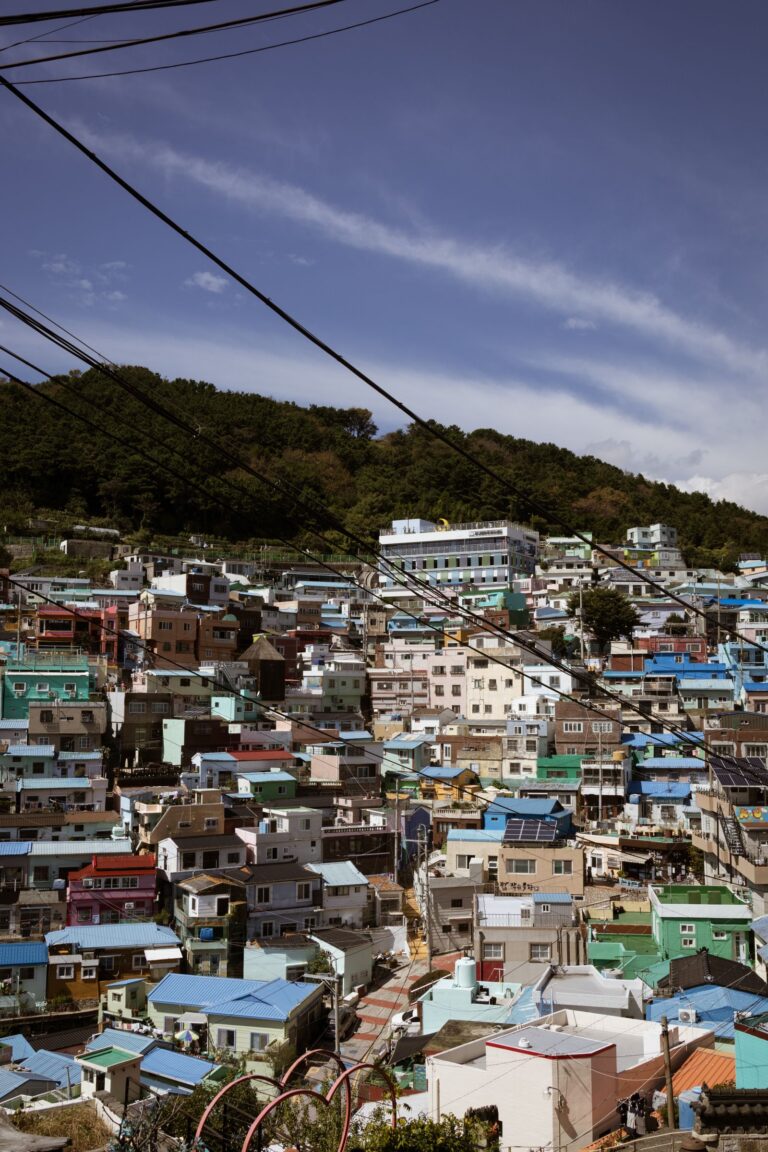
Go early to Gamcheon Culture Village by bus or taxi. Follow visitor routes, avoid private stairs and support local shops. It is a living neighborhood, not a film set. Two or three hours covers the viewpoints and galleries.
Pair Gamcheon with a museum or Yeongdo, allowing extra bus or taxi time. Weather can make cliff paths slippery, so keep an indoor backup. Return to Nampo for dinner, or choose Seomyeon for more restaurants.
Day 9: Haeundae and the Eastern Coast
Start eastern Busan at Haedong Yonggungsa before peak crowds. The temple has many steps and active worship areas, so dress respectfully and yield during ceremonies. Continue to Haeundae for lunch and a beach walk. Add either Dongbaekseom or a reserved coastal attraction.
Sea fog, wind and summer rain can alter plans. Confirm operations and respect closed rocks or barriers. In poor conditions, choose the Busan Museum of Art, an aquarium or a spa with clear visitor rules. Eat around Haeundae.
Day 10: Busan Departure or Return to Seoul
Before an afternoon Busan flight, stay near the hotel for breakfast or a short walk. Allow generous airport time and check terminal guidance. Travellers returning through Seoul should take KTX north and sleep near the airport before an early international flight.
If day 10 is fully available, add Taejongdae for coastal scenery, Beomeosa for a quieter temple visit or a half-day food tour. Select one. Busan’s distances are routinely underestimated, and combining far-western and far-eastern sights creates hours in transit.
Transport, Connectivity and Booking
A reloadable transit card simplifies subways and buses; check current top-up, payment and refund rules. Keep cash because methods vary. Navigation apps with strong Korean mapping data often provide better local routing.
For data, compare eSIMs, physical SIMs and portable Wi-Fi for compatibility and limits. Save Korean place names offline. Consult official operators for current KTX inventory, opening days, reservation windows and maintenance notices.
Budget and Seasonal Pacing
Build the budget in five columns: accommodation, intercity transport, local transport, food and admissions. Hotels usually create the largest swing, followed by fast rail and premium activities. Set a daily food allowance with room for one notable meal, then add a contingency for taxis, luggage storage and weather-driven changes. Compare total accommodation prices, including taxes and cancellation terms, rather than headline rates.
Spring and autumn often suit long walks but can be busy. Summer brings heat, humidity and heavy rain; schedule outdoor heritage sites early and use museums at midday. Winter is dry and cold, with short daylight and icy patches possible. During any season, air quality, storms or extreme temperatures may require changes. Check official forecasts and alerts daily, carry layers and keep one indoor alternative for each city.
Frequently Asked Questions
Is 10 days enough for these three cities?
Yes. Four Seoul days, two Gyeongju days and three Busan days plus arrival or departure time create a balanced first trip. Travellers who dislike changing hotels can omit Gyeongju, but a day trip from Seoul is not efficient.
Should every intercity journey be booked?
Reserve essential KTX legs once flights and hotels are fixed, especially around weekends and public holidays. Intercity buses can remain flexible when several departures are available, but always check current inventory and terminal details through official channels.
How can the route suit different interests?
Art enthusiasts can add more Seoul museums and Busan galleries; hikers can trade shopping time for a suitable urban trail; families can shorten palace visits and prioritize interactive museums or beaches. Food-focused travellers should book a guided market or cooking experience and reduce sightseeing that day. Replace an activity rather than stacking it onto an already full route.
A Balanced Finish
The route works because each day stays within a defined area and each transfer has breathing room. Seoul supplies national history and contemporary neighborhoods, Gyeongju gives the Silla sites proper context, and Busan closes with markets, culture and coast. Confirm current official information, respect residential and sacred spaces, and leave enough flexibility for a memorable meal or a weather change.