
Getting from Singapore airport to city is straightforward, but the best choice depends on arrival time, luggage, mobility, group size, and where the hotel actually is. Changi Airport has four passenger terminals, while Jewel is the public shopping and attractions complex connected to Terminal 1—not another terminal. The MRT is usually the best-value option; buses are useful for selected routes; taxis and ride-hailing simplify door-to-door travel; and pre-booked transfers suit larger parties or assisted arrivals. Compare the practical differences below, then check current schedules, fares, payment rules, and service notices with official operators before leaving.
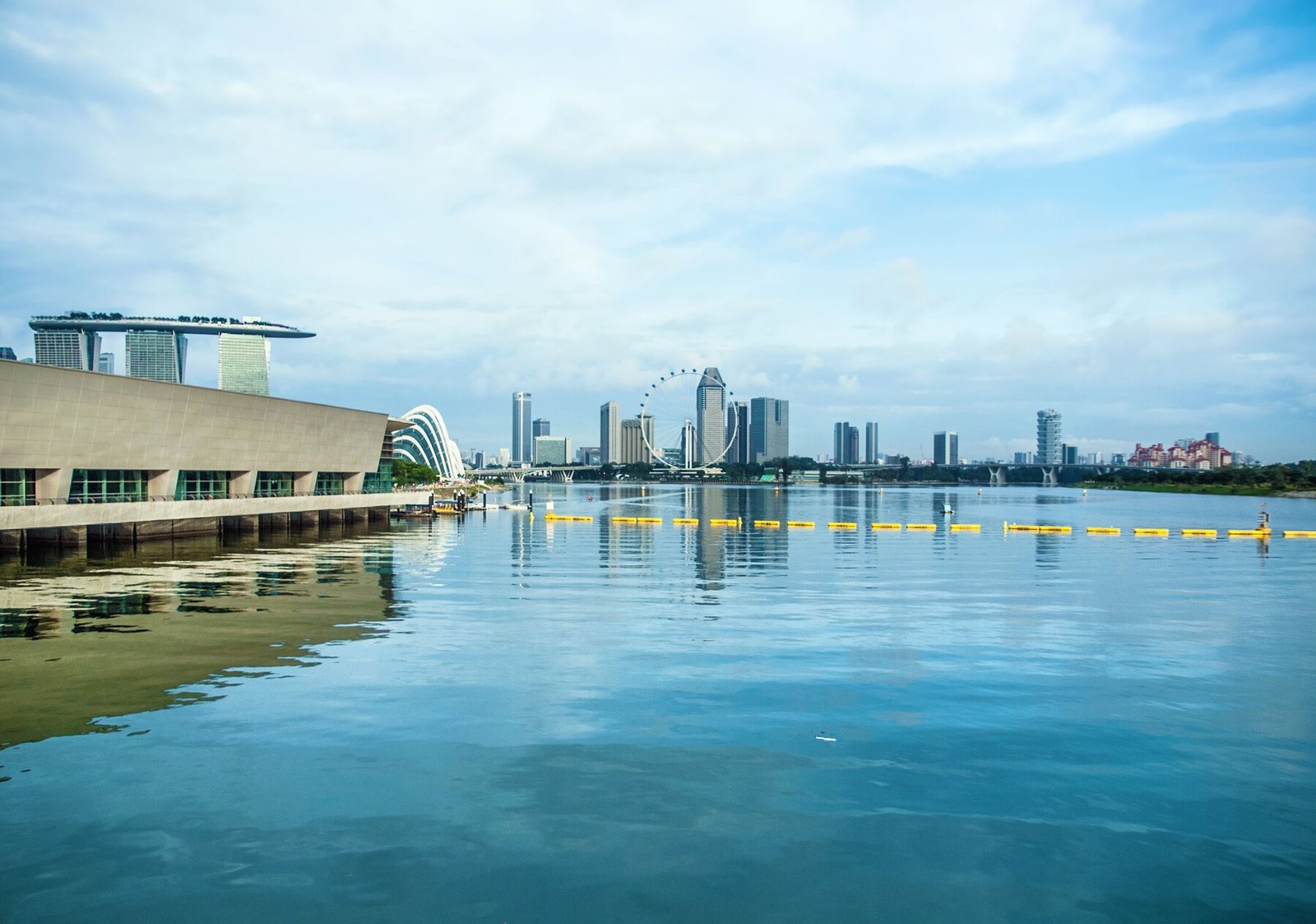
Singapore airport to city transport: which option fits your arrival?
Most central destinations are roughly a half-hour drive from Changi in light traffic, but road congestion, terminal pickup, and a hotel’s exact district can change that substantially. Rail and bus journeys often take longer because of transfers, stops, and walking at either end. “City centre” may mean Marina Bay, the Civic District, Orchard Road, Bugis, Chinatown, Clarke Quay, or a hotel farther west, so compare the complete door-to-door trip rather than the time spent aboard.
| Option | Best for | Main trade-off | Typical planning time |
|---|---|---|---|
| MRT | Solo travelers, light luggage, value | Transfer required; limited overnight service | About 45–70 minutes door to door |
| Public bus | Budget trips near a direct route | Many stops and awkward with large bags | About 60–90 minutes |
| Taxi | Families, luggage, late arrivals | Metered fare plus possible surcharges | About 25–45 minutes in normal traffic |
| Ride-hailing | App users wanting an upfront quote | Demand pricing and designated pickup points | About 25–50 minutes including pickup |
| Private transfer | Groups, child-seat requests, assisted arrivals | Usually costs more and needs advance booking | About 30–50 minutes after meeting the driver |
| Hotel shuttle | Guests whose hotel confirms a service | Uncommon and often fixed-schedule | Varies by stops and waiting time |
These are planning ranges, not promises. Immigration, baggage delivery, weather, traffic, and missed connections can extend them. Consult Changi Airport, public-transport authorities, the operator, and the hotel for current details.
MRT: usually the strongest budget choice
Changi Airport MRT station serves Terminals 2 and 3. From Terminals 1 and 4, follow current airport signs and use the terminal transfer provided for the relevant connection. Jewel links directly with Terminal 1 and by pedestrian connections to Terminals 2 and 3; do not follow signs to Jewel if the immediate goal is simply the railway.
Trips toward central Singapore normally involve changing from the airport branch to the wider network. The exact interchange and onward line depend on the destination. Use the official journey planner for the current route, last feasible connection, maintenance notices, and station accessibility. Allow extra time for lifts, long interchanges, and the walk from the destination station.
Contactless payment is convenient, but acceptance and foreign-card charges can change. Stored-value or tourist products may suit repeated travel, although a pass is not automatically economical. Check official guidance. Large suitcases are cumbersome in busy periods; keep them out of doorways.
Most stations offer step-free routes, yet the accessible path may involve a different entrance. Travelers using wheelchairs or managing young children should review lift status and the final street-level journey. Every required onward leg must still be running at arrival time.
Public bus: inexpensive, slow, and sometimes direct
Public buses depart from designated airport stops and can work well when accommodation lies near a direct route. They are less attractive for a first visit to an unfamiliar district because the ride has many stops, space for bulky luggage is limited, and the last walk may be uncomfortable in heat or rain. Boarding arrangements differ by terminal, so follow signs rather than assuming every service uses one central stop.
Pay with an accepted contactless method or the currently permitted alternative. If cash remains available, exact-fare conditions may apply. Check the official planner for diversions, stops, operating span, and payment. A bus works best when it avoids a rail transfer and stops close to the hotel.
Taxi: simplest without an app
Official taxi ranks are clearly signed at the passenger terminals. A taxi is often the most practical choice for two or more travelers with luggage, parents managing a stroller, or anyone arriving when trains no longer provide a complete journey. Fares are metered, with airport, time-based, booking, toll, or other regulated surcharges potentially applying. Ask for a receipt and use the official queue; ignore unsolicited transport offers.
A standard taxi may not fit a party plus several large cases; request a suitable vehicle. Child-restraint rules can differ between taxis and private-hire vehicles, but a legal exemption is not a safety recommendation. Families wanting a particular restraint should book it in advance.
Ride-hailing: useful pricing visibility
Ride-hailing apps provide a quoted fare before confirmation and may offer several vehicle sizes. The quote can rise with demand, and fees may change if the driver waits or the pickup point is entered incorrectly. Airport pickups occur at designated locations, not wherever a passenger exits customs. Confirm the terminal, door or pickup zone, vehicle registration, and driver identity in the app before boarding.
A working phone, data, and valid payment method are essential. Do not depend on receiving a banking code. If prices surge, compare the taxi rank. For mobility equipment, many bags, or child seats, select a category that explicitly meets the need.

Private transfers and hotel shuttles
A pre-booked transfer helps large families, business groups, passengers needing assistance, or travelers with specialist equipment. Confirm in writing the luggage capacity, child restraints, accessibility needs, meeting point, delay monitoring, waiting allowance, cancellation terms, and full price.
Hotel airport shuttles are not universal. Some properties arrange paid cars; a smaller number offer scheduled shared transport. “Airport transfer available” does not mean complimentary or on demand. Ask who operates it, which terminals it serves, whether reservation is mandatory, and how delays are handled.
Terminals, Jewel, and inter-terminal movement
Check the arrival terminal from the airline or airport on the day of travel because operational assignments can change. Terminal 1 adjoins Jewel, Terminals 2 and 3 have pedestrian access to it, and Terminal 4 is separate. Airport transfer systems operate under current hours and conditions; landside and transit-side movements are not interchangeable. After immigration and baggage claim, follow landside signs for the chosen transport.
A Jewel visit can add hours, so agree on timing carefully with a booked driver. Airside connecting passengers should follow airline instructions rather than enter Singapore merely to find Jewel.
Choosing by traveler and destination
Rail often suits Marina Bay, Bugis, Chinatown, and the Civic District. Some Orchard and riverside hotels still involve an inconvenient walk with cases. Sentosa, farther-west neighborhoods, and addresses away from stations make door-to-door transport more appealing.
A solo traveler arriving during rail hours with one manageable bag will usually find the MRT sensible. Two adults should compare the combined convenience of a taxi with individual public-transport costs. For families and groups, vehicle capacity matters more than the per-person headline fare. Travelers with reduced mobility should ask the hotel about the most accessible entrance and drop-off point, not merely the nearest station.
Late arrivals and disruption planning
Do not plan around a published last departure without margin. A delayed aircraft, immigration queue, or slow baggage belt can make it unusable. Check the complete route in an official planner after landing. If rail or bus connections are finished, use the official taxi rank, a reputable ride-hailing platform, or a confirmed transfer. Keep the hotel address available offline in English.
Heavy rain, events, and disruption can increase pickup and driving times. Rail may be faster when operating, while families may value shelter and a direct drop-off. Transfer cancellation terms remain separate from travel insurance.
Common mistakes to avoid
- Treating Jewel as Terminal 5 or as the location of every transport service.
- Checking the airport train but not the final connection toward the hotel.
- Comparing only onboard time and ignoring walking, transfers, queues, and pickup.
- Booking a standard car for four people plus four large suitcases.
- Assuming every card, mobile wallet, or cash denomination will be accepted.
- Entering the wrong terminal or pickup zone in a ride-hailing app.
- Expecting a hotel shuttle without written confirmation and a reservation.
Planning the return to Changi
Recheck the airline terminal before departure and work backward from the recommended airport arrival time. Add time for hotel checkout, traffic, a vehicle pickup, station access, transfers, and disruption. Morning and evening commuter periods can affect both roads and public transport. An early flight may require a taxi or booked car if the first rail connection does not create a comfortable buffer.
On the MRT, confirm the direction and airport-branch interchange; not every eastbound train goes to the terminals. For a vehicle, state the correct terminal and verify luggage capacity.
Frequently asked questions
What is the cheapest way into central Singapore? The MRT and public bus are generally the leading low-cost choices. The better one depends on the current fare, route, transfers, and distance from the final stop.
Is a taxi or ride-hailing car better? Compare the metered taxi structure with the app’s live quote. A taxi requires no app and has an official queue; ride-hailing offers upfront visibility but can have demand pricing and pickup delays.
Can children travel on the MRT with luggage? Yes, but adults must be able to supervise children and control bags safely. For several young children, a stroller, and large cases, a properly sized vehicle may be easier.
How should an accessible transfer be arranged? Review step-free rail routes and lift status, or pre-book a vehicle that explicitly accommodates the passenger and mobility device. Give dimensions and assistance needs in writing.
Conclusion
The MRT is the default value choice, a bus can suit a fortunate direct route, and taxis or ride-hailing provide practical door-to-door travel. Private transfers earn their premium when capacity, assistance, or certainty matters; hotel shuttles are useful only when a specific service is confirmed. Make the final decision after checking the arrival terminal, complete operating journey, current payment rules, luggage needs, and official service updates.
