
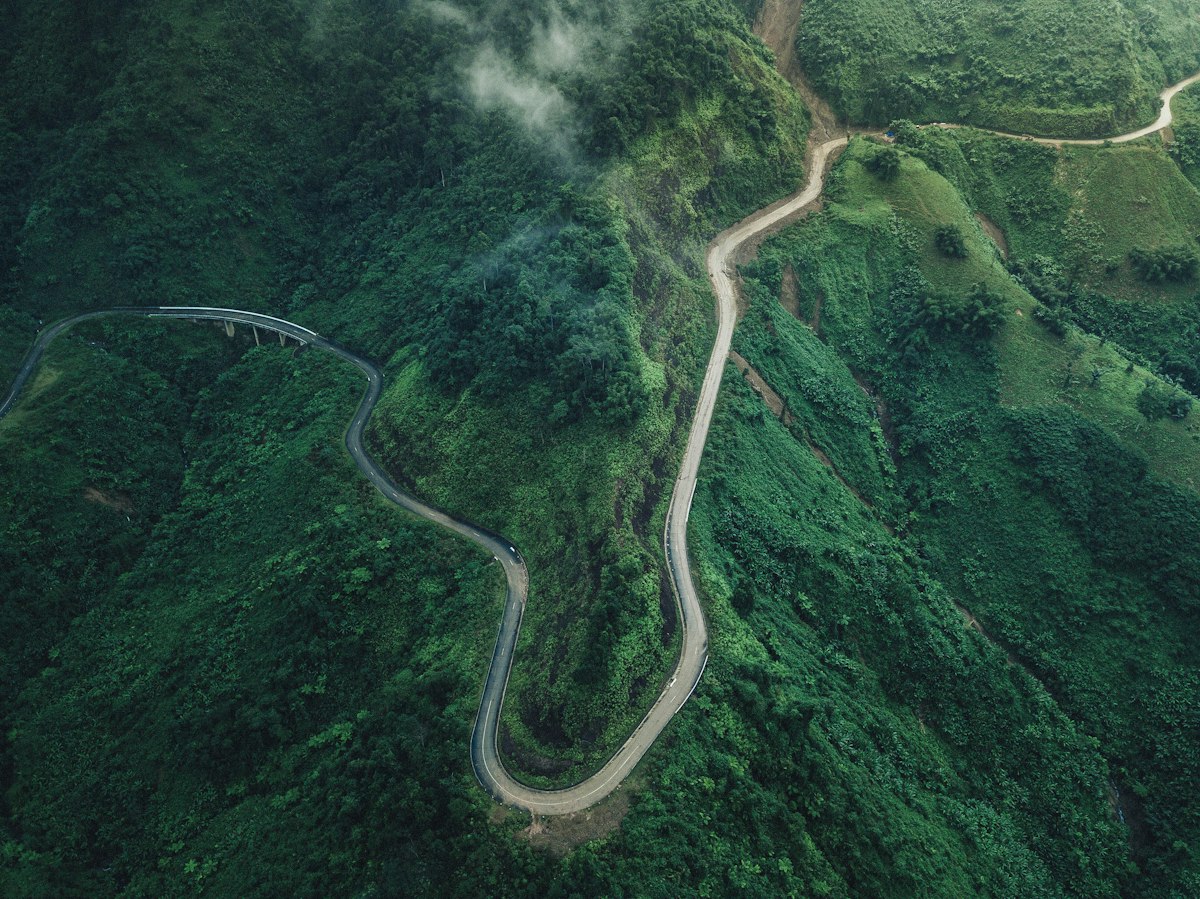
Norway without a car sounds like a significant disadvantage. The country is long and its most famous landscapes are spread across hundreds of kilometres of fjord coastline and mountain plateau. But the public transport network is one of the most scenic and well-organised in the world, and the journey between places is often as remarkable as the places themselves.
I have done both. A road trip in a hire car and a ten-day trip using nothing but trains, ferries, and local buses. The car gives you flexibility. The train and ferry give you views from inside the landscape rather than watching it from a windscreen, and frequently better ones.
The Bergen Railway: One of Europe’s Great Train Journeys
The Oslo to Bergen railway crosses the Hardangervidda plateau at 1300 metres, the highest mainline railway in northern Europe, and takes about seven hours. In winter the plateau is an Arctic moonscape of snow and frozen lakes. In summer it is tundra and wildflowers and the occasional reindeer herd moving along the treeline.
The train is comfortable, the scenery is extraordinary for most of its length, and the dining car serves reasonable food. Book a seat on the right side of the train travelling west from Oslo for the best fjord views in the final hour before Bergen. This is a journey worth doing even if Bergen is not your final destination.
The Flam Railway and the Norway in a Nutshell Route
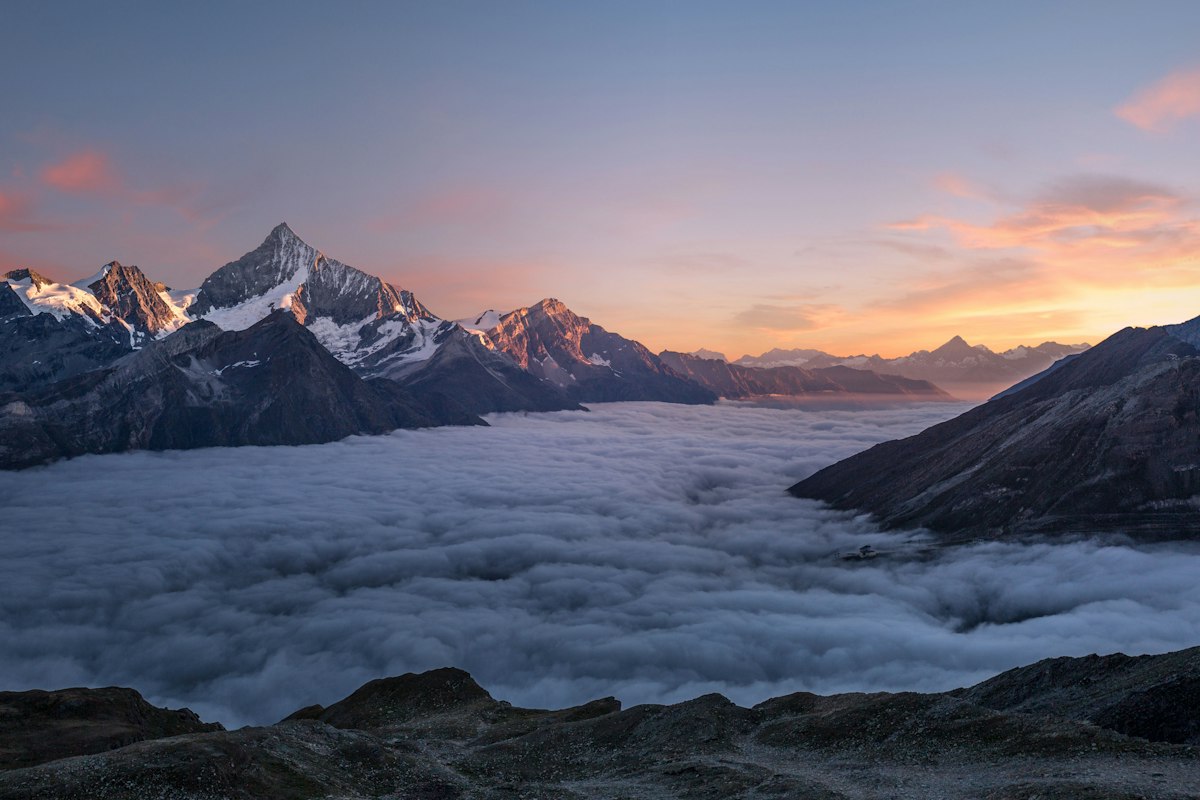
The Flam Railway descends 863 metres in 20 kilometres from the mountain plateau at Myrdal down to the fjord at Flam. It is the steepest standard-gauge railway in the world and the engineering is genuinely astonishing: tunnels that spiral inside mountains to lose altitude, waterfalls that appear at window level, and a gradient that requires special braking systems to control the descent.
The Norway in a Nutshell package combines the Bergen Railway, the Flam Railway, a ferry through Naeroyfjord, and a bus over the mountains. It is a heavily marketed tourist product and it is popular because it genuinely works. Do it independently rather than as a packaged tour to save money and gain flexibility on timing.
Ferries: The Other Way to See Norway
The Hurtigruten coastal ferry runs from Bergen to Kirkenes above the Arctic Circle and stops at thirty-four ports along the way. It is a working postal ship that happens to pass through some of the most dramatic coastline in Europe. Taking a section of it, say Bergen to Alesund or Trondheim to Tromso, gives you a perspective on the country that no other transport provides.
Smaller car ferries connect the fjord communities that roads do not reach directly. These are not tourist attractions but part of the everyday transport infrastructure, and the crossings are often short and cheap and offer the best views of the fjord walls that you will find from sea level.
Practical Tips for Car-Free Norway
The Ruter and Entur apps cover most of the Norwegian public transport network and allow combined journey planning across trains, ferries, and buses. Book train seats in advance for the Bergen and Dovre railways, especially in July and August when they fill completely. Ferry crossings on the fjord routes rarely need booking.
Bergen is the best base for car-free fjord travel. From here the entire Sognefjord and Hardangerfjord system is accessible by ferry and local bus. Tromso in the north is similarly well-connected for the northern lights region. Oslo to Bergen by train, Bergen to Flam by train and ferry, Flam back to Bergen by ferry: that circuit alone is worth a week in Norway.
Route, budget and verification notes
Last editorial review: 1 August 2026. Recheck time-sensitive details shortly before travel.
Build the route
- The Bergen Railway: One of Europe's Great Train Journeys
- The Flam Railway and the Norway in a Nutshell Route
- Ferries: The Other Way to See Norway
- Practical Tips for Car-Free Norway
Use these sections as planning anchors rather than a fixed schedule. Confirm door-to-door transfer times, opening days and reservation requirements, then add recovery time after long journeys.
Budget before booking
Price the trip in four separate groups: accommodation, transport, food and paid activities. Add local transfers, baggage fees, taxes, insurance and a contingency amount. Exact prices vary by season and booking date, so this guide does not invent a single daily figure that may already be outdated.
Sources to verify
- Visit Norway for official or primary travel information.
- IATA Travel Centre for passport, visa and health-document checks.
