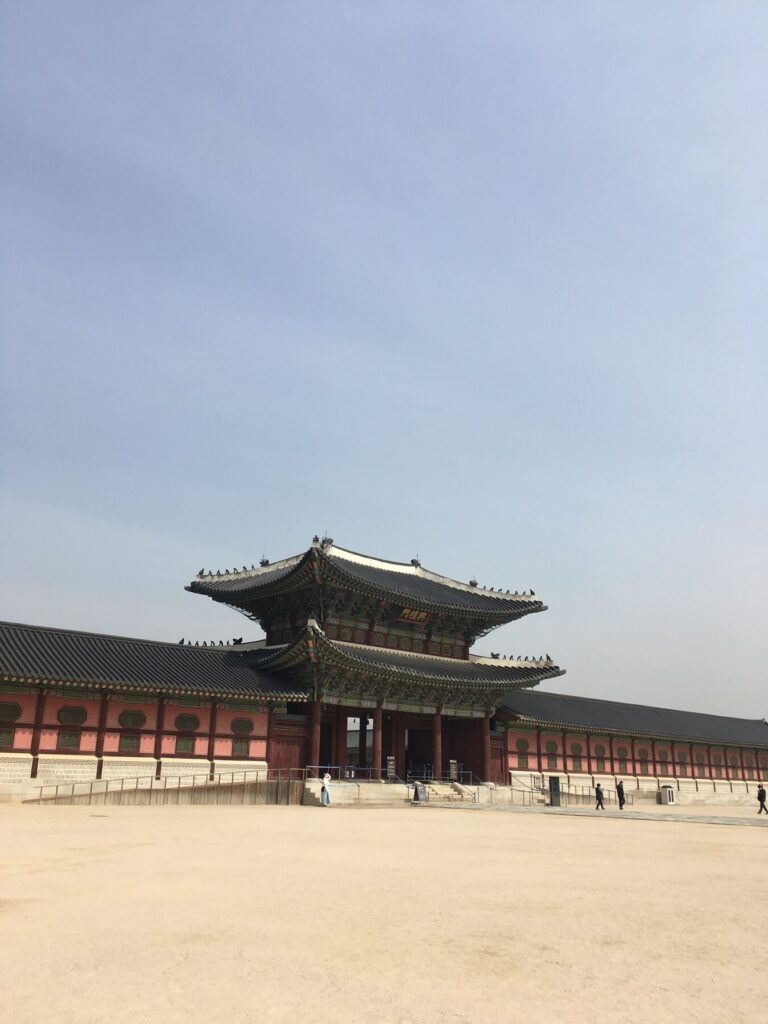

The cebu vs palawan choice comes down to range versus concentration. Cebu suits travellers who want reefs, waterfalls, heritage, city life, and strong transport links in one trip. Palawan is the better fit when limestone cliffs, lagoons, boat days, and a quieter evening rhythm matter most. Neither name describes a single resort: Cebu is both an island and a province that works as a base for several distinct areas, while Palawan is a long, large province whose best-known gateways include El Nido, Coron, and Puerto Princesa. Comparing actual bases—not just province names—leads to a much better itinerary.

Cebu vs Palawan at a glance
Cebu offers the broader mix. Cebu City and Mactan form a major transport hub; Moalboal is associated with diving; the south has waterfalls and canyoneering; Malapascua appeals to serious divers; and Bantayan is a slower beach detour. These places are spread across the province, so a “Cebu trip” still requires choices and transfer time.
Palawan’s signature experience is more focused: limestone karst, coves, reefs, lakes, and islands reached by boat. El Nido has lagoon routes and a developed visitor scene. Coron combines wreck diving, lakes, and island excursions, while Puerto Princesa is a practical gateway. They are not interchangeable neighbourhoods, and travelling between them can consume much of a day.
| Priority | Choose Cebu | Choose Palawan |
|---|---|---|
| Scenery | Varied coast, hills, reefs, and falls | Limestone cliffs, lagoons, and island panoramas |
| Water activities | Accessible diving, reef life, canyoneering | Boat-based snorkelling, wrecks, lakes |
| Culture and evenings | Heritage, city dining, wider nightlife | Small tourism towns and relaxed evenings |
| Logistics | Stronger hub with many onward links | More transfer-dependent; plan buffers |
| Best overall fit | Active travellers who value variety | Scenery-led travellers who enjoy boats |
Scenery and beaches
Palawan has the stronger case for dramatic seascapes. Around El Nido and Coron, sheer rock formations frame green-blue water, and the journey between stops is part of the appeal. Many celebrated beaches are reached on organised or private boat trips, however. A stay in town does not necessarily put a broad swimming beach outside the hotel, and weather can alter the day’s route.
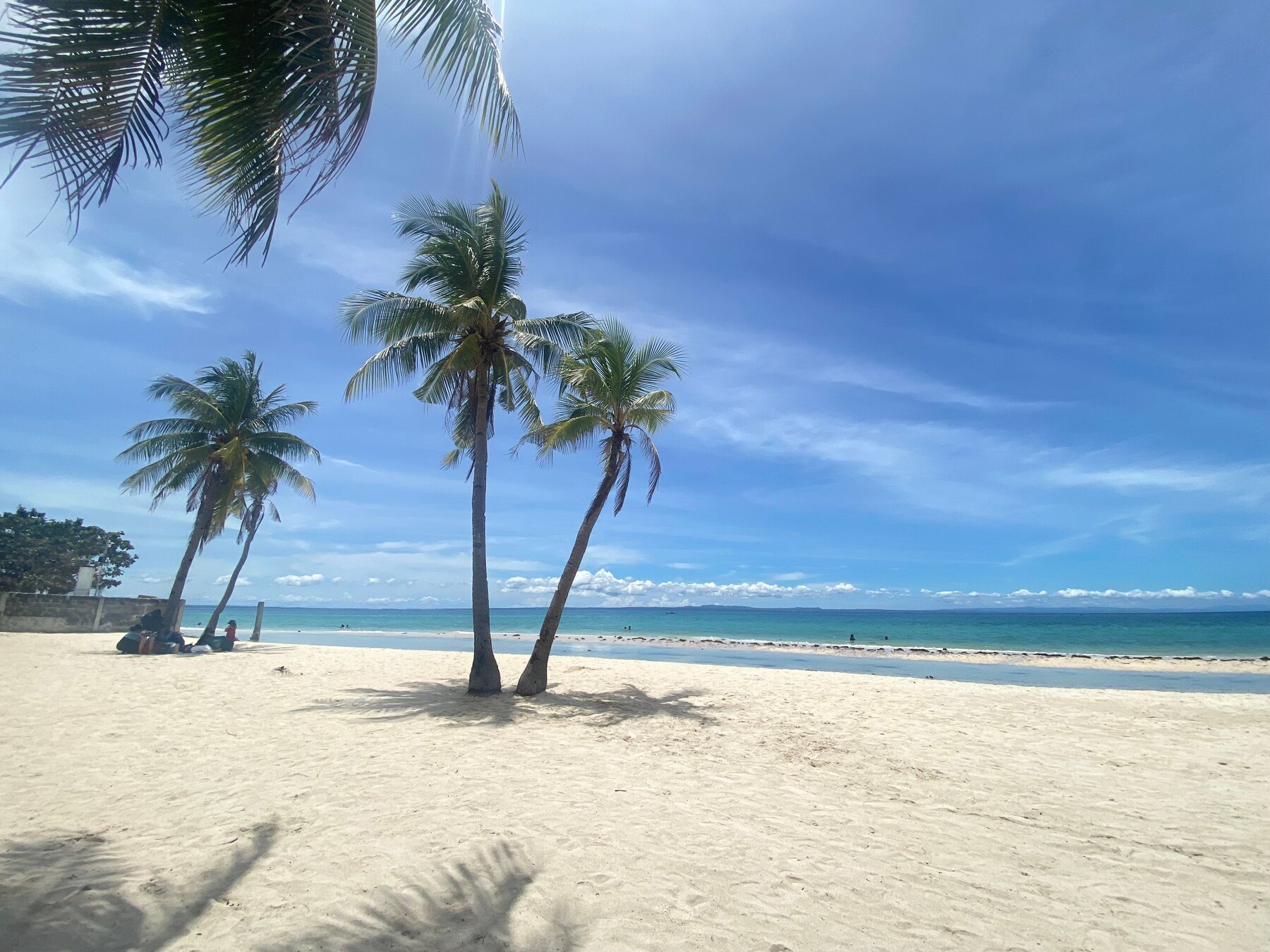
Cebu’s landscapes are less uniform but more varied. Southern road trips pass mountains, coastal villages, and cascades, while northern islands offer gentler beach days. Mactan has convenient resorts, though its shoreline is often managed rather than expansive. Bantayan is the better Cebu option for sand and a slower pace. Choose Palawan for cinematic boat scenery; choose Cebu if beach time is one element in a mixed trip.
Snorkelling and diving
Both reward underwater travellers. Moalboal gives Cebu an advantage for convenient shore-access marine life, alongside dive sites suitable for different experience levels. Malapascua is a specialist diving destination that justifies several nights. Palawan offers rewarding reef stops around El Nido and renowned wreck diving around Coron. Some Coron sites require appropriate certification and experience, so operators should match dives to ability rather than reputation.
Palawan’s boat tours package scenery and snorkelling neatly, but conditions and crowding differ. In either province, use licensed operators, avoid touching coral or wildlife, and leave adequate surface intervals before flying. Non-swimmers should ask about life jackets and entry methods.
Waterfalls and land adventure
Cebu wins for a trip that mixes sea days with physical land activities. Southern Cebu has waterfall circuits and guided canyoneering, often involving slippery paths, swimming, climbing, or jumps. Select a reputable operator, wear proper footwear and protective equipment, and be candid about swimming confidence. Skip any feature that feels unsafe; a good guide will offer alternatives.
Palawan’s adventures are predominantly coastal: kayaking, lagoon swimming, island walks, and longer boat expeditions. Puerto Princesa and inland areas add caves, forests, and wildlife-focused trips, but most first-time itineraries centre on the sea. Palawan therefore feels more specialised, while Cebu makes it easier to change the activity style from one day to the next.
Culture, cities, nightlife, and food
Cebu is the clear choice for urban culture. Cebu City has historic churches, forts, museums, markets, and a food scene extending well beyond resort menus. It also offers the larger nightlife range, from casual bars to clubs and live music. Traffic is the trade-off, and staying near the sights or restaurants you value can save hours.
El Nido and Coron have busy restaurant and bar areas, but their scale is smaller and tourism-led. Evenings tend to follow early boat departures: dinner, a drink, then rest. Palawan suits couples and social travellers who want pleasant nights without making nightlife the trip’s centre. Cebu better serves travellers interested in regional dishes, city history, and late options alongside island activities.
Access, transfers, and weather disruption
Cebu’s major airport and ferry network make it a useful Philippine hub. The catch is ground travel: reaching Moalboal, the south, Bantayan, or Malapascua can take a substantial part of a day, especially with traffic and port connections. Avoid treating distant coastal bases as easy day trips from Cebu City.
Palawan arrivals vary by base. El Nido and Busuanga, the gateway for Coron, have air connections, while Puerto Princesa may involve a long onward road transfer for El Nido. Ferries can link some destinations, but schedules and sea conditions change. Do not put a weather-sensitive boat or separate domestic ticket immediately before an international flight.
Tropical rain can occur in any month, while rough seas or storms may cancel transport and tours. Regional patterns differ, and a seasonal label cannot guarantee calm conditions. Keep one flexible day, consult official weather and coastguard notices, and insure planned activities.
Trip length and budget style
With four or five nights, choose one defined base: Moalboal, El Nido, or Coron rather than an entire province. Six or seven nights can support Cebu City plus one coast, or one Palawan base with generous weather flexibility. Eight to ten nights allows two Cebu areas or El Nido and Coron, provided the connecting day is treated as travel.
Budget depends more on route and comfort than the province name. Cebu generally offers more public-transport choices, local dining, and accommodation across many categories. Palawan can cost more when the plan relies on flights, boat tours, private transfers, or remote stays. Save by choosing fewer bases, comparing what tours include, carrying a cash buffer where card access is limited, and avoiding tight connections that invite costly last-minute changes. Do not choose a remote bargain room before checking the cost and time required to reach it.
Families, couples, and solo travellers
Families often find Cebu easier because Mactan resorts and the city hub reduce logistical friction, though long road days and adventurous waterfalls need planning. Palawan works for water-confident families comfortable with boats, but small children may find repeated wet transfers tiring.
Couples commonly prefer Palawan for scenery and slower evenings; Cebu suits those wanting active days and ambitious dining. Solo travellers can meet people through dive shops, hostels, and group excursions in both places. Cebu provides more urban independence; Palawan’s shared tours make socialising easy.
Two sample itineraries
Seven days in Cebu: spend one or two nights in Cebu City for heritage and food, then transfer to Moalboal for four nights of diving or snorkelling, a waterfall or canyoneering day, and recovery time. Stay near the airport if departure is early. Beach-focused travellers could choose Bantayan instead, but should not squeeze both into one week.
Seven days in Palawan: choose El Nido for lagoon scenery or Coron for wrecks and lakes, then stay five or six nights in that area. Alternate boat days with a beach, diving, or rest day, leaving room for weather changes. Adding Puerto Princesa, El Nido, and Coron in one week creates too much transit.
Should you combine Cebu and Palawan?
Yes, if the trip has at least 11 or 12 nights and a logical flight connects the chosen bases on the required dates. A balanced plan might pair four nights around Moalboal with five nights in El Nido or Coron, plus gateway and buffer nights. This combination contrasts Cebu’s waterfalls and accessible reefs with Palawan’s limestone boat scenery.
For a shorter holiday, the extra airport transfer weakens the trip. Stay within Cebu, or select one Palawan base. Always verify current routes before reserving hotels, because direct services can be seasonal or rescheduled. Build the itinerary around confirmed transport rather than assuming two famous provinces connect conveniently.
Responsible travel
Choose licensed guides who limit wildlife disturbance, use moorings, and explain protected-area rules. Never stand on coral, feed animals, collect shells, or leave waste. Refill water where safe, avoid unnecessary plastic, and respect boundaries around homes, sacred places, and fishing grounds. Follow closures and capacity controls. Spending with locally owned businesses keeps more benefit in communities managing visitor pressure.
Frequently asked questions
Is Cebu or Palawan better for a first visit to the Philippines?
Cebu is easier for variety, city culture, and onward connections. Palawan is better when the main goal is limestone scenery and boat-based days. First-time status matters less than matching the place to preferred activities and available nights.
Which has better beaches?
Palawan has more dramatic island beaches, often reached by tour boat. Cebu has good beach options, especially on northern islands, but its main strength is combining coast, reefs, waterfalls, and culture rather than delivering one consistent beach experience.
Can non-divers enjoy both?
Yes. Cebu offers heritage, food, falls, beaches, and snorkelling; Palawan offers lagoons, viewpoints, beaches, and boat scenery. Check the physical demands and swimming requirements of each excursion before booking.
Official checks and editorial note
Last fact-check: 3 August 2026. This is a research-led planning guide, not a fabricated first-hand travel diary. Flight and ferry schedules, environmental fees, entry rules and weather conditions can change.
- Official Philippine eTravel system
- Philippine Department of Tourism
- Palawan provincial tourism information