
The best things to do in Singapore for a first visit are not simply the attractions with the biggest signs. The city rewards a balanced plan: one major waterfront, several distinct neighbourhoods, a serious meal or two, and enough indoor time to handle tropical heat and rain. Marina Bay and Gardens by the Bay deserve their prominence, but the Civic District, Chinatown, Little India and Kampong Gelam explain far more about how Singapore developed. Use the MRT, group nearby sights and resist filling every hour. A thoughtful first trip can feel varied without becoming a race across the island.
Best Things to Do in Singapore: First-Visit Priorities
Start by choosing experiences from four categories: the bay, a heritage district, food and either culture or nature. That mix works better than collecting observation decks and ticketed attractions. Marina Bay is the visual introduction; a neighbourhood walk adds social history; a hawker centre makes food part of the itinerary; and a museum or garden provides depth as well as weather cover.
See Marina Bay and Gardens by the Bay
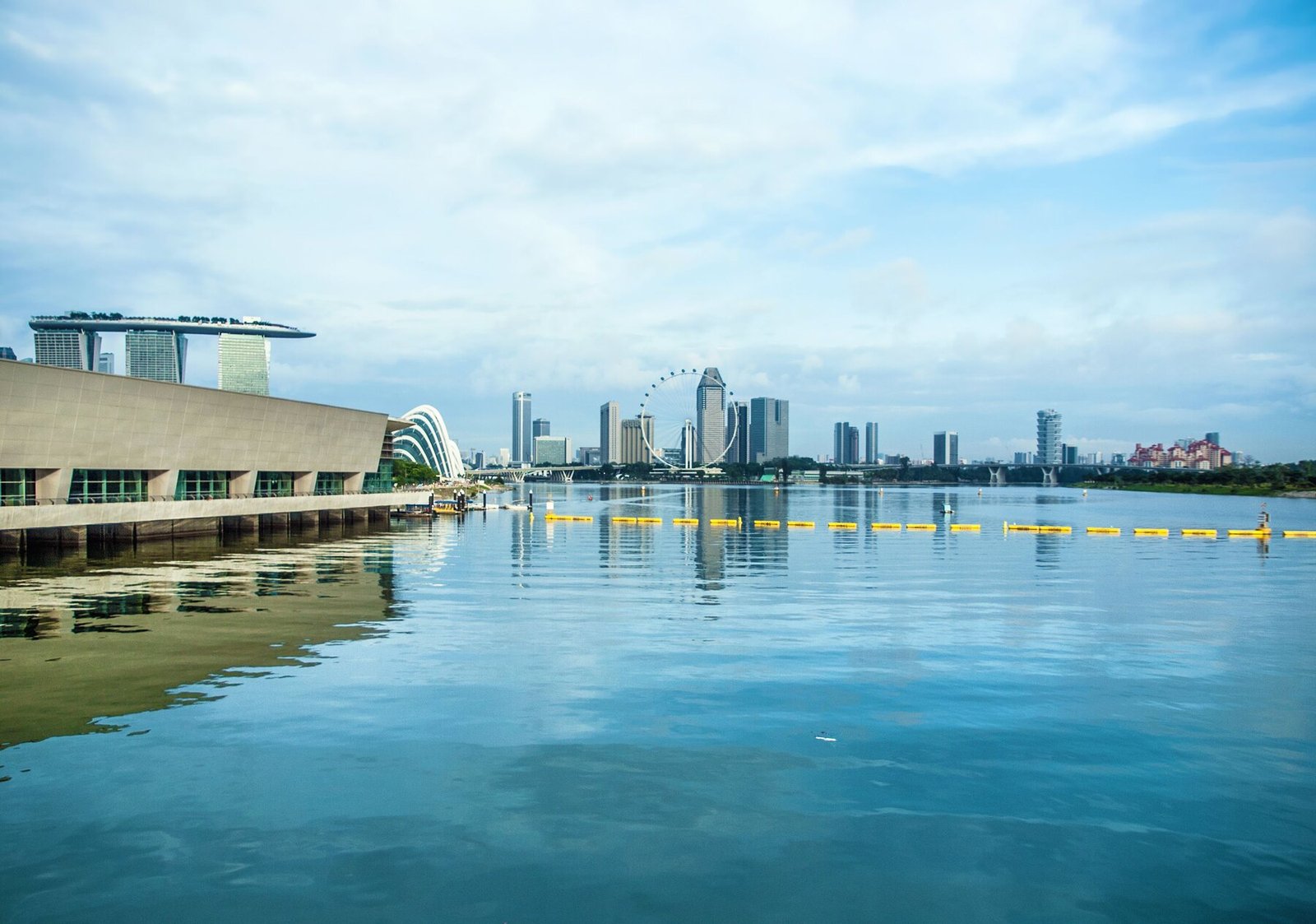
Walk the bay promenade for the clearest introduction to contemporary Singapore. A useful route begins near Merlion Park, passes the Esplanade and crosses the Helix Bridge toward Marina Bay Sands. The public waterfront costs nothing and is particularly appealing near sunset, when the heat eases and the skyline begins to light up. Observation decks and cruises can add a higher viewpoint, but neither is necessary to appreciate the setting.
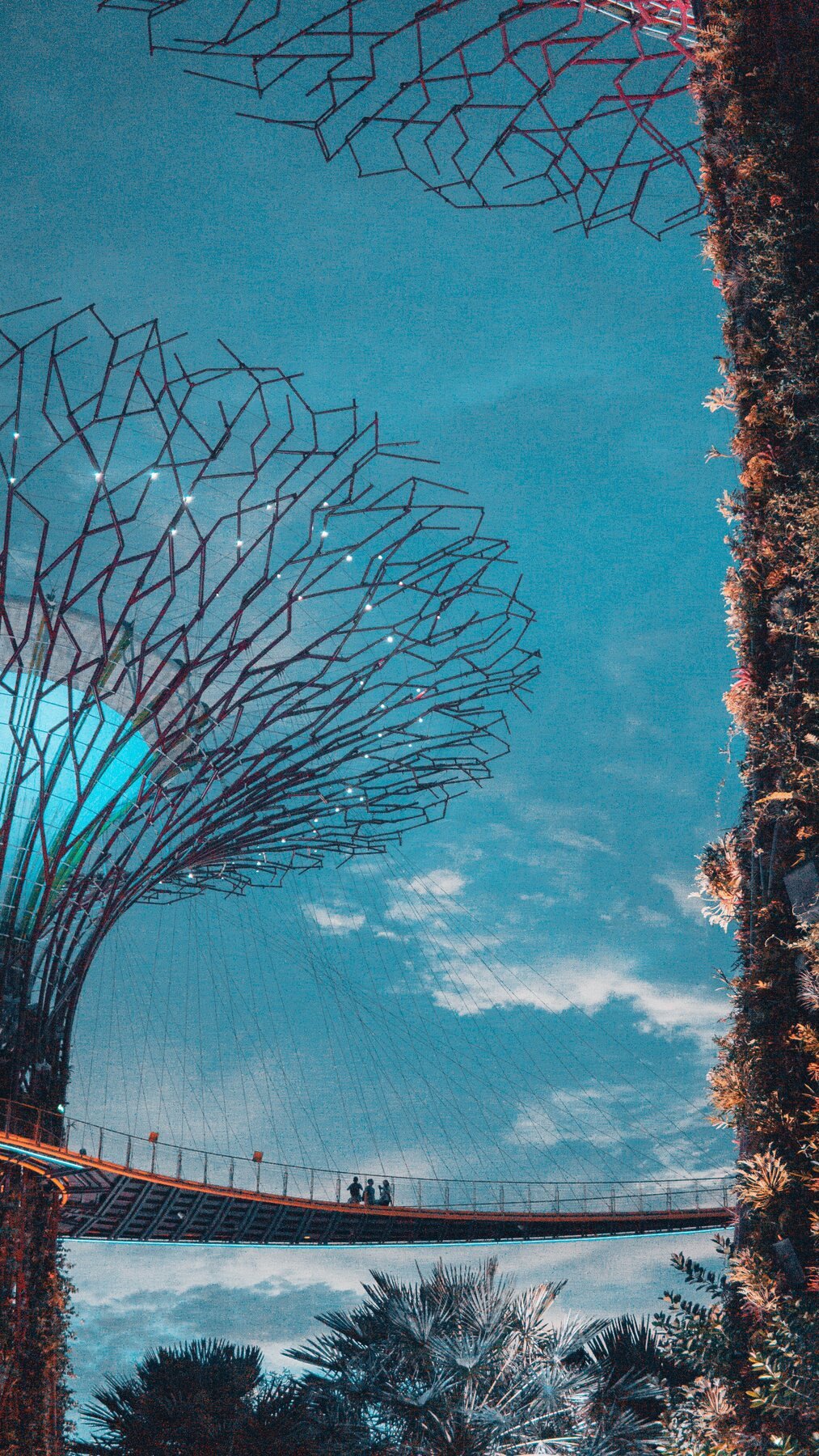
Continue to Gardens by the Bay. Its outdoor landscapes and Supertree area can form a satisfying visit, while the cooled conservatories suit plant enthusiasts, families and anyone needing relief from midday weather. Ticket combinations, maintenance closures and evening programmes can change, so check the official site before choosing a dated entry. Allow more time than photographs suggest: the garden is broad, and moving between entrances, conservatories and transport takes time.
Walk Through the Civic District
The Civic District gives the skyline historical context. From City Hall MRT, walk past St Andrew’s Cathedral and the Padang toward the former government buildings now occupied by National Gallery Singapore. Continue to the Singapore River and Asian Civilisations Museum. Plaques and monuments help, but one museum visit will explain more than a hurried circuit of façades.
Explore Chinatown, Little India and Kampong Gelam
Chinatown combines shophouses, food streets and several active places of worship. A compact walk can connect Telok Ayer, Sri Mariamman Temple and the Buddha Tooth Relic Temple area. Look beyond decorative façades: the district’s temples, clan associations and conserved streets reflect migration, commerce and changing urban policy. A heritage centre or well-researched guided walk can provide useful context.
Little India feels denser and more sensory, with textile shops, gold merchants, produce stalls and restaurants around Serangoon Road. Tekka Centre is a practical starting point for food and market activity. Kampong Gelam, reached from Bugis, centres on Sultan Mosque and streets shaped by Malay, Arab and wider Muslim trading communities. Haji Lane is popular for small shops and murals, but the surrounding blocks merit equal attention.
Trying to cover all three districts in one afternoon reduces them to photographs. Pair Chinatown with the Civic District, then give Little India and Kampong Gelam a separate half-day. At religious sites, follow posted clothing rules, remove shoes where required, lower voices and never photograph worshippers closely without permission. Access can pause during services.
Eat at Hawker Centres
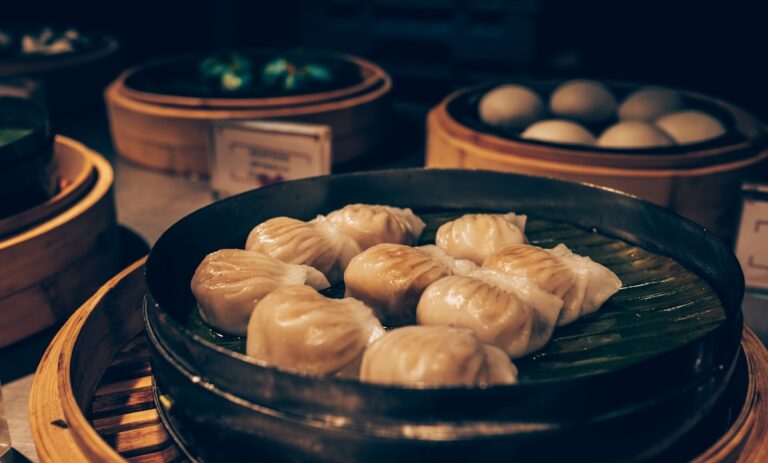
Hawker centres are essential because they bring many regional cooking traditions into one shared space. Maxwell Food Centre works well with Chinatown, Tekka Centre fits Little India, and Lau Pa Sat is convenient near the business district. Old Airport Road and Tiong Bahru Market broaden the choice if food is a main interest. Famous stalls often have long queues; a good meal rarely requires waiting at the line everyone has seen online.
Browse first, order directly from each stall and note whether payment is cashless or cash only. Carry a modest amount of cash as backup. At busy tables, a tissue packet or small item may indicate that a seat is taken, so do not move it. Return trays and crockery to the designated station, separating them when signs request it. Ask stallholders about ingredients rather than assuming a dish meets allergy, vegetarian, halal or other dietary needs.
Choose Museums or Green Space
Beyond the Civic District museums, the ArtScience Museum offers changing exhibitions near Marina Bay, while the National Museum of Singapore is a strong choice for national history. Exhibition quality, entry arrangements and gallery closures vary, so choose according to the current programme rather than the building alone.
For greenery, Singapore Botanic Gardens is the easiest major option. It has free public grounds, MRT access and a mix of formal landscapes and shaded paths; the National Orchid Garden is separately ticketed. Begin early, because distances are substantial. The Southern Ridges offers a more active alternative through parks and elevated walkways. It is less convenient in heavy rain, and some sections involve slopes or stairs, so check route conditions and select an entry point suitable for the group.
Decide Whether Sentosa Fits
Sentosa suits travellers who specifically want beaches, a theme park, family attractions or a resort day. It can be enjoyable, but it consumes most of a day and is not required for understanding Singapore. Select one anchor activity, then add nearby beach or coastal time if energy allows. Stacking multiple ticketed venues increases cost and leaves little room for delays.
Reach the island through HarbourFront and use the currently operating connection that best suits walking ability and luggage. Confirm attraction hours, reservation rules, maintenance notices and weather policies directly. First-time visitors with only one or two days will usually gain more from the central districts; families or travellers staying longer may value Sentosa more highly.
Plan a River or Evening Experience
The Singapore River gives evenings a gentler rhythm. Walk from Boat Quay toward Clarke Quay or Robertson Quay, choosing only as much of the route as feels comfortable. A river cruise offers seated sightseeing and a different angle on the centre, while the promenade provides flexibility at no charge. Dining beside the water is convenient but often costs more than eating a few streets away.
Getting Around, Costs and Booking
The MRT handles most visitor journeys efficiently, with buses covering useful gaps. Use an accepted contactless payment method or the current visitor transport option, and consult the official journey planner for fares, last services and disruptions. Walks at each end can be longer than they appear, so choose the correct station exit. Taxis and approved ride services are useful during downpours or when mobility is limited, although congestion can remove the time advantage.
Hawker meals, public parks and neighbourhood walks keep daily spending moderate. Hotels, drinks and major attractions raise the budget fastest. Compare total accommodation costs, including taxes and service charges, and reserve refundable terms when plans are uncertain. Book must-do dated attractions before travel, particularly for weekends, school holidays and major events. Leave free activities flexible and recheck official operating information shortly before the visit; hours, entry processes and closures change.
Heat, Rain, Accessibility and Pacing
Schedule exposed walks early in the morning or from late afternoon. Put lunch, a museum or a hotel break into the hottest part of the day. Carry water, sun protection and a light rain layer. Tropical showers can be brief, but lightning makes waterfronts and elevated paths poor places to wait out a storm.
MRT stations and large attractions generally provide lifts and step-free routes, yet the accessible path may be much longer than the direct staircase. Older shophouse districts can have narrow passages, kerbs and uneven transitions. Travellers using wheelchairs, scooters or other mobility aids should confirm entrances, lift status, toilet access and loan equipment with each venue. A short taxi transfer can preserve energy without replacing the whole public-transport plan.
Queue in order, stand aside for passengers leaving trains and keep food and drinks off public transport. Observe smoking restrictions and dispose of litter correctly. In busy areas, keep walkways clear rather than stopping a group in the middle of a covered passage.
What to Prioritise in One, Two or Three Days
One day
Combine the Civic District with Marina Bay, then visit Gardens by the Bay in late afternoon. Eat at a nearby hawker centre and stay for an evening waterfront walk. Choose one museum or conservatory, not both.
Two days
Keep the first-day route, then devote day two to Chinatown plus either Little India and Kampong Gelam or the Botanic Gardens. The neighbourhood pairing offers more culture and food; the garden creates a calmer pace.
Three days
Add a substantial museum and the Botanic Gardens or Southern Ridges. Sentosa can replace that day if its attractions are a genuine priority. Do not add it on top of an already full central itinerary.
Frequently Asked Questions
What should a first-time visitor not miss?
Marina Bay, Gardens by the Bay, one heritage district, a hawker-centre meal and either a museum or major garden make a rounded introduction. The exact combination should reflect interests and weather.
How many days are enough?
Two full days cover the principal central sights at a steady pace. Three days allow deeper museum, nature or Sentosa time. Longer stays make room for outer neighbourhoods and slower meals.
Is Singapore easy to explore without a car?
Yes. The MRT, buses and walking cover nearly every place in this guide. Use taxis selectively for heavy rain, late returns or accessibility needs.
Build a First Visit Around Contrast
A strong Singapore trip moves between old civic buildings and modern towers, busy food centres and quiet gardens, planned attractions and ordinary streets. Give major places enough time, treat alternatives as swaps and check current details before committing money. With sensible routes and weather breaks, a first visit can cover the city’s defining experiences without feeling overfilled.