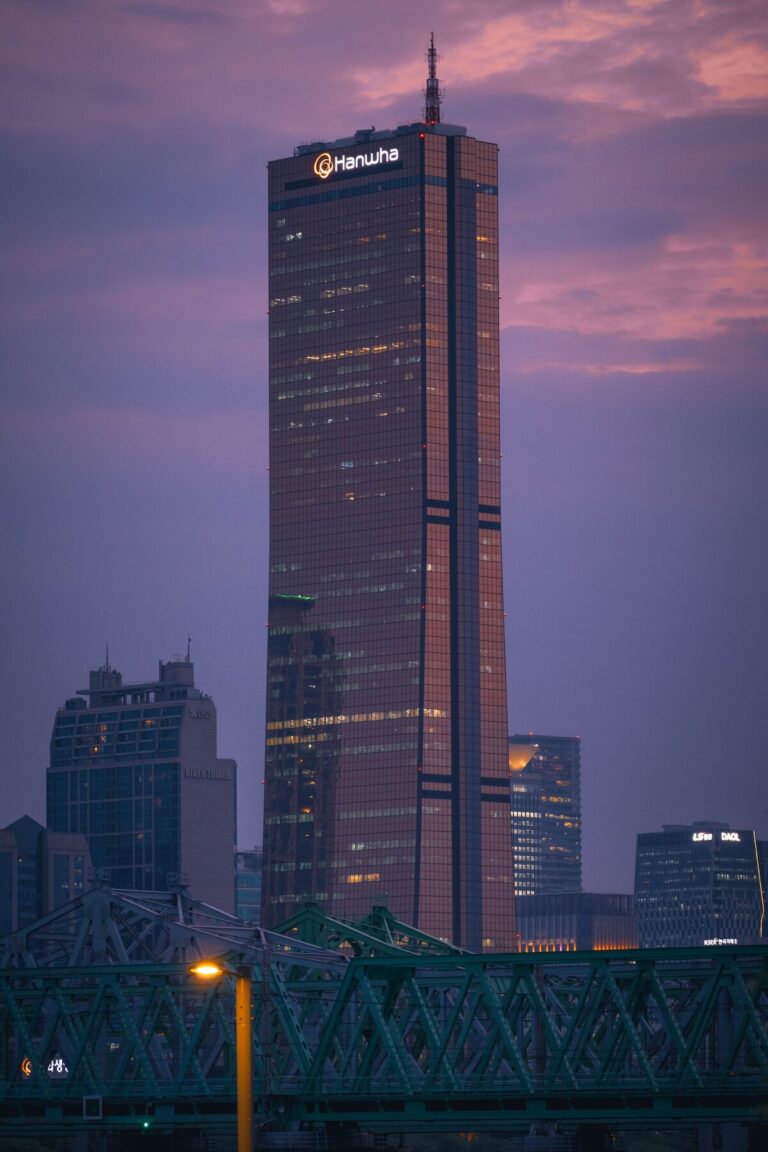

The best things to do in Seoul on a first visit combine royal history, neighbourhood life, Korean food and the city’s formidable modern energy. Begin with a palace and a museum, walk through Insadong or Bukchon with care, eat in a traditional market, then choose an evening district that suits your interests. Seoul is vast, so efficient days are built around adjacent areas rather than a checklist scattered across the map. The subway makes long journeys manageable, but hills, station corridors and weather add time. Three days give a useful introduction; one or two demand sharper choices.
Best Things to Do in Seoul: Essential First-Visit Experiences
For a balanced introduction, prioritise one royal site, one historic neighbourhood, one food market, one contemporary district and a high or riverside view. Gyeongbokgung, Insadong, a museum, Gwangjang Market, Hongdae or Seongsu, and either Namsan or the Han River cover those contrasts. Add more only when time and energy permit. Seoul rewards close observation, whether that means palace rooflines, a quiet shrine courtyard or the rhythm of a late-night shopping street.
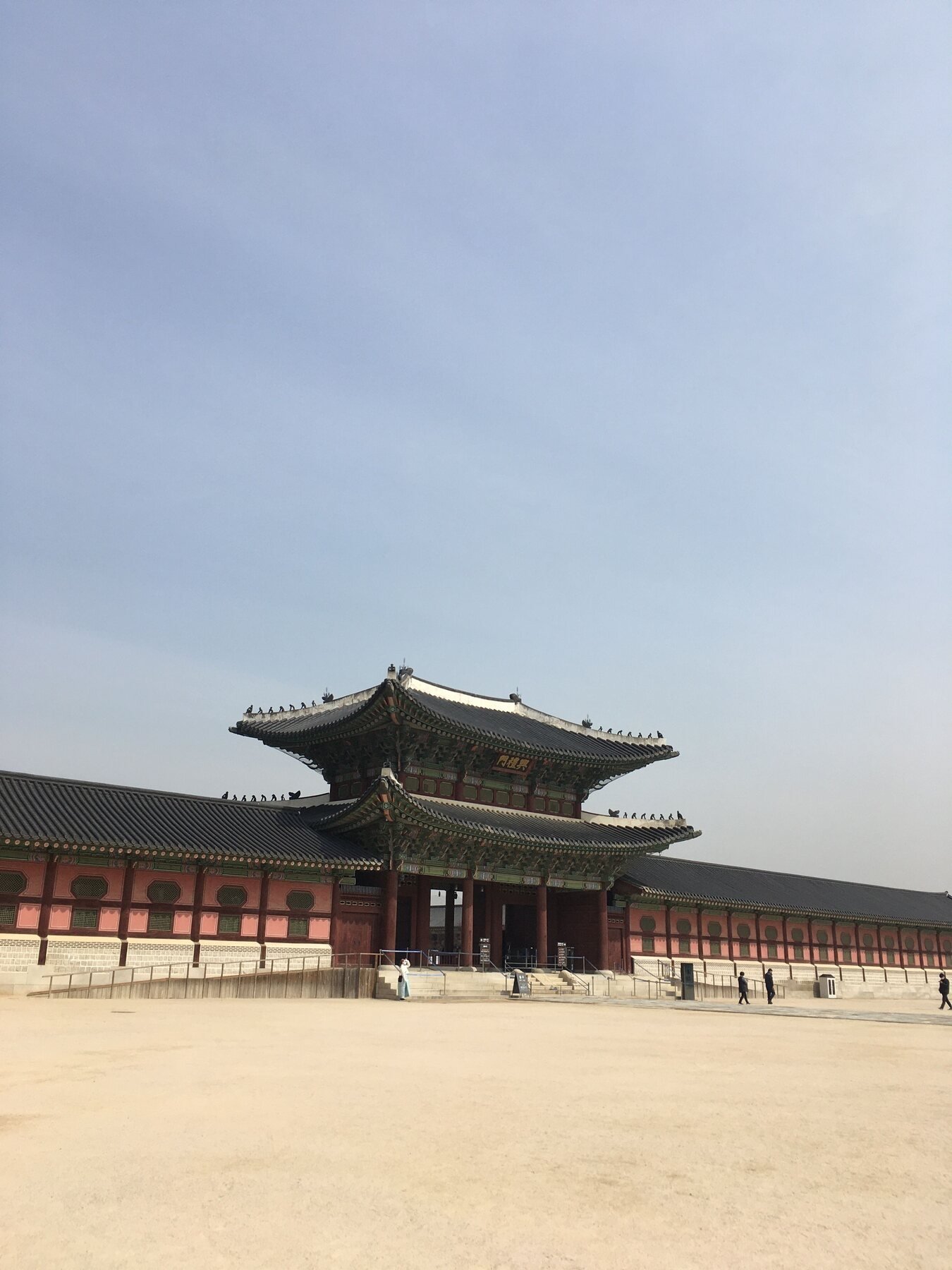
Start at Gyeongbokgung and the Royal Palaces
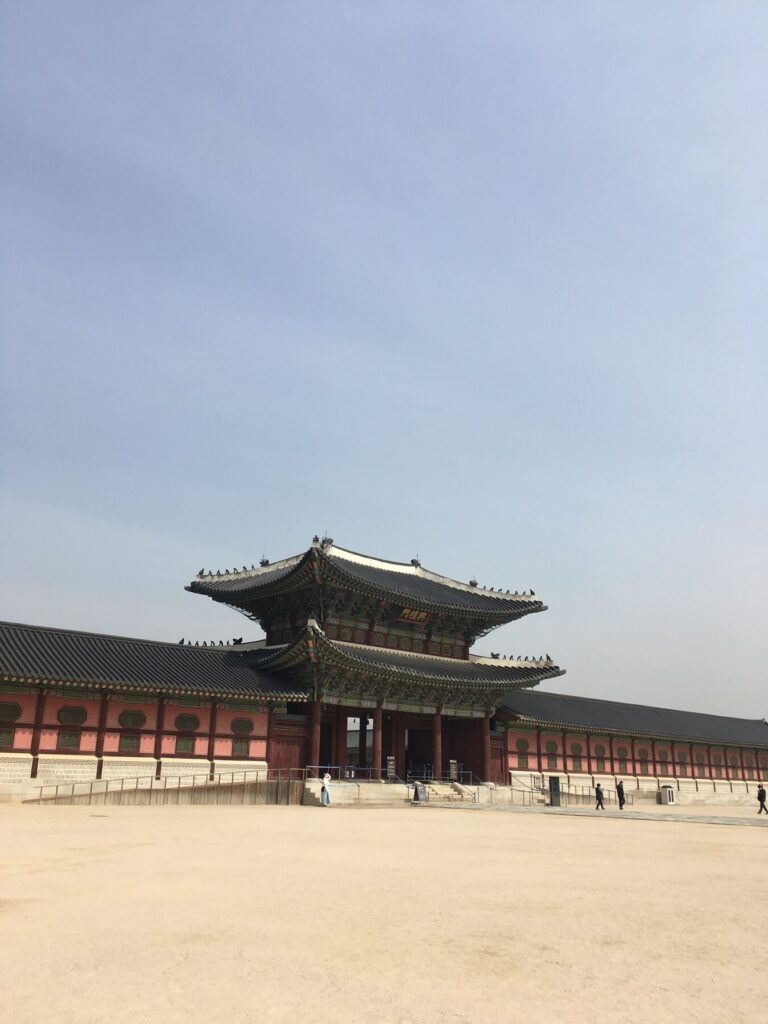
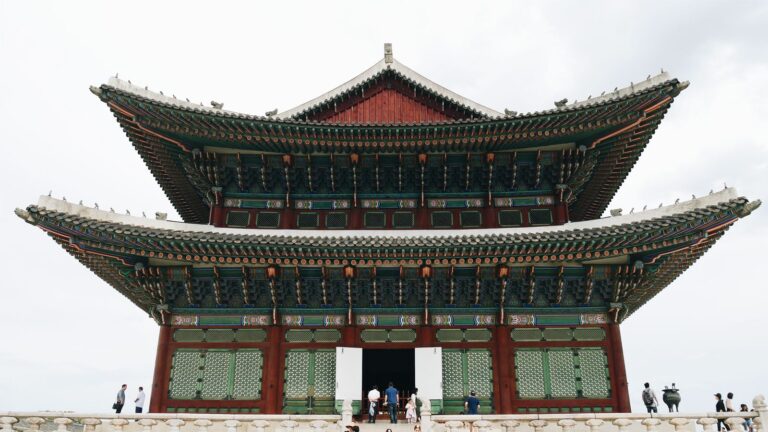
Gyeongbokgung is the clearest first palace choice: broad courtyards, mountain views and ceremonial architecture make the scale of the Joseon capital legible. Arrive early for cooler grounds and fewer tour groups. The National Palace Museum and National Folk Museum add context, but covering both in one morning is tiring. Ceremonial programmes, closed days and restoration areas change, so verify them on official palace or cultural-heritage websites.
Changdeokgung is the strongest alternative for visitors interested in landscape design. Its rear garden may use timed or guided access, so advance booking can be sensible. Deoksugung is compact and pairs well with central art museums. A multi-palace ticket offers value only if the current terms match your schedule. Renting hanbok is optional; choose a reputable shop and respect restricted areas.
Walk Bukchon Carefully, Then Continue to Insadong
Bukchon Hanok Village is a residential area, not an open-air set. Popularity has placed real pressure on residents. Follow posted visiting hours and route restrictions, speak quietly, keep doorways clear, do not photograph inside homes, and never use private steps as props. If a street is crowded, move on.
Insadong is better suited to browsing. The main street and side alleys hold galleries, stationery and craft shops, tea rooms and restaurants. Quality varies, so look beyond generic souvenirs and compare specialist stores. Nearby Ikseon-dong places cafés and boutiques in adapted hanok; it is attractive but often congested. Linking Gyeongbokgung, Bukchon and Insadong creates a coherent day, though steep lanes and standing time justify a deliberate lunch break.
Choose Jongmyo or a Major Museum
Jongmyo, the royal ancestral shrine, offers a quieter and more restrained counterpoint to palace grandeur. Its long ritual spaces matter most with historical context, so check whether entry is independent or guided on the intended date. Respect ceremonies and closures. Visitors who prefer galleries can choose the National Museum of Korea for Korean history and art, or a central institution focused on modern and contemporary work. Exhibition schedules, reservation systems and gallery access change; consult the museum directly before building a day around a specific display.
Eat Through Markets and Everyday Seoul
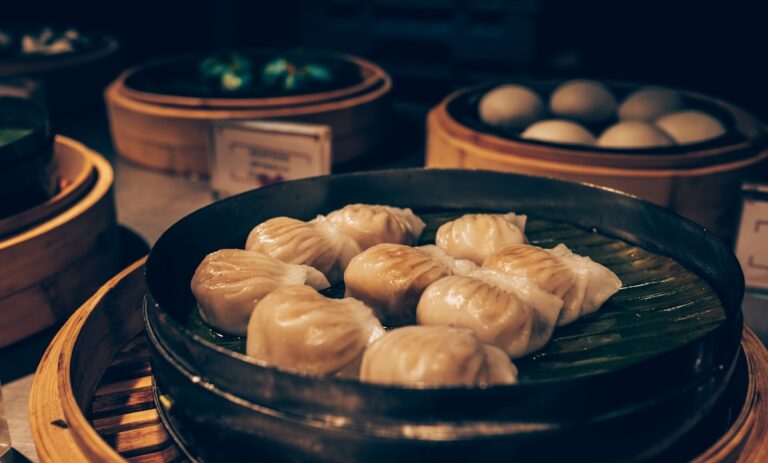
Gwangjang Market is an approachable place to sample bindaetteok, mayak gimbap and other familiar market foods, but its fame brings crowds and uneven pricing. Walk through first, choose a busy stall with clear turnover and ask the price before ordering when it is not displayed. Namdaemun offers a broader commercial market with food lanes among clothing and household goods. Mangwon Market feels more local and combines naturally with the western neighbourhoods.
Markets are only part of Seoul’s food culture. Make room for barbecue, a bowl of seolleongtang or kalguksu, and a simple kimbap shop. Some barbecue dishes require a minimum order. For allergies or religious diets, translated cards help, but recipes and shared cooking surfaces vary; confirm ingredients with staff. Carry some cash as backup and avoid blocking narrow aisles.
Match the Evening to Hongdae, Myeongdong or Gangnam
Hongdae suits live music, casual bars, independent shops and late street activity. The core streets can be loud and youthful; Yeonnam-dong or the Gyeongui Line Forest Park offers a calmer walk nearby. Check venue age rules, performance schedules and last-train timing rather than assuming every night works alike.
Myeongdong is convenient for cosmetics, chain retail and street snacks, especially for visitors staying centrally. It is efficient rather than deeply atmospheric, and food or beauty products are not automatically cheaper there. Gangnam’s appeal lies in polished shopping, nightlife, contemporary architecture and K-pop-related stops, but crossing the river consumes time. Choose it when those interests matter. With a short itinerary, Hongdae or Myeongdong usually fits more naturally beside daytime sights north of the river.
See Seoul from Namsan and the Han River
Namsan provides a central overview and a satisfying change of pace. Walking routes, buses and the cable car serve different energy levels; Seoul Tower is an optional paid viewpoint rather than the only reason to go. Haze can limit distance, so check conditions before buying an observation ticket. Sunset is popular, and queues may turn a short visit into a long one.
The Han River is flatter and more relaxed. Parks such as Yeouido or Banpo suit cycling, picnics and evening walks. Fountain shows, cruises, rentals and seasonal facilities are changeable extras; check with official operators. River wind can make evenings cooler than central streets. In summer, prioritise shade and hydration.
Add Seongsu or Another Neighbourhood
Seongsu has become a centre for converted industrial spaces, fashion, cafés and brand pop-ups. It works well for design-minded travellers, though queues and short-lived promotions can dominate weekends. For a slower alternative, consider Seochon west of Gyeongbokgung, the bookshops and low-rise streets of Yeonnam, or a section of the old city wall. Pick one area that complements the main sights instead of commuting across Seoul for several similar cafés.
Decide Whether a DMZ Tour Is Worth a Day
A DMZ visit can add important political and historical context, but it is not a simple independent excursion. Access, nationality requirements, passport rules, itineraries and security-related cancellations can change with little notice. Use an authorised operator, read the current inclusions carefully and carry the required identification. Some tours involve tunnels, stairs, confined spaces or substantial walking. Never treat a particular observation point as guaranteed. Travellers with only two days in Seoul will usually learn more from the city’s palaces, museums and neighbourhoods; with four or more, the tradeoff is easier.
Use Transit Well and Check Before Booking
The subway is the backbone of sightseeing. Obtain a currently accepted reloadable transport card and use a Korean mapping or transit service. Station exits matter: the wrong one can add a major intersection or steep climb. Long passageways make map distances misleading. Buses fill useful gaps, while licensed taxis are practical late at night, with luggage or when mobility is limited.
Check official attraction pages shortly before travel for opening days, ticket rules, construction, event closures and accessibility notices. Reserve only the experiences that require a time slot, such as a sought-after palace garden entry, performance or tour. Keep markets, neighbourhood walks and viewpoints flexible for weather. Avoid building a day around social-media opening hours or an old booking screenshot.
Plan for Weather, Hills and Accessibility
Seoul has hot, humid summers, cold winters and variable shoulder seasons. Summer plans need water, shade and an indoor midday stop; winter plans need insulated layers and shorter outdoor blocks. Rain, poor air quality or heat may justify swapping a hill for a museum. Check the current forecast and air-quality guidance each morning.
Many subway stations and major attractions have lifts, but the step-free route may require a different exit or a long detour. Palaces can include gravel, thresholds and broad exposed grounds; hanok lanes are often steep or uneven. Wheelchair users and travellers with limited stamina should verify accessible entrances, lift status, toilets and equipment loans directly with venues. Pair one demanding outdoor site with a seated meal or museum, and use a taxi strategically when it protects energy.
One-, Two- and Three-Day Seoul Priorities
One day
Visit Gyeongbokgung early, pass through Insadong, eat at Gwangjang Market and finish at Namsan or Myeongdong. Substitute the National Museum for Bukchon if weather is poor or historical depth matters more than street scenery.
Two days
Keep the central royal-history day, then spend day two at the National Museum or another major museum, the Han River and Hongdae. Seongsu can replace Hongdae for cafés, fashion and design.
Three days
Add Changdeokgung or Jongmyo, a second neighbourhood and a longer food stop. Use the evening for the district missed earlier. A DMZ tour generally replaces most of this third day rather than fitting around it.
Frequently Asked Questions
How many days does a first visit need?
Three full days provide a sound introduction without constant rushing. Four or five allow a DMZ tour, deeper museum time or more neighbourhood exploration.
Where should a first-time visitor stay?
Central areas near Jongno, Euljiro or Myeongdong simplify palace sightseeing. Hongdae suits airport access and nightlife, while Gangnam is better for travellers whose plans concentrate south of the river. Prioritise a short, step-free walk to a useful station.
Is Seoul manageable without Korean?
Yes, especially on major transport and at prominent attractions. Save destinations in Korean, keep offline translations available and learn a few courteous phrases. Staff English varies, so concise questions and patience help.
Build a Seoul Itinerary with Clear Choices
A rewarding first visit does not require every famous district. Give one palace proper time, behave thoughtfully in residential streets, choose culture and food with context, and let weather shape the order. Seoul’s size makes restraint valuable: group nearby places, protect rest periods and treat distant districts as alternatives. With current official checks and a flexible evening, the city feels layered rather than exhausting.