
Where to Stay in Kuala Lumpur: Best Areas for Every Trip
Choosing where to stay in Kuala Lumpur depends less on finding one perfect neighborhood and more on matching your base to your plans. The Malaysian capital spreads its attractions across several districts, and traffic can turn a short map distance into a long ride. Bukit Bintang puts shopping and nightlife close at hand, KLCC suits landmark sightseeing, Chinatown offers heritage and value, while Bangsar provides a calmer local rhythm. This guide compares six useful bases, explains their tradeoffs, and covers transport, airport access, budgets, families, and late nights.
Best Kuala Lumpur areas for different travelers
Bukit Bintang: best for nightlife, dining, and shopping
Bukit Bintang is the most convenient choice for travelers who want activity outside the hotel door. Malls, food courts, cocktail bars, clubs, and restaurants cluster around Jalan Bukit Bintang and Changkat Bukit Bintang. Jalan Alor becomes especially busy after dark, making the area easy for visitors who prefer to eat late without arranging transport.
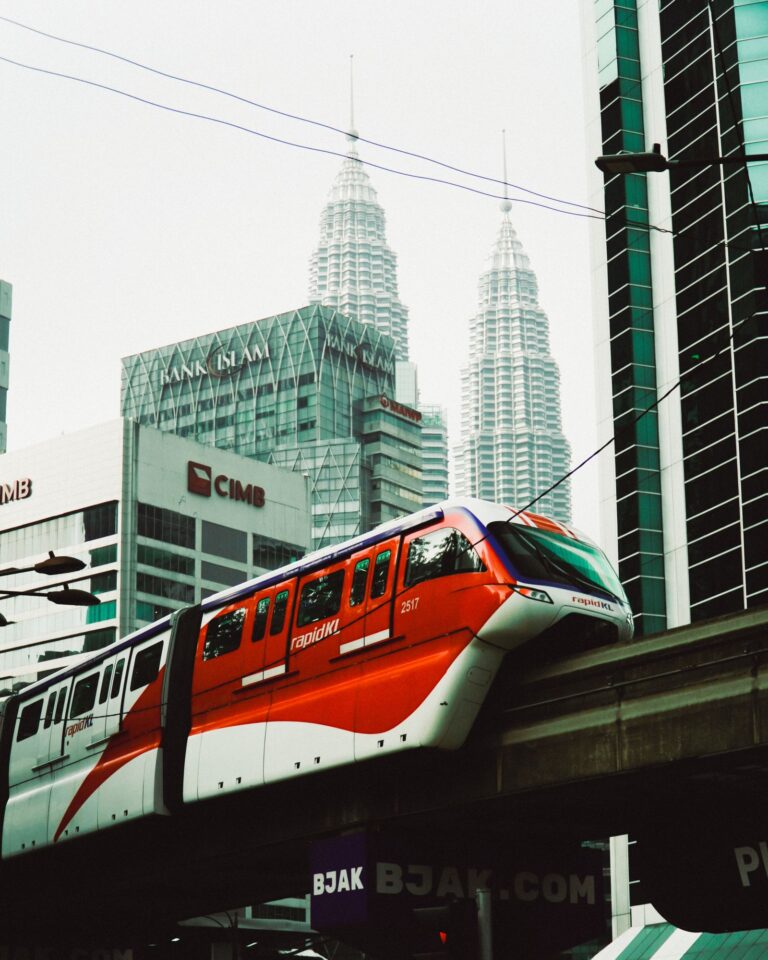
The neighborhood works well for a short city break because the MRT and monorail connect it with other central districts. Covered walkways also lead toward KLCC, although the tropical heat can make even sheltered walks tiring. Accommodation ranges from compact hostels and simple hotels to international luxury properties.
The main compromise is noise. Streets near Changkat and Jalan Alor may stay loud into the early morning, and pedestrian traffic can feel intense on weekends. Families and light sleepers should choose a hotel on a quieter side street or in the eastern part of the district. Bukit Bintang is strongest for nightlife seekers, shoppers, and first-time visitors who value convenience over calm.
KLCC: best for first-time visitors and landmark views
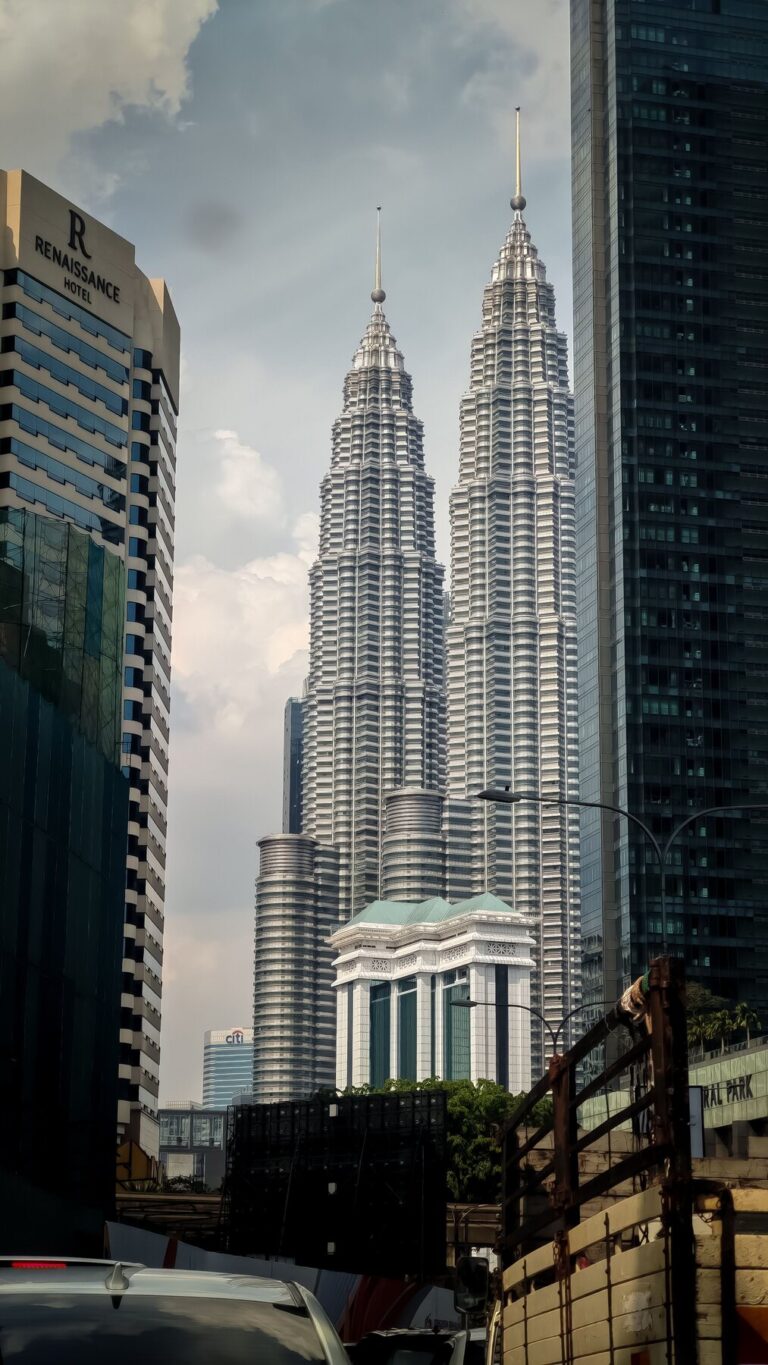
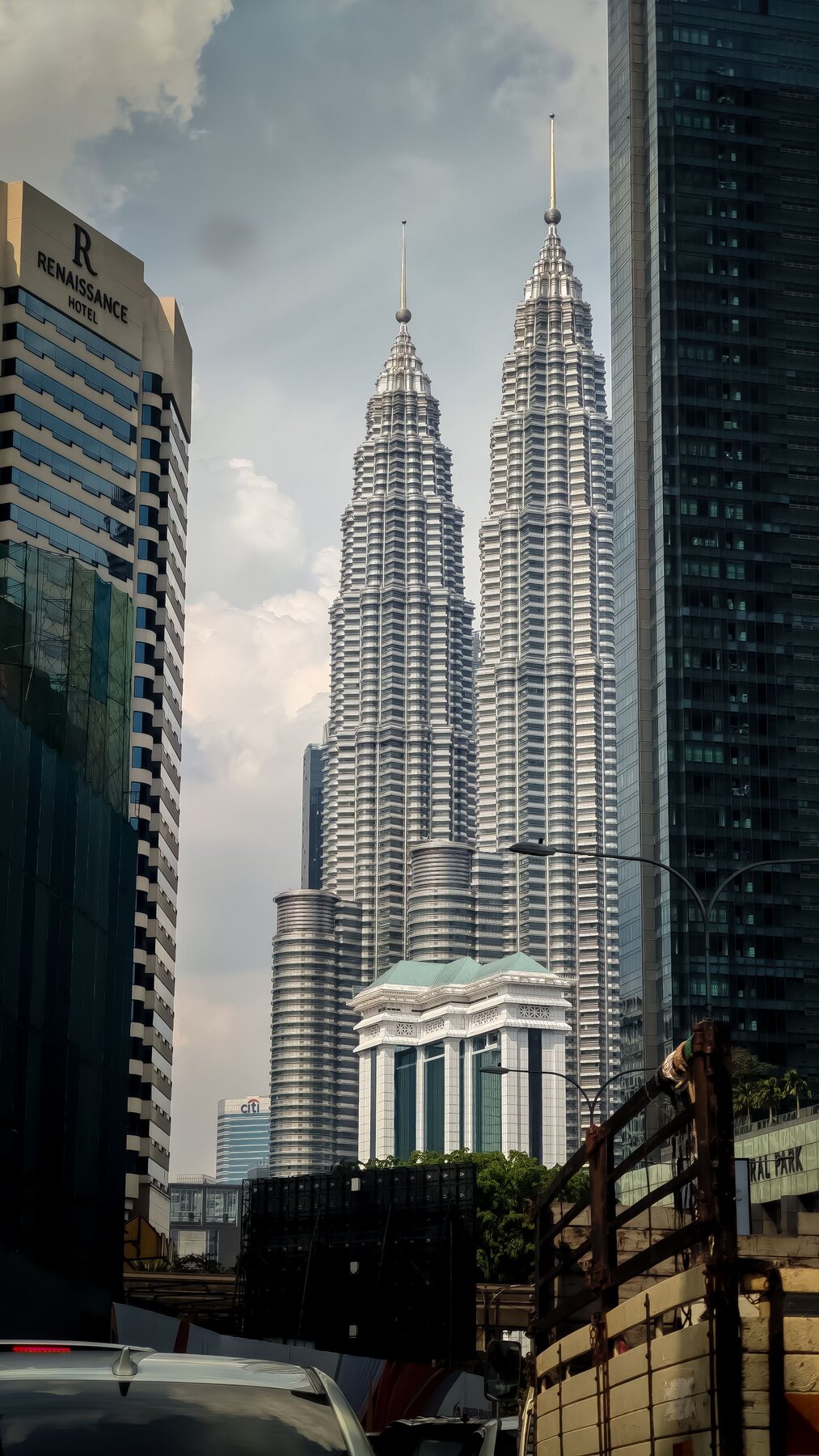
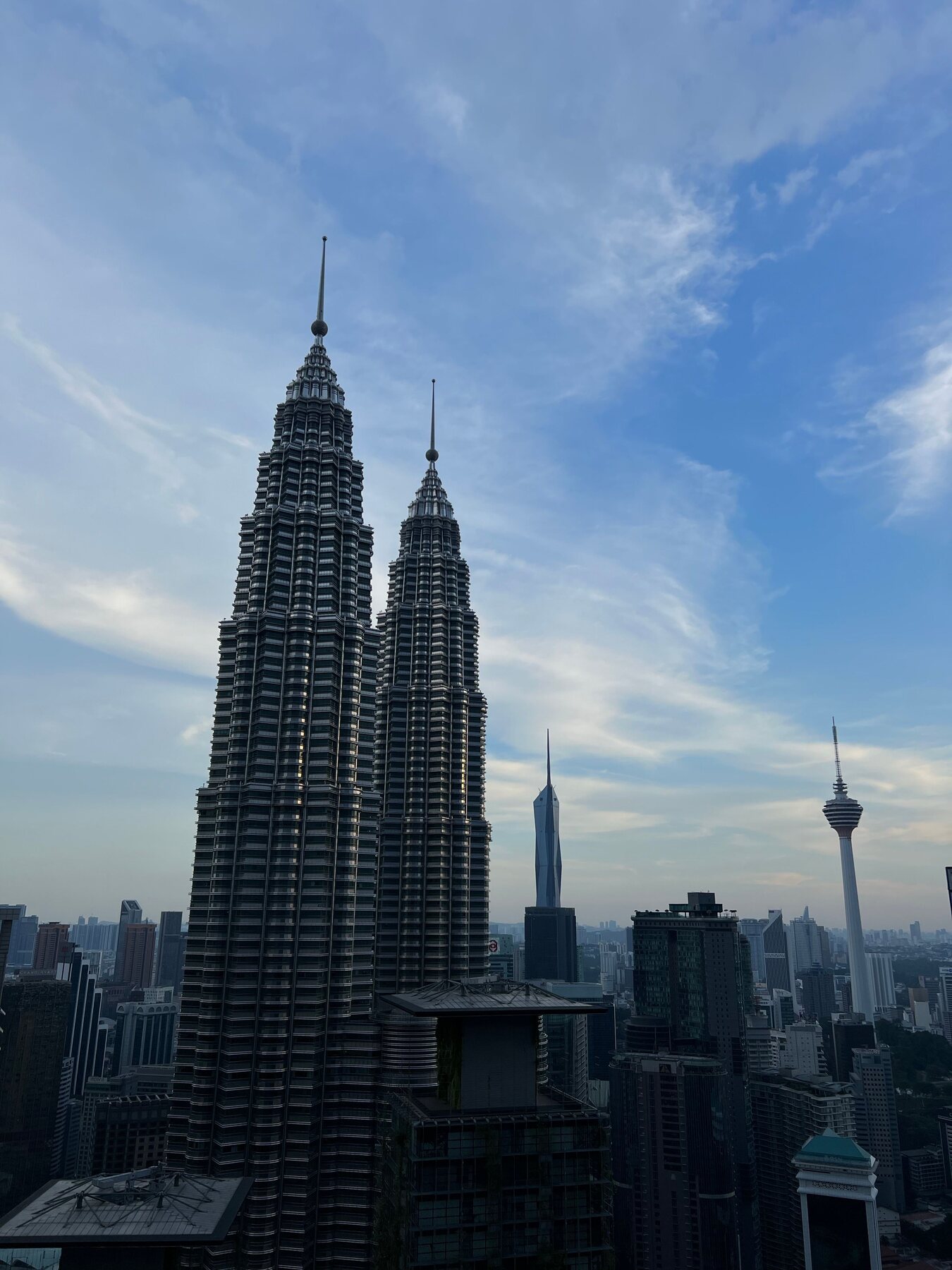
KLCC surrounds the Petronas Twin Towers, Suria KLCC mall, KLCC Park, and several major hotels. It is a polished, central base for travelers planning their first Kuala Lumpur trip, particularly those who want skyline views and straightforward access to headline sights. The park gives families space for a break, while the mall provides reliable meals, indoor entertainment, and relief from afternoon rain.
Prices generally run higher here than in Chinatown or Chow Kit. The atmosphere can also feel businesslike, and independent street food is less prominent immediately around the towers. Choose KLCC for comfort, landmark access, family-friendly facilities, or a special occasion. Look elsewhere if a low room rate or lively street culture matters more than a prestigious address.
Chinatown: best for heritage, food, and lower budgets
Chinatown places visitors near Petaling Street, Central Market, Merdeka Square, temples, old shophouses, and a growing collection of cafes. It offers one of the best combinations of location and price in the city center. Budget hotels and hostels are common, but renovated boutique stays give travelers more character without requiring KLCC prices.
Pasar Seni station connects both MRT and LRT services, making Chinatown particularly practical for sightseeing. Masjid Jamek is also walkable from many hotels. Food options range from hawker stalls and traditional coffee shops to modern restaurants in restored buildings, so the neighborhood works for travelers who plan days around meals and architecture.
Room quality varies considerably in the cheapest properties, and some lanes feel quiet after businesses close. Petaling Street itself can be crowded and commercial. Check recent accommodation reviews, especially comments about windows, soundproofing, and maintenance. Chinatown suits backpackers, couples, solo travelers, and repeat visitors who appreciate history and value. Families can enjoy it too, but should select a larger hotel near a station rather than a very small guesthouse.
Chow Kit: best for markets and a more local atmosphere
Chow Kit sits north of the traditional center and is known for its large market, everyday restaurants, and mix of older streets with newer creative businesses. It feels less arranged for tourists than KLCC or Bukit Bintang. That makes it appealing to travelers who want to observe daily city life while remaining close to central attractions.
Chow Kit requires more careful street-by-street selection. Some roads are busy, pavements can be uneven, and the market area is hectic in the morning. It is not the easiest base for travelers seeking polished surroundings or doorstep nightlife. Choose it for food markets, photography, and relative value; avoid booking solely because a property appears close to attractions on a map. Reading location-specific reviews is worthwhile.
Bangsar: best for cafes, restaurants, and longer stays
Bangsar lies southwest of the center and offers a residential alternative to the main sightseeing districts. Its appeal comes from cafes, neighborhood restaurants, bars, shops, and a pace that becomes more relaxed away from the busiest commercial streets. Travelers staying for several days may appreciate having ordinary conveniences nearby rather than sharing every pavement with tour groups.
The area fits couples, food-focused visitors, business travelers, and anyone returning to Kuala Lumpur after covering the major landmarks. Nightlife here is social and restaurant-led rather than dominated by large clubs. Families can find serviced apartments and quieter residential settings, but should confirm proximity to transit. Bangsar is less suitable for a first visit lasting only one or two nights.
KL Sentral: best for transport and early departures
KL Sentral is the city’s main rail hub, with airport trains, commuter services, intercity connections, the LRT, MRT access nearby, and the monorail. It is the most practical base for travelers arriving late, leaving early, taking day trips, or prioritizing simple transfers. Brickfields, immediately beside the station, adds South Indian restaurants, temples, and more affordable accommodation.
Choose KL Sentral when logistics dominate the itinerary, especially for a brief stopover or a trip that includes Batu Caves and destinations beyond the center. It also works for families who want reliable transport and indoor dining nearby. Travelers focused on nightlife may prefer Bukit Bintang, while those seeking heritage atmosphere should consider Chinatown.
How to choose by budget and trip style
Budget travelers usually find the widest choice in Chinatown, Brickfields near KL Sentral, and parts of Chow Kit. Before reserving the lowest-priced room, compare taxes, window availability, distance from rail, and recent cleanliness reports. Paying slightly more for a station within a comfortable walk can save both time and ride costs.
Mid-range travelers have strong options in every district. Bukit Bintang provides the broadest mix, while Chow Kit may deliver more space for the same price. Bangsar can be good for apartment-style stays. Luxury travelers will find the largest concentration of full-service hotels around KLCC and Bukit Bintang, with several premium choices at KL Sentral.
For families, KLCC combines a park, mall, familiar facilities, and easy sightseeing. KL Sentral is useful when children and luggage make transfers a concern. A serviced apartment can provide laundry and a kitchen, but verify whether the closest station is genuinely walkable. For nightlife, Bukit Bintang is the clear first choice; Bangsar offers a more relaxed evening scene. First-time visitors should favor KLCC, Bukit Bintang, or Chinatown, depending on budget and preferred atmosphere.
Transport and airport planning
Ride-hailing is convenient for door-to-door trips, particularly for groups, but travel times rise sharply during rush hour and heavy rain. Build extra time before reservations and airport departures. Walking works within individual districts, yet heat, sudden storms, large roads, and inconsistent pavements can make distances feel longer than expected.
Kuala Lumpur International Airport is well outside the center. Express and stopping airport trains connect the terminals with KL Sentral, making that district the simplest choice for an early flight. From KL Sentral, continue by rail or taxi to another neighborhood. Airport buses cost less but take longer and are more exposed to traffic. A taxi or prearranged transfer can make sense for families or several travelers sharing the fare. Always confirm the correct terminal before leaving the city.
Frequently asked questions
Which area is best for a first trip to Kuala Lumpur?
KLCC is easiest for iconic sights and a polished stay. Bukit Bintang is better for dining, shopping, and nightlife, while Chinatown balances heritage with lower prices. All three have useful rail connections.
Is it better to stay in KLCC or Bukit Bintang?
Stay in KLCC for tower views, the park, luxury hotels, and family convenience. Pick Bukit Bintang for late dining, bars, malls, and a busier street scene. The covered walkway makes visiting one from the other manageable.
How many nights are enough?
Three nights allow time for the central landmarks, markets, and several neighborhoods without rushing. Add another night for museums, slower meals, Batu Caves, or a day trip.
Can visitors stay outside the city center?
Yes, especially on a longer visit. Bangsar offers a residential feel and good dining, but daily journeys to major sights take more planning. For a short first trip, a central rail-connected base is usually more efficient.
Conclusion
The right Kuala Lumpur base follows the priorities of the trip. Bukit Bintang serves nightlife and shopping, KLCC offers landmark convenience, Chinatown combines heritage and value, Chow Kit brings markets and local texture, Bangsar rewards longer stays, and KL Sentral simplifies transport. Compare the hotel’s actual walking route to a station, not just its map distance, and account for traffic, heat, and rain. Once location and tradeoffs are matched to the itinerary, the city becomes much easier to navigate.