
The best time to visit Malaysia depends on which coast, island, city or rainforest is on the itinerary. This equatorial country has heat, high humidity and rain throughout the year, but monsoon exposure differs sharply by region. A sunny season in Langkawi can overlap with rough seas around the Perhentian Islands, while Borneo follows another set of local patterns. Plan around regional tendencies, then check current forecasts rather than expecting any month to guarantee dry days.
Best time to visit Malaysia by coast and region
Malaysia’s southwest monsoon generally lasts from late May to September and is relatively drier. The northeast monsoon, from November to March, is the main rainy season, with its strongest effects on the peninsula’s east coast, western Sarawak and eastern Sabah. According to MET Malaysia’s climate guidance, temperatures remain fairly uniform, humidity is high and rainfall is abundant. These national seasons are useful starting points, not simple wet-and-dry labels.
Peninsular Malaysia’s west coast is partly sheltered from the northeast monsoon, but rainfall around Kuala Lumpur, Penang and Langkawi often peaks during inter-monsoon periods. Afternoon thunderstorms can be intense and localized. The exposed east coast receives heavier, more persistent rain and rougher seas during the northeast monsoon. In Sabah and Sarawak, mountains, coastlines and prevailing winds create substantial local variation.
West coast: Kuala Lumpur, Penang and Langkawi
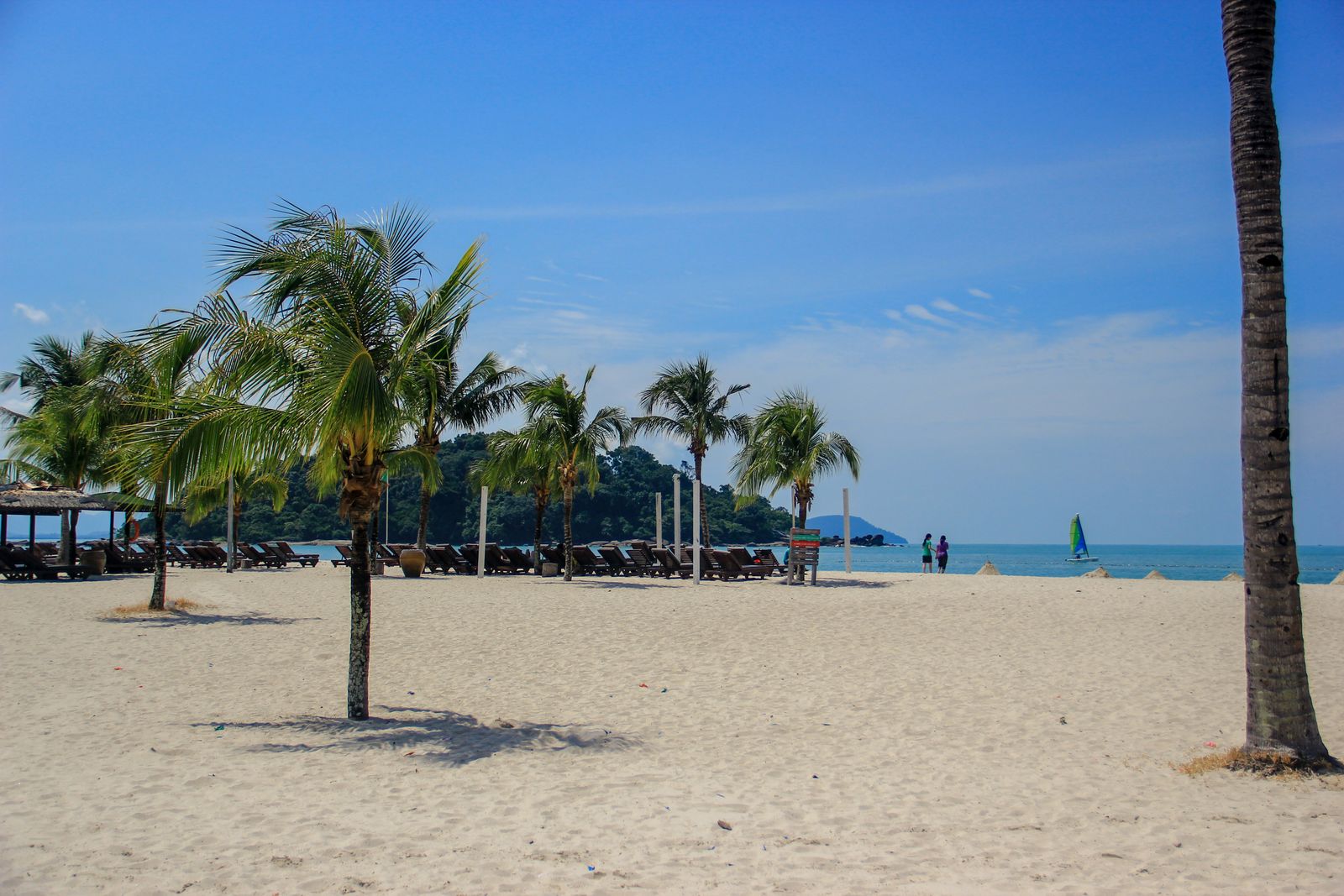
December through February is a popular window for Langkawi and often suits Penang, with generally favorable west-coast beach conditions. Kuala Lumpur remains hot and humid, and showers are possible on any day. March to May and October to November are inter-monsoon periods, when light winds and strong daytime heating can produce frequent thunderstorms. Rain commonly arrives later in the day, but travelers should leave time around outdoor plans.
June through September can still work well for a west-coast route. The southwest monsoon is relatively drier nationally, although Sumatra squalls may bring sudden strong winds, heavy rain and rough water to western coastal areas. City visits are practical year-round because museums, food courts and rail connections provide alternatives. For Langkawi boat trips, follow the operator’s same-day decision and marine warnings.
East coast: Perhentian, Redang and Tioman
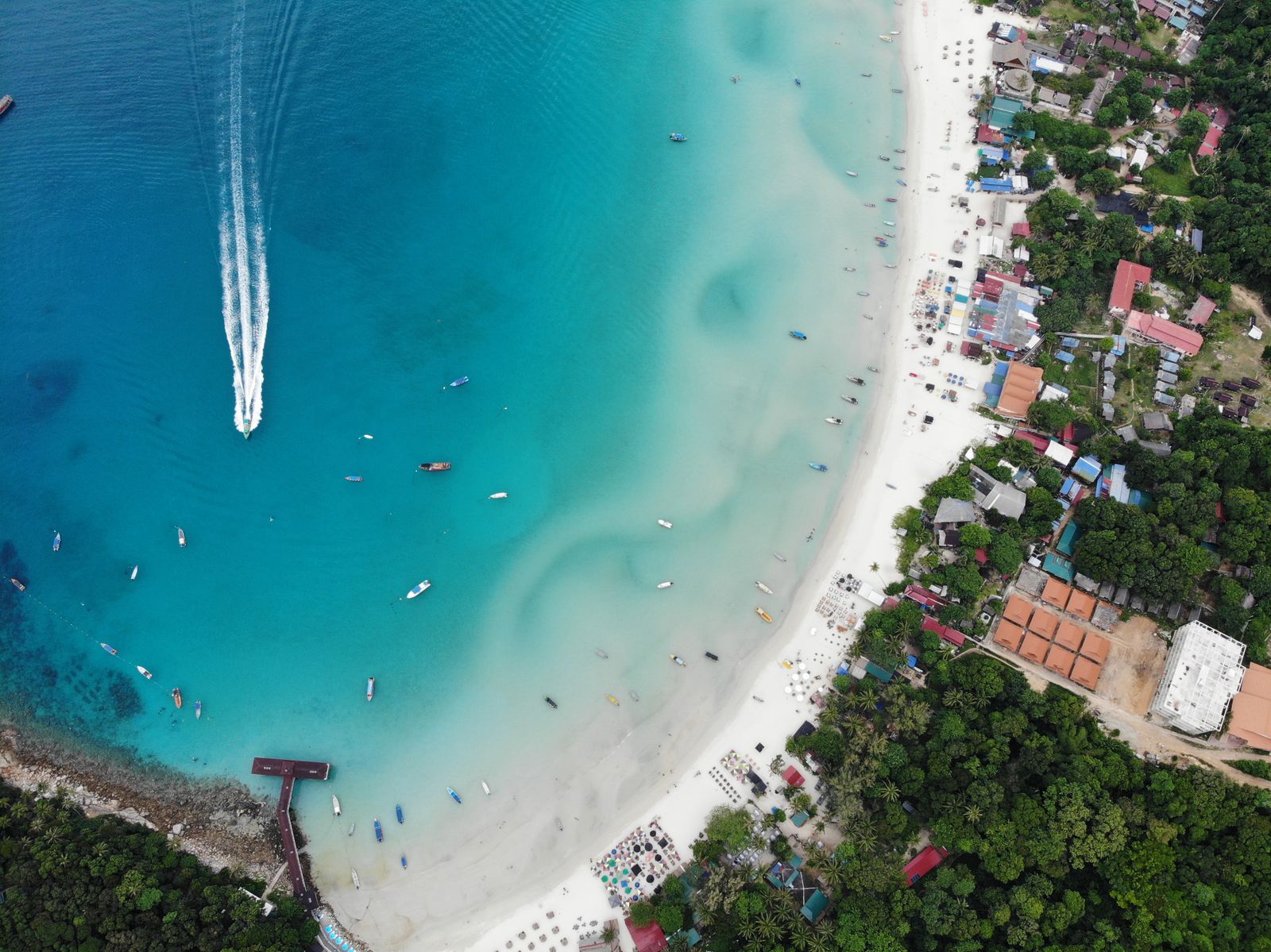
March through October is the broad east-coast diving window given by Tourism Malaysia’s diving guidance. Perhentian and Redang usually become more accessible as northeast-monsoon seas settle, with many travelers favoring April through September. Tioman’s season is similar, although conditions vary around the island. Visibility depends on recent rain, currents, wind and plankton, so a calendar cannot promise clear water.
From November into February, heavy rain, swell and strong winds can disrupt the east coast. Some resorts, dive shops and ferry routes close or reduce service; exact dates change by operator and conditions. Do not build a fixed itinerary around an assumed reopening date. Confirm ferries and accommodation directly, check marine forecasts, and retain a west-coast or city alternative when traveling near the seasonal edges.
Cameron Highlands and Taman Negara
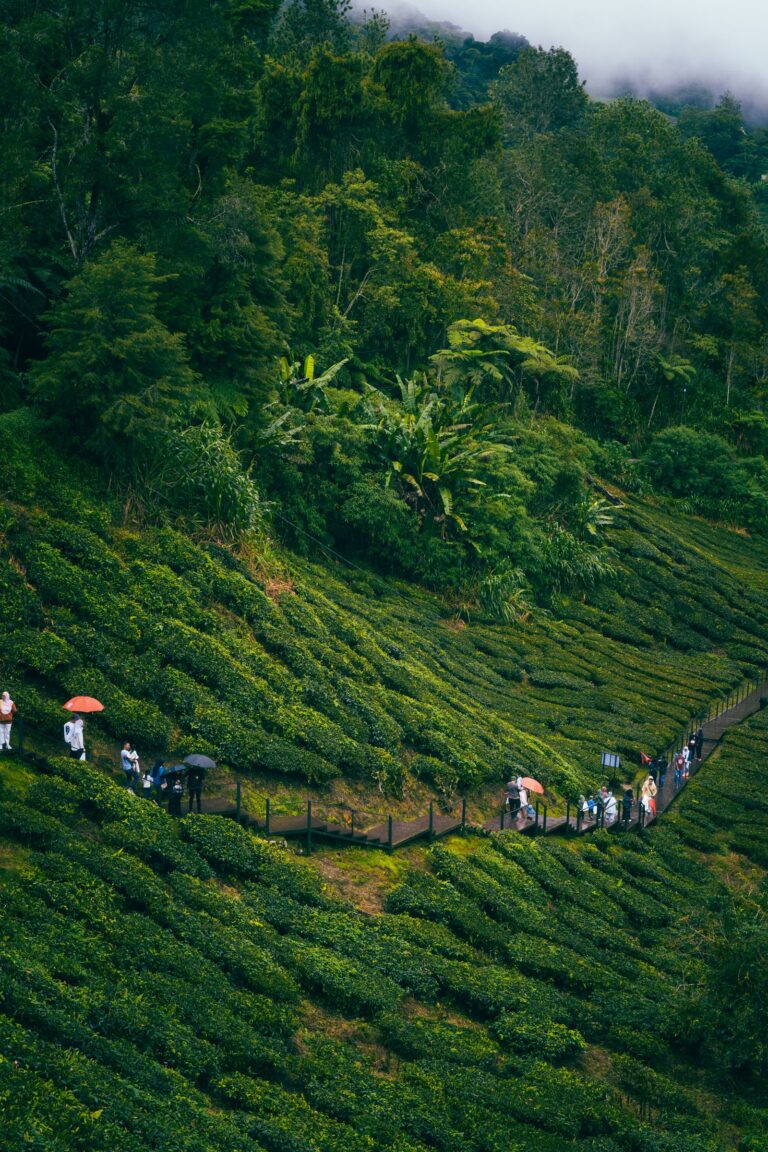
The Cameron Highlands are cooler than the lowlands, but rain and mist occur all year. February and June to August are often considered practical periods for walking, yet trails can become slippery after any downpour. Weekends and school holidays bring traffic and heavier demand. Pack a light warm layer for evenings and allow extra road time, particularly when rain affects visibility.
Taman Negara is hot, humid and wet throughout the year. The relatively drier months from roughly March to September often provide easier trail conditions, though showers, leeches and muddy ground remain normal. The northeast monsoon can raise rivers and affect activities or transfers. Wildlife sightings are never assured; quieter movement, an experienced guide and a flexible schedule matter more than selecting a supposedly perfect month.
Sabah and Sarawak
Sabah cannot be reduced to one season. Kota Kinabalu and the west coast often suit travel from February or March into August, while eastern Sabah receives stronger northeast-monsoon influence. Around Sipadan and Mabul, diving operates across much of the year, subject to permits and sea conditions. Tourism Malaysia lists March through August for remote Layang-Layang, whose resort and flights are seasonal.
For Mount Kinabalu, February to April often brings a better chance of a clear, manageable climb, but rain, wind or safety concerns can close the summit trail at any time. In Sarawak, western areas are especially wet during the northeast monsoon. Kuching and nearby parks often see heavier rain from November to February; June through August is typically easier for touring, but heat and showers persist.
Malaysia month by month
| Month | Often suits | Planning note |
|---|---|---|
| January | Langkawi, Penang, Kuala Lumpur | East-coast islands are commonly disrupted; western Sarawak is wet. |
| February | West coast, cities, Cameron Highlands | Lunar New Year can raise prices and demand. |
| March | East-coast season begins; Sabah | Inter-monsoon storms increase on the west coast. |
| April | Perhentian, Redang, Tioman, diving | Hot, humid days and thunderstorms remain likely. |
| May | East coast, Taman Negara, mixed routes | Seasonal transition; verify sea conditions. |
| June | Most regions, Sarawak, east-coast beaches | School holidays can fill resorts and transport. |
| July | East coast, Borneo, outdoor activities | Popular islands and festivals may be busy. |
| August | East coast, Sarawak, west-coast touring | Haze is possible; monitor air quality. |
| September | East-coast diving, cities, flexible trips | Rain may increase late in the month. |
| October | Culture and city itineraries | Inter-monsoon storms; island services may wind down. |
| November | West-coast route with indoor options | Northeast monsoon begins; avoid fixed east-coast plans. |
| December | Langkawi, Penang, festive city travel | Peak prices; heavy rain affects exposed eastern regions. |
Beach and diving trips
Choose the coast first. Tourism Malaysia broadly recommends March to October for east-coast diving and December to May for west-coast diving. These are operating seasons, not assurances of visibility or calm seas. Ask a reputable dive center about recent conditions, currents and site suitability. Never pressure a skipper to depart when weather changes, and keep a spare day if diving is central to the trip.
Cities, culture and food
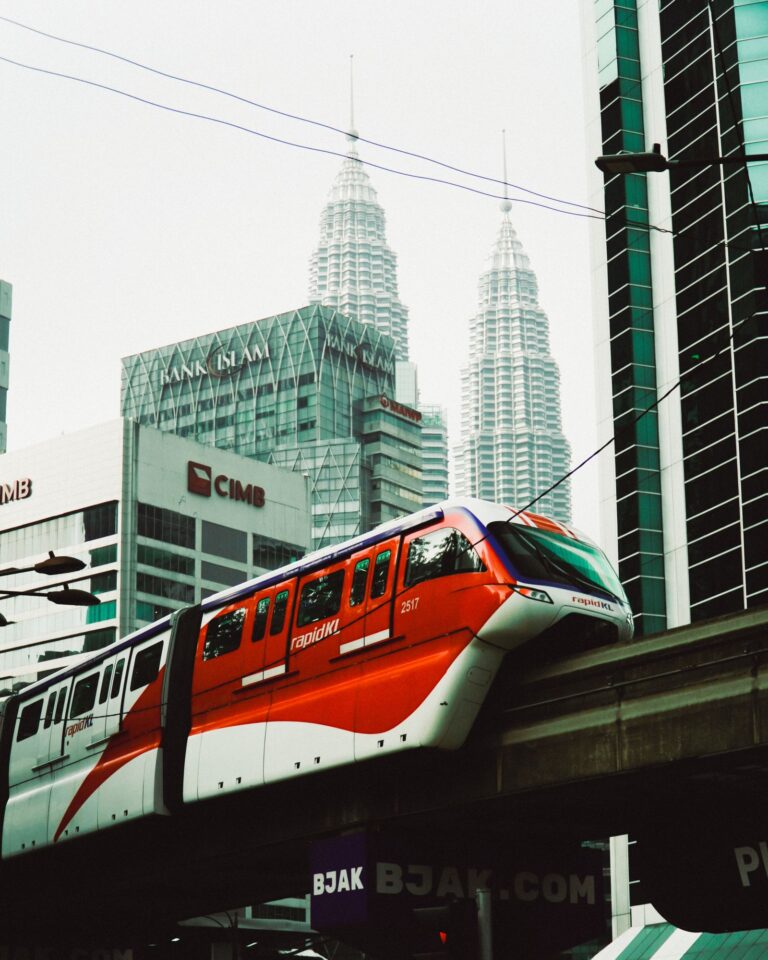
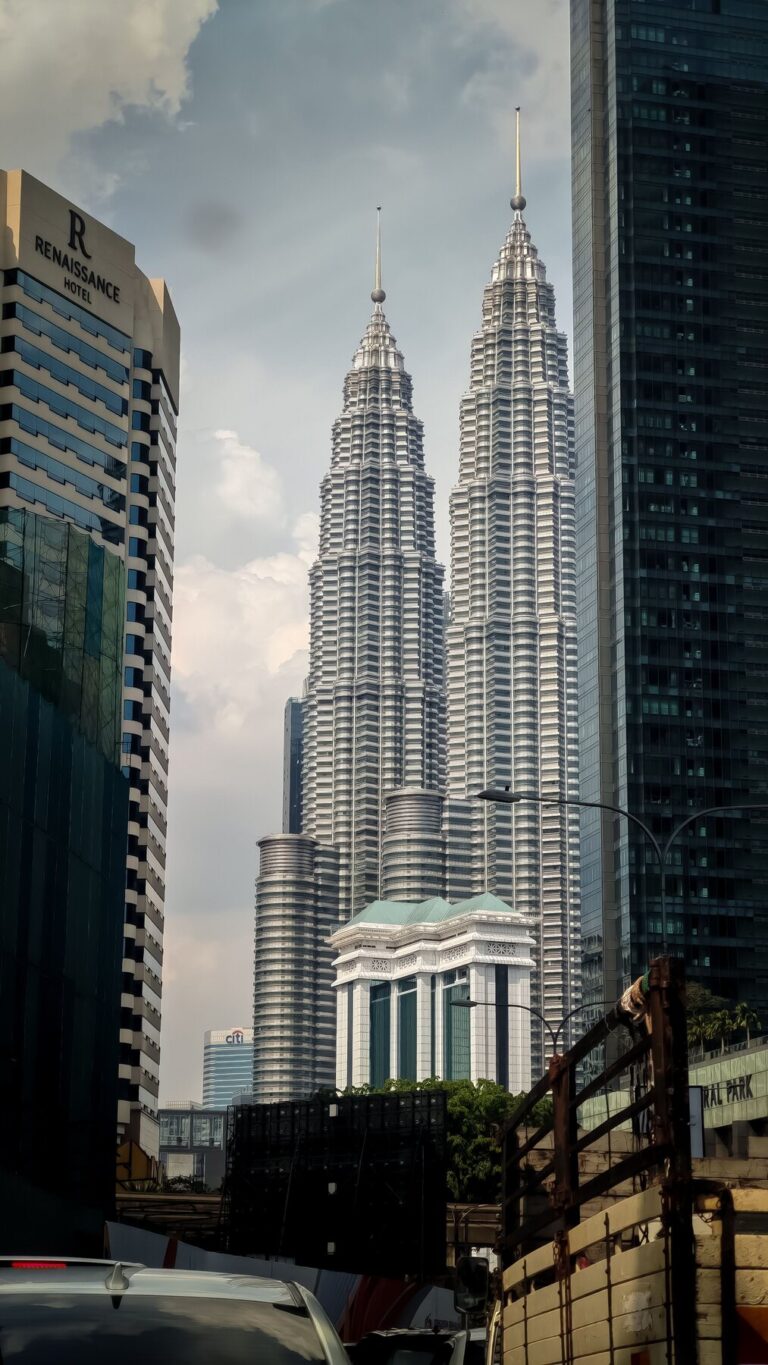
Kuala Lumpur, George Town, Melaka and Ipoh are viable in every month. Covered markets, museums and cafés make short storms manageable, although flash flooding can slow roads and rail access. Start heritage walks early, pause during the hottest hours and schedule weather-sensitive viewpoints before indoor sights. Ramadan changes dining hours in some places, while major celebrations can make cultural travel rewarding but logistically busier.
Hiking and wildlife
For highland walks, rainforest trails and wildlife excursions, recent rainfall matters more than a national seasonal average. Confirm trail status, river level and guide availability locally. Wear footwear with grip, carry water and use a dry bag. In Borneo, orangutan viewing at managed centers is possible year-round, but wild animals choose their own movements. Ethical tours keep distance and never promise sightings.
Festivals, crowds and prices
Demand rises around Lunar New Year, Hari Raya Aidilfitri, year-end holidays, school breaks and major regional events such as the Rainforest World Music Festival. Dates can move, and not every destination follows the same pattern. Flights, ferries and family rooms may cost more or sell out. Conversely, a low room rate may coincide with limited island services. Check the festival calendar and operating schedule before treating a shoulder month as a bargain.
Haze and weather alerts
Transboundary haze can affect Malaysia, most often during drier periods, but timing and severity vary. It may reduce visibility and make strenuous outdoor activity unsuitable. Monitor Malaysia’s official air-quality reporting as well as local advice. For rain, thunderstorms, strong winds and monsoon surges, use the current forecasts and warnings on the MET Malaysia website. Change plans when authorities, parks or boat operators advise it.
What to pack
- Light, breathable clothing plus a thin layer for air-conditioning and highlands.
- A compact rain jacket, small umbrella and waterproof pouch for electronics.
- Sun protection, refillable water bottle and insect repellent.
- Quick-drying shoes with grip for trails and wet pavements.
- Modest clothing for mosques and rural communities.
- Any essential medication, with extra supply for possible transport delays.
A flexible itinerary strategy
Build the trip around one weather-sensitive priority, then add adaptable stops. From December to February, combine Langkawi or Penang with Kuala Lumpur and Melaka rather than relying on east-coast islands. From April to September, pair Perhentian, Redang or Tioman with Taman Negara, while retaining a city night as a buffer. A Borneo trip needs its own forecast checks for each coast and activity.
Use refundable rooms near seasonal transitions, avoid same-day ferry-to-international-flight connections, and confirm each boat or park activity 24 to 48 hours ahead. If heavy rain affects one region, switch the sequence instead of racing across the country. The MET Malaysia weather phenomena guide helps explain monsoons and local hazards, while live warnings should decide day-to-day choices.
Frequently asked questions
Is there one best month for all of Malaysia?
No. February may favor the west coast while the east-coast islands are still seasonal; July often favors the east coast and Sarawak, but some destinations are crowded. Select a month after choosing the main region and activity.
When should east-coast islands be avoided?
November through February is the main caution period because the northeast monsoon can bring rough seas, heavy rain and closures. Operations vary, so verify ferry and resort schedules rather than relying only on dates.
Does rain last all day?
Some showers are brief and localized, especially thunderstorms, but monsoon surges can produce prolonged heavy rain. Flooding and rough seas may continue after rain eases. Forecasts and alerts are more useful than assuming a standard daily pattern.
Malaysia rewards regional planning. Favor the west coast around December to May, the east-coast diving season from March to October, and evaluate Sabah, Sarawak and the highlands separately. Keep bookings flexible, respect marine and trail closures, and use current official warnings. That approach is more reliable than searching for one nationwide dry month.