
Deciding where to stay in Seoul starts with one practical question: which journeys do you want to make easiest? Seoul is vast, and a well-connected base can save more time than a more glamorous address. Myeongdong and Jongno suit first visits, Hongdae serves nightlife and airport access, while Gangnam works for business and polished dining. Families need to consider room size and stroller-friendly routes; couples may prioritise evenings and atmosphere; solo travellers often benefit from active streets near a subway station. Choose the neighbourhood first, then compare the exact property, entrance and room.
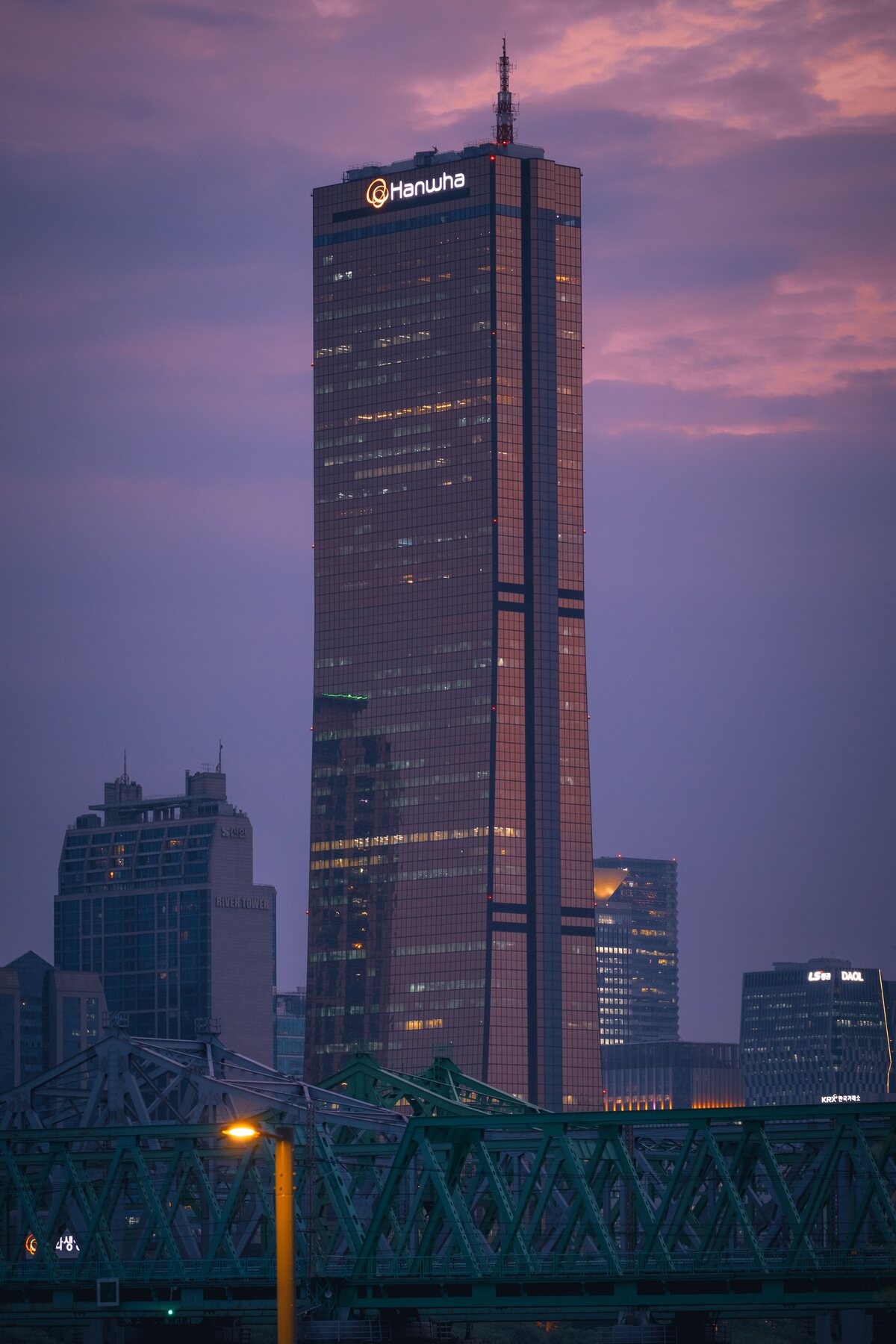
Where to Stay in Seoul: The Best Areas at a Glance
Myeongdong is the easiest all-round choice for shopping and central sightseeing. Jongno and Insadong place palaces and traditional streets nearby. Hongdae is stronger for nightlife, youthful energy and the airport railway; Gangnam suits offices, upscale shopping and south-of-river plans. Itaewon offers international dining and late nights, while Dongdaemun favours shopping and late schedules. Seoul Station is practical for rail connections, Yeouido for business, Jamsil for families and major attractions, and Seongsu for cafés and design. No district wins every category, so map your two or three biggest priorities before booking.
Myeongdong: Convenient for a First Visit
Myeongdong puts visitors close to shops, street food, Namsan and useful subway routes. It is a straightforward base for first-time travellers, couples on a short break and families who want meals close by. Airport limousine services commonly use the wider area, although stops can change. The shopping lanes are crowded, and taxis may need to stop outside them.
Hotels cover budget, midrange and luxury categories, yet rooms can be compact. Check whether “Myeongdong” means the shopping core, the hill toward Namsan or nearer Euljiro. A steep approach matters with luggage, a stroller or limited mobility. Light sleepers should avoid low floors over busy lanes.
Jongno and Insadong: Palaces, Heritage and Walkable Days
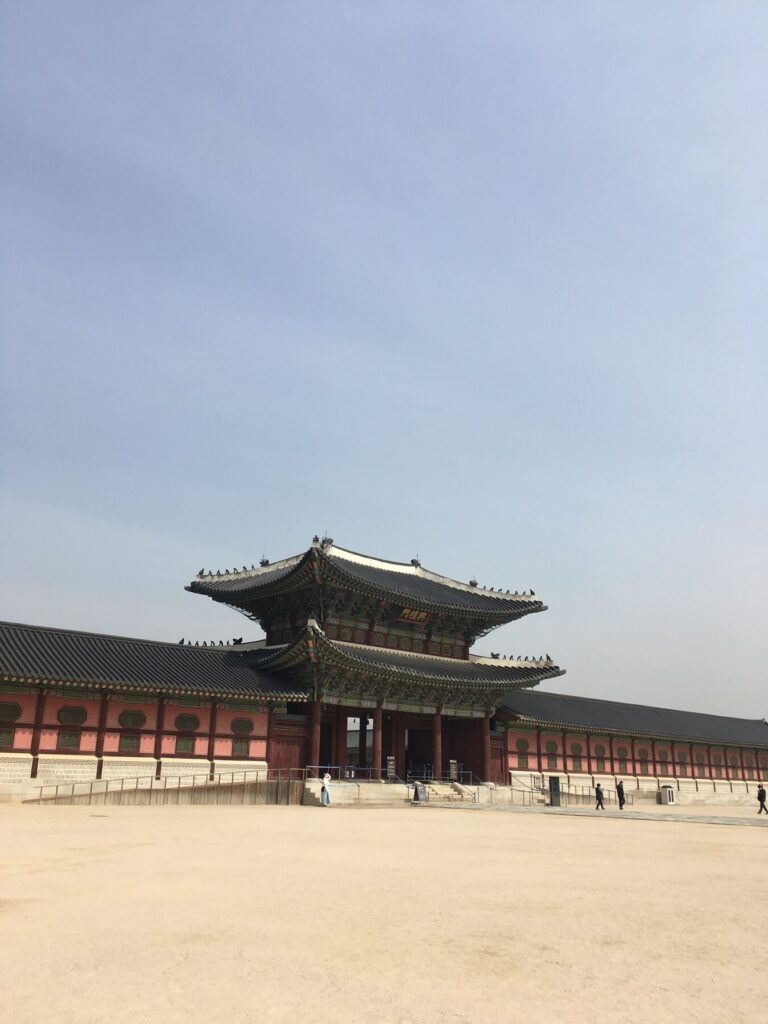
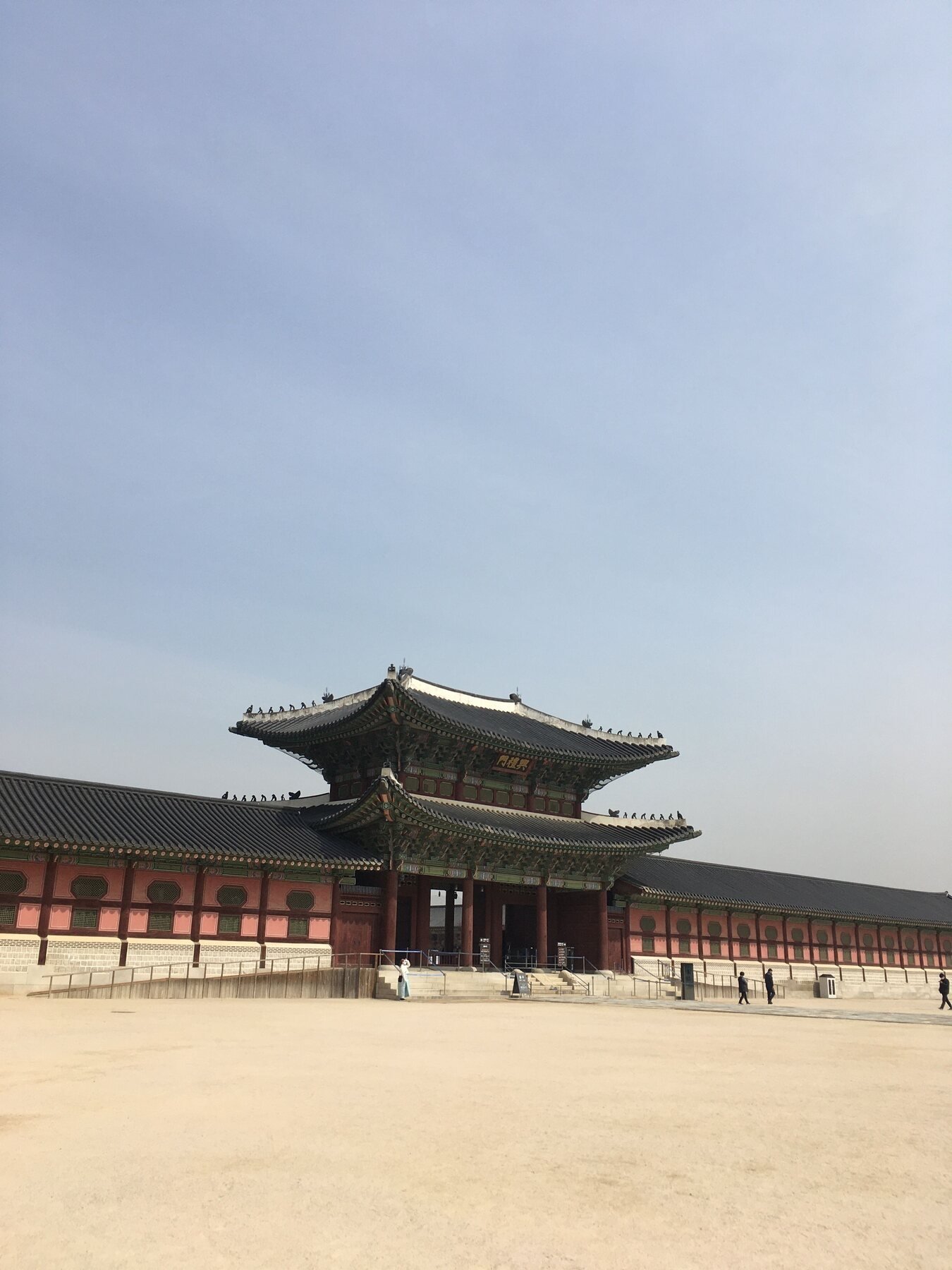
Jongno is the most rewarding base for travellers focused on Gyeongbokgung, Changdeokgung, Bukchon, museums and traditional streets. Insadong adds teahouses, crafts and an evening atmosphere that is calmer than Hongdae. Couples and culture-focused solo visitors fit especially well; families can reduce transit by walking to several major sights. Subway access varies across this broad district, so distinguish Jonggak, Anguk and Jongno 3-ga when comparing listings.
Accommodation ranges from guesthouses and hanok stays to business and luxury hotels. Historic buildings can involve floor bedding, shared facilities, thin walls or steps. Modern hotels are easier with luggage but may hear traffic. Bukchon is hilly and residential. Confirm private-bathroom details and accessibility rather than assuming a traditional stay has hotel-style facilities.
Hongdae: Nightlife, Solo Travel and Airport Links
Hongdae suits travellers who want cafés, live music, clubs, casual eating and activity well into the night. The Airport Railroad connection at Hongik University Station is useful for many arrivals, and Line 2 provides good cross-city links. Hostels and social hotels make the area comfortable for solo travel, while couples often prefer the quieter Yeonnam-dong side.
The station is large, exits are far apart and some guesthouses sit beyond an easy luggage walk. Streets near clubs can remain noisy until morning; Yeonnam usually feels calmer. Budget beds are plentiful, while midrange design hotels offer convenience. Check room measurements, lift access and the route from the correct exit.
Gangnam: Business, Shopping and Polished Evenings
Gangnam is a logical choice for meetings, clinics, upscale retail and restaurants south of the Han River. Business travellers should stay near the subway line or office cluster they will actually use: Gangnam Station, COEX and Apgujeong are not interchangeable. Full-service midrange and luxury hotels are common, often with stronger business facilities than central guesthouses.
For palace-heavy sightseeing, repeated river crossings consume time. Wide roads and long blocks make map distances deceptive. Gangnam Station has nightlife and traffic noise, while back streets can be quieter. Airport coaches may serve certain hotels, but verify the current stop and hours. Couples prioritising dining and shopping may enjoy Gangnam more than first-time sightseers.
Itaewon: International Dining and Late Nights
Itaewon offers global restaurants, bars and easy access to areas around Yongsan. It works for couples and solo travellers who value nightlife, dietary variety and a mixed international crowd. Boutique and midrange choices are more typical than broad resort-style inventory.
The district’s central position does not always produce simple journeys because Line 6 may require transfers. Hills and stairways are a serious consideration, particularly around side streets. Weekend noise can travel beyond the main strip, and room access may be awkward in smaller buildings. Check the route from the station in street view or a detailed map, request a quieter orientation, and confirm lift access. Visitors seeking early palace starts may prefer Jongno.
Dongdaemun and Seoul Station: Transport-Led Bases
Dongdaemun appeals to shoppers, night owls and event visitors. Several subway lines serve the area, but similarly named stations create confusion. Budget, midrange and upscale hotels are available. Late retail activity and wholesale traffic can disturb sleep. Verify the precise station and exit.
Seoul Station is better for onward rail trips or direct airport-rail access. It can simplify a late arrival or early departure. The complex is large, road crossings are awkward, and its surroundings feel functional. Families with heavy luggage may value the convenience; couples may prefer Myeongdong or Jongno. Confirm whether airport services are direct for your terminal and the hotel is on the station side you need.
Yeouido, Jamsil and Seongsu: Specific Reasons to Stay
Yeouido centres on offices, conferences, malls and riverside space. It suits business travellers, but is subdued outside commercial zones and less convenient for northern historic sights. Chain hotels and serviced accommodation may work for longer stays.
Jamsil is a strong family base when Lotte World, the tower or sports venues lead the itinerary. Malls offer weatherproof dining, though central sightseeing takes longer. Event nights bring crowds, so check calendars and occupancy rules.
Seongsu attracts couples and repeat visitors through industrial spaces, fashion and cafés. It feels neighbourhood-oriented, but hotel choice is narrower and weekends are busy. It is not ideal for covering every classic sight quickly. Confirm the nearest Line 2 station; not every property using the name is near the café district.
How Budget, Midrange and Luxury Stays Differ
Budget accommodation often trades floor area, daylight or bathroom space for location. Hostels may impose check-in or luggage-storage limits. Guesthouses offer character, but stairs and floor bedding require scrutiny. Midrange business hotels usually balance private facilities, transport and service, though suitcase space may be limited.
Luxury hotels add service, restaurants or lounges, but location comes first. A prestigious tower is poor value if every day begins in Jongno. Compare floor area, bed configuration and bathroom layout, not “deluxe” labels. Occupancy limits can be strict, so families should secure extra beds, cots or connecting rooms in writing.
Airport Access, Accessibility and Booking Traps
The Airport Railroad makes Hongdae and Seoul Station convenient for many Incheon journeys; airport buses can reduce transfers for other districts. Neither option is universally fastest. Service hours, terminal stops, construction and hotel access change, so check current official information shortly before travel. With large bags, one level route may beat a nominally faster journey with stairs and long corridors.
Seoul’s subway system is extensive, but not every exit has a lift and step-free detours can be substantial. Confirm the accessible exit, slope to the property, entrance threshold, lift dimensions and adapted bathroom directly with the hotel. “Wheelchair accessible” on a booking platform may describe only a public area. Hills particularly affect parts of Myeongdong, Itaewon and Bukchon.
Before paying, inspect the full address, recent room-specific reviews and construction notices. Check whether taxes and extra-person charges are included, whether cancellation uses local time, and whether reception covers late arrival. Verify seasonal air-conditioning, window type, luggage storage and facility closures. A non-refundable rate is not a saving when the location or room is wrong.
Sample Area Choices by Trip Style
- First visit: Choose Myeongdong for broad convenience or Jongno for palaces and historic streets.
- Solo trip: Pick Hongdae for social stays and nightlife, or Jongno for active days with calmer evenings.
- Couples: Consider Insadong for atmosphere, Seongsu for cafés, or Gangnam for dining and polished hotels.
- Families: Use Jamsil for attraction-led days, Myeongdong for central convenience, or Yeouido for space and business-style facilities.
- Business: Stay beside the actual meeting cluster in Gangnam or Yeouido rather than choosing by district reputation.
- Early train or short stop: Seoul Station removes transfers, while Hongdae balances airport access with a fuller evening scene.
Frequently Asked Questions
Which Seoul area is best for first-time visitors?
Myeongdong is the simplest all-round answer because it combines shopping, food and central transport. Jongno is better when palaces, museums and older neighbourhoods are the main priorities.
Is Hongdae or Myeongdong better?
Hongdae wins for nightlife, solo travel and direct airport-rail convenience. Myeongdong is better for a short sightseeing itinerary, mixed-age families and easier access to several central districts.
How close should a hotel be to the subway?
A short walk is valuable, but the correct exit and line matter more than a claimed distance. Check transfers, hills, crossings and lift access using the exact address.
Should visitors split their stay?
Most short trips do not need a hotel change. A split can help when combining several nights of sightseeing with business in Gangnam or an early long-distance train, but moving luggage consumes useful time.
Choose for Your Daily Route
The right Seoul base is the one that removes repeated friction. Myeongdong and Jongno serve most first visits; Hongdae favours social evenings and airport access; Gangnam and Yeouido answer specific business needs; Jamsil works for family attractions; Seongsu rewards a slower return visit. After choosing an area, judge the exact room and walking route with equal care. Recheck current property notices, transport operations, accessibility details and neighbourhood construction before departure. Seoul is easy to enjoy from many districts, provided the location supports the trip you are actually planning.