
Athens has a reputation problem. Too hot, too noisy, too polluted, too much a city to be interesting when there are islands an hour away. I held that view myself for years and avoided it accordingly. Then I spent four days there properly, staying in Monastiraki instead of passing through it, and came away thinking it was one of the most interesting cities in Europe.
The city has layers that most visitors never reach because most visitors treat it as an airport with ancient ruins attached. Three days is enough to see the archaeology seriously and understand the city as it actually lives. Here is how to use them.
Day One: The Acropolis Done Properly
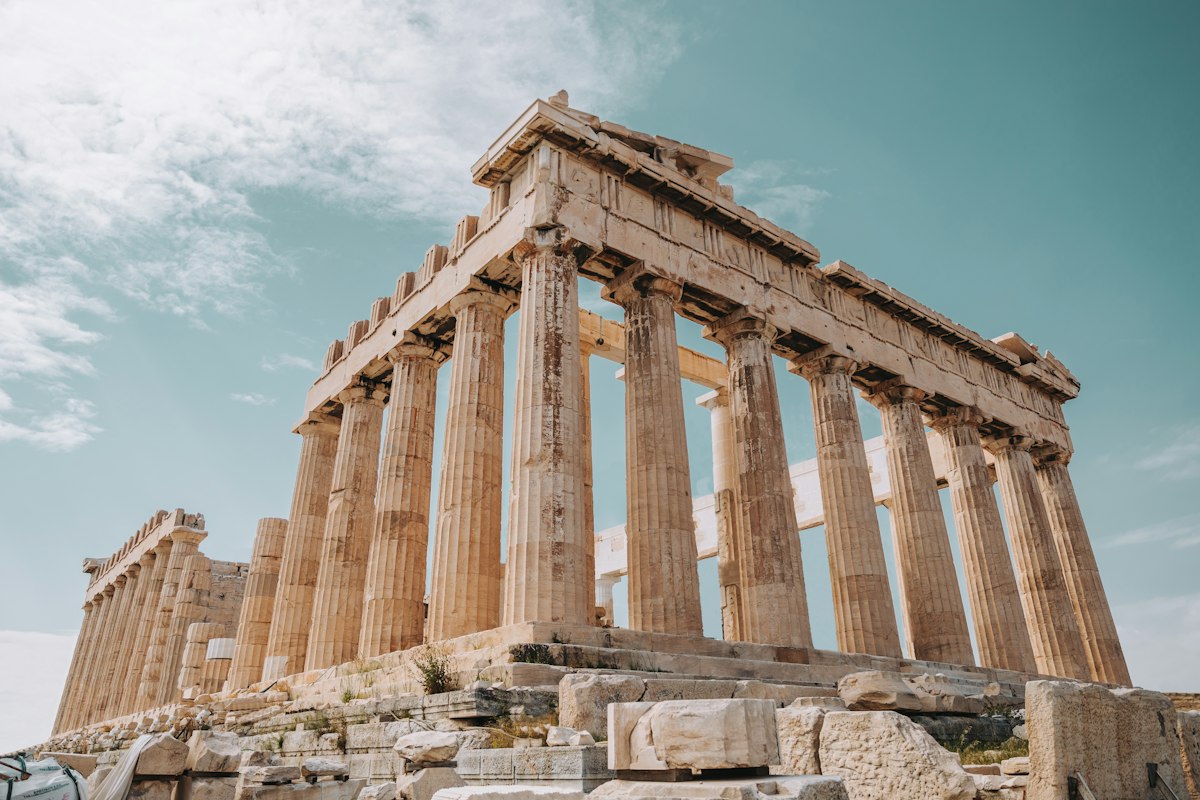
Book the first entry slot of the morning, currently eight o clock, and arrive ten minutes before opening. The Acropolis in the first hour before the tour groups arrive is a genuinely moving experience. The Parthenon at two thousand five hundred years old is still one of the most perfectly proportioned buildings ever constructed, and the view from the rock across the city toward the sea is what all the photographs are trying and failing to capture.
Come back down to the Acropolis Museum after eleven. The museum contains the surviving sculptures from the Parthenon and the Erechtheion in a space specifically designed to show them in natural light. The top floor looks directly at the Parthenon through glass. The Caryatids in the room below are five of the original six porch figures, close enough to touch if touching were permitted.
Day Two: Monastiraki and the Neighbourhood Athens
The Monastiraki flea market on Sunday morning is the best way to understand Athens as a city rather than an archaeological site. Everything is sold here: antique furniture, military uniforms, old coins, vinyl records, spare parts for machines that no longer exist. The vendors and the buyers are Athenians, not tourists, and the atmosphere is of a city going about its actual life rather than performing for visitors.
Walk from Monastiraki up into Exarchia, the anarchist neighbourhood north of the university. It has a reputation that sounds alarming and is in practice simply a neighbourhood of independent bookshops, good cheap restaurants, and street art. The central square is surrounded by kafeneions where the coffee is strong and the conversations are loud and political. It is the most genuinely Athenian experience the city offers.
Day Three: Ancient Agora and the Hills
The Ancient Agora, the civic centre of ancient Athens, sits below the Acropolis and is included in the combined ticket. The reconstructed Stoa of Attalos contains the museum and gives you context for the ruins that the Acropolis site does not. Socrates walked here. So did Paul of Tarsus. The temple of Hephaestus at the western end of the site is the best-preserved ancient Greek temple in existence and receives a fraction of the attention of the Parthenon.
Walk up to the Philopappou Hill opposite the Acropolis in the early evening. The view from here across to the Parthenon at golden hour is the one that will stay with you. There is no entrance fee and no crowds and you can sit on the rock and watch the light change on the Acropolis for as long as you want.
Where to Stay and Eat
Stay in Monastiraki, Psiri, or Koukaki rather than in the larger hotels near Syntagma Square. All three are walkable to the major sites and significantly more interesting as bases. Koukaki in particular, south of the Acropolis, has a cluster of excellent restaurants on the streets around Drakou that represent the best value eating in central Athens.
Eat souvlaki from the small grill places on Mitropoleos Street near Monastiraki Square. Order it wrapped rather than on a plate, eat it standing up, pay two euros. This is one of the great street food experiences in southern Europe and costs less than a coffee in most European capitals.
Route, budget and verification notes
Last editorial review: 1 August 2026. Recheck time-sensitive details shortly before travel.
Build the route
- Day One: The Acropolis Done Properly
- Day Two: Monastiraki and the Neighbourhood Athens
- Day Three: Ancient Agora and the Hills
- Where to Stay and Eat
Use these sections as planning anchors rather than a fixed schedule. Confirm door-to-door transfer times, opening days and reservation requirements, then add recovery time after long journeys.
Budget before booking
Price the trip in four separate groups: accommodation, transport, food and paid activities. Add local transfers, baggage fees, taxes, insurance and a contingency amount. Exact prices vary by season and booking date, so this guide does not invent a single daily figure that may already be outdated.
Sources to verify
- Visit Greece for official or primary travel information.
- IATA Travel Centre for passport, visa and health-document checks.
