
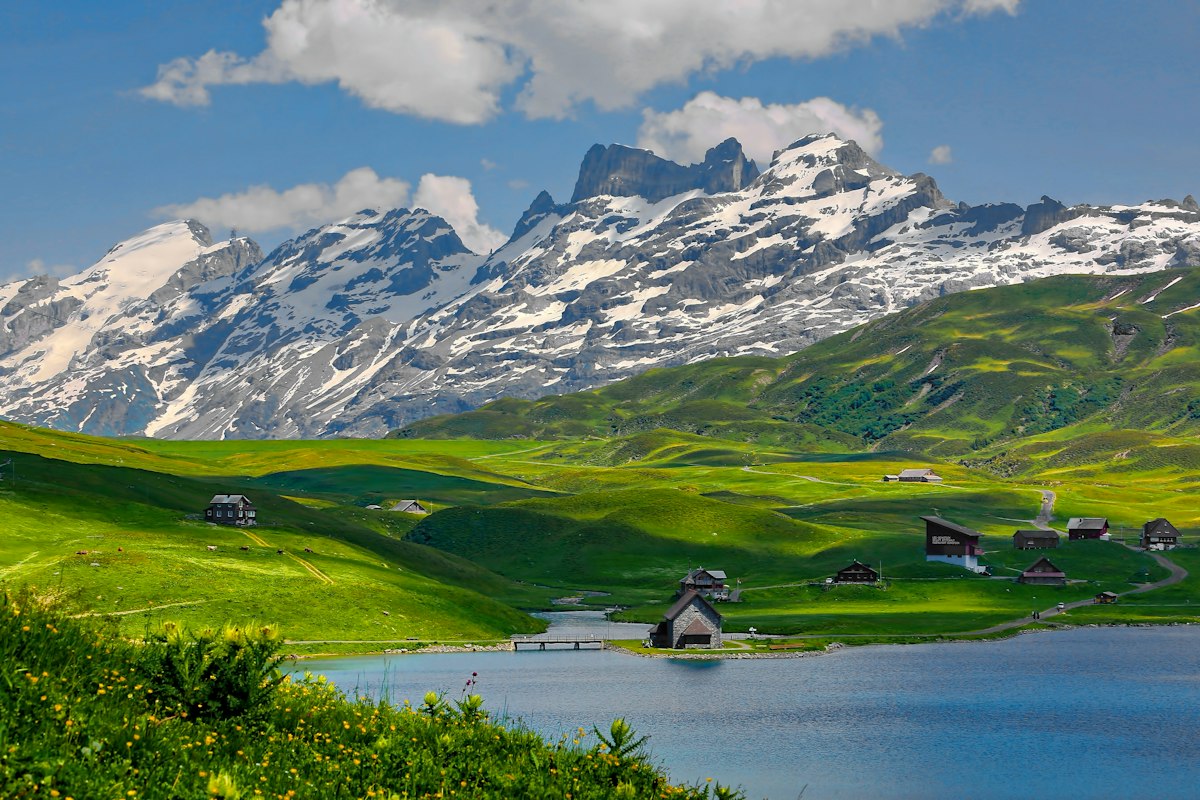
The Swiss rail network is one of the engineering achievements of the modern world, and I do not mean that in a boring infrastructure kind of way. The trains run to the second, they access terrain that looks physically impossible to reach, and the journeys themselves are frequently more beautiful than the destinations. The Glacier Express, the Bernina Express, and the Gotthard Panorama routes are marketed as tourist attractions and priced accordingly, but they also happen to be genuinely extraordinary.
The question most visitors ask is whether the rail pass is worth buying. The answer depends almost entirely on how you plan to use it.
What the Swiss Travel Pass Actually Covers
The pass covers all SBB trains, PostBus routes, lake steamers, and most urban transit networks. It also includes free entry to over five hundred museums across the country. Mountain railways and cable cars are partially covered: most give a 25 to 50 percent discount rather than free travel, with a handful providing full free access.
The panoramic trains, the Glacier Express and Bernina Express, require a seat reservation on top of the pass. The reservation costs around 20 to 33 francs per journey but the journey itself is covered. Without the pass, a one-way Glacier Express ticket from Zermatt to St Moritz costs around 150 francs. With the pass plus reservation it costs 20 francs. On a week-long trip that includes multiple such journeys, the maths is clear.
When the Pass Does Not Make Sense
If you are staying in one city, or in one mountain resort, for the majority of your visit, the pass will not pay off. A week in Zurich with one day trip to Lucerne does not justify the cost. In this scenario, the Half Fare Card is the better option: it costs around 120 francs for a month and gives fifty percent off all SBB fares, which pays off after two or three journeys of any significant length.
Day passes for specific regions are also available and often represent better value for a single day of intensive travel. The Berner Oberland Regional Pass, for example, covers the Interlaken region including many mountain railways at a lower daily cost than the national pass.
The Journeys Worth Taking Regardless of What Pass You Buy
The Bernina Express from Chur to Tirano crosses the highest railway pass in Europe at 2253 metres, passes over the Landwasser Viaduct that curves through a curved cliff face on a single arch, and descends into the Italian-speaking world of Ticino in the course of four hours. It is extraordinary and bookable as a day return from Zurich or St Moritz.
The Brig to Andermatt line through the Furka Pass is less marketed and equally spectacular. The Centovalli line from Locarno to Domodossola in Italy crosses the canton of Ticino through deep forested gorges on a narrow-gauge track that seems to have been built by someone who enjoyed making things difficult. Both are covered by the Swiss Travel Pass.
Route, budget and verification notes
Last editorial review: 1 August 2026. Recheck time-sensitive details shortly before travel.
Build the route
- What the Swiss Travel Pass Actually Covers
- When the Pass Does Not Make Sense
- The Journeys Worth Taking Regardless of What Pass You Buy
Use these sections as planning anchors rather than a fixed schedule. Confirm door-to-door transfer times, opening days and reservation requirements, then add recovery time after long journeys.
Budget before booking
Price the trip in four separate groups: accommodation, transport, food and paid activities. Add local transfers, baggage fees, taxes, insurance and a contingency amount. Exact prices vary by season and booking date, so this guide does not invent a single daily figure that may already be outdated.
Sources to verify
- MySwitzerland for official or primary travel information.
- IATA Travel Centre for passport, visa and health-document checks.
