
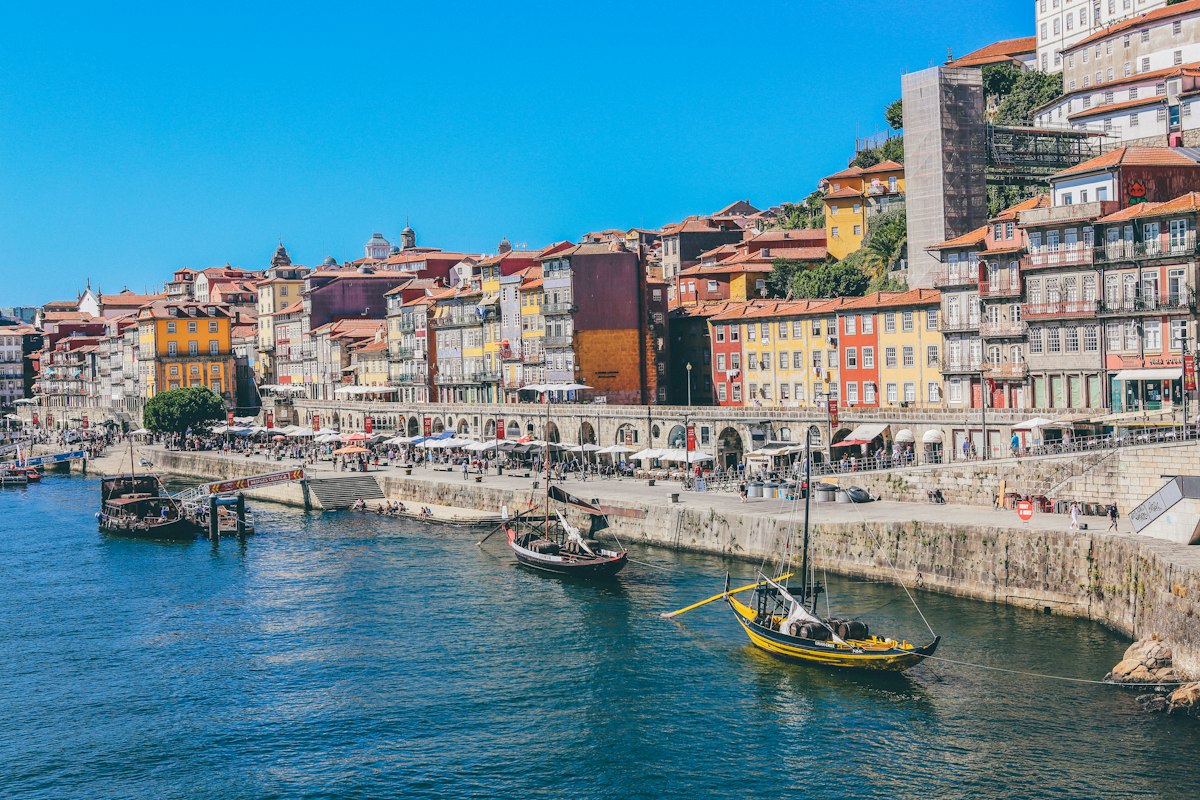
I arrived in Porto expecting a smaller, quieter version of Lisbon. What I found was a completely different city with its own logic, its own food, its own way of spending a Sunday afternoon, and a specific quality of melancholy in its architecture that you either fall for immediately or never quite understand. I fell for it immediately.
Porto has been discovered. There is no pretending otherwise. The Ribeira waterfront is crowded most afternoons and the prices in the tourist restaurants are no longer embarrassingly cheap. But the city is large enough and layered enough that the version most visitors see and the version that actually exists are still completely different places.
The Honest Answer: Yes, Porto Is Worth It
The question worth asking about Porto is not whether it is worth visiting. It obviously is. The question is whether you can find the version of it that justifies the trip beyond the Instagrammed views of the Dom Luis bridge and the inevitable glass of port in a tourist cellar.
The answer is yes, but it requires walking further than most visitors bother. The neighbourhood of Bonfim east of the centre, Cedofeita to the northwest, and the streets climbing up from Miragaia all contain the city as it actually lives: independent bookshops, local restaurants with handwritten menus, the kind of bakeries where the bread is still warm at seven in the morning.
What Most Visitors Miss

The Sao Bento train station has a concourse covered from floor to ceiling in azulejo panels depicting the history of Portuguese transport and regional life. It is one of the finest examples of decorative tile work in Europe and it is free to enter. Most visitors photograph the outside of the building and do not go in.
The Serralves Foundation is a contemporary art museum in a 1930s Art Deco estate on the western side of the city with gardens that are worth visiting even if contemporary art is not your thing. The park is enormous and largely empty on weekday mornings. The restaurant inside the estate is excellent for lunch.
Where and What to Eat
The francesinha is Porto’s signature dish: a meat-filled toasted sandwich covered in a spiced tomato and beer sauce with a fried egg on top. It sounds chaotic and it is. It is also one of the most satisfying meals you will eat in Portugal if you find a good version. The restaurants in the Bonfim neighbourhood make it more seriously than the tourist places in the centre.
For seafood, the restaurants along the Afurada waterfront across from the marina serve grilled fish the way it should be served: simple, fresh, with good olive oil and a carafe of local wine. Bacalhau, the salt cod that defines Portuguese cooking, appears in at least a dozen preparations and every cook will tell you theirs is the only correct one.
How Many Days Do You Need?
Three days gives you a real sense of the city. Two is a minimum and you will leave feeling you missed things, which you will have. Four days starts to include the Douro Valley day trip, which is worth doing and changes the entire trip.
Stay in Bonfim or Cedofeita rather than the Ribeira if you want quieter mornings and better local eating options within walking distance. The views are less dramatic but the experience of the city is considerably more genuine.
Route, budget and verification notes
Last editorial review: 1 August 2026. Recheck time-sensitive details shortly before travel.
Build the route
- The Honest Answer: Yes, Porto Is Worth It
- What Most Visitors Miss
- Where and What to Eat
- How Many Days Do You Need?
Use these sections as planning anchors rather than a fixed schedule. Confirm door-to-door transfer times, opening days and reservation requirements, then add recovery time after long journeys.
Budget before booking
Price the trip in four separate groups: accommodation, transport, food and paid activities. Add local transfers, baggage fees, taxes, insurance and a contingency amount. Exact prices vary by season and booking date, so this guide does not invent a single daily figure that may already be outdated.
Sources to verify
- Visit Portugal for official or primary travel information.
- IATA Travel Centre for passport, visa and health-document checks.
