
Cambodia Travel Cost: A Realistic Daily Budget
A realistic cambodia travel cost starts at about $30 a day for a careful backpacker, while $55–$90 suits most midrange travelers and $120–$200 provides considerably more comfort. Those figures cover a room, meals, local transport, and ordinary sightseeing, but not international flights. Prices are volatile: exchange rates, fuel costs, holiday demand, weather, and last-minute availability can move them quickly. Treat every range below as a planning estimate, check current prices before booking, and keep a buffer of at least 15%.
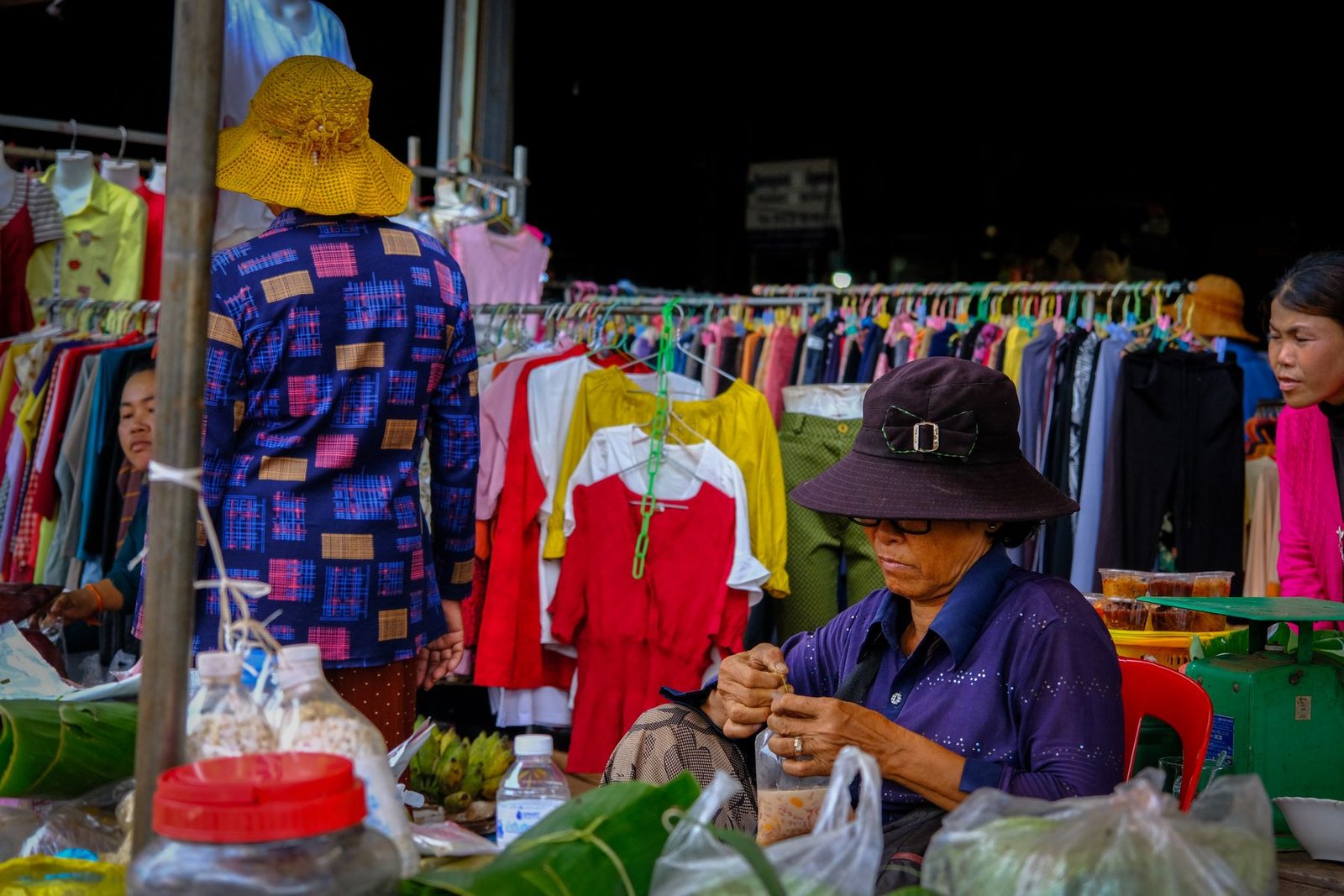
Cambodia daily budget at a glance
Cambodia remains relatively affordable, but a trip built around private transfers, boutique hotels, cocktails, and island resorts costs far more than one based on guesthouses and local food. Angkor passes also make temple days noticeably more expensive than ordinary city days.
| Travel style | Daily range per person | What it generally covers |
|---|---|---|
| Budget | $30–$45 | Dorm or simple room, local meals, shared buses, limited paid attractions |
| Midrange | $55–$90 | Private air-conditioned room, mixed dining, tuk-tuks, regular sightseeing |
| Comfort | $120–$200+ | Higher-grade hotel, private transport, guided visits, drinks and better restaurants |
Couples can often reduce the per-person cost because they share rooms and tuk-tuks. Solo travelers usually pay more for private accommodation and transfers. Families should price Angkor tickets, extra beds, and private vehicles separately rather than multiplying a solo daily estimate.
Accommodation costs
A dorm bed commonly falls around $7–$14, while a basic private guesthouse room may cost $15–$30. Reliable midrange rooms with air conditioning, a private bathroom, and a pool are often $35–$70. Well-located boutique or upscale hotels generally begin around $90 and can rise far beyond $200.
Siem Reap and Phnom Penh offer the broadest choice, so competition can produce good value. Prices rise around major holidays and during the busier dry-season months. On the coast and islands, supply is smaller, electricity and goods cost more to provide, and an attractive beachfront room may command a premium. Check whether taxes, breakfast, airport pickup, and card fees are included. A cheap room outside the center can lose its advantage after repeated tuk-tuk rides.
Food and drink
Local breakfasts, noodle soups, rice dishes, and market meals can cost roughly $1.50–$4. A meal in a casual Cambodian restaurant often lands at $4–$8, while tourist-oriented cafés and international restaurants are more likely to charge $7–$15. Dinner at a polished restaurant, especially with wine or cocktails, can reach $20–$40 per person.
Water, coffee, beer, and snacks quietly affect the total. Refillable water stations help reduce both spending and plastic where safe filtered water is available. A traveler eating mostly local food might spend $10–$18 a day; a mixed approach is closer to $20–$35; frequent café stops, imported food, and evening drinks can push the figure above $50. Choose busy stalls with good turnover and visible hygiene. Saving a dollar is not worthwhile if poor food handling costs a day of the trip.
Getting around Cambodia
Short tuk-tuk journeys in town may cost about $2–$5, depending on distance, demand, and negotiation. Ride-hailing apps can make urban pricing clearer, though coverage varies. City buses are limited, so tuk-tuks and taxis remain useful in Phnom Penh and Siem Reap.
Intercity buses and minivans usually offer the best balance of price and practicality. Common routes may cost approximately $8–$20, while overnight or premium services cost more. Domestic flights save time but fluctuate sharply with date and baggage. Private cars can make sense for two to four people sharing the fare, particularly on awkward routes.
Do not select a bus solely because it is cheapest. Compare safety reputation, vehicle condition, pickup point, arrival time, luggage policy, and recent reviews. Build extra time into travel days; road conditions, traffic, and ferry connections can cause delays. Renting a scooter adds fuel, deposits, potential damage charges, licensing questions, and accident risk, so it is not automatically a saving.
Angkor and Siem Reap expenses
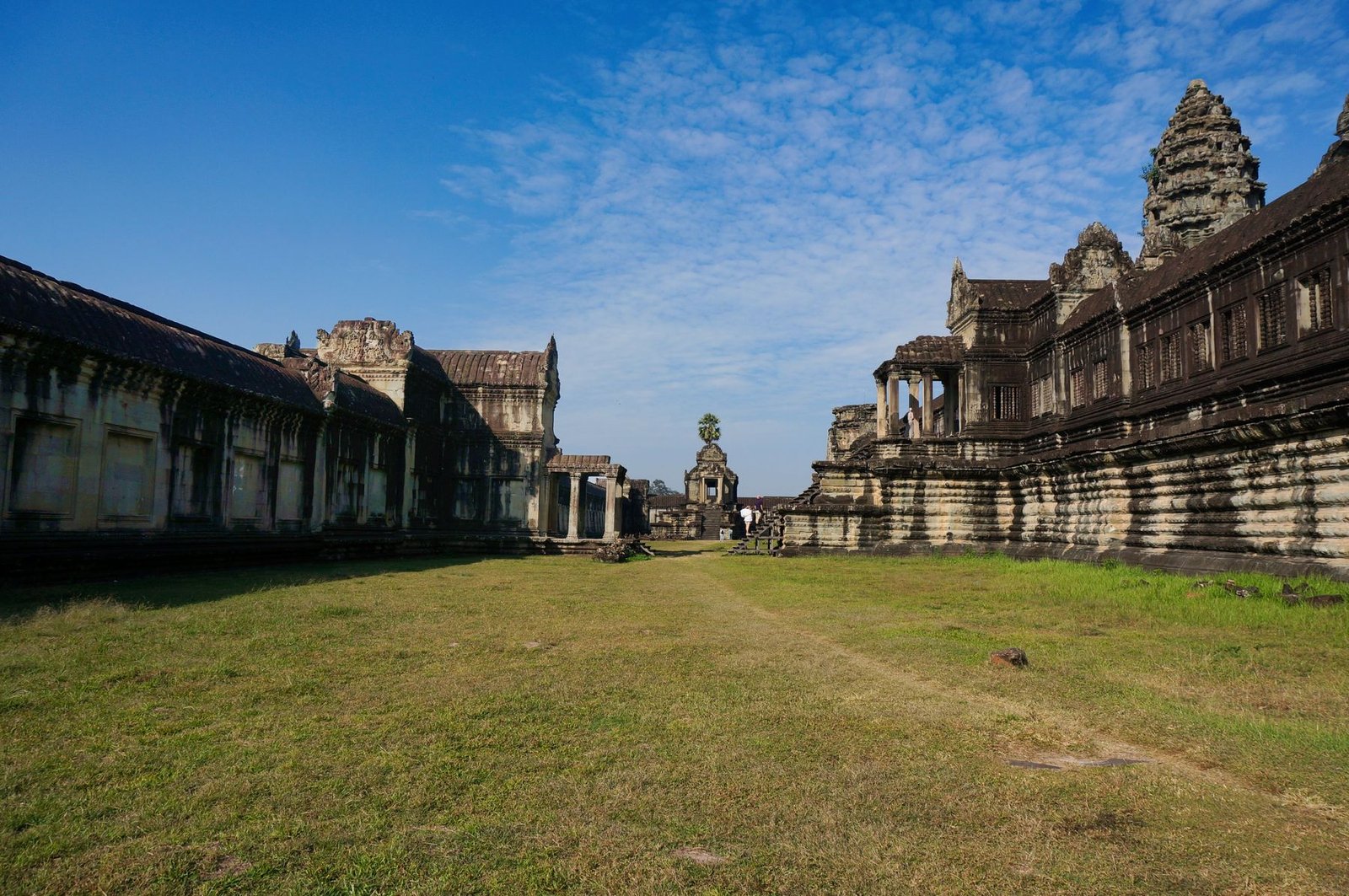
Angkor is often the largest sightseeing expense. Official pass prices and rules can change, so confirm them through the official ticket channel before visiting. Budget separately for the pass, transport around the large archaeological area, drinking water, meals, and an optional licensed guide. A tuk-tuk circuit shared by two travelers is usually more economical per person than solo transport.
One full temple day can add roughly $45–$90 per person once the pass and transport are included; a private guide or longer circuit raises that amount. Multiple days provide a slower pace and distribute transport planning, but they still require a dedicated attraction budget.
Beyond Angkor, Siem Reap can be inexpensive. Markets, riverside walks, and neighborhood restaurants balance paid museums, performances, spas, and cooking classes. Avoid packing every premium activity into the same two days unless that is a deliberate priority.
Phnom Penh budget
In Phnom Penh, allow for tuk-tuks between districts because the capital is spread out and walking conditions vary. Accommodation ranges widely, with better value often found a short distance from the riverfront. Museums and historical sites are individually manageable, but entrance fees, transport, and a guide can make a full sightseeing day cost $25–$60 before meals and accommodation.
The city suits a mixed food budget: use local restaurants for breakfast or lunch, then reserve money for one higher-priced dinner. Rooftop drinks and imported cuisine can double an otherwise modest daily spend. When visiting memorial and historical sites, use official guides or established tours and budget for respectful dress and transport rather than treating them as quick photo stops.
Coast and islands
Kampot and Kep can fit a midrange budget, although countryside tours and private drivers add to the day. Island costs are less predictable. Boats, weather, limited ATMs, resort transfers, and higher food prices all matter. A room that appears affordable may require an expensive speedboat or onward transfer.
Plan $45–$75 a day for a simple island stay and $100–$220 or more for a comfortable resort experience, excluding the initial transfer when it is not bundled. Carry enough cash for lodging, food, and the return journey, plus an emergency reserve. Confirm whether electricity is continuous, freshwater is included, and card payment works before arrival.
Money, ATMs, cards, and tipping
US dollars and Cambodian riel are both encountered, but payment practices and acceptance conditions evolve. Small purchases and change are commonly handled in riel. Keep clean notes in useful denominations, inspect change, and ask which currency a quoted price uses. Use the exchange rate displayed by a reputable bank or card provider rather than relying on rough mental conversions.
ATMs commonly charge a local withdrawal fee in addition to any fee from the traveler’s bank. Fewer, larger withdrawals can reduce repeated charges, but carrying excessive cash creates another risk. Use ATMs attached to banks when possible, protect the keypad, and store backup cash and a second card separately. Decline dynamic currency conversion if the offered home-currency rate is poor. Notify the bank of travel if required and keep a way to freeze cards.
Tipping is appreciated but not generally compulsory. Rounding up a small bill, leaving 5–10% for notably good restaurant service, or tipping a helpful guide or driver is reasonable. Check first for a service charge. Give an amount that reflects the service and your budget rather than copying a fixed foreign standard.
Avoiding false savings
- Do not book the lowest room rate without checking location, taxes, cancellation terms, and recent cleanliness reviews.
- Use licensed, well-reviewed transport instead of saving a few dollars on an operator with repeated safety complaints.
- Buy Angkor access through official channels and reject unofficial “discount” passes.
- Carry travel insurance suitable for planned activities; medical treatment or evacuation can overwhelm any trip budget.
- Leave room for heat, rain, illness, and delays. A schedule with no buffer often produces costly last-minute changes.
Sample 10-day Cambodia budgets
These examples exclude international flights, visas, insurance, shopping, and major nightlife. They assume several destinations, one Angkor visit, ordinary intercity transport, and shared costs where noted.
| Style | Daily spending | Trip extras | Estimated 10-day total |
|---|---|---|---|
| Budget solo | $32 × 10 | $90 for Angkor and longer transfers | About $410 |
| Midrange, per person sharing | $68 × 10 | $140 for Angkor, transfers, and one tour | About $820 |
| Comfort, per person sharing | $145 × 10 | $300 for guides, private transfers, and upgrades | About $1,750 |
Add a 15–20% contingency, making practical targets roughly $475, $945, and $2,100. An island extension, domestic flight, premium Angkor guide, or holiday travel may require more. Travelers staying only in Phnom Penh and Siem Reap may spend less on transfers, while a fast multi-stop itinerary usually costs more.
Frequently asked questions
Is $50 a day enough for Cambodia?
Usually, yes, for a careful traveler using simple private rooms or dorms, local restaurants, and buses. Angkor days, island transfers, and private tours require extra planning, so average the cost across the whole trip rather than forcing every day under $50.
How much cash should I carry?
Carry enough for the next few days plus an emergency reserve, divided between secure locations. The appropriate amount depends on ATM access and prepaid bookings. Islands and rural areas justify more cash than central Phnom Penh, but avoid carrying the entire trip budget together.
Are cards widely accepted?
Hotels, larger restaurants, and tour businesses often accept cards, sometimes with a surcharge. Markets, small eateries, tuk-tuks, and rural businesses commonly require cash. Ask before ordering or receiving a service, and keep a second payment method.
What is the cheapest month to visit?
Rainier months may bring lower room rates, but weather can disrupt roads, boats, and outdoor plans. The cheapest practical period depends on the route and tolerance for rain. Compare total costs and flexible cancellation terms rather than choosing by room price alone.
Conclusion
For most visitors, a sensible Cambodia budget is $30–$45 a day at the budget level, $55–$90 for midrange travel, or $120–$200 and above for comfort. Add Angkor, long transfers, and island transport as separate line items, then include a 15–20% reserve. Spending selectively on safe transport, a well-located room, and a knowledgeable guide often improves the trip more than chasing the lowest possible daily figure.
