
This cameron highlands guide makes a short stay in Malaysia’s cool hill country easier to organise. In two nights, you can see a working tea landscape, walk a forest boardwalk, eat well and fit in a trail without turning the trip into a race. The key decisions are where to sleep, how to move around and what to do when cloud or rain changes the plan. Distances look modest on a map, but steep roads, weekend traffic and scattered sights make realistic timing essential.
A two-night cameron highlands guide itinerary
Day 1: Arrive, orientate and eat locally
Aim to reach Tanah Rata by mid-afternoon. Check in, confirm the next day’s transport and ask the accommodation desk about recent trail and road conditions. Then take an easy walk around town rather than committing to a remote path late in the day. Dinner is a useful introduction to the area: try steamboat on a cool evening, alongside Malaysian Chinese dishes, Indian curries, noodles or Malay rice plates. Cafés also serve scones and strawberry desserts, though these are treats rather than the whole local food story.
Day 2: Tea, Mossy Forest and farms
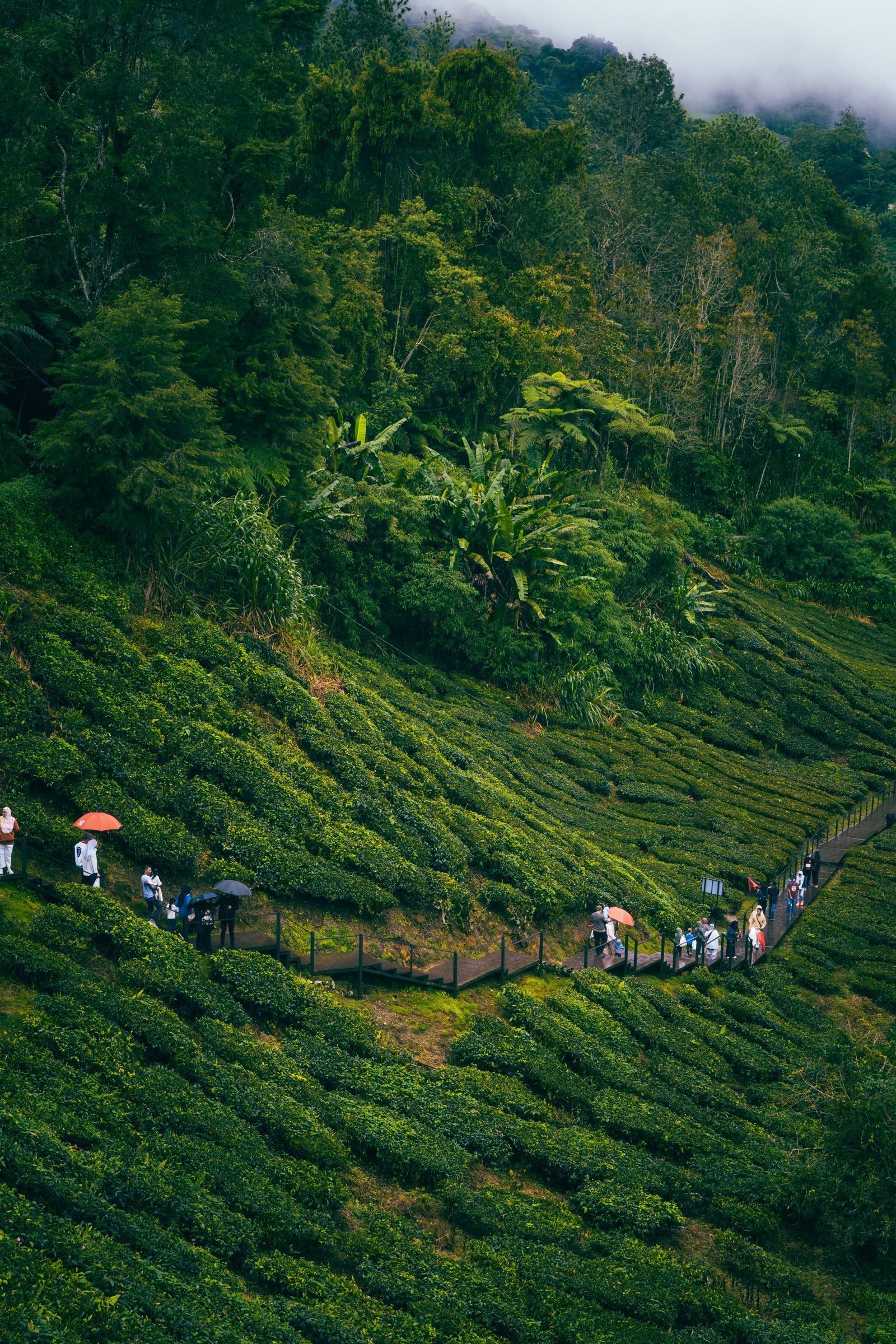
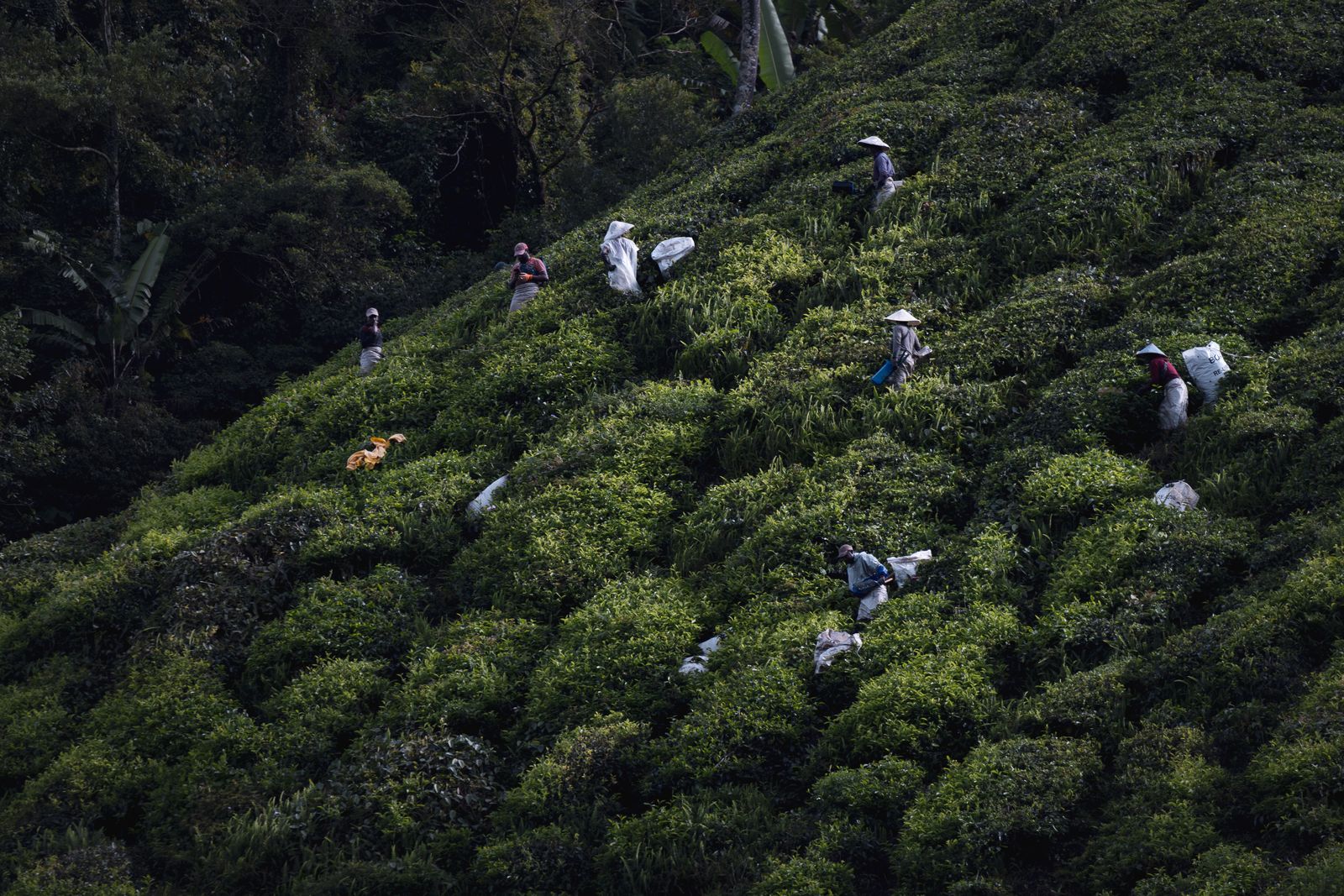
Start early with a booked taxi or small-group tour. Visit a tea estate viewpoint or visitor centre first, when roads and popular photo stops are usually calmer. Tea factories, cafés and access roads may close or change hours, so check the estate’s own notice before setting out. Keep to marked visitor areas: the plantations are workplaces, and rows of tea are not an invitation to cross barriers or block service roads.
Continue toward Mossy Forest Eco Park in Brinchang if weather, road access and your booking allow. The Forestry Department lists the park as open daily from 8am to 5pm, with a capacity of 200 people and a non-citizen adult fee of RM30 as of July 2026. These details can change, so verify them before the visit. The elevated boardwalk offers a defined route through a fragile, moisture-rich forest. Stay on the structure, obey closures, carry out rubbish and do not remove plants.
Use the afternoon for a farm or market stop rather than stacking several similar attractions. Kea Farm is known for produce stalls, while nearby commercial farms may focus on strawberries, vegetables, flowers, bees or butterflies. Admission models and animal-welfare standards vary. Read recent information, choose selectively and avoid feeding or handling wildlife. Return before the main late-afternoon traffic builds, especially on a Friday, weekend or public holiday.
Day 3: Short hike, breakfast and departure
If the forecast and ground conditions are sound, take a short, suitable trail after an early breakfast. Tourism Malaysia advises visitors to consult their accommodation about trail suitability during poor weather, start early, and tell hosts their route and expected return time. Follow those precautions even on a familiar-looking path. If rain is persistent, swap the hike for a relaxed breakfast, a covered market visit or an indoor tea stop before the bus home.
Where to stay: Tanah Rata or Brinchang and Kea Farm?
Tanah Rata suits travellers arriving by express bus and anyone who wants restaurants, tour desks and services within walking distance. The district council lists Tanah Rata bus station and express connections, making it the simplest base without a car. It is also convenient for arranging a taxi and asking a host for trail advice. Budget guesthouses, apartments and mid-range hotels give the town a broad accommodation mix.
Brinchang is useful for its night-market area, food choices and proximity to northern attractions. It can feel busier, and parking or through-traffic may be frustrating at peak times. Kea Farm places you near produce stalls, farms and the ascent toward Gunung Brinchang, but the area is less comfortable for travellers who rely on walking. Choose it when your hotel provides transfers, you have a driver, or your priority is an early northern start.
Check the exact map pin before booking. A property described broadly as being in Cameron Highlands may sit on a steep side road or several kilometres from the centre. Travellers with limited mobility should ask about lifts, stairs, gradients, bathroom access, drop-off space and step-free routes rather than relying on a general “accessible” label.
Getting there by bus or car
Express buses run to Tanah Rata from Kuala Lumpur and Ipoh, but operators, departure points and timetables can change. Confirm the terminal printed on the ticket and arrive early. From Kuala Lumpur, allow roughly four to five hours in ordinary conditions; from Ipoh, a journey often takes about two to three hours. Traffic, roadworks and weather can extend both. Book ahead for weekends, school breaks and public holidays, then leave a sensible margin before any onward flight or train.
The final approach is winding. If motion sickness is an issue, choose a forward-facing seat near the front, avoid a heavy meal, keep water handy and discuss appropriate medication with a pharmacist or clinician. Reading on the bends can worsen symptoms. Bus air-conditioning may also feel cold, so keep a light layer in your day bag.
Drivers commonly approach from the west via Tapah or from the north through the Simpang Pulai route. The Tapah road is older, narrower and notably winding; the Simpang Pulai approach is generally wider but may add distance depending on your origin. Navigation advice can shift with incidents and works, so check official traffic information on departure day. Refuel before the climb, use lower gears on long descents, allow faster local vehicles to pass safely and never stop on a blind bend for a photograph.
Avoid arriving or leaving at the busiest weekend hours. The single main corridor through the highlands can slow dramatically around Brinchang, Kea Farm and popular attractions. A short map distance may consume much of an afternoon during Malaysian school holidays or festive periods. Early starts reduce stress but do not guarantee an empty road.
Getting around without a car
Public transport within the district is limited and is not a dependable way to link several rural attractions in one day. Local taxis, pre-arranged drivers and sightseeing tours are the practical alternatives. Agree on the fare, waiting time, route and final drop-off before leaving. For a tour, ask about group size, admission fees, meal stops and whether the Mossy Forest entrance is actually included. Ride-hailing availability may be inconsistent, particularly outside town or after dark.
Tea estates, forest rules and trail safety
Mossy Forest is a specialised ecosystem shaped by persistent cloud and moisture. The boardwalk can be slick, and steps or uneven sections may challenge some visitors. Wear shoes with grip and move at a considerate pace. Capacity controls, temporary closures and entry arrangements protect both visitors and habitat. Confirm current rules with the Forestry Department and your operator; a tour advertisement is not an official access guarantee.
Trails elsewhere in the highlands range from short town-edge walks to steep, muddy routes with confusing junctions. Numbering and maintenance can change, while phone signal and downloaded maps are not substitutes for local advice. Do not enter a closed route. Avoid hiking alone in poor weather, turn back before daylight fades and carry enough water. Leeches, slippery roots, fallen trees and sudden rain are normal mountain considerations, not signs that basic precautions can be skipped.
Costs, packing and a wet-weather plan
Prices vary by season, room standard and operator. As a planning range rather than a quote, a dorm bed or simple room may cost about RM40–120 per night, while a comfortable private room often begins around RM150 and can rise well beyond RM350 on peak dates. Shared half-day tours commonly fall around RM60–150 per person, and private taxi arrangements may run from roughly RM30 for a short transfer to RM250 or more for several hours. Meals can range from about RM10–25 at casual places to RM40 or more per person for steamboat. Verify current inclusions, taxes, deposits and cancellation terms.
Pack a light waterproof jacket, warm layer, compact umbrella, shoes with traction, spare socks, sun protection, insect repellent and a refillable bottle. A dry bag or sealed pouch protects documents and electronics. Bring any motion-sickness remedy you already know is suitable for you. Cash is useful at small stalls, though card and QR payments are increasingly common; never assume every farm or driver accepts them.
Rain does not have to cancel the day. Keep one covered activity in reserve, such as a tea visitor centre, café, market or long lunch. Move outdoor stops to the clearest forecast window, but do not pressure a driver to continue on an unsafe road. Heavy rain, lightning, poor visibility or an official closure should end a hike or forest plan. A slower afternoon is better than forcing every item onto a checklist.
Responsible and accessible travel
Carry reusable items, refuse unnecessary packaging and take litter back to town. Buy only the produce you can finish, support locally operated food businesses and respect private farmland. Keep noise low at viewpoints and check every applicable rule before flying a drone. Shorter showers and careful waste disposal also reduce pressure on local services during crowded periods.
Accessibility varies sharply. Tanah Rata’s central streets are more manageable than steep farms and forest paths, but kerbs, slopes and broken pavement remain possible. Mossy Forest’s raised route includes changes in level and may not suit all wheelchairs or walkers. Ask attractions for current measurements, step counts, accessible toilets and vehicle access. A private driver with a planned drop-off can make the trip easier for older visitors and people with limited stamina.