
Choosing seoul vs busan is not a contest between two interchangeable Korean city breaks. Seoul is the country’s vast capital: layered palaces, dense shopping districts, major museums, late-night neighborhoods, and day trips radiate from an extensive urban core. Busan is a maritime city shaped by hills, working harbors, seafood markets, temples, and beaches. Most first trips benefit from seeing both, but the right split depends on whether you value cultural range and big-city energy or coastal scenery and a gentler rhythm. This guide compares the experiences and turns that choice into practical itineraries.
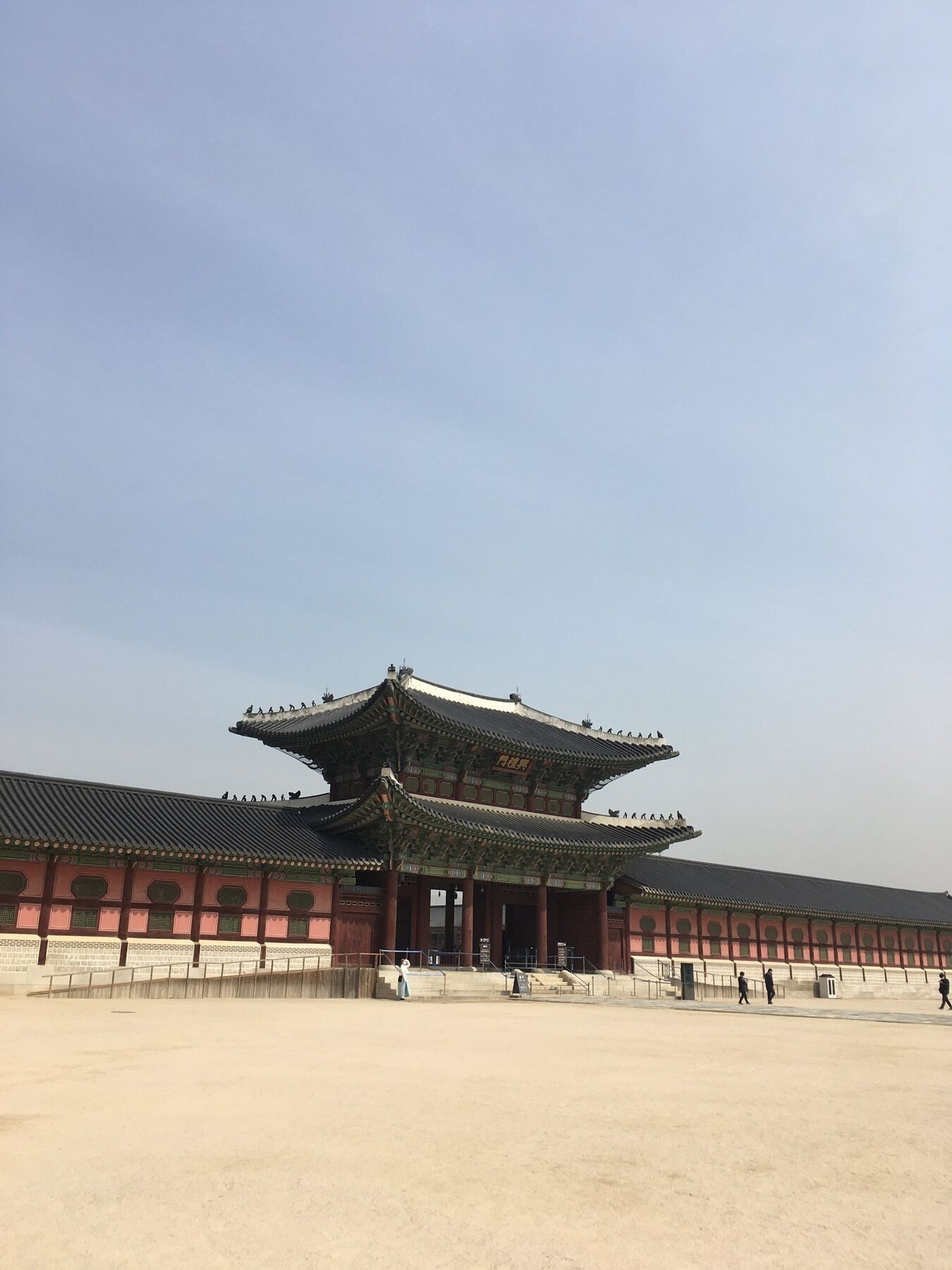
Seoul vs Busan: the differences that shape a trip
Seoul rewards travelers who like choice. A day can move from a Joseon palace to contemporary art, a traditional market, and a riverside walk. Its size brings variety but costs time: attractions that look close may require transfers and long station walks. Busan’s sights are also spread out, yet the sea gives the city a clearer sense of direction. Days often focus on one beach, harbor area, or hillside neighborhood.
Neither city substitutes neatly for the other. Busan has serious history, nightlife, and urban density; it is not merely Seoul with beaches. Seoul has mountains, streams, and broad river parks; it is not only concrete and crowds. Think of them as complementary bases with different emphases.
History and culture
Seoul is the stronger base for a broad introduction to Korean dynastic and modern history. Its palace complexes, royal shrine, city walls, major collections, historic gates, and hanok areas can fill several days. The capital also carries visible layers of colonial history, war, rapid development, and contemporary politics. Select a few major sites rather than rushing through every palace.
Busan’s cultural story is more maritime and modern, drawing on port trade, wartime displacement, fishing communities, and hillside settlement. Museums, memorials, markets, old downtown streets, and slope-built villages make that history tangible. Coastal temples add a setting Seoul cannot reproduce; active religious places require quiet, respectful behavior.
Food, nightlife, and shopping
Both cities are excellent food destinations. Seoul offers breadth: regional Korean cooking, tasting menus, street snacks, late-night barbecue, international restaurants, and traditional markets. Busan’s signature is the coast, with seafood markets, grilled or raw fish, and southeastern specialties. Pork soup, wheat noodles, and fish cakes suit travelers who do not want seafood. At markets, confirm prices and preparation before ordering.
For nightlife, Seoul wins on scale and specialization. Different districts cater to clubs, cocktail bars, live music, student crowds, queer nightlife, and relaxed pubs. Busan has lively nights around its main beaches and central districts, often with the sea as part of the experience, but fewer choices across every niche. Check current opening hours, entry policies, and last transport rather than relying on an old itinerary.
Seoul is also better for a shopping-led trip. Department stores, underground malls, beauty retailers, fashion streets, design shops, electronics, and crafts cover many budgets. Busan has major malls, markets, and independent shops, but shopping usually complements a coastal itinerary. Verify current tax-refund eligibility at the retailer.
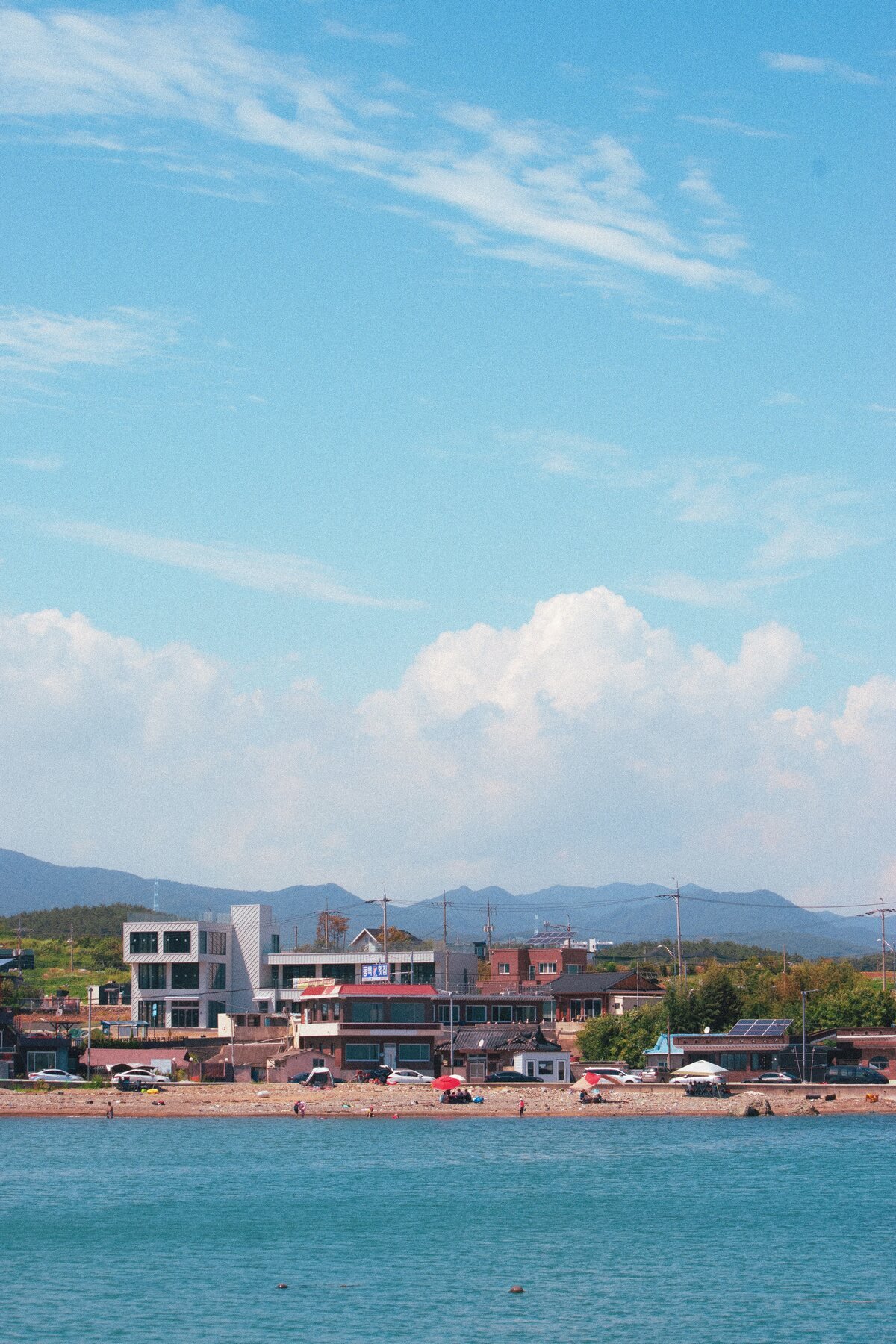
Beaches, nature, pace, and weather
Busan is the clear choice for seaside time. Its best-known beaches are urban, with promenades, cafés, and high-rises nearby. Other stretches feel quieter or more rugged, and cliff paths provide open views when safe. Hills create rewarding outlooks but also steep lanes. Keep a backup plan because wind, rain, water conditions, or seasonal rules can change access.
Seoul instead offers mountain trails reached by public transport, palace gardens, restored streams, and Han River parks. It suits travelers who want a hike or cycle ride without a coastal stay. Trails can be icy, hot, wet, or crowded; check park notices and carry suitable footwear and water.
Busan often feels slower, particularly when an itinerary stays within one coastal area. It is still a large, busy city, and crossing it can consume much of an hour or more. Seoul’s pace is faster and its sensory load higher. Travelers prone to fatigue may enjoy Seoul more with one geographic cluster per day and a deliberate café or park break.
The two cities share Korea’s four distinct seasons, but the coast moderates Busan’s conditions and exposes it to marine wind. Seoul generally experiences sharper inland temperature swings. Summer heat, heavy rain, winter cold, air quality, and severe-weather disruptions can all affect plans. Check the official short-range forecast, air-quality guidance, transport notices, and coastal or trail alerts immediately before each outdoor day.
Transport, access, and airport strategy
Seoul’s subway and buses reach most visitor areas, though large stations add walking time. A reloadable transport card is useful where accepted. Busan has a straightforward network, but some coastal or hillside sights require a bus, taxi, or substantial walk. Use a navigation app with strong Korean coverage.
KTX high-speed trains make combining the cities practical, linking central Seoul with Busan Station. Journey times, stopping patterns, fares, and seat availability vary, so check the official rail operator for the date and reserve early when traveling around weekends or holidays. Arrive with time to find the platform, and distinguish Busan Station from other stations in the metropolitan area.
Seoul’s two principal airports have different locations and route profiles; Busan’s main airport lies west of the central and beach districts. An open-jaw trip—arriving near Seoul and departing from Busan, or the reverse—can avoid backtracking. Compare door-to-door travel, not just airfare. Separate tickets introduce missed-connection risk. Verify terminals, baggage rules, transfers, and ground transport before booking.
Costs and who each city suits
Costs depend more on neighborhood, accommodation standard, season, and booking date than on a city ranking. Seoul can be expensive in popular central districts. Busan may offer better value away from prime beachfront locations, while ocean views carry a premium. Markets, neighborhood restaurants, public transport, and outdoor spaces help control spending. Compare current rates and budget for rail and airport transfers.
Solo travelers benefit from Seoul’s transit, museums, and evening options; Busan suits those comfortable combining metro, buses, and walking. Families may prefer Seoul’s indoor choices in poor weather, while Busan offers beaches and open space. Stroller users should research lifts and steep routes. Couples can choose culture and dining in Seoul or a slower coastal break in Busan.
How many nights to spend in each city
For a first visit, three to five nights in Seoul and two to three in Busan is a sound starting range. Count nights, not nominal days: moving hotels takes time, and a late arrival is not a sightseeing day. Add Seoul nights for museums, shopping, nightlife, or day trips. Add Busan nights for beach time, coastal walks, or a relaxed pace. With only three or four full days in Korea, staying in one city is usually more satisfying than forcing both.
| Trip length | Suggested split | Best for |
|---|---|---|
| 5 days | 3 Seoul / 2 Busan | A fast first look with one transfer |
| 7 days | 4 Seoul / 3 Busan | Balanced culture, food, and coast |
| 10 days | 6 Seoul / 4 Busan | Deeper neighborhoods and slower days |
Sample five-, seven-, and ten-day plans
Five days: Spend day one around a Seoul palace and nearby historic streets, then use day two for a market, a museum, and an evening district. Take a morning KTX on day three and explore Busan’s old downtown and harbor side. Give day four to a beach district and coastal walk, weather permitting. Day five is for a temple, market, or onward travel. This is brisk; pack lightly and stay near convenient stations.
Seven days: Use four Seoul days for royal history, modern museums, nature, and shopping or a focused day trip. Travel to Busan on the fifth morning, then pair a market with a historic hillside area. Devote day six to the coast and keep day seven flexible for another beach, a museum, or departure.
Ten days: Six days in Seoul allow two historic clusters, a museum day, a nature day, a contemporary neighborhood, and either shopping or a day trip. Four Busan days create space for the harbor, two different coastal zones, local food, and a weather buffer. Reverse the order if flight schedules, events, or forecast patterns make Busan a better opening stop.
A quick decision table
| Priority | Choose Seoul | Choose Busan |
|---|---|---|
| History and museums | For the widest range and royal sites | For maritime and modern urban history |
| Food | For breadth and regional variety | For seafood and southeastern specialties |
| Nightlife and shopping | For maximum choice | For compact nights near the coast |
| Nature | For mountains and river parks | For beaches and cliffside paths |
| Pace | For ambitious, varied days | For a more relaxed coastal rhythm |
Frequently asked questions
Is Seoul or Busan better for a first trip to Korea?
Seoul gives the broadest first introduction to Korean history, culture, shopping, and nightlife. Busan is the better single base when coast, seafood, and a less intense pace matter most. With a week, combining both offers a more complete contrast.
Can Busan be a day trip from Seoul?
It is technically possible by fast train, but it produces a long, expensive day and reduces Busan to a few rushed hours. At least two nights lets the city function as a destination rather than a station stop.
Should I start in Seoul or Busan?
Let flight availability, arrival time, and onward plans decide. Starting in Seoul builds from capital landmarks to a calmer coast; starting in Busan can ease jet-lagged travelers into the trip. Avoid an unnecessary return journey when an open-jaw flight works safely and affordably.
Conclusion
Choose Seoul for the deepest concentration of history, museums, shopping, and specialized nightlife. Choose Busan for beaches, maritime character, seafood, and days organized around the coast. For most first-time visitors with seven or more days, a four-night Seoul and three-night Busan split gives each city room to feel distinct. Treat the KTX journey as a simple relocation, not a sightseeing day, and align airports with the direction of travel. Before departure, confirm current rail schedules, attraction closures, reservation rules, weather warnings, and airport procedures through official sources.
