
Where to Stay in Sri Lanka: Areas for Every Trip
Deciding where to stay in Sri Lanka is mostly a question of pace. The island looks compact, but mountain roads, rail journeys, and traffic make frequent hotel changes tiring. A sensible itinerary uses a few well-chosen bases, with day trips where they work and overnight stops where distance or an early start demands them. The right combination also depends on season, beach preference, interest in wildlife, and tolerance for long transfers. This guide compares the main areas honestly, so you can match each stop to your trip rather than trying to fit every famous place into one route.
Where to Stay in Sri Lanka by Region and Travel Style
First-time visitors often combine the west coast arrival point, the Cultural Triangle, the central highlands, and either the south or east coast. That is realistic only with enough days and a willingness to move. For a shorter break, choose one inland cluster plus one coast. Beach-focused travellers can settle in one coastal town and add nearby outings; history and wildlife enthusiasts gain more from strategic one- or two-night bases.
Colombo or Negombo: Arrival and Departure Bases
Colombo suits travellers who want restaurants, galleries, markets, and a view of contemporary urban Sri Lanka. Staying around Fort or central Colombo makes sightseeing convenient, while coastal neighbourhoods farther south can feel calmer. The tradeoff is traffic: crossing the city can consume time, and Colombo is not the most efficient launch point for every inland route.
Negombo is generally the more practical choice for a late arrival or early flight because it is closer to the international airport. Its lagoon, seafood restaurants, and broad beach offer an easy first or final evening, though visitors should not choose it as the island’s definitive beach experience. One night is usually enough for a transit stay; give Colombo two nights if its food and city life are part of the plan.
The Cultural Triangle: Ancient Sites and Open Landscapes
For Sigiriya, Dambulla, and the ancient cities, choose a central base rather than commuting from Kandy. Sigiriya and Habarana work well for short transfers to the rock fortress and nearby nature areas. Dambulla has strong road connections and convenient access to its cave temple, but less evening atmosphere. Polonnaruwa is the better overnight stop if exploring its extensive ruins early, especially by bicycle.
Two or three nights let you see major sites without racing. Accommodation ranges from simple guesthouses to secluded resorts. Remote properties can be peaceful but may require a driver or paid transfers for meals and sightseeing, so budget travellers should check access to restaurants and buses.
Kandy: Culture, Gardens, and a Useful Hub
Kandy is a practical highland gateway with the Temple of the Tooth, a lakefront setting, botanical gardens nearby, and onward rail and road links. Central accommodation allows easy access to the temple and restaurants but brings noise and congestion. Hillside hotels offer wider views and quieter nights, offset by steep approaches and reliance on tuk-tuks or drivers.
Stay one night for the principal sights or two for the gardens and a slower visit. Confirm station transfers with hillside accommodation, particularly if carrying luggage.
Nuwara Eliya: Tea Country and Cool-Climate Calm
Nuwara Eliya appeals to travellers interested in tea estates, colonial-era architecture, gardens, and a distinctly cool climate. It is also a common base for an early visit to Horton Plains. The town centre is useful for restaurants and transport, whereas estate stays trade convenience for scenery and quiet. Ask whether meals and transfers are available before choosing an isolated bungalow.
Pack a warm layer and rain protection. One or two nights normally works, with longer stays best for walkers. Choose Nuwara Eliya for tea-country depth and Horton Plains access; choose Ella for a more sociable base.
Ella: Walks, Views, and a Social Base
Ella is the easiest highland choice for independent travellers who want marked walks, cafés, and guesthouses across several budgets. Little Adam’s Peak, Nine Arch Bridge, and surrounding viewpoints are readily combined over two or three nights. Central stays are convenient but can be busy and noisy; rooms along the hillsides feel quieter, though steep lanes and limited lighting make location important.
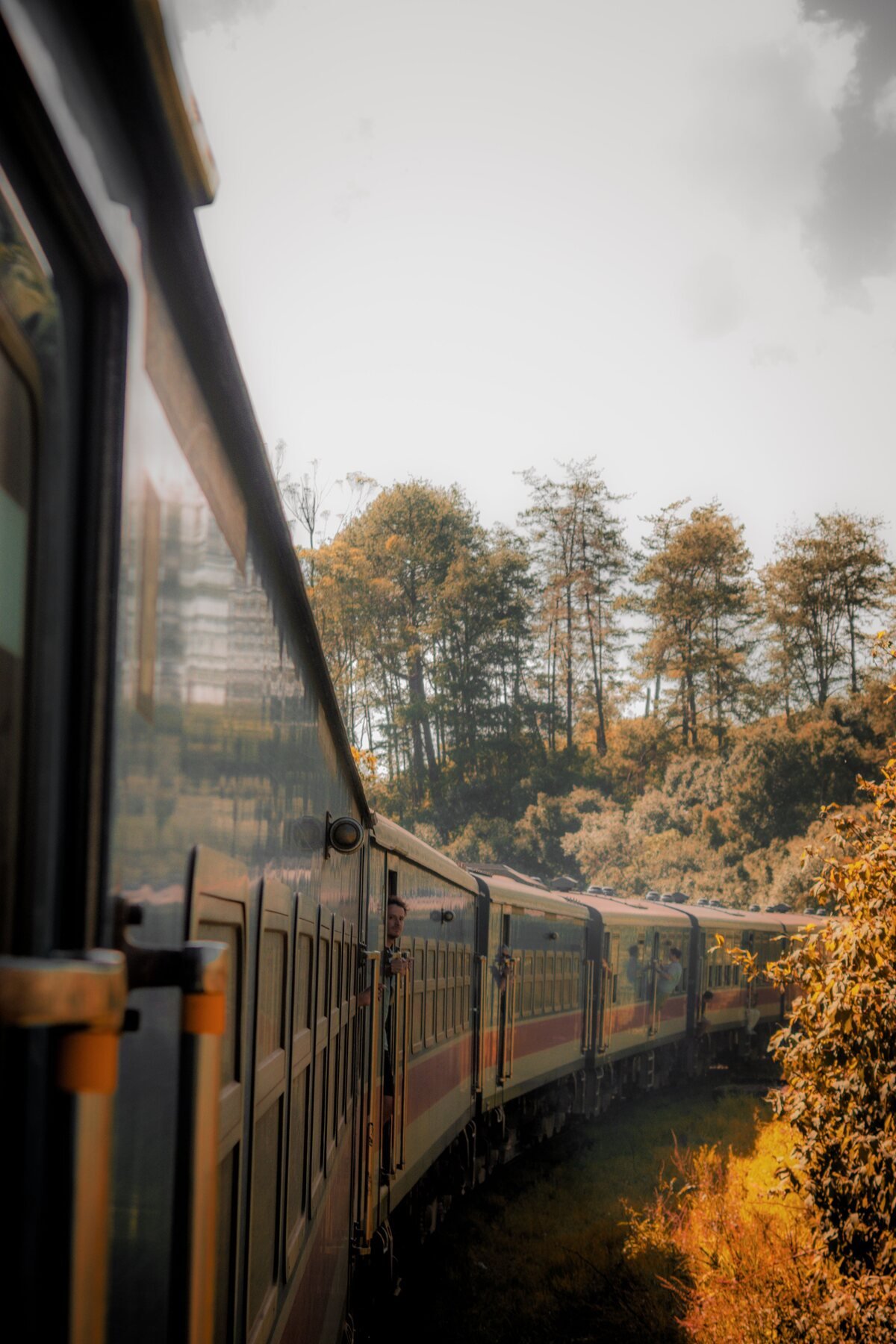
The highland train is scenic, yet seats and schedules can complicate a tightly timed itinerary. Keep some flexibility and consider road transport for one leg. Travellers seeking solitude should stay outside the centre and arrange transport in advance.
South Coast: Choose the Beach That Fits
The south coast is a chain of distinct bases, not one interchangeable resort strip. Bentota suits travellers who want established hotels, water activities, and straightforward access from the west. Hikkaduwa has a lively, developed scene and easy rail links, which can be convenient but less peaceful. Unawatuna combines a sheltered bay with restaurants and proximity to Galle; its compactness also means crowds at popular times.
Farther east, Weligama is well suited to beginner surfers and longer, good-value stays. Mirissa offers a stronger holiday atmosphere, a curved beach, and plenty of dining, but development and nightlife may not suit light sleepers. Hiriketiya is compact and surf-oriented, with stylish small stays; availability can feel constrained. Tangalle provides longer beaches and a quieter mood, although swimming conditions vary and transfers take longer.
Choose one beach for three or more nights instead of relocating repeatedly. Surfers should match the coast and break to their ability, while families should prioritise safer swimming and easy meals. Always follow local warnings: attractive water can still have strong currents. Travellers without a driver benefit from towns on the rail line, but tuk-tuks or local transfers remain useful for beach-hopping.
Galle: Heritage, Food, and Easy Coastal Day Trips
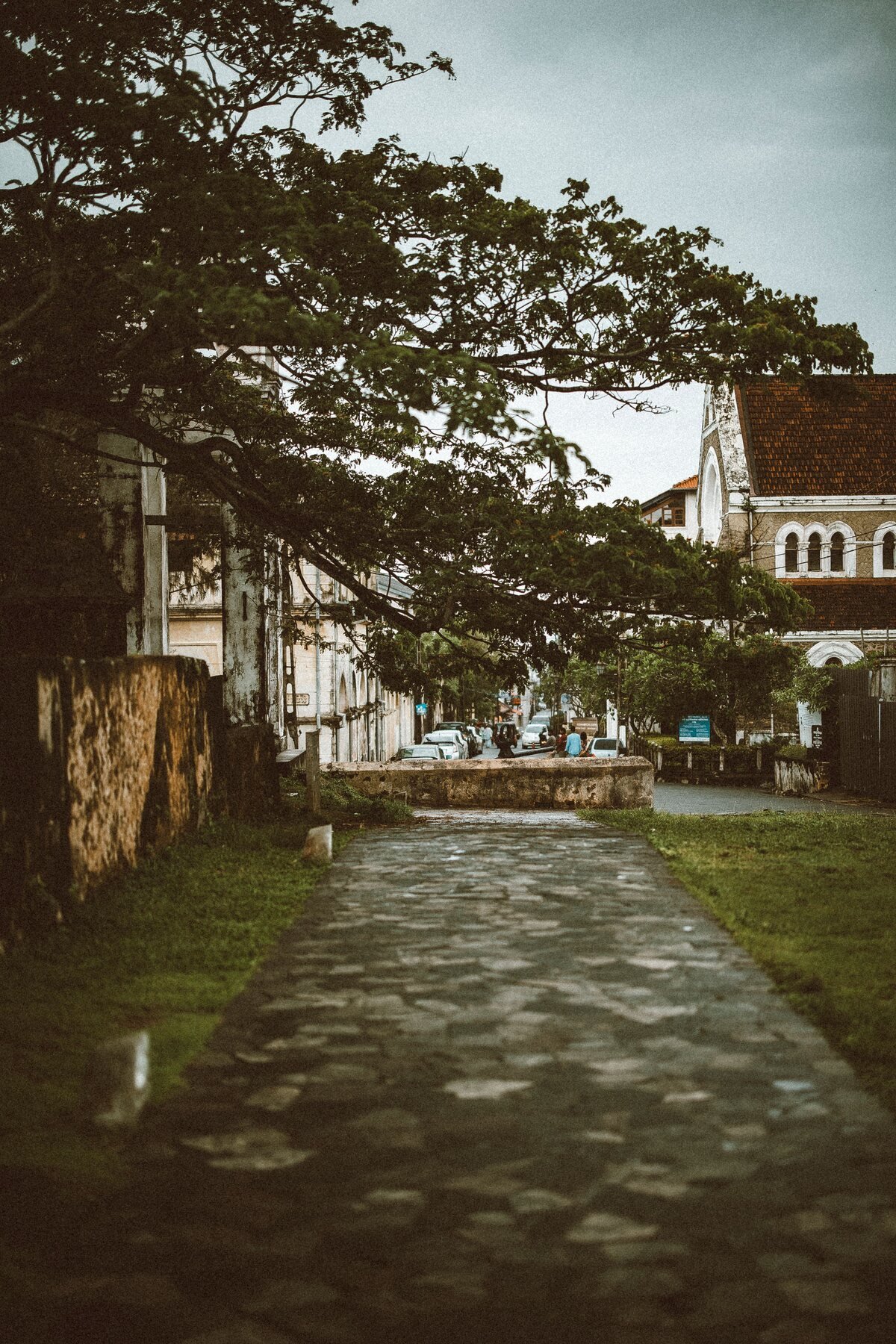
Galle Fort is the strongest base for architecture, independent shops, and evenings on foot. Boutique hotels inside the walls put cafés and ramparts at the door, but rooms can be smaller and rates higher than outside the fort. Staying in greater Galle offers better-value guesthouses and easier vehicle access, though it loses some after-dark charm.
Two nights allow an unhurried visit and a trip to nearby beaches. Galle suits travellers who prefer culture and dining to full beach days. Use short rides instead of changing hotels between the fort and a nearby beach.
East Coast: Seasonal Beaches and a Slower Rhythm
Trincomalee and the nearby beaches of Uppuveli and Nilaveli are useful northeastern bases. Trincomalee provides temples, local life, and transport links; the beach areas offer a more relaxed resort setting. Farther south, Pasikuda is known for a shallow bay and resort-style stays. Arugam Bay is the leading choice for surf culture and a sociable main street, while quieter accommodation lies beyond its centre.
The east coast works well when conditions are less favourable in the southwest, but some businesses reduce hours outside the main season. Reaching it can require a long transfer, so allow at least three nights. It combines naturally with the Cultural Triangle or eastern wildlife areas.
Wildlife Access: Stay Near the Right Park
Wildlife plans should determine the base. Tissamaharama is the common service town for Yala, with many guides and accommodation levels. Properties closer to park boundaries reduce early driving but may limit independent dining. Udawalawe town and nearby lodges support visits to Udawalawe National Park and fit road routes between the hills and south coast. Wilpattu usually requires a dedicated stay near its entrances because day trips from Colombo are demanding.
One or two nights is enough for many safari stops, and repeated drives do not guarantee particular sightings. Select responsible operators, keep distance from animals, and avoid anyone pressuring wildlife. Park access and animal movements can change, so confirm conditions shortly before arrival.
Planning by Trip Length, Transport, and Budget
For roughly one week, combine two main bases and perhaps an airport night: the Cultural Triangle with the east coast, or Kandy and Ella with the south coast. With ten to fourteen days, add a third region and a safari stop. Longer trips can include both ancient cities and highlands without sacrificing restorative beach time.
Private cars save time and are especially useful for families, groups, and remote hotels. Trains are atmospheric and affordable on suitable routes, but they do not reach every attraction. Buses extend the network at low cost, with less space and predictability. A mixed approach often works best.
Budget is shaped by location as much as room category. Central guesthouses reduce transport costs; remote resorts may include facilities but make outside meals harder. Compare breakfast, air-conditioning, cancellation terms, and transfers—not just the nightly rate.
Frequently Asked Questions
What is the best area for a first visit?
A balanced first trip usually includes the Cultural Triangle, one highland base, and one coast suited to the season. Colombo or Negombo can be added for flight logistics rather than treated as compulsory sightseeing stops.
Is it better to stay in Ella or Kandy?
Ella is better for accessible walks, views, and a social traveller scene. Kandy is stronger for major cultural sights, gardens, and transport connections. With enough time, they complement rather than replace each other.
How many hotel changes are reasonable?
A change every two or three nights is a comfortable upper limit for most travellers. One-night stays make sense near an airport, safari park, or distant historical site, but too many turn the holiday into a sequence of transfers.
Which coast should I choose?
Choose according to current seasonal conditions, swimming or surfing needs, and onward route. The south offers many closely spaced towns and strong transport links; the east rewards a longer stay and can pair efficiently with inland sites.
Conclusion
The most satisfying route uses fewer, better bases. Pick Colombo or Negombo for logistics, the Cultural Triangle for archaeology, Kandy for culture, Nuwara Eliya or Ella for the hills, and one coast that matches the season and preferred pace. Add Galle for heritage or a dedicated park stay for wildlife. Allow realistic transfer time, check each hotel’s exact location, and protect a few unscheduled hours. Sri Lanka rewards range, but it rewards breathing room just as much.
