
Mykonos has a reputation that precedes it in most conversations about Greek islands, and it is not entirely wrong. The island is glamorous, expensive, and in high season extremely busy. But there is a version of Mykonos that exists beneath the surface of the parties and the designer boutiques that I found far more interesting — in the whitewashed backstreets of the old town at dawn, on the quieter beaches in September, in the extraordinary archaeological site just offshore.
Mykonos Town: The Labyrinth
The old town of Mykonos — Chora — was designed to confuse pirates, and it still succeeds on visitors. The streets are deliberately tortuous, branching and doubling back in ways that defeat any attempt at systematic navigation. I gave up on maps on the second morning and wandered instead, which is the correct approach. The whitewashed cubic architecture, the bougainvillea cascading over doorways, the pelican (Little Petros, the town mascot) wandering through the market area — it is everything the photographs suggest, and the photographs do not lie.
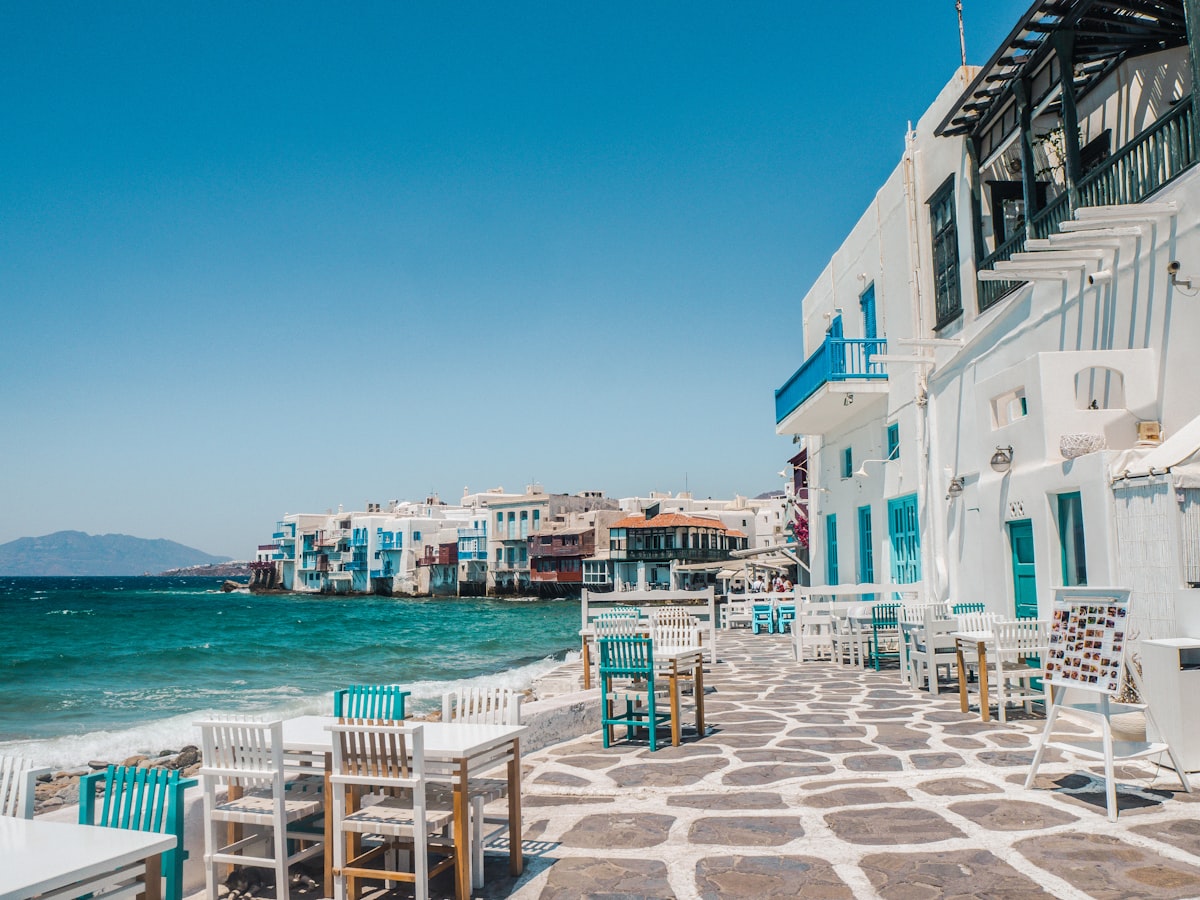
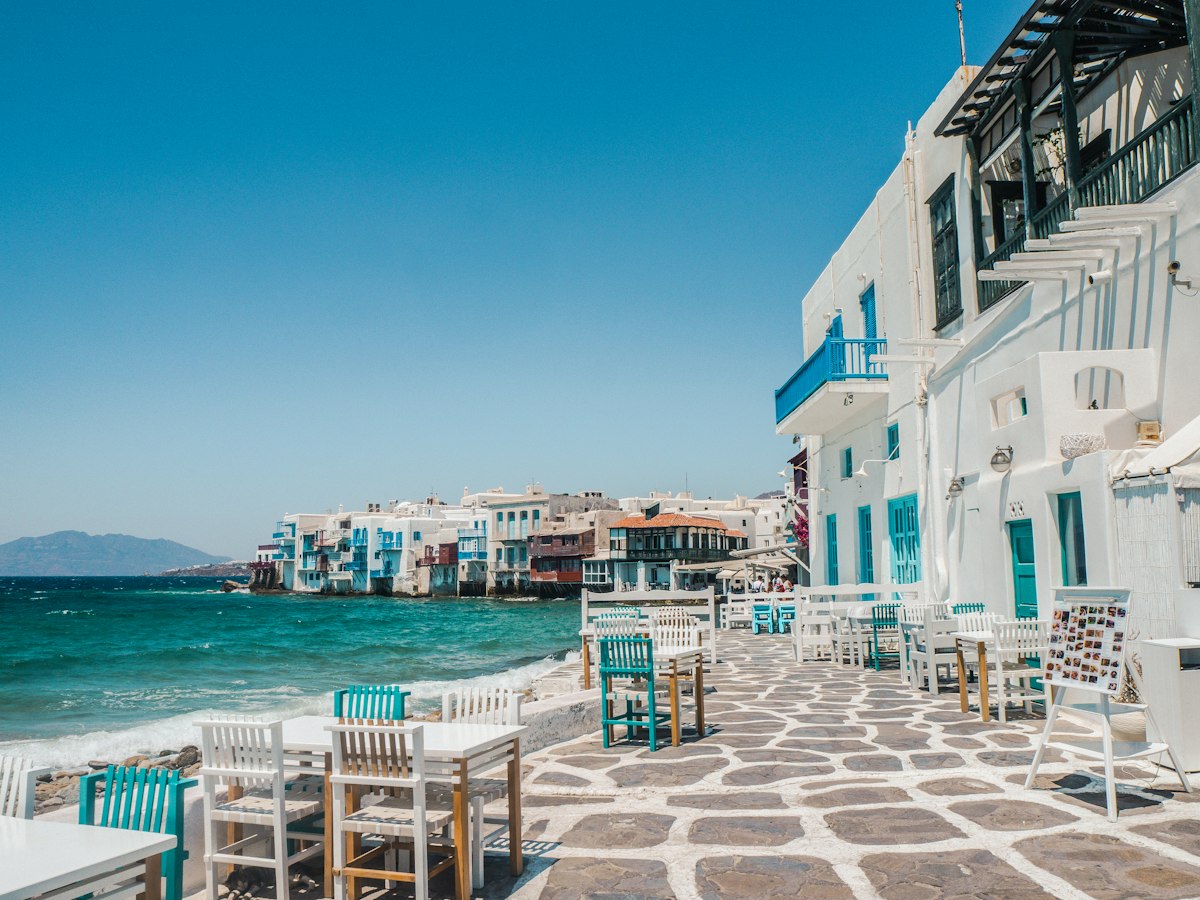
Little Venice, the row of houses built directly over the sea at the western edge of the town, is best in the afternoon when the light comes from the west and the bars on the water’s edge are full. The windmills above it, on the Kato Mili hill, are the most photographed sight on the island and are genuinely beautiful at golden hour.
Delos: Sacred Island, Extraordinary Site
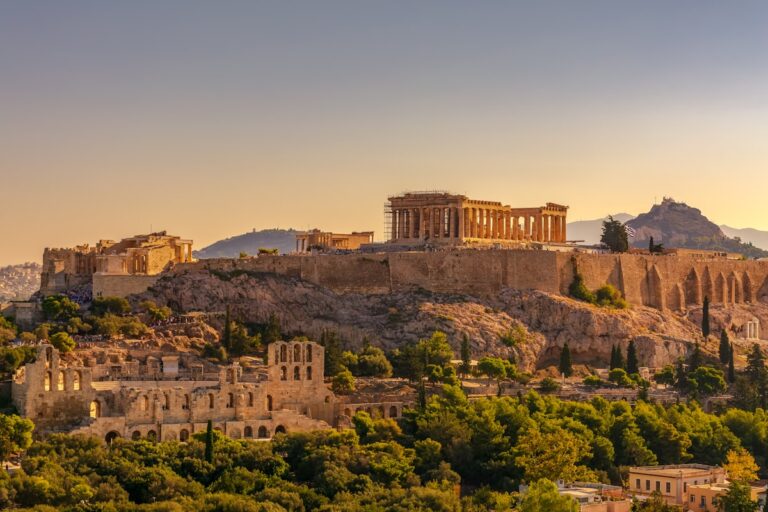
A short boat ride from Mykonos lies Delos — an uninhabited island that was, in antiquity, one of the most sacred sites in the Greek world, the mythological birthplace of Apollo and Artemis, and a major commercial hub of the ancient Mediterranean. The archaeological site covers much of the island and contains extraordinary remains: the Terrace of the Lions, an avenue of marble lion sculptures from the seventh century BC; well-preserved houses with beautiful mosaic floors; temples, theatres and storehouses that paint a vivid picture of ancient urban life.
It is one of the finest archaeological sites in Greece and almost criminally undervisited given its proximity to one of the busiest tourist islands. Take the morning boat, allow four hours, and bring water and sun protection — there is no shade on the island.
The Beaches
Mykonos has excellent beaches, ranging from the famous (Paradise and Super Paradise, which are party beaches with full infrastructure and significant crowds) to the quieter (Agios Sostis, in the north, which has no sunbeds, no beach bars and no road access — you walk twenty minutes from the nearest parking). I preferred the latter category significantly. Elia beach, on the south coast, struck a good balance: beautiful, accessible, with decent facilities but not the relentless party atmosphere of Paradise.
Practical Tips
- Mykonos in August is extremely expensive and crowded. May-June and September offer the same beauty at significantly lower prices.
- Book Delos ferry tickets in advance in high season — the boats fill up.
- The island is small enough to cover by ATV in a day; hire one early as they go quickly.
- Eating well in Mykonos requires moving away from the main tourist streets — the best restaurants are in the quieter corners of Chora.
Planning a Greek island trip? Also read our guide to Santorini — another iconic island that pairs beautifully with Mykonos on an Aegean itinerary.