
Iceland is the kind of place that forces you to reconsider what a hotel is actually for. Most travel happens in a car or on foot across empty landscapes. You sleep wherever the road puts you at the end of a long day. The best accommodation here works with that reality rather than trying to replace it with something artificial.
The hotels that have stayed with me from three Iceland trips were all ones that felt anchored to their specific location, not exported from a global hospitality template. They used local materials, local food, local silence. Some were tiny. None were boring.
Hotel Budir – Black Church, Lava Fields, Almost Nobody Around
Hotel Budir sits at the tip of the Snaefellsnes Peninsula, a three-hour drive from Reykjavik that most Ring Road travellers skip entirely. The only buildings here are the hotel and a small black church surrounded by a lava field running down to the Atlantic. That is it. No village. No petrol station. No reason to be here except the extraordinary quiet.
The restaurant sources almost everything from the surrounding sea and farms. The Arctic char is caught by local fishermen. The lamb was grazing a few kilometres away last week. On clear nights, the northern lights appear directly overhead with nothing in the way.
ION Adventure Hotel – Designed for the Landscape
The ION sits on a lava field above Thingvellir National Park, the spot where the American and European tectonic plates meet at the surface. The building is cantilevered over the lava, elongated, glass-fronted, and designed so that the landscape appears to flow through the structure rather than being interrupted by it.
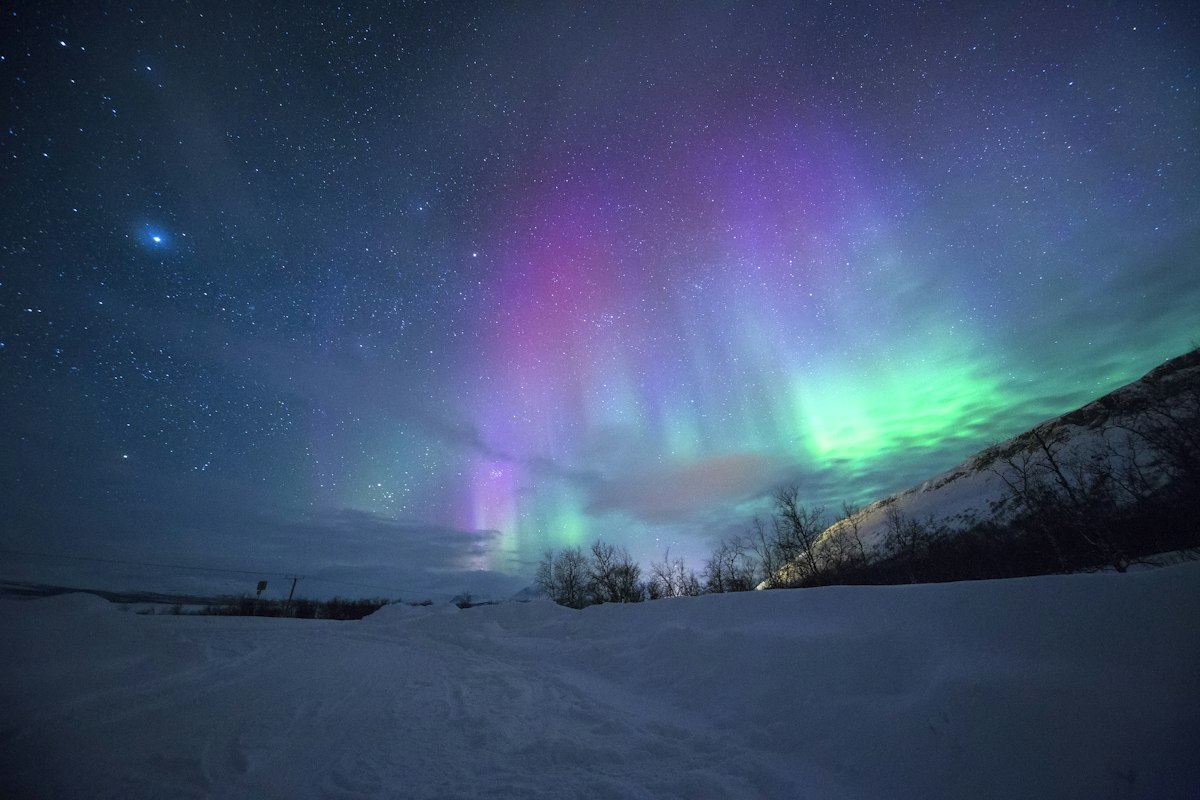
The outdoor hot tubs face north and are positioned for aurora watching in a way that feels deliberate and considered. In September or October, staying here and seeing the northern lights reflected in the geothermal pools is one of those travel experiences that you struggle to describe accurately to people who were not there.
Fosshotel Glacier Lagoon – Wake Up Next to Vatnajokull
The southeast of Iceland, between Jokulsarlon Glacier Lagoon and Skaftafell, was almost impossible to stay in overnight until this property opened. Previously visitors arrived, spent two hours watching icebergs drift toward the sea, and drove away. Fosshotel changes what is possible in this part of the country entirely.
At first light, before the tour buses arrive, the lagoon belongs entirely to the hotel guests. The blue of the glacial ice changes every fifteen minutes as the sun moves. I watched for two hours from the hotel terrace with a coffee and did not open my phone once.
Deplar Farm – North Iceland for Those Who Want Silence
The Troll Peninsula in northern Iceland is so far removed from the tourist trail that reaching it requires a small charter flight or a very long drive through mountain passes that close in winter. Deplar Farm was converted from an actual working sheep farm. The valley it occupies has no neighbours within visual range in any direction.
In summer you can heli-ski on the surrounding mountains, in winter there is snowcat skiing and ice fishing, and in between there is the hot tub fed by a mountain stream where you sit in silence watching the valley change colour. It is the most expensive entry on this list and worth every penny for the right traveller.
When to Go and Practical Notes
Iceland no longer has an off-season in the traditional sense. Summer brings the midnight sun and crowds. Winter brings darkness, northern lights, and far fewer tourists. For the hotels listed above, winter rates are frequently lower and the experience of isolation more complete. Do not wait for summer if seeing the aurora is a priority.
Rental cars book out months in advance for July and August. The 4WD requirement for highland roads is not optional. Budget for fuel, which costs more than in most of Europe, and always carry cash for the few remaining rural properties that have unreliable card readers.
Route, budget and verification notes
Last editorial review: 1 August 2026. Recheck time-sensitive details shortly before travel.
Build the route
- Hotel Budir – Black Church, Lava Fields, Almost Nobody Around
- ION Adventure Hotel – Designed for the Landscape
- Fosshotel Glacier Lagoon – Wake Up Next to Vatnajokull
- Deplar Farm – North Iceland for Those Who Want Silence
Use these sections as planning anchors rather than a fixed schedule. Confirm door-to-door transfer times, opening days and reservation requirements, then add recovery time after long journeys.
Budget before booking
Price the trip in four separate groups: accommodation, transport, food and paid activities. Add local transfers, baggage fees, taxes, insurance and a contingency amount. Exact prices vary by season and booking date, so this guide does not invent a single daily figure that may already be outdated.
Sources to verify
- Visit Iceland for official or primary travel information.
- IATA Travel Centre for passport, visa and health-document checks.