
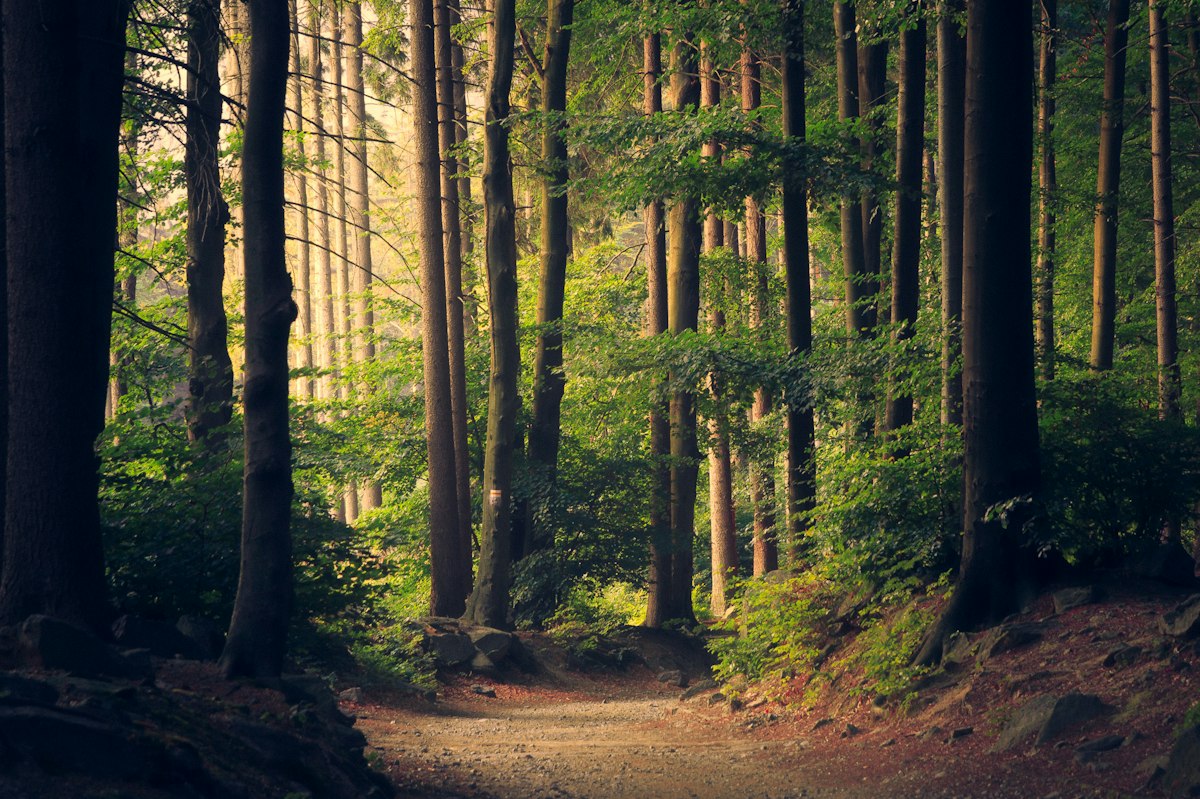
Monteverde Cloud Forest is one of the most famous nature destinations in Central America and one of the few places that consistently delivers exactly what its reputation promises. I arrived sceptical, having been to enough over-hyped natural attractions to protect myself with low expectations. I left after three days having genuinely changed my mind about what a forest could be.
The cloud forest works on you slowly. The mist moves through the trees. The silence is broken only by bird calls you cannot identify. The vegetation is so dense and so layered that after an hour on the trail you start to see it as architecture rather than biology.
Monteverde vs Santa Elena Reserve: Which to Choose
Most visitors know about the Monteverde Cloud Forest Reserve and do not know that the Santa Elena Reserve, a smaller protected area a few kilometres away, exists. The two reserves protect different sections of the same forest and both are worth visiting, but they have different characters.
Monteverde receives more visitors and has better infrastructure: wider trails, more facilities, a good visitor centre with natural history exhibits. Santa Elena is smaller, steeper, receives fewer visitors, and offers a slightly wilder experience. If you have one day, go to Monteverde. If you have two days, do both. The Monteverde entry fee is slightly higher but both are inexpensive by Costa Rican standards.
Spotting the Resplendent Quetzal
The resplendent quetzal is the most sought-after bird in Central America and Monteverde is one of the best places in the world to see it. The male has tail feathers up to a metre long, iridescent green plumage that changes colour in different light, and a red breast that looks almost artificial. When it moves through the forest canopy it is one of the most striking things in nature.
The best chance of seeing one is during the nesting season from January to June, in the early morning before eight, and with a local guide who knows the current nest locations. Guides at both reserves know where the quetzals are feeding each morning and a two-hour guided walk during nesting season has a high probability of success. Without a guide and outside nesting season, you might see one or you might not.
Night Walks: A Completely Different Forest
The cloud forest at night is a different ecosystem from the daytime version. The animals that are invisible or inactive during the day become active: glass frogs on leaves near streams, kinkajous moving through the canopy, tayras hunting along the forest floor, and the occasional puma track in the mud that reminds you that the food chain here is real and you are not at the top of it.
Guided night walks run from the reserves and from several lodges in the area. Two hours is enough to see the forest transform. Bring a headlamp in addition to the one provided, wear long sleeves and trousers, and do not use white light near streams where the glass frogs are found.
Getting to Monteverde and Where to Stay
Monteverde is reached by a road from the Pan-American Highway that is unpaved for the final section and notorious for being rough even by Costa Rican standards. It takes about three hours from San Jose, four from La Fortuna via the unpaved mountain route, and the journey itself is part of the experience. Arriving at dusk as the mist comes in across the mountains is one of those travel moments that does not need a photograph to be remembered.
Accommodation ranges from budget guesthouses in Santa Elena town to mid-range lodges closer to the reserves. Staying near the reserves rather than in town reduces the morning drive to the entrance and gives you earlier access to the forest before the tour groups from San Jose arrive.
Route, budget and verification notes
Last editorial review: 1 August 2026. Recheck time-sensitive details shortly before travel.
Build the route
- Monteverde vs Santa Elena Reserve: Which to Choose
- Spotting the Resplendent Quetzal
- Night Walks: A Completely Different Forest
- Getting to Monteverde and Where to Stay
Use these sections as planning anchors rather than a fixed schedule. Confirm door-to-door transfer times, opening days and reservation requirements, then add recovery time after long journeys.
Budget before booking
Price the trip in four separate groups: accommodation, transport, food and paid activities. Add local transfers, baggage fees, taxes, insurance and a contingency amount. Exact prices vary by season and booking date, so this guide does not invent a single daily figure that may already be outdated.
Sources to verify
- Visit Costa Rica for official or primary travel information.
- IATA Travel Centre for passport, visa and health-document checks.
