
Planning a malaysia travel cost means accounting for more than cheap meals and a hotel headline rate. The country can suit lean backpackers, mid-range couples and travellers who prefer more comfort, but islands, flights, private rooms and holiday dates quickly change the total. For July 2026 planning, use the ranges below as estimates, not promises. Prices vary by booking date, exchange rate, route and availability, so keep a contingency rather than treating any daily figure as a fixed quote.
Malaysia travel cost: realistic daily ranges for July 2026
These estimates are per person, per day, based on two people sharing where a room is involved. They exclude international flights and major shopping. A solo traveller booking private rooms should expect a higher personal total; a dorm traveller may spend less.
| Travel style | Estimated daily range | What it generally covers |
|---|---|---|
| Backpacker | RM140–220 | Dorm or simple shared stay, local meals, public transit, limited paid sights |
| Mid-range | RM300–480 | Shared private room, mixed dining, rail and e-hailing, regular attractions |
| Comfortable | RM600–950 | Better hotel, more private transfers, stronger dining and activity allowance |
The top end matters in July, when school breaks, weekends and popular island conditions can tighten supply. East-coast beach demand can be strong during its more suitable sea season, while weather patterns affect west- and east-coast islands differently. Public holidays, festivals and major events can also lift room and flight prices. Compare refundable rates early, then check again before the cancellation deadline.
What each day actually pays for
Lodging
Allow roughly RM45–90 per person for a hostel-oriented plan, RM110–220 per person for a shared mid-range room, or RM260–500 per person for a shared higher-comfort room. These are broad planning bands, not claims that every destination offers those rates. Location, room condition, breakfast, weekend demand and booking terms matter more than a nominal star rating.
The common trap is comparing a room price with a per-person daily budget. A RM300 room costs RM150 each for two guests but the full RM300 for a solo guest. Check whether taxes, service charges and breakfast appear in the displayed total. Tourism Malaysia package pages repeatedly state a tourism tax of RM10 per room per night for foreign visitors. Verify eligibility, exemptions and the current rule with the property or official source before travel.
Food and drinks
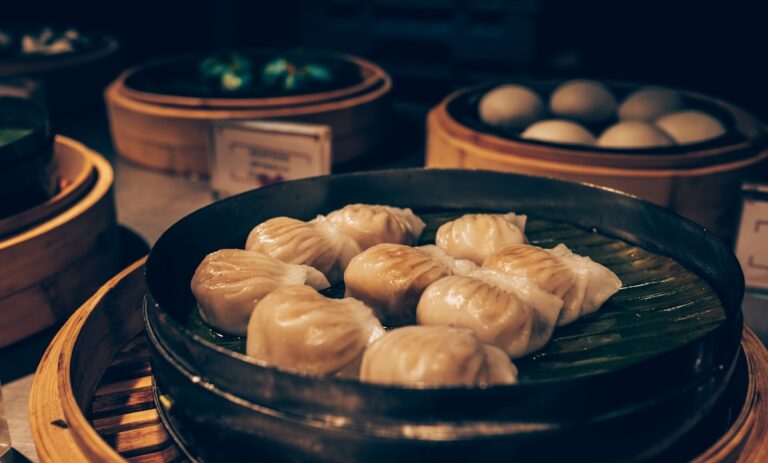
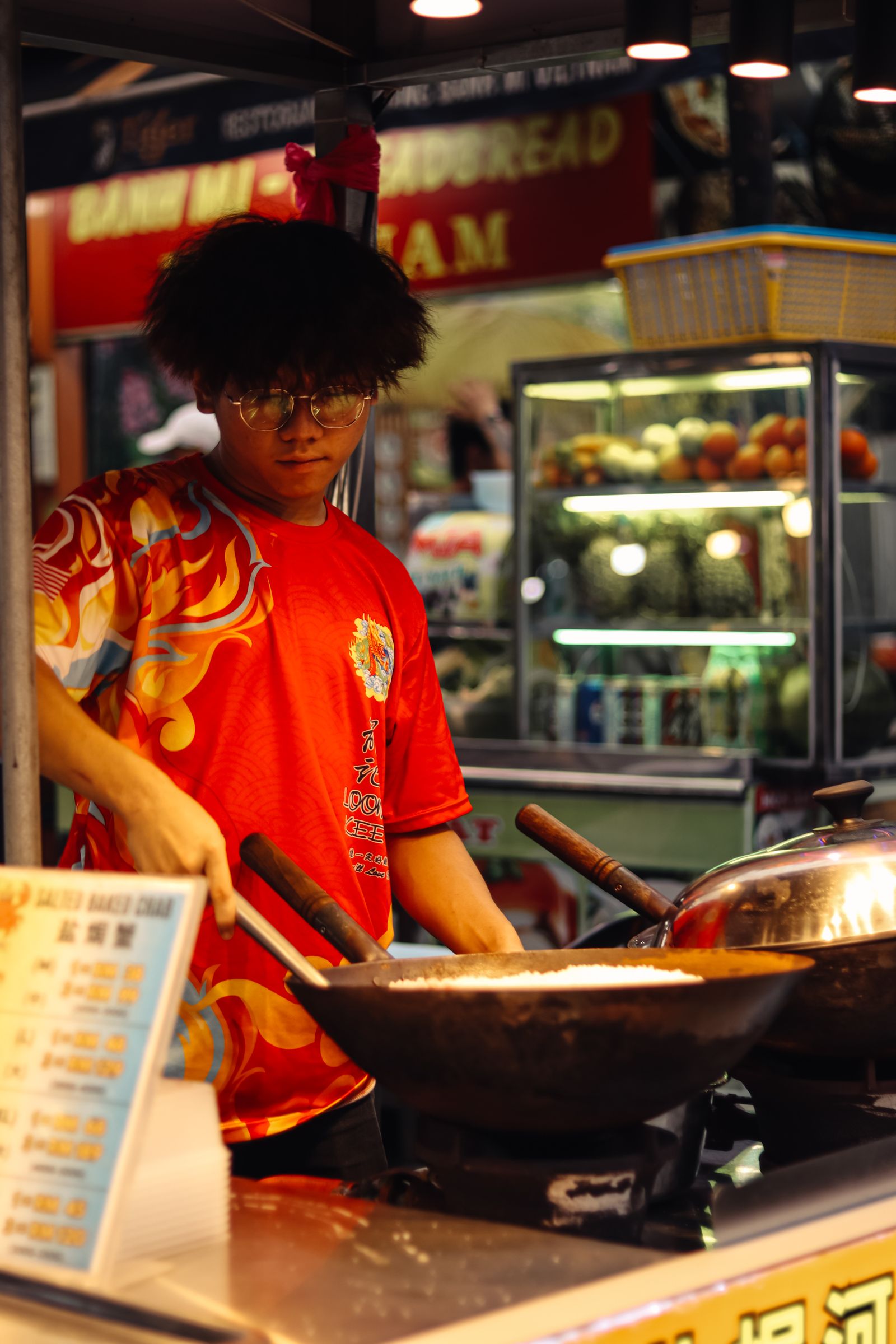
A useful allowance is RM40–70 for a careful day, RM80–140 for mixed local and café meals, and RM170–280 for frequent restaurant dining and drinks. Hawker centres, kopitiams and food courts can protect both budget and quality, but menus, neighbourhoods and dietary requirements vary. Rather than relying on one supposed “standard” meal price, review recent menus near each hotel and budget separately for alcohol, specialty coffee and waterfront dining.
City transport and airport transfers
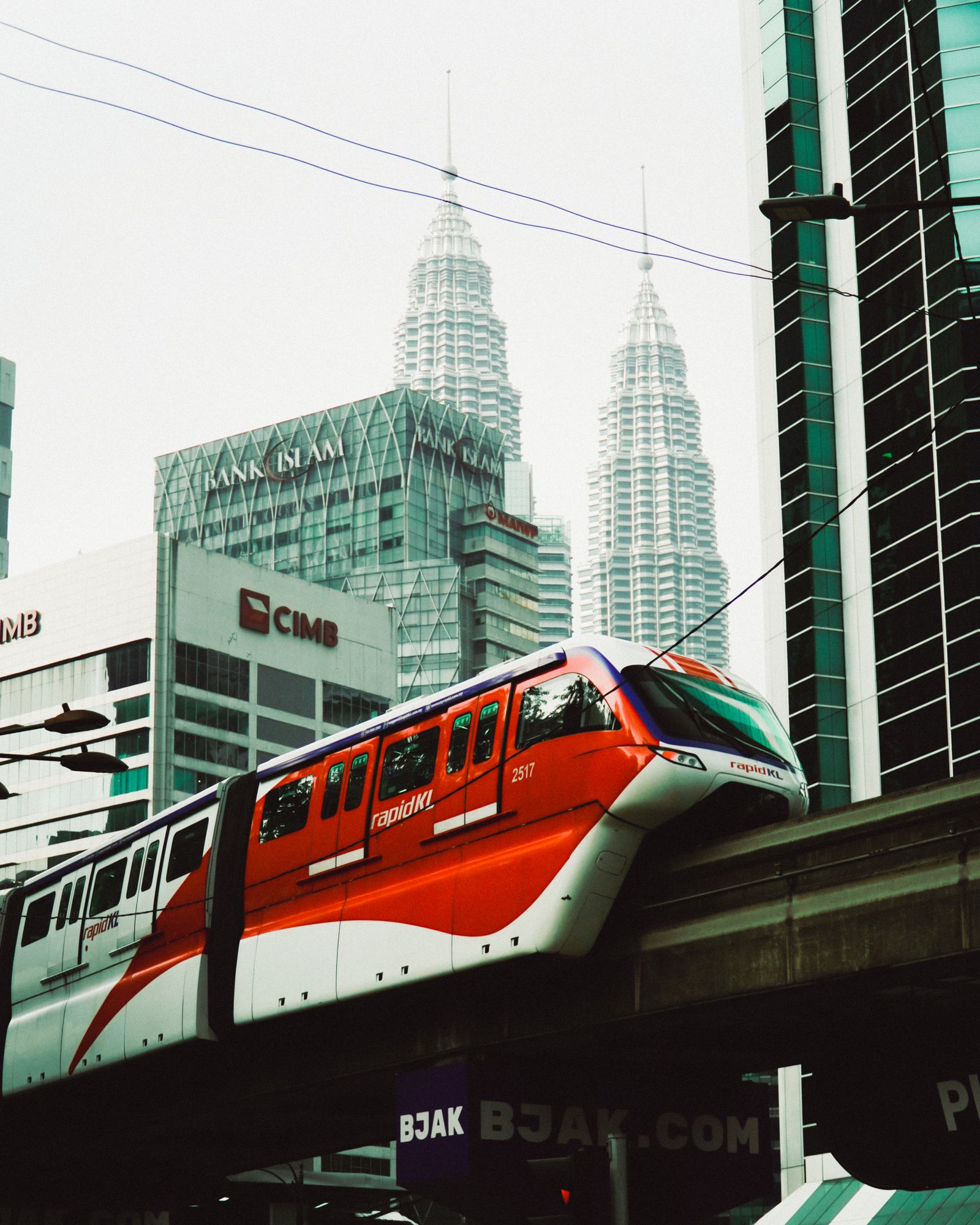
Set aside RM10–25 for public transport, RM30–70 for a mix of rail and Grab, or RM80–160 when relying heavily on e-hailing. Tourism Malaysia identifies MRT, LRT, KTM and Monorail services, buses and Grab among practical transport choices. MyRapid is the useful official starting point for Klang Valley network and fare information.
Airport travel deserves its own line. KLIA Ekspres currently publishes RM55 for an adult single journey between KL Sentral and KLIA terminals, with fares subject to change. Compare that with an e-hailing fare for the whole party: the per-car option may become competitive for several people, but traffic and pickup charges matter.
Intercity travel
Average RM20–60 per travel day for intercity buses, RM40–120 for many ETS rail movements, and RM120–350 or more for a domestic flight once baggage and airport transfers are included. Do not spread this expense blindly across every day: list each long movement first, then divide the route total across the trip. Tourism Malaysia also presents ETS, domestic flights and island ferries as parts of the national transport picture.
Attractions, islands and diving
Urban sightseeing can be inexpensive if parks, markets and neighbourhood walks balance ticketed museums or towers. Plan RM20–80 daily for a moderate attraction mix, while theme parks and premium experiences need separate research. For Langkawi or east-coast islands, add ferries or boats, marine charges where applicable and land transfers at both ends. A basic island day can add RM100–250; boat charters and diving can add several hundred ringgit. Dive certification, equipment, park fees and the number of dives prevent one honest universal price, so request an itemised operator quote.
Small costs that are not small in aggregate
Reserve RM15–35 per day for a SIM or eSIM, laundry, drinking water, tips where chosen and minor purchases. Price travel insurance separately because age, residence, trip length and coverage make a generic figure misleading. Confirm that trekking, motorbike use and diving are covered if relevant. Keep a buffer for bank fees and medical excesses rather than counting insurance as a box already solved.
How destinations change the budget
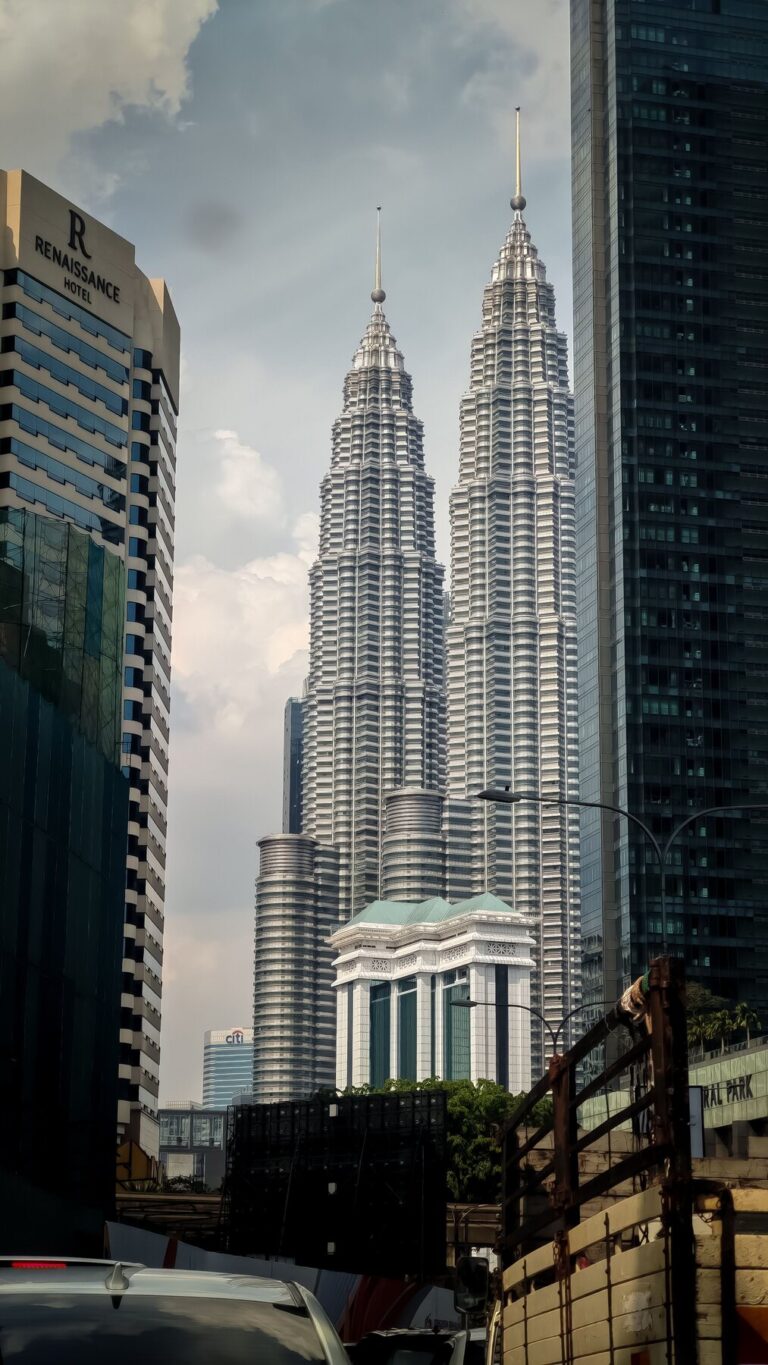
Kuala Lumpur: Competition across hotels and food outlets can deliver good value, and integrated rail reduces the need for cars. The budget rises with central luxury properties, rooftop venues, airport transfers and paid skyline attractions. Staying near a useful station often saves more than choosing a cheaper room that requires repeated rides.
Penang: George Town supports economical eating and walkable sightseeing, but heritage-area rooms and weekend demand can cost more. Add transport if the plan includes beaches, Penang Hill or locations beyond the old centre. A food-focused trip also benefits from a deliberate tasting allowance rather than an unrealistically low meal cap.
Melaka: A compact core keeps local transport modest. Friday-to-Sunday room demand and short-stay pricing can be less forgiving, however. A weekday visit may improve value, provided opening days for intended museums and restaurants are checked.
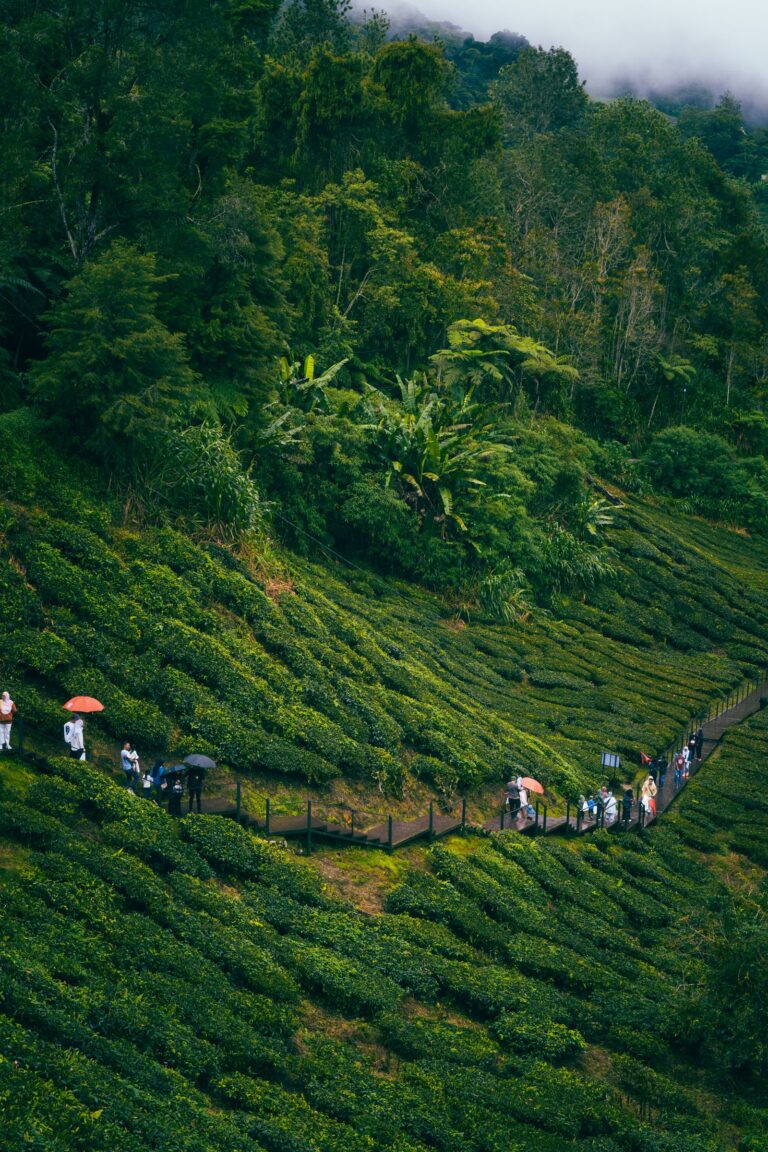
Cameron Highlands: Accommodation spans simple guesthouses to polished resorts, but the route and local mobility shape the bill. Budget for a bus or transfer, then tours or a hired car if widely separated farms and trails are priorities. Weekend traffic can make cheap point-to-point planning inefficient.
Langkawi and east-coast islands: Langkawi has a broad room market, though beaches and private transport add expense. Smaller east-coast islands can require a mainland transfer, boat, conservation charge and meal plan. Limited inventory makes last-minute July stays risky. Confirm seasonal boat operation and weather rather than assuming every island follows the same calendar.
Sabah and Sarawak: Kota Kinabalu and Kuching can fit a mid-range city budget, but Borneo itineraries often depend on domestic flights, river or road transfers, guides and wildlife excursions. Treat those as trip-level costs. Remote access, conservation permits and small-group departures can outweigh savings made on city meals.
A worked seven-day budget
Consider two people sharing rooms: three nights in Kuala Lumpur, two in Penang and two in Langkawi. The following arithmetic is a planning model, not a package quote.
| Item for two people | Backpacker | Mid-range | Comfortable |
|---|---|---|---|
| Seven nights | RM630 | RM1,820 | RM3,920 |
| Food and drinks | RM700 | RM1,400 | RM2,660 |
| Local transport | RM210 | RM560 | RM1,120 |
| Intercity travel | RM360 | RM620 | RM1,100 |
| Attractions and island activity | RM280 | RM700 | RM1,400 |
| Tax allowance and incidentals | RM210 | RM350 | RM560 |
| Estimated trip total | RM2,390 | RM5,450 | RM10,760 |
| Per person | RM1,195 | RM2,725 | RM5,380 |
Those totals average about RM171, RM389 and RM769 per person per day. International flights, insurance, diving and shopping remain outside the model. A solo traveller should replace every room line with the full room cost; simply halving the couple total would understate the result.
Cash, cards and sensible savings
Cards are widely useful at hotels, malls and established businesses, but cash remains practical for markets, smaller food stalls, local buses and places with connectivity issues. Carry a modest reserve rather than a large sum, use secure storage and choose bank-operated ATMs. When a terminal offers home-currency conversion, compare the displayed rate and fees with paying in ringgit. Notify the card issuer if required and bring a second payment method kept separately.
Quality-preserving savings come from itinerary design. Cluster sights by neighbourhood; book a room near transit; use ETS or a comfortable bus where it replaces an airport transfer; and compare the total door-to-door cost, not just the ticket. Eat where turnover is strong, choose well-reviewed simple rooms, and pay more for a safe, well-timed connection when a cheap one risks losing a prepaid night. On islands, a package with transfers and meals may beat assembling components, but compare inclusions line by line.
Avoid changing bases every night. Fewer moves reduce fares, baggage charges and check-in gaps while leaving more usable time. Travel on weekdays where practical, reserve limited island inventory early, and retain flexible bookings until plans settle. Never cut insurance, safe transport or reputable activity operators merely to hit a daily target.
A budget worksheet to copy
- Rooms: nightly total × nights, plus stated taxes and charges = RM ____.
- Food: daily allowance × travellers × days = RM ____.
- City travel: rail, bus, e-hailing and airport legs = RM ____.
- Intercity travel: bus, ETS, flights, baggage and ferries = RM ____.
- Activities: tickets, guides, boats, diving and fees = RM ____.
- Practical extras: insurance, SIM, laundry and bank fees = RM ____.
- Contingency: add 10–15% to the subtotal = RM ____.
- Personal daily figure: grand total ÷ travellers ÷ days = RM ____.
Keep international transport separate so it does not distort comparisons between Malaysian routes. Recalculate after each firm booking and record whether a price is per person, per room or per vehicle. That one habit prevents the most common budgeting error and turns a broad estimate into a plan that matches the actual itinerary.