
A well-paced jeju island itinerary 5 days should feel spacious, not like a race between landmarks. This route groups each day by region: Jeju City on arrival, Seongsan and possibly Udo in the east, Seogwipo in the south, Hallasan at the center, and Hyeopjae plus the western coast. It leaves room for weather, meals, and the slower roads that make island travel rewarding. Use it as a framework rather than a rigid checklist, especially when wind, rain, trail conditions, or ferry notices change the order.
jeju island itinerary 5 days: route at a glance
Spend the first night in Jeju City, then base the next three or four nights in Seogwipo if minimizing hotel changes matters. An alternative is two nights in Jeju City and two in Seogwipo, which shortens the east and west drives but adds a packing day. The regional sequence is deliberately flexible: swap Hallasan with an east, south, or west day when the mountain forecast is poor.
- Day 1: Arrive, settle into Jeju City, and take an easy coastal or market walk.
- Day 2: Explore Seongsan; add Udo only when ferries and weather cooperate.
- Day 3: Follow Seogwipo’s waterfall and southern-coast circuit.
- Day 4: Hike Hallasan, or choose a lower, easier nature day.
- Day 5: Visit Hyeopjae, a tea stop, and the west coast before departure.
Getting around without wasting the day
A rental car is the practical choice for this spread-out plan. It makes weather swaps simple and allows short stops along rural coast roads. Reserve an automatic transmission if needed, confirm insurance terms, and allow time to collect and return the vehicle away from the airport terminal. Navigation apps commonly used in Korea are more reliable locally than assuming a familiar international map will handle every address. Save Korean place names or phone numbers before setting out.
Buses can cover the itinerary, but they change its rhythm. Connections to trailheads, beaches, and smaller sights may involve waits or transfers. Build in an extra hour per regional day and trim one or two stops. Taxis work well around Jeju City or Seogwipo, while cross-island rides can become costly. A mixed plan—bus between towns, taxi for the final leg—often works better.
Driving times on a map are only a starting point. Add roughly 20 to 30 minutes for parking, navigation, and walking at popular sites, plus a larger buffer before a flight or ferry. Island roads may slow in rain, fog, weekend traffic, or village zones. Do not plan a mountain hike and a same-day flight with a tight margin.
Day 1: arrival and an easy Jeju City evening
Keep arrival day deliberately light. After collecting luggage and transport, check in around downtown Jeju City, Tapdong, or near the airport if the flight lands late. These areas provide convenient food options and a sensible launch point for the east the next morning. A short waterfront walk is enough after a long journey.
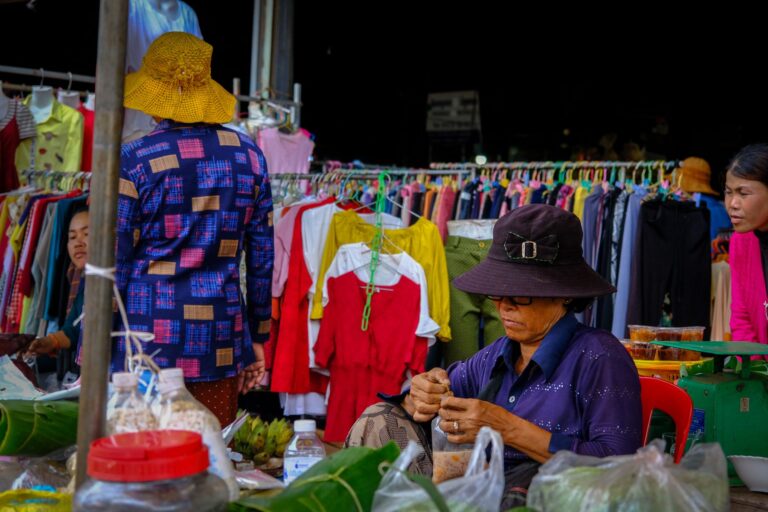
If energy allows, browse Dongmun Traditional Market for island produce and prepared food. Look for seafood, pork dishes, noodles, seaweed, citrus products, and seasonal specialties. Seating and opening patterns vary among stalls, so keep a restaurant backup nearby. Early arrivals can add Yongduam and the coast, but the priority is rest and dinner.
Day 2: Seongsan and weather-dependent Udo
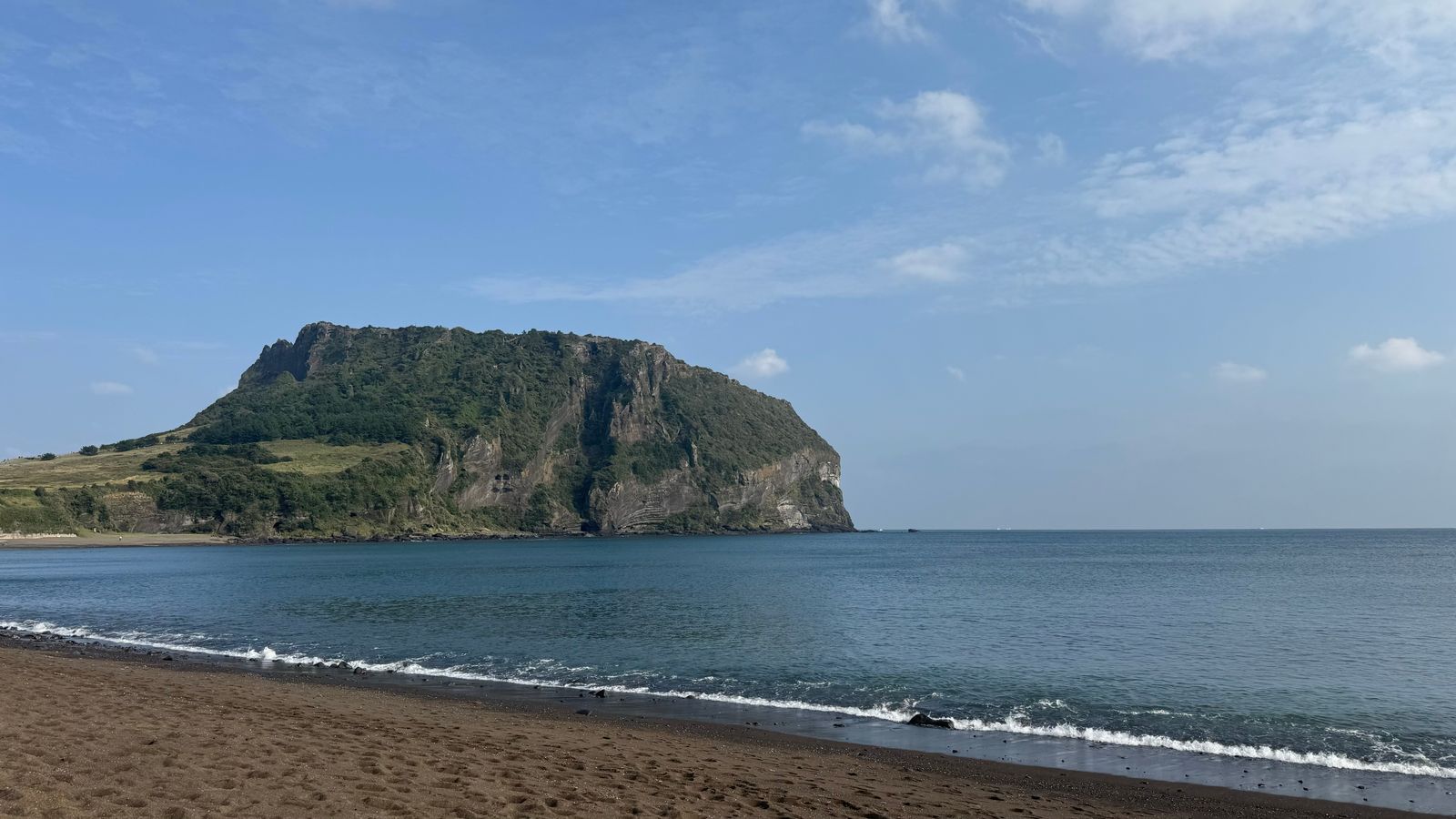
Leave early for Seongsan Ilchulbong on the eastern edge. The ascent to the summit viewpoint is commonly described as about a 30-minute walk, although stairs, crowds, heat, and individual fitness can make it longer. Allow time for the descent and for views around the base. Seongsan is also part of Jeju’s UNESCO volcanic heritage, which includes Hallasan and the Geomunoreum lava tube system.
Udo is a good second half of the day only when ferry operations and sea conditions are favorable. Ferries are weather-dependent, and boarding requirements or vehicle rules can change. Check the official notice and return schedule that morning, carry identification, and avoid relying on the final sailing. On the island, choose a local bus, bicycle, or other permitted transport according to conditions and mobility. Strong wind can make cycling far harder than the distance suggests.
If Udo is canceled, do not treat the day as lost. Spend longer around Seongsan, choose an accessible east-coast viewpoint, or visit a confirmed-open indoor attraction. A lava-tube visit should never be assumed: access can close for conservation, maintenance, or safety. Check official closures before traveling. Return toward Seogwipo in the late afternoon and check in there for the southern part of the route.
Day 3: Seogwipo waterfalls and southern coast
Begin with one or two of Seogwipo’s best-known waterfall areas rather than collecting all of them. Jeongbang is notable for falling close to the sea, while Cheonjiyeon has a developed approach through a green valley. Paths, stairs, spray, and wet surfaces differ, so review current access and choose according to mobility and weather. Paid admission may apply, and last entry can precede closing time.
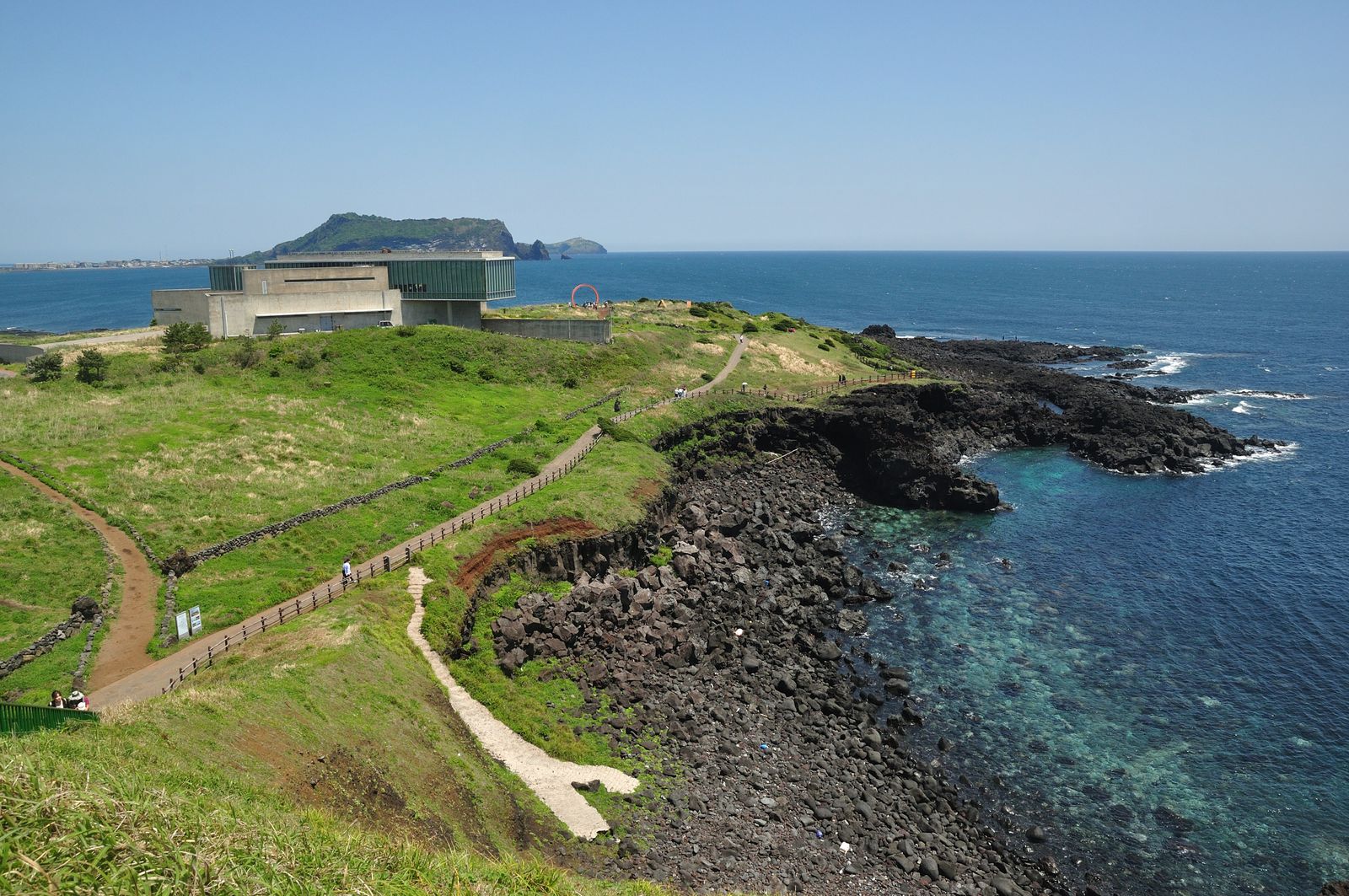
Continue west to a viewpoint or shoreline walk around Jungmun. Jusangjeolli’s columnar rock formations are a logical stop, subject to opening and path conditions. Leave slack for lunch and parking; the resort corridor can take longer to cross than distance implies. In heavy rain, choose a museum, café, or covered market and move coastal walking to the west day.
Back in Seogwipo, the Maeil Olle Market area is convenient for dinner. Balance market snacks with a seated meal: grilled fish, abalone porridge, pork, or seafood stew can suit different budgets. Ask prices before ordering seafood sold by weight, and check whether side dishes or cooking fees are included. Vegetarians and travelers with allergies should communicate requirements clearly; broths and sauces may contain fish or shellfish even when a dish looks plant-based.
Day 4: Hallasan with a firm backup plan
Hallasan rises to 1,947 meters and deserves a full day if the summit is the goal. According to the Korea Tourism Organization, only the Seongpanak and Gwaneumsa trails reach the summit. These are demanding outings, not casual scenic walks. Trail access may require advance reservations, and entry cutoffs, seasonal controls, weather closures, and turnaround rules apply. Verify the official reservation and closure information shortly before the hike rather than relying on an old itinerary.
Start early, carry sufficient water and food, wear footwear suited to stone, mud, or snow, and pack layers. Conditions can change sharply with elevation. A clear forecast in Seogwipo does not guarantee visibility or safe conditions high on the mountain. Follow ranger instructions and turn around when required. Arrange transport carefully because trailheads are outside the main towns; if using buses, confirm the first and return services in advance.
For an easier alternative, choose a shorter Hallasan trail that does not reach the summit, or pair a forest walk with an oreum walk selected for current conditions. An oreum is one of Jeju’s smaller volcanic cones, but “smaller” does not always mean step-free. Check gradient, surface, toilets, and parking before committing. When wind, ice, or rain closes trails, use the day for an indoor cultural stop and a sheltered meal instead.
Day 5: Hyeopjae, tea, and the west coast
Travel west after breakfast and begin around Hyeopjae Beach. Its pale sand and offshore view make it a pleasant walk, but swimming safety depends on season, wind, supervision, and posted notices. Pair it with neighboring coast scenery instead of rushing between distant attractions. A traveler using buses should focus on Hyeopjae and one additional stop, preserving a generous connection buffer.
Continue to a tea museum, garden, or café in the southwest, checking opening days and accessibility beforehand. Tea fields are agricultural landscapes, so remain on permitted paths and respect barriers. Finish with a west-coast viewpoint that fits the weather and departure time. If flying that evening, work backward from check-in, car return, refueling, and airport transfer; the final hours are not the place for an ambitious detour.
Where to stay, what to budget, and practical access
Jeju City is best for airport convenience, transport choice, and the east or north. Seogwipo is better for waterfalls, the south coast, and a calmer evening base. Travelers who dislike repacking can stay all five nights in one city, but should expect longer cross-island days. Book parking with the room if driving, and confirm late check-in when arrival is uncertain.
Budget by category instead of trusting a fixed figure. Variables include rental and insurance, fuel, accommodation, admissions, ferry fares, parking, and meals. Buses cost less but consume more time; taxis buy convenience at a distance-sensitive cost. Keep a contingency for weather changes and choose refundable bookings where practical.
Step-free access is uneven. Volcanic terrain often includes stairs, slopes, rocks, and wet surfaces, while some major viewpoints, museums, markets, and visitor facilities offer accessible routes. Contact each site for current lift, ramp, restroom, and wheelchair information. Families should also check stroller suitability rather than judging from distance alone.
Weather rules that keep the schedule relaxed
Check separate forecasts for the coast and Hallasan each evening. Put the clearest, calmest day toward the mountain or Udo, and use rainier periods for markets, museums, tea, and longer meals. Wind matters as much as rain for ferries, exposed peaks, beaches, and cycling. In warmer months, start outdoor visits early; in colder periods, prepare for ice and shortened daylight.
A strong plan can lose a stop without collapsing. Confirm official closures, ferry status, trail reservations, and opening information, then keep a nearby substitute for each weather-sensitive day. That preserves the point of five days on Jeju: seeing distinct regions while having time to notice them.