
Langkawi vs Penang: Which Island Should You Visit?
Choosing between Malaysia’s best-known west-coast islands can be difficult because they offer very different trips. This langkawi vs penang comparison helps you decide whether your priority is sandy beaches and relaxed resort time or street food, heritage, and city energy. Langkawi is an archipelago with forested hills, broad beaches, duty-free shopping, and outdoor attractions. Penang combines the historic streets of George Town with celebrated cooking, museums, temples, and a more urban coastline. Both are easy to reach, but the right choice depends on your budget, pace, interests, and available days.
Langkawi vs Penang at a glance
| Category | Langkawi | Penang |
|---|---|---|
| Best for | Beaches, resorts, nature, couples, families | Food, heritage, urban exploring, short breaks |
| Main base | Pantai Cenang or Pantai Tengah | George Town |
| Getting around | Rental car, scooter, taxi, or ride-hailing | Walking, public bus, taxi, or ride-hailing |
| Ideal stay | Three to five nights | Two to four nights |
| Typical pace | Relaxed and outdoors focused | Active and food focused |
| Relative cost | Accommodation and transport can cost more | Food and local transport are often cheaper |
Which island has the better beaches?
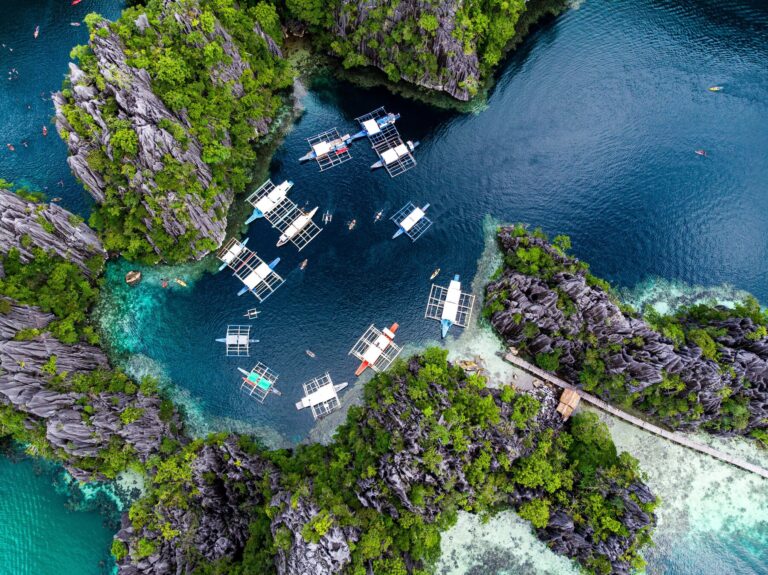
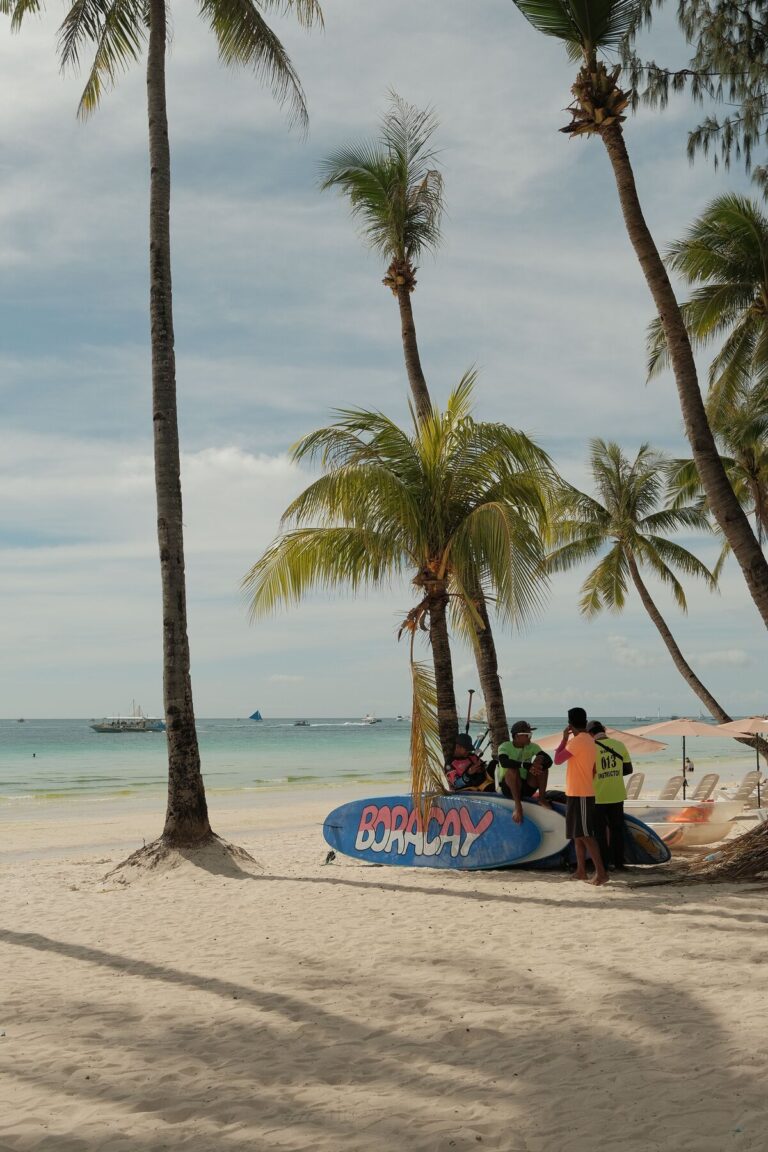
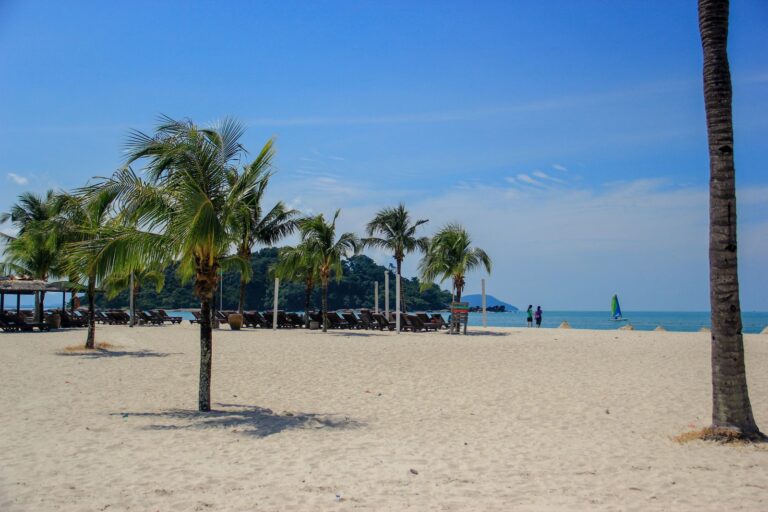
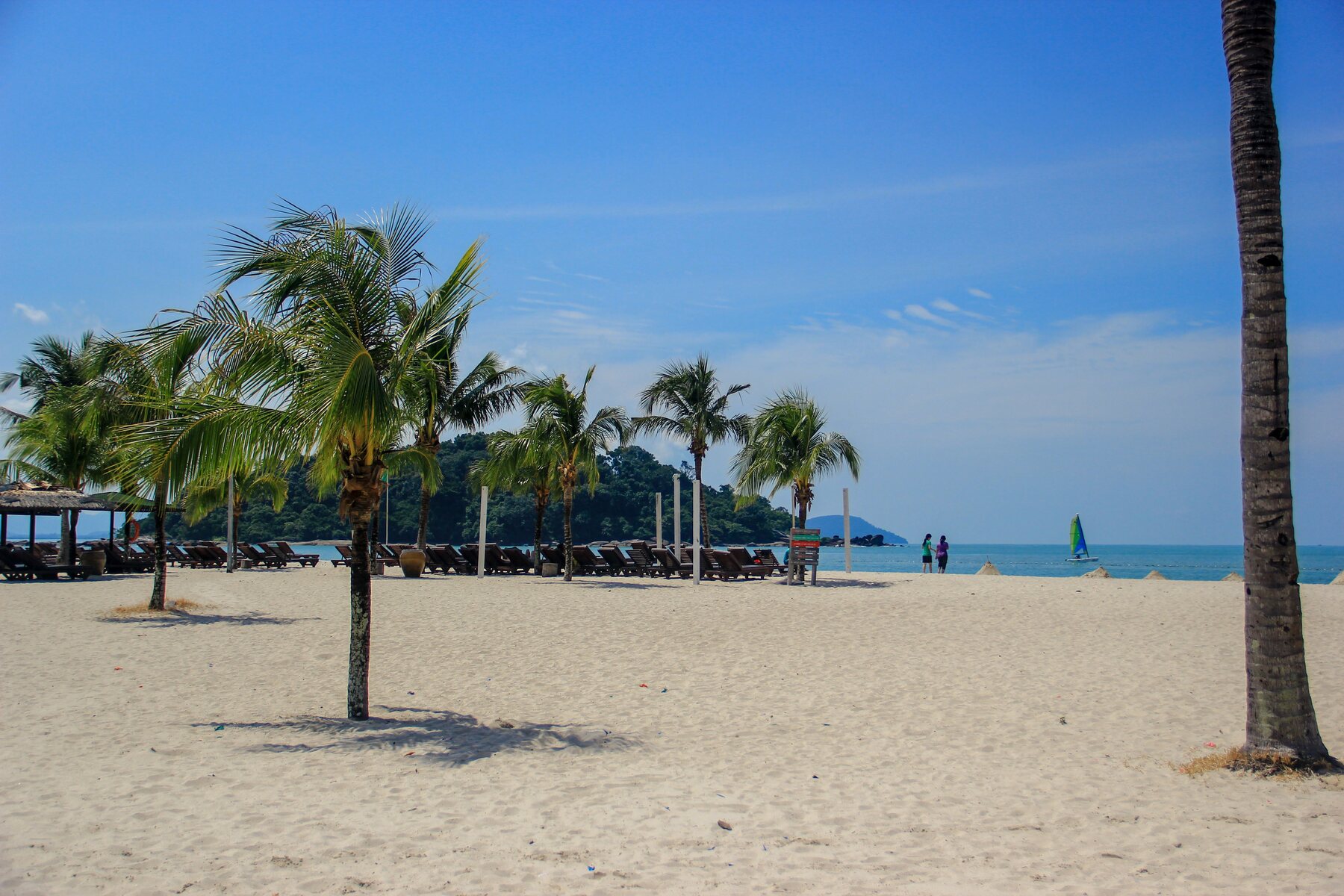
Langkawi wins clearly for a beach-centered holiday. Pantai Cenang has a long strip of sand, watersports, sunset views, restaurants, and plenty of accommodation. Nearby Pantai Tengah is generally quieter while remaining convenient. Tanjung Rhu, on the north coast, offers pale sand, limestone scenery, and a calmer setting, though access and facilities vary by section. The sea around Langkawi is not always crystal clear, especially after rain, but the overall beach experience is much stronger than Penang’s.
Penang’s Batu Ferringhi is the main resort beach, with hotels, water activities, and sunset views. Teluk Bahang is a useful gateway to Penang National Park, where trails lead toward more natural coastal areas. Conditions can change, and jellyfish or water quality may limit swimming at times. Choose Penang if a seaside hotel is a pleasant extra; choose Langkawi if swimming, sand, and unhurried beach days are central to the trip.
Food: hawker culture or island dining?
Penang is the stronger food destination. Its cooking reflects Malay, Chinese, Indian, and Peranakan influences. Hawker centers and small shops serve dishes such as char koay teow, asam laksa, nasi kandar, Hokkien mee, rojak, and cendol. Famous stalls may close early, sell out, or operate on particular days, so check current opening times.
Langkawi still offers satisfying Malaysian meals, seafood, night markets, and casual beach restaurants. Rotating night markets can be good for grilled fish, satay, rice dishes, snacks, and fruit. Resort dining and imported ingredients raise prices in tourist areas, while local restaurants away from the main beachfront are usually better value. Visitors mainly motivated by cooking should pick Penang; those happy to combine good meals with resort time will eat well in Langkawi.
Culture, history, and sightseeing
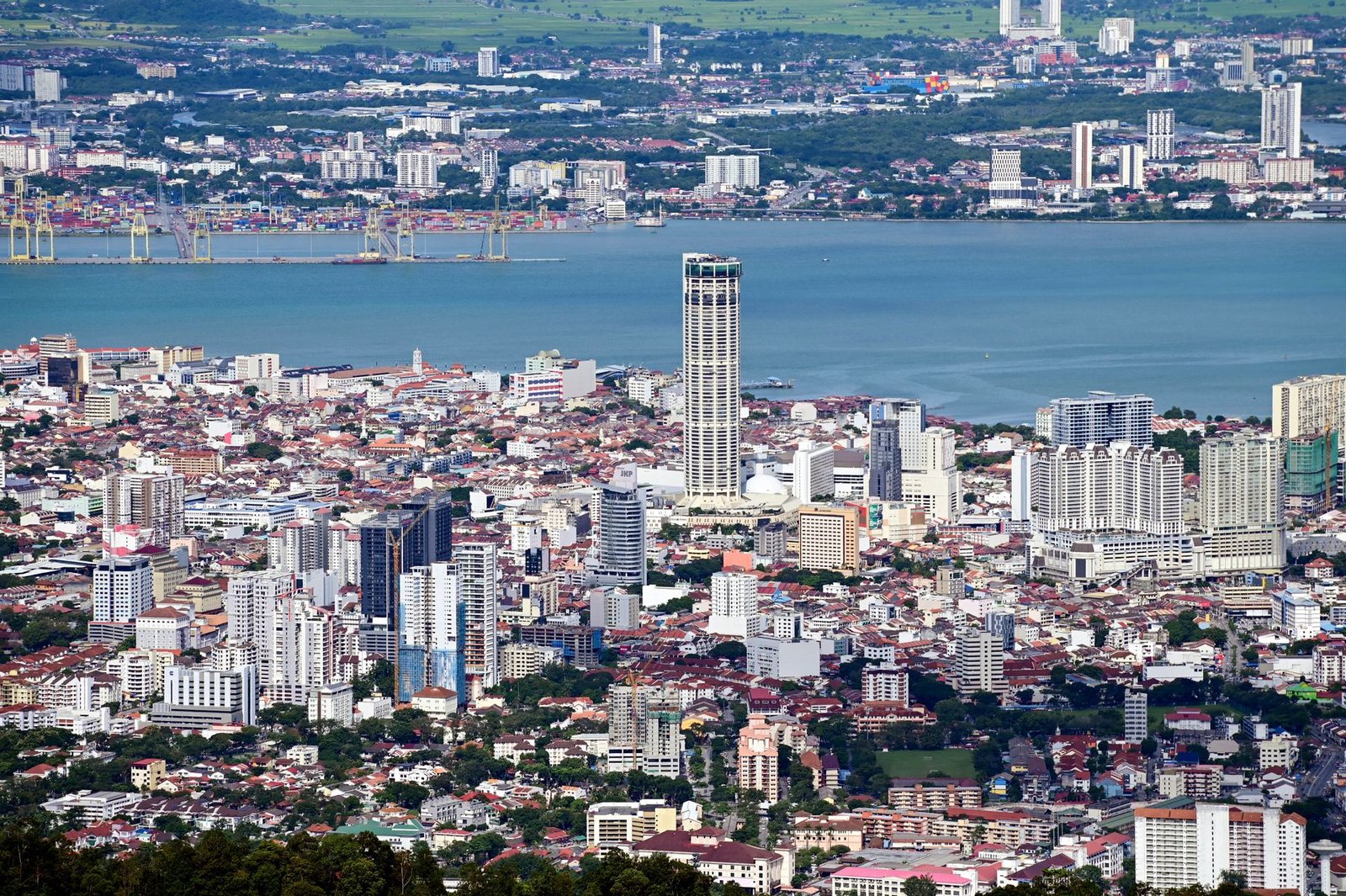
George Town is Penang’s greatest advantage. Its UNESCO-listed historic core contains shophouses, clan houses, mosques, churches, Hindu temples, Chinese temples, markets, and civic buildings. Places such as Khoo Kongsi, the Pinang Peranakan Mansion, Fort Cornwallis, and the jetties provide different views of the city’s trading past and communities. Street art adds an accessible layer to a walk, but the architecture and living neighborhoods deserve as much attention as the popular murals.
Langkawi’s appeal is more closely tied to landscapes and local legends. The cable car rises toward Gunung Mat Cincang, with the Sky Bridge offering high views when weather permits. Kilim Geoforest Park is known for mangroves, limestone formations, and wildlife; select a responsible boat operator that follows speed limits and does not encourage wildlife feeding. Waterfalls and forest routes add variety, although flow can be reduced in drier periods. The island also has craft centers, markets, and Mahsuri-related folklore, but its cultural sightseeing is less concentrated than Penang’s.
Transport and getting around
Both islands have airports with domestic links, and flight schedules determine which is easier from your starting point. Penang is also connected to mainland Malaysia by two bridges and a ferry between Butterworth and George Town. Butterworth’s transport hub links onward rail and bus services, making Penang convenient within a wider overland itinerary.
George Town is walkable in sections, though heat, rain, traffic, and uneven pavements can slow you down. Rapid Penang buses serve the city and destinations such as Batu Ferringhi, Penang Hill, and the airport. Ride-hailing is widely useful. A rental car is rarely necessary for a short George Town stay and parking can be troublesome.
Langkawi has no broad public bus network suited to sightseeing. Ride-hailing works well around popular areas but may be less available late at night or in remote locations. Renting a car offers the most flexibility for beaches, the cable car, waterfalls, and the northern coast. Scooters can be economical for properly licensed, experienced riders, but tropical downpours, unfamiliar roads, and limited protection increase risk. Always confirm insurance terms and wear a suitable helmet.
How much should you budget?
Prices change by season and booking date, so these planning ranges are approximate daily costs per person in Malaysian ringgit, assuming two people share a room. They exclude flights, alcohol, major shopping, and premium private tours.
- Budget Penang: RM120–220. A hostel or simple shared room, hawker meals, buses, walking, and one modest paid attraction can fit this range.
- Comfortable Penang: RM250–450. This allows a well-rated midrange room, frequent ride-hailing, varied meals, and several admissions.
- Budget Langkawi: RM160–280. Use a guesthouse, local restaurants, shared transport where practical, and selective activities.
- Comfortable Langkawi: RM350–650. This can cover a midrange hotel, shared rental car costs, restaurant meals, and a boat or cable-car outing.
Penang is usually easier on a tight budget because inexpensive food, buses, and walkable sights keep daily spending down. Langkawi accommodation ranges widely, but transport and excursions add up. Its duty-free status can reduce the price of certain goods, yet it does not make every part of the holiday cheaper. School holidays, weekends, and major festivals can push room rates higher on both islands.
Weather and the best time to go
Both islands have tropical heat, humidity, and rain throughout the year. Langkawi is generally driest from roughly December to March, which often brings better beach conditions and higher demand. Wetter months can mean heavy showers, rougher seas, or tour changes, though rain does not necessarily last all day. Penang also has year-round rainfall, with heavier periods commonly around the inter-monsoon months. Weather patterns vary, so use a short-range forecast for ferries, hikes, boat trips, and outdoor viewpoints.
How many days do you need?
Allow three to five nights for Langkawi. Three nights cover a beach afternoon, a cable-car area visit, and one boat-based activity without much spare time. Four or five nights create room for poor weather, a quieter northern beach, and genuine downtime. A two-night stay is possible, but airport transfers and cross-island travel make it feel rushed.
Penang works well in two to four nights. Two nights provide a focused George Town visit and several meals. Three nights allow Penang Hill, Kek Lok Si, or the north coast without sacrificing the historic center. Four nights suit travelers who enjoy museums, neighborhood walks, cafés, and a slower eating schedule. With a full week, splitting time between both islands can make sense, provided transfer schedules are checked in advance. Flying is often the simplest connection; direct ferry availability and routes can change.
Who should choose Langkawi?
Choose Langkawi for a honeymoon, relaxed couple’s trip, family resort stay, or restorative break after a busy itinerary. It is also the better choice for travelers who value coastal scenery, mangroves, easy scenic drives, and having little pressure to sightsee every hour. Families should compare resort pool and beach facilities, while independent travelers should budget for transport. Nightlife exists around Pantai Cenang, but the island is not primarily a late-night city destination.
Who should choose Penang?
Choose Penang if meals, history, architecture, and street life drive your travel decisions. Solo travelers benefit from accessible food courts, hostels, walking routes, and straightforward ride-hailing. It also suits photographers, museum visitors, and anyone adding a compact stop to a rail or road journey through northern Malaysia. Beach seekers may find it disappointing, and travelers wanting silence should stay outside the busiest parts of George Town or choose Langkawi instead.
Can you visit both?
Conclusion: Langkawi or Penang?
In the final Langkawi vs Penang decision, pick Langkawi for the better beaches, resort atmosphere, natural scenery, and slower rhythm. Pick Penang for exceptional food variety, layered history, walkable urban sights, and better value without a car. First-time visitors with only a weekend and a strong interest in Malaysian culture will usually gain more from Penang. Travelers with four or five days who mainly want to rest by the sea will usually prefer Langkawi. If time and budget allow, visiting both gives a fuller picture of Malaysia’s west coast without forcing one island to provide the experience the other does best.