
Deciding where to stay in Boracay starts with one practical question: what do you want outside your door? The island is small, but its areas feel distinctly different. White Beach offers the easiest access to swimming, restaurants, and sunset, while Bulabog is better positioned for wind sports. Diniwid and the island’s quieter edges trade convenience for space and calm. Your choice also affects transfer effort, evening noise, walking distances, and how often you need local transport. This guide compares the main bases by travel style, with the location details that matter before you reserve a room.
Where to Stay in Boracay: The Short Answer
Choose Station 1 for a wider-feeling beach and calmer evenings. Pick Station 2 when restaurants, shops, bars, and minimal planning matter most. Station 3 suits travellers who prefer a slower setting and varied small hotels. Bulabog is practical for kitesurfing, while Diniwid appeals to visitors who accept a less direct route to the main strip. Compare the exact building and room position, not only the area name.
Understanding White Beach Stations 1, 2, and 3
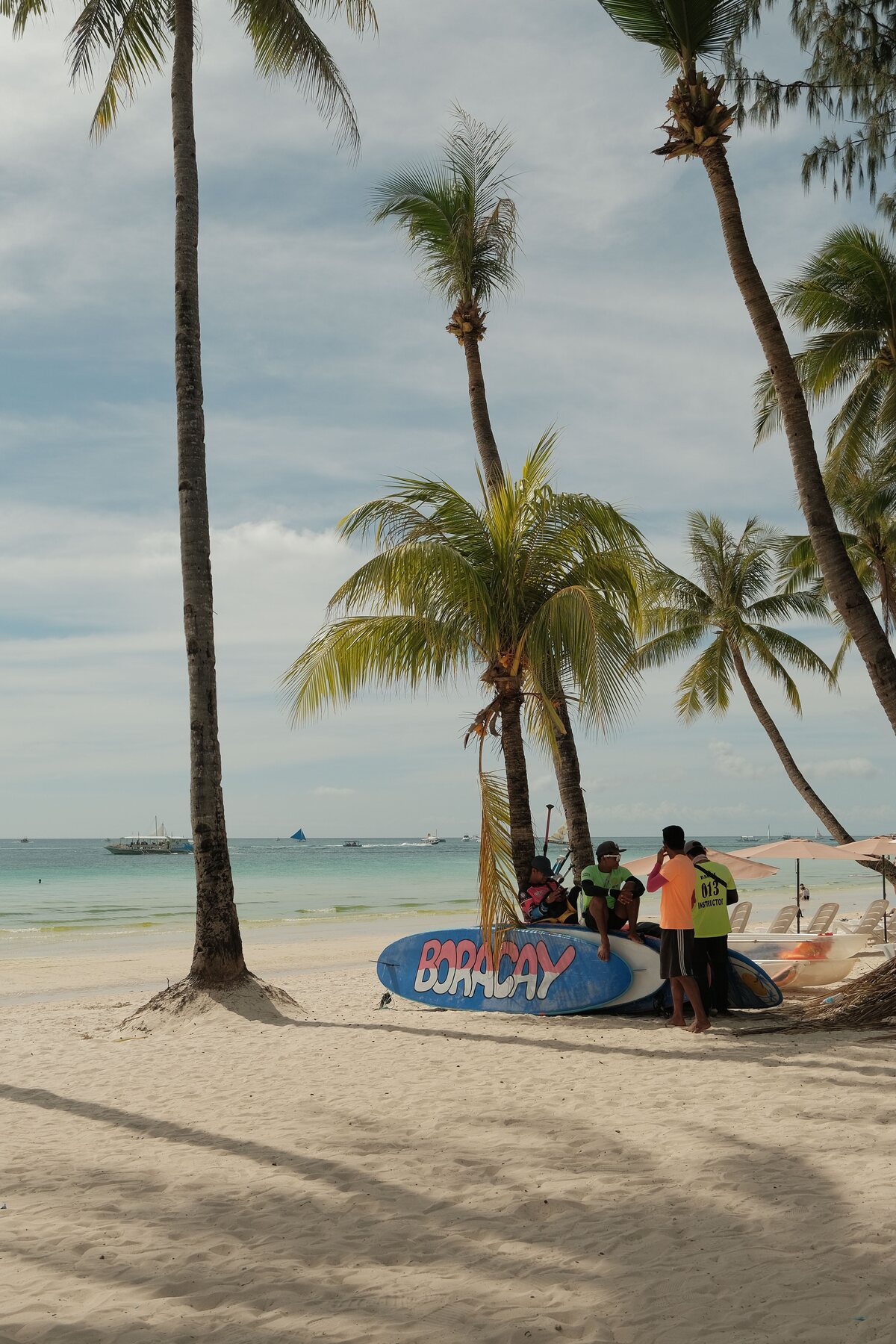
White Beach is informally divided into three reference areas along one continuous beachfront. You can walk between them, although heat, sand, and luggage make distances feel longer than they appear on a map.
Station 1: space, polished resorts, and quieter nights
Station 1 suits couples, honeymooners, and families who value beach time over nightlife. Parts feel more open, and many properties operate as self-contained resorts. The northern end grows quieter but sits farther from Station 2’s restaurant concentration. Verify the route between road, reception, room, and beach; “beachfront” does not guarantee step-free arrival.
Premium resorts are prominent, though smaller options exist away from the sand. Frequent dinners in Station 2 mean repeated walks or rides. Light sleepers should ask about events and service lanes.
Station 2: restaurants, nightlife, and maximum convenience
Station 2 places you near the busiest dining, retail, and entertainment zone. It works for first visits, short stays, mixed-interest groups, and solo travellers. Tour services are also easier to reach.
Convenience brings foot traffic and sound. Music, deliveries, and movement around commercial areas can continue into the evening. A central room may face the beach path, a courtyard, road, or rear alley. Ask for its building, floor, outlook, and distance from entertainment. Families with early bedtimes should favour a quiet internal layout.
Station 3: relaxed atmosphere and varied budgets
Station 3 fits budget-conscious couples and independent travellers who want White Beach without its busiest setting. Small hotels, guesthouses, and casual dining create a lower-key character, yet the rest of White Beach remains walkable.
Conditions vary along the station. Some southern properties are farther from the main road or reached by lanes that are awkward with suitcases. The selection of late-night venues and large shops is smaller than around Station 2. Solo travellers should check lighting and the final approach to the accommodation if they expect to return late.
Bulabog Beach: Best for Watersports
Bulabog lies on the eastern side of the island, a short cross-island distance from White Beach in central areas. It is the logical base for travellers whose schedule revolves around kitesurfing, winging, or other wind-dependent sessions. Staying nearby makes it easier to respond to suitable conditions, meet an operator, store equipment, and return to the room between activities.
It is not a substitute for White Beach in every season or for every swimmer. Wind, seaweed, boat activity, and water conditions can change how the shoreline looks and feels. The windier period generally favours Bulabog’s sports scene, while the west coast can be more exposed during the opposing seasonal pattern. Weather does not follow a perfect calendar, so consult qualified operators and current local forecasts before booking a sport-focused trip.
Bulabog also suits travellers who want access to central Boracay without sleeping amid Station 2’s beachfront activity. Confirm whether the route involves uneven lanes or construction, and never assume a map’s short distance equals an effortless walk.
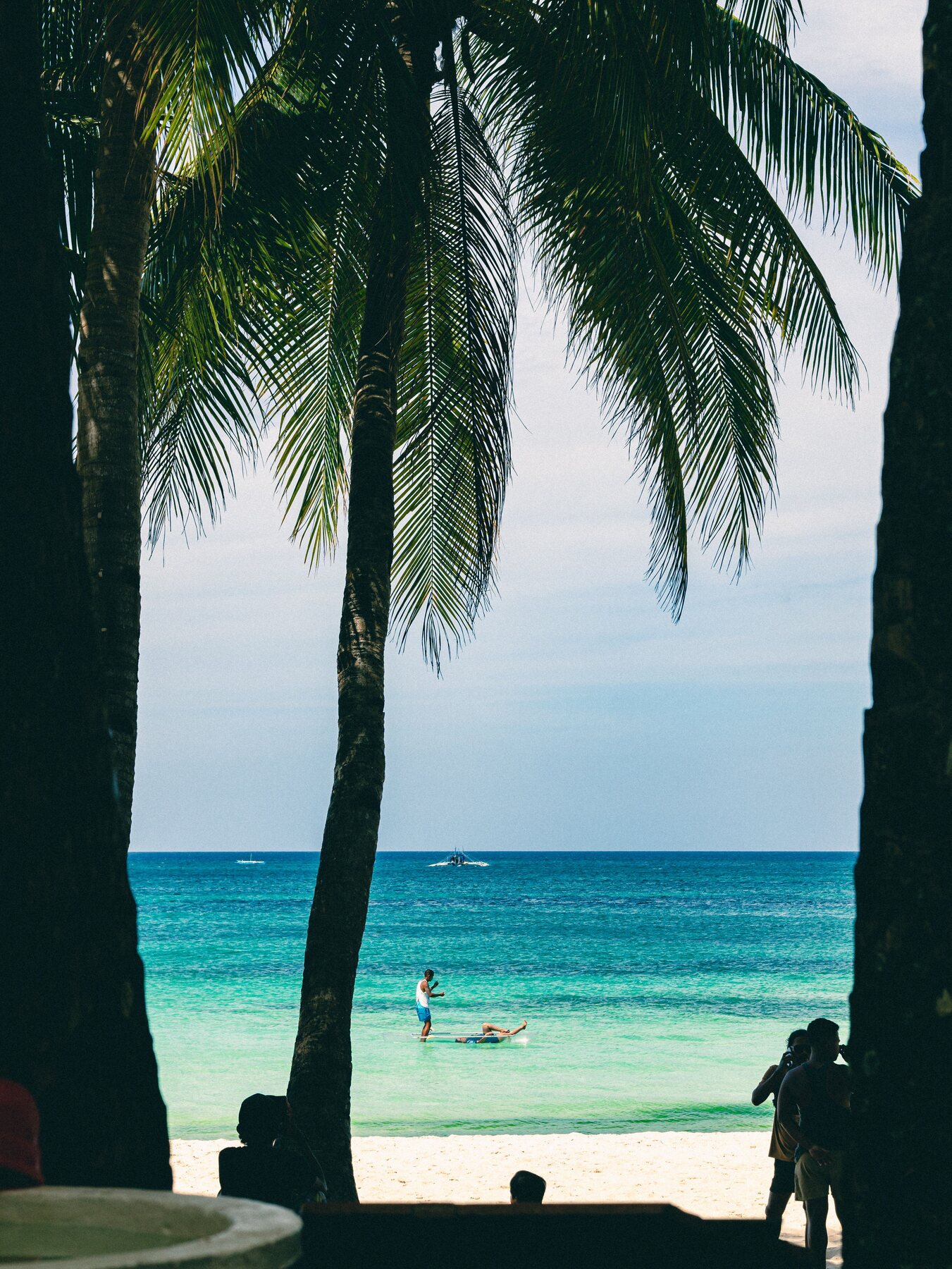
Diniwid Beach and Quieter Alternatives
Diniwid, north of White Beach, suits couples and return visitors seeking slower evenings. Some stays occupy slopes above the water. Steps can be steep, vehicles may stop short of reception, and the pedestrian connection toward Station 1 may be affected by weather, tides, or maintenance. Ask the property for its current recommended route.
For greater seclusion, consider northern areas around Punta Bunga or Banyugan, or inland properties. These suit resort-led trips and families content to remain on site. The compromise is transport dependence. Check shuttle frequency, last return, road access, and whether outside vehicles reach reception.
Tambisaan and nearby southeastern areas can appeal to travellers prioritising a local, quiet setting or convenient access to a particular activity. They offer fewer walkable visitor services than White Beach. Arrival points can also vary with operating conditions, so proximity to a jetty should not be treated as a guaranteed transfer advantage.
Best Area by Travel Style
- First visit: Station 2 for convenience, or the Station 1–2 boundary for a balance of calmer beach time and easy dining.
- Couples: Station 1 or Diniwid for quieter evenings; choose Station 2 only if nightlife and restaurant choice are priorities.
- Families: Station 1 for resort facilities and beach access, or a quieter Station 3 property with family rooms. Verify pool supervision, connecting-room arrangements, and step-free routes.
- Solo travellers: Station 2 for social access and straightforward services; Station 3 for a calmer, value-oriented stay with careful attention to the route home.
- Nightlife trips: Station 2, preferably close enough to walk but set back from the loudest venues if sleep matters.
- Watersports: Bulabog when wind sports drive the itinerary. White Beach is preferable for travellers focused on sunset and conventional beach days.
- Resort escape: northern coves or a full-service property away from the centre, provided shuttle schedules suit the trip.
Transfers, Accessibility, and Getting Around
Arrival usually involves a land transfer, boat crossing, and island transfer. The operating jetty and process vary with conditions and current rules. Ask what is included, where staff meet guests, and whether fees, luggage, and the hotel transfer are covered. Confirm late arrivals and sports equipment in advance.
On Boracay, walking is useful along White Beach and across the narrow central section. Local electric tricycles or arranged vehicles cover longer journeys, though traffic and access restrictions can affect door-to-door travel. Wheelchair users, travellers with limited mobility, and families with pushchairs should request specific measurements and route descriptions. Sand, steps, steep lanes, and narrow approaches are more informative than a generic claim that a property is accessible.
Room-Location Traps to Avoid
“Beachfront property” describes the hotel, not necessarily the room. A basic room may occupy a rear annex, face a wall, or require a road crossing. “Sea view” can mean a partial glimpse, while “near D’Mall” may bring delivery and foot traffic. Hillside savings can be lost to transport.
Request a pin for the entrance and ask whether the assigned room faces a bar, road, generator, pool, kitchen, or construction site. Confirm lift access, number of stairs, air-conditioning, backup power arrangements, hot water, and internet expectations if remote work matters. Recent guest photos often explain the approach more clearly than promotional images, but verify current details directly because access and neighbouring businesses change.
Seasonal Wind, Rain, and Beach Conditions
Boracay’s two broad seasonal wind patterns affect the island’s coasts differently. During the generally drier, northeast-wind period, White Beach is often more sheltered and Bulabog attracts wind-sport activity. During the southwest-wind period, White Beach can experience stronger wind, waves, and temporary screens used by some businesses, while the eastern side may feel calmer. Rain and storms remain possible outside neat seasonal boundaries.
Do not select a hotel solely from a historical weather average. Review flexible cancellation terms, monitor official forecasts near departure, and follow local safety advice. Boat operations and water activities can be delayed when conditions are unsuitable.
Booking Checklist
- Pin the exact entrance and trace the route to the beach, road, restaurants, and transport pickup.
- Confirm the room building, floor, view, stairs, lift access, and likely noise sources.
- Ask what the airport or port transfer includes and how late arrivals are handled.
- Check breakfast, extra-bed, child, deposit, cancellation, and payment policies.
- For remote resorts, verify shuttle times and the cost and availability of alternatives.
- For watersports, ask a reputable operator about suitable season, ability level, and safety procedures.
- Recheck current property access, renovation notices, beach conditions, and local requirements shortly before travel.
Frequently Asked Questions
Which Boracay station is best for first-time visitors?
Station 2 is easiest for dining, services, and nightlife. Travellers who prefer quieter nights can stay near the Station 1 side of the central area and walk to the action.
Is Station 1 or Station 3 better for families?
Station 1 has many resort-style options, while Station 3 can offer a calmer atmosphere across varied budgets. The better choice is the property with suitable room layouts, safe access, manageable stairs, and the facilities your family will actually use.
Can you stay in Bulabog and visit White Beach easily?
Yes, especially from central Bulabog, but the quality of the walking route varies by property. Check the precise entrance and current route before booking.
How many nights should you stay in Boracay?
Three to five nights gives many visitors time for beach days, one or two activities, and weather flexibility. A shorter stay rewards a central base; a longer resort trip makes a quieter location easier to justify.
Official checks and editorial note
Last fact-check: 3 August 2026. This is a research-led planning guide, not a fabricated first-hand travel diary. Flight and ferry schedules, environmental fees, entry rules and weather conditions can change.
- Official Philippine eTravel system
- Philippine Department of Tourism
- Palawan provincial tourism information