
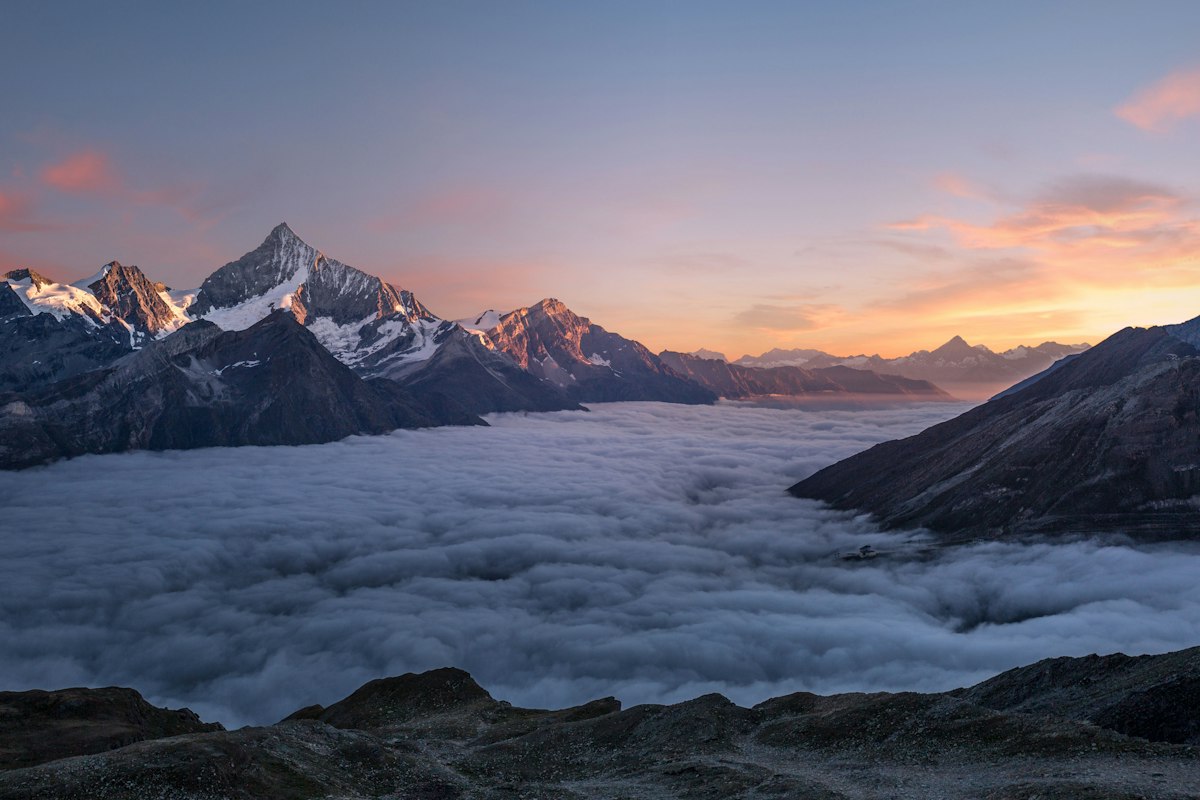
The Scottish Highlands are one of the last genuinely wild places in Europe. The numbers bear this out: the entire Highlands contain fewer people per square kilometre than the Sahara Desert. Most of the land is open moorland, ancient forest, and mountain, and most of it is accessible by a right of responsible access that allows walking almost anywhere.
I have driven the North Coast 500 route, walked sections of the West Highland Way, and spent time in the far northwest around Torridon and Assynt. All of it was extraordinary. None of it felt like the version of Scotland sold in the tartan shop windows of Edinburgh’s Royal Mile.
The North Coast 500: The Route and Its Reality
The NC500 is a five hundred mile circuit around the northern coast of Scotland starting and ending in Inverness. It has been heavily promoted as Scotland’s answer to Route 66 and the promotion has worked: in summer the single-track roads on the northwest coast see enough campervans to create genuine traffic problems on roads that were not designed for them.
Drive it in May or September. The landscape is identical to July but the roads are navigable and accommodation is available without booking six months in advance. The section from Ullapool north to Durness, through Assynt and around Cape Wrath, is the best of the route: ancient Torridonian sandstone mountains, beaches of white sand with water the colour of the Caribbean, and the sensation of being genuinely far from anywhere.
Glencoe: The Most Dramatic Valley in Britain

Glencoe sits on the main A82 road from Glasgow to Fort William and every tourist bus from Edinburgh stops there for photographs. The photographs from the road are good. The experience of walking into the valley away from the road is completely different: the scale of the mountains, the echo of wind in the ridges, and the weight of the massacre of 1692 that the landscape carries in its name.
The Lost Valley hike above Glencoe takes you to a hidden plateau where the MacDonald clan hid their cattle from their enemies. Three hours return, moderate difficulty, and a view from the plateau down through the V of the valley entrance that is one of the great views in Scotland.
Isle of Skye: Worth It Despite the Crowds
Skye is the most visited of the Scottish islands and the photographs of the Old Man of Storr and the Fairy Pools have generated a level of Instagram tourism that has genuinely changed the character of certain parts of the island. The car parks at the most popular spots are full by nine in the morning in summer.
The rest of the island is still extraordinary and largely empty. The Trotternish Ridge walk, the Quiraing, the Neist Point lighthouse at the western tip: these require slightly more effort than the main car park stops and reward that effort proportionally. Stay in Portree for the base but get out of it for the actual experience of the island.
Getting There and Practical Notes
A hire car is essentially mandatory for the Highlands outside of Edinburgh. The train to Inverness from Edinburgh takes two and a half hours and from there car hire is available at the station. The overnight Caledonian Sleeper from London Euston arrives in Inverness early morning and is one of the great British train experiences.
The weather in the Highlands is genuinely unpredictable in any season. Pack waterproofs regardless of the forecast. Midges, the tiny biting insects that swarm in still warm conditions from May to September, are a real consideration: midge repellent and head nets are not optional in certain areas. The midge forecast is a real thing and the Scottish midges website is the most reliable source for planning outdoor activities.
Route, budget and verification notes
Last editorial review: 1 August 2026. Recheck time-sensitive details shortly before travel.
Build the route
- The North Coast 500: The Route and Its Reality
- Glencoe: The Most Dramatic Valley in Britain
- Isle of Skye: Worth It Despite the Crowds
- Getting There and Practical Notes
Use these sections as planning anchors rather than a fixed schedule. Confirm door-to-door transfer times, opening days and reservation requirements, then add recovery time after long journeys.
Budget before booking
Price the trip in four separate groups: accommodation, transport, food and paid activities. Add local transfers, baggage fees, taxes, insurance and a contingency amount. Exact prices vary by season and booking date, so this guide does not invent a single daily figure that may already be outdated.
Sources to verify
- IATA Travel Centre for official or primary travel information.
- IATA Travel Centre for passport, visa and health-document checks.
