
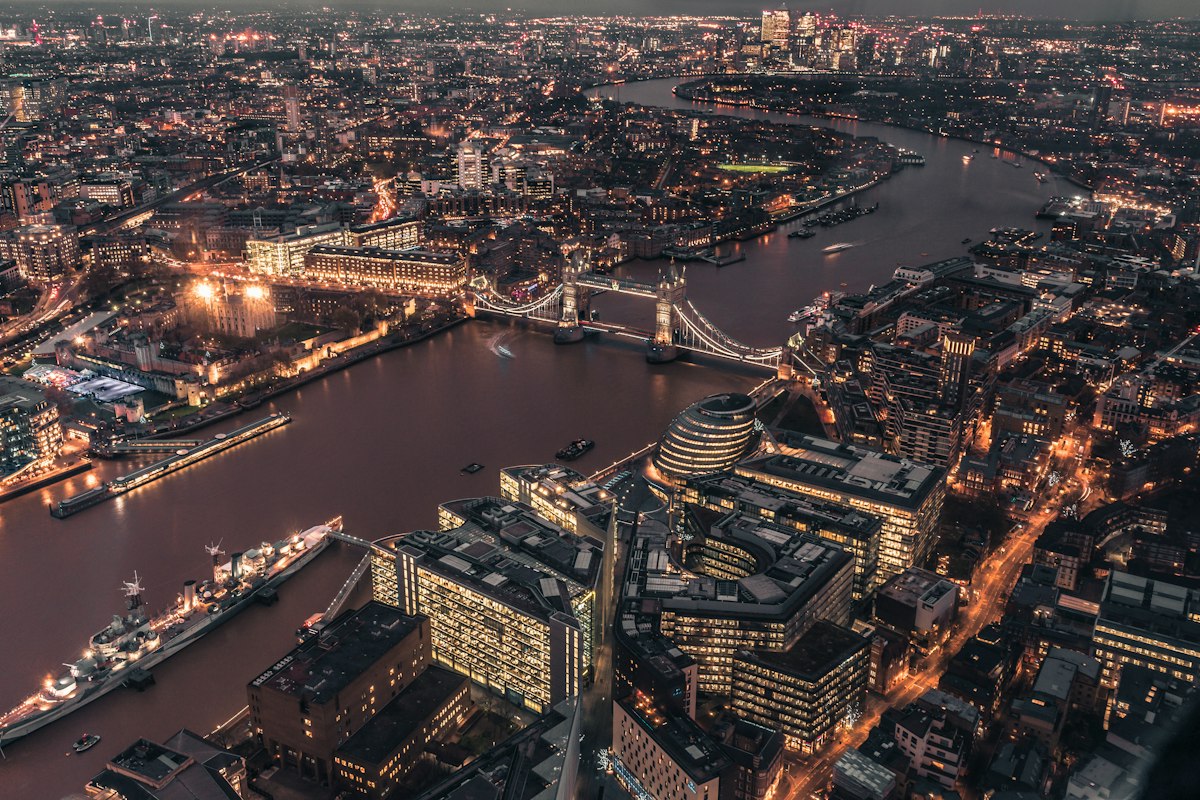
London is one of the best cities in the world for day trips by train, and most visitors to the UK do not know half of what is available within two hours of the city. The rail network out of the London termini reaches medieval cathedral cities, chalk cliffs, ancient stone circles, and university towns that contain more history per square metre than most countries manage per square kilometre.
All of these trips are possible on a standard Travelcard extension or an off-peak return. All of them are better on a weekday when the weekend visitors stay home.
Bath: Roman Baths and Georgian Architecture in One City
Bath is ninety minutes from London Paddington and contains the best-preserved Roman bath complex in northern Europe alongside the finest concentration of Georgian architecture in Britain. The Roman Baths museum is genuinely extraordinary: the engineering that brought and retained the thermal water two thousand years ago is still functioning, and the lead pipes and heating systems are visible as they were found.
Walk up to the Royal Crescent in the afternoon. The sweep of thirty terraced houses in a perfect half ellipse above the city is as impressive from the park below as it is from the street. The tea rooms and restaurants around the Circus are expensive by British standards but reasonable by European city-break standards. Go on a Tuesday and avoid the weekend crowds entirely.
Canterbury: Medieval England Intact

Canterbury Cathedral is one of the great medieval buildings in northern Europe and the city around it has preserved more of its original street pattern than almost any other English city. The walk from the train station through the West Gate and down the high street to the Cathedral precinct takes you through eight hundred years of English urban history in about fifteen minutes.
An hour from London St Pancras on the high-speed line. Go on a Wednesday when the school groups are not there. The cathedral itself requires a ticket but the exterior and the surrounding lanes of the city are free and worth several hours of wandering.
Salisbury and Stonehenge: The Combination Trip
Salisbury Cathedral has the tallest spire in Britain and one of the four surviving original copies of Magna Carta. The cathedral close, the walled precinct around it, is the most complete medieval close in England and the buildings facing the lawn date from the thirteenth century. This alone is worth the ninety-minute train ride from Waterloo.
Stonehenge is nine miles from Salisbury and reachable by the Stonehenge Tour bus. The stones are smaller than most people expect and the proximity restrictions mean you see them from a set distance. But standing in that landscape with the monument at the centre of the plain and understanding that this was built four thousand years ago by people without metal tools: the experience is harder to dismiss than the cynicism around it suggests.
Oxford: The University City Done Right
Oxford is fifty-five minutes from London Paddington and receives enormous numbers of tourists who largely crowd around the same three or four colleges. The free parts of the university, which include the Bodleian Library courtyard, the Radcliffe Camera, and the entirety of Broad Street, are as impressive as anything requiring a ticket.
Walk along the river from Folly Bridge to the University Parks on a Tuesday morning and you will encounter almost nobody. The meadows on both sides of the Cherwell, the punts on the water, and the college buildings rising above the treeline: this is the Oxford that actually earns the romantic reputation rather than the gift shop version of it.
Route, budget and verification notes
Last editorial review: 1 August 2026. Recheck time-sensitive details shortly before travel.
Build the route
- Bath: Roman Baths and Georgian Architecture in One City
- Canterbury: Medieval England Intact
- Salisbury and Stonehenge: The Combination Trip
- Oxford: The University City Done Right
Use these sections as planning anchors rather than a fixed schedule. Confirm door-to-door transfer times, opening days and reservation requirements, then add recovery time after long journeys.
Budget before booking
Price the trip in four separate groups: accommodation, transport, food and paid activities. Add local transfers, baggage fees, taxes, insurance and a contingency amount. Exact prices vary by season and booking date, so this guide does not invent a single daily figure that may already be outdated.
Sources to verify
- VisitBritain for official or primary travel information.
- IATA Travel Centre for passport, visa and health-document checks.
