
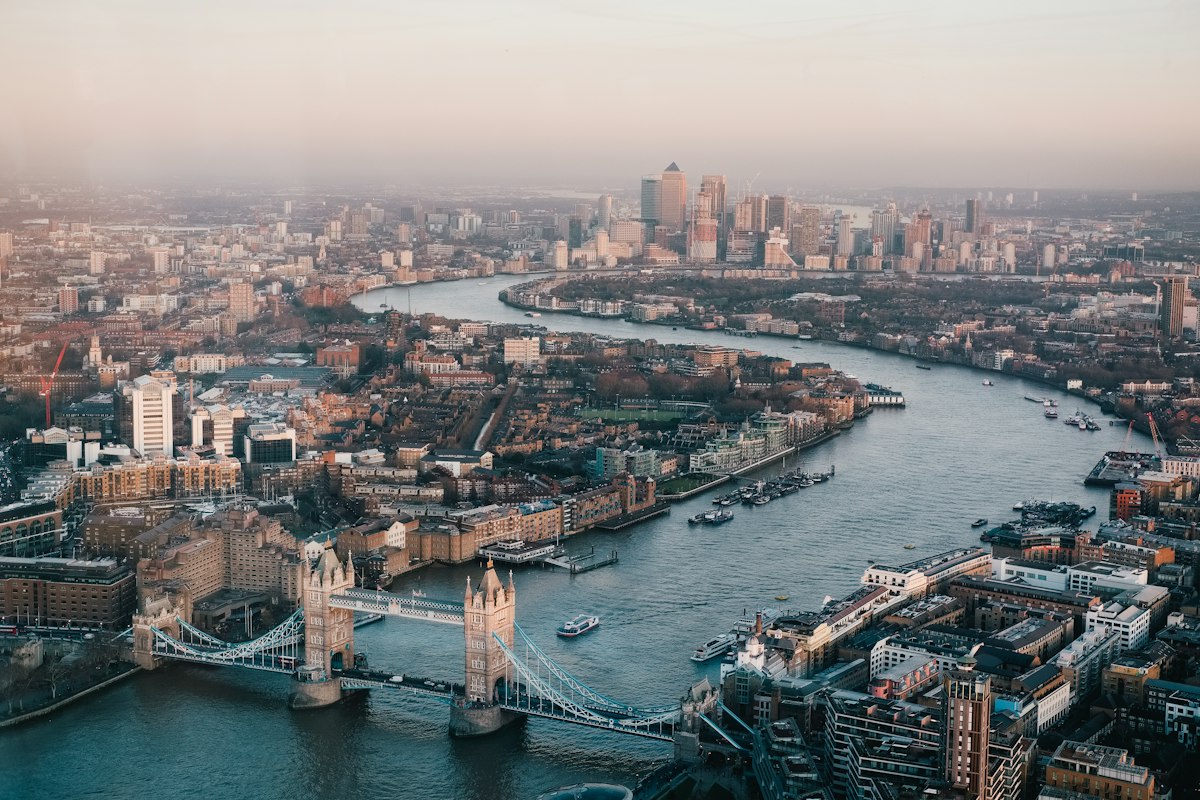
London is one of the most visited cities in the world and most of its visitors see roughly the same square kilometre of it: the area between the British Museum, Covent Garden, the South Bank, and Buckingham Palace. This is not London. It is the tourist infrastructure that surrounds London, which is a completely different thing.
The actual city exists in its neighbourhoods, and those neighbourhoods are so distinct from each other that spending a day in one is like visiting a different place entirely. Here are the ones worth finding.
Peckham: South London’s Most Interesting Neighbourhood
Peckham has been written about enough that calling it undiscovered would be dishonest. But it still receives almost no conventional tourists, which means it functions as an actual neighbourhood rather than a tourist destination. The Rye Lane market, the independent food hall in a converted multistorey car park, the Nunhead Cemetery with its Victorian monuments being reclaimed by vegetation: this is London at its most genuinely mixed and genuinely alive.
Bolu restaurant on Rye Lane serves the best West African food I have eaten in London. The rooftop bar above the car park market has views across the city that tourists pay to see from the Shard and here are free. Go on a Saturday afternoon and stay for the evening.
Bermondsey: The Food and Market Street Most Visitors Miss
Bermondsey Street, running south from London Bridge, contains a concentration of independent restaurants, galleries, and the Fashion and Textile Museum in a stretch of about five hundred metres. The Bermondsey Antiques Market runs on Friday mornings from five until two and dealers come from across Europe to trade here before the public arrives. Going at seven in the morning for the serious market and staying for breakfast at one of the cafes is a better Friday morning than most cities can offer.
The Maltby Street Market under the railway arches on Saturday mornings is smaller and better than Borough Market, which is directly across the river and has become substantially more about performance than food. The arches at Maltby Street are dark and loud with the trains above, and the food is extraordinary.
Hackney: The East London That Most Tourist Maps Stop Before
The tourist map of east London extends to Shoreditch and occasionally Bethnal Green and then stops. Hackney, twenty minutes further by bus or overground, is where much of the creative and food culture that made Shoreditch famous has moved as rents pushed people further out. The Broadway Market on Saturday is one of the best food markets in the city. London Fields next to it is the kind of park that London does better than anywhere else: completely informal, all ages, all backgrounds, everyone there because the weather is occasionally decent and London parks in good weather are genuinely joyful.
How to Actually Navigate These Neighbourhoods
The Overground train network connects most of these neighbourhoods and is significantly less crowded than the Underground. The bus network is slower but takes you through the city at street level and provides a completely different experience of London’s scale and variety. Oyster card or contactless payment works across all of it.
Walk between neighbourhoods rather than taking transport for every short journey. The streets between Bermondsey and Peckham, or between Hackney and Dalston, contain the texture of London that no tourist attraction can provide: the density of different languages, the quality of the light in the late afternoon, the specific sound of a city that has been continuously inhabited for two thousand years doing what cities do.
Route, budget and verification notes
Last editorial review: 1 August 2026. Recheck time-sensitive details shortly before travel.
Build the route
- Peckham: South London's Most Interesting Neighbourhood
- Bermondsey: The Food and Market Street Most Visitors Miss
- Hackney: The East London That Most Tourist Maps Stop Before
- How to Actually Navigate These Neighbourhoods
Use these sections as planning anchors rather than a fixed schedule. Confirm door-to-door transfer times, opening days and reservation requirements, then add recovery time after long journeys.
Budget before booking
Price the trip in four separate groups: accommodation, transport, food and paid activities. Add local transfers, baggage fees, taxes, insurance and a contingency amount. Exact prices vary by season and booking date, so this guide does not invent a single daily figure that may already be outdated.
Sources to verify
- VisitBritain for official or primary travel information.
- IATA Travel Centre for passport, visa and health-document checks.
