
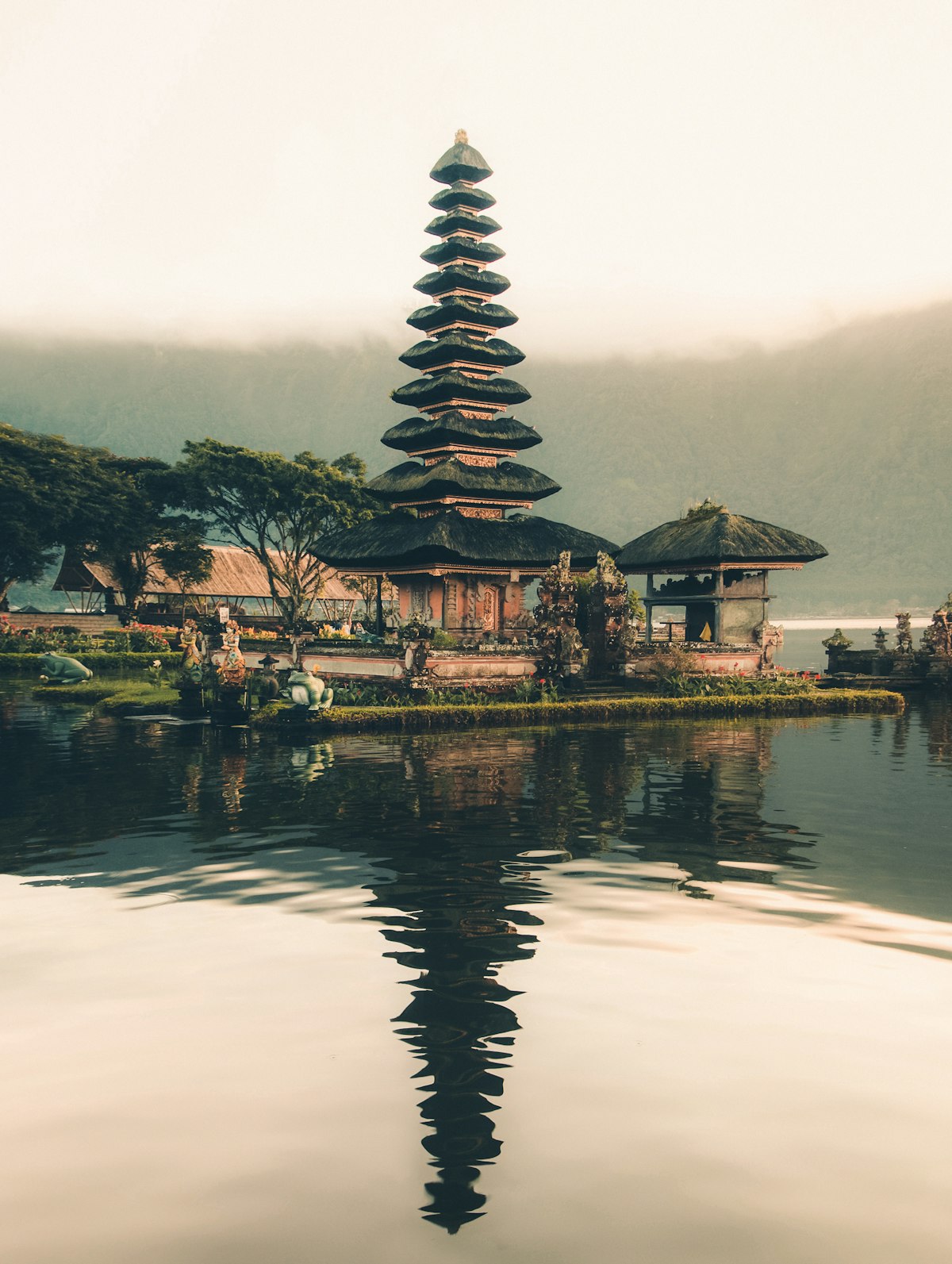
Bali has become one of those destinations that everyone visits and very few people actually see. The Instagram version, Seminyak and Canggu with their rooftop pools and brunch menus, tells you almost nothing about what the island actually is. I made that mistake on my first trip. The second time I came with a completely different strategy.
The hotels that changed how I thought about Bali were not the famous ones. They were the small owner-run properties in Ubud’s jungle fringes, the rice field retreats between Sidemen and Amed, and a handful of extraordinary cliff-edge builds in the Bukit Peninsula that never appear in the major booking lists.
Samsara Ubud – Hanging Over the Jungle
Getting to Samsara involves a steep private path down into the Campuhan Ridge valley. Your villa appears to float above the jungle canopy, connected to the main building by a narrow bridge. At night, the only sounds are frogs and the distant sound of a gamelan rehearsal from the village above.
There are only twelve villas. The infinity pool faces directly into the tree line. Breakfast is brought to your terrace and changes daily based on what arrived at the morning market. This is Bali as it was meant to be experienced, not performed.
Capella Ubud – Tented Camp Done Seriously
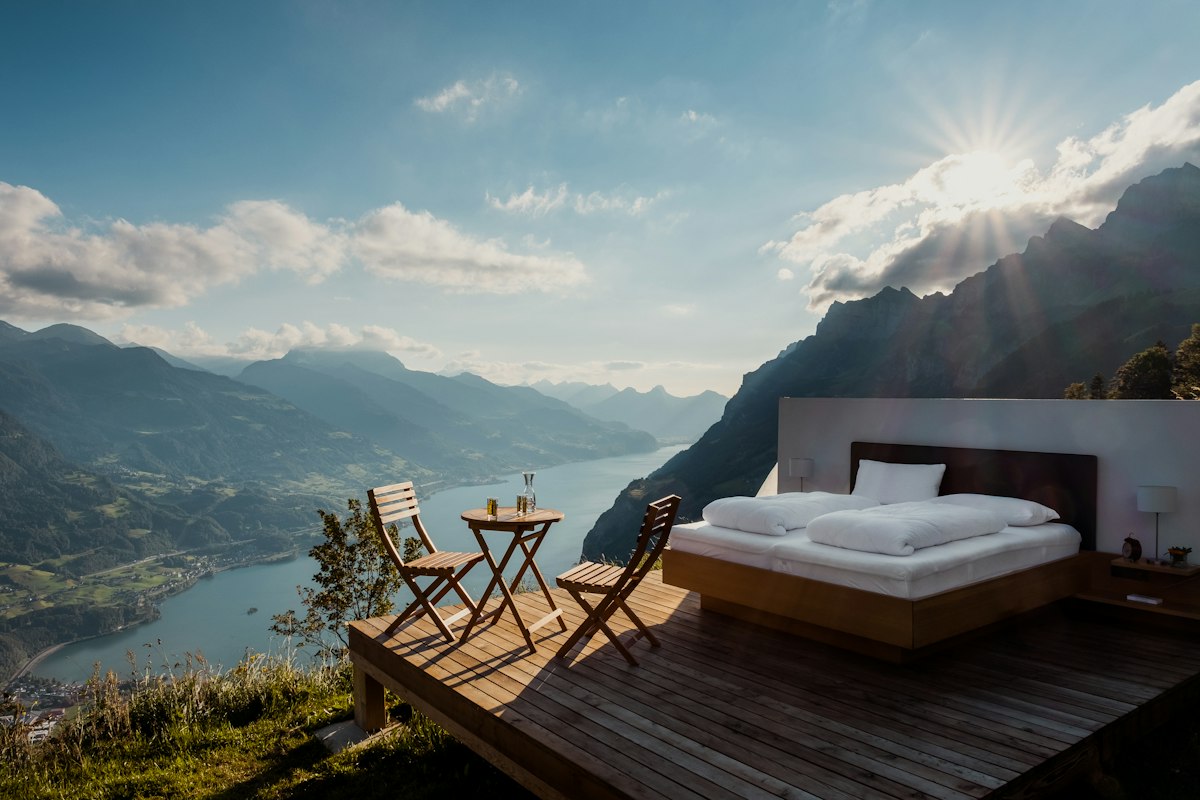
The concept is a jungle explorer camp from 1930s colonial Bali, with the discomfort entirely removed. Tented pavilions sit on raised platforms among the trees, each with their own plunge pool and outdoor shower. The whole property is walkable at night with lanterns guiding you along raised wooden paths.
What earns Capella its reputation is the staff-to-guest ratio, which feels almost absurd. Someone appears within minutes of any need, without hovering. The cooking classes use produce from a working farm on the property. It is expensive, but less so than comparable experiences in Maldives or Phuket.
Alila Villas Uluwatu – Clifftop Minimalism
The Bukit Peninsula at Bali’s southern tip is a completely different world from Ubud. Limestone cliffs, surf breaks, and a scrubby plateau that was considered worthless real estate until about fifteen years ago. Alila Uluwatu changed the calculation entirely.
The property extends along the cliff edge and the design is uncompromising: white concrete, infinity edges, and sightlines calculated to frame the Indian Ocean like a painting. It is austere in photographs but warm in person, the stone and sea light doing something interesting together at golden hour.
Jeeva Saba – Balinese Village That Happens to Be a Hotel
Jeeva Saba sits inside an actual working rice farming village in east Bali between Sanur and Candidasa, an area most visitors drive straight through. The property has occupied a series of traditional family compounds and restored them rather than rebuilt them. Village ceremonies still happen around you. Villagers still farm the surrounding paddies.
Children wave from the lanes. An elder sits under the same banyan tree he has sat under for decades. Guests here seem genuinely uncertain whether they are guests or visitors, which is exactly the right feeling.
Getting the Most From These Properties
Avoid arriving in Bali in July and August if these are the hotels you want. All four book out months in advance in peak season and prices climb steeply. April, May, September, and October give you full dry season weather with a fraction of the crowds and room rates that are often 30 to 40 percent lower.
A private driver for the duration of your stay is worth the cost. The roads between Ubud, the east coast, and Uluwatu are complex and change constantly as new development happens. A driver who knows the island saves hours of wrong turns and gives you access to places no map will find.
Route, budget and verification notes
Last editorial review: 1 August 2026. Recheck time-sensitive details shortly before travel.
Build the route
- Samsara Ubud – Hanging Over the Jungle
- Capella Ubud – Tented Camp Done Seriously
- Alila Villas Uluwatu – Clifftop Minimalism
- Jeeva Saba – Balinese Village That Happens to Be a Hotel
Use these sections as planning anchors rather than a fixed schedule. Confirm door-to-door transfer times, opening days and reservation requirements, then add recovery time after long journeys.
Budget before booking
Price the trip in four separate groups: accommodation, transport, food and paid activities. Add local transfers, baggage fees, taxes, insurance and a contingency amount. Exact prices vary by season and booking date, so this guide does not invent a single daily figure that may already be outdated.
Sources to verify
- Indonesia Travel for official or primary travel information.
- IATA Travel Centre for passport, visa and health-document checks.
