
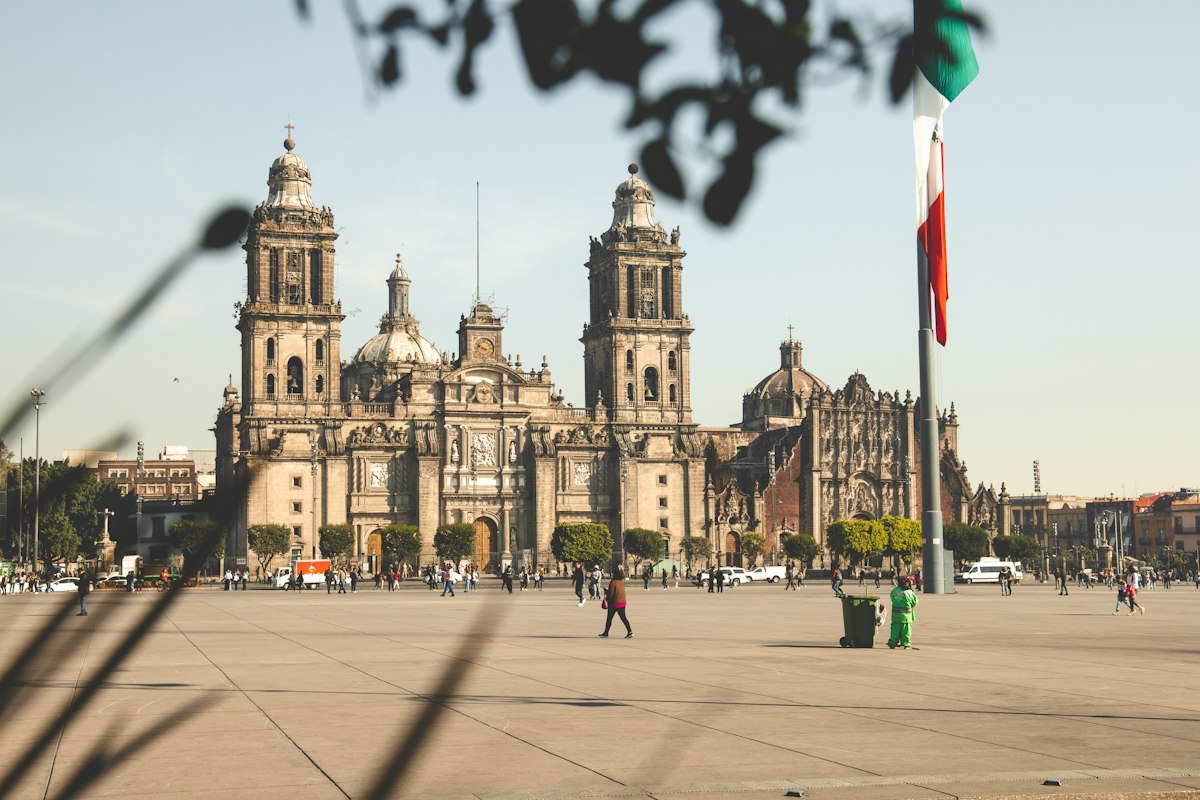
Mexico City surprised me. I arrived with certain assumptions — the traffic, the safety concerns, the sheer scale of a metropolitan area of twenty-two million people — and found, within forty-eight hours, a city so culturally rich, gastronomically extraordinary and genuinely alive that I extended my stay by a week and have been recommending it unreservedly ever since.
The Historic Centre: Three Thousand Years in One Square
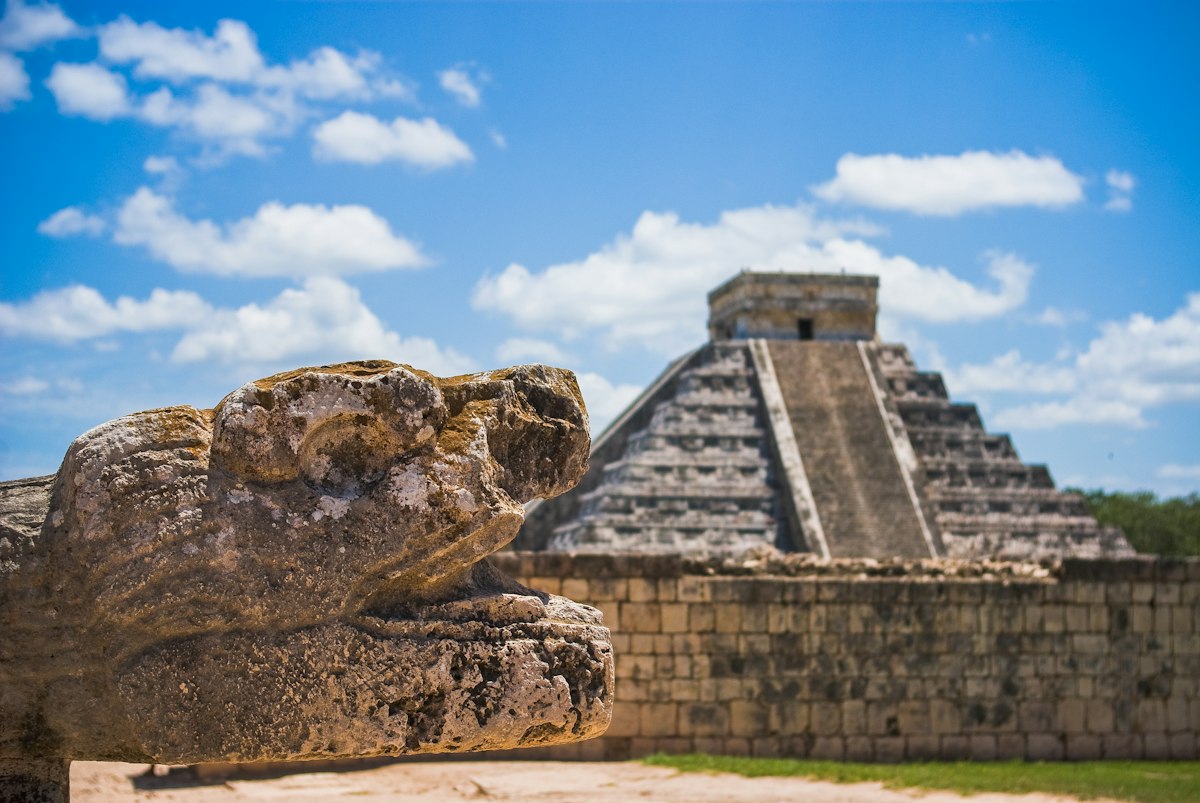
The Zocalo — formally the Plaza de la Constitucion — is one of the largest public squares in the world, and standing in it feels like standing at the intersection of every era of Mexican history simultaneously. The Metropolitan Cathedral, begun in 1573, sinks visibly into the soft ground of the ancient lake bed on which the city is built. Behind the cathedral, the ruins of the Templo Mayor — the great pyramid of the Aztec capital Tenochtitlan, demolished by the Spanish in 1521 and only rediscovered in 1978 — remind you that this square has been the centre of power for a very long time indeed.
Teotihuacan: The Pyramids an Hour from the City
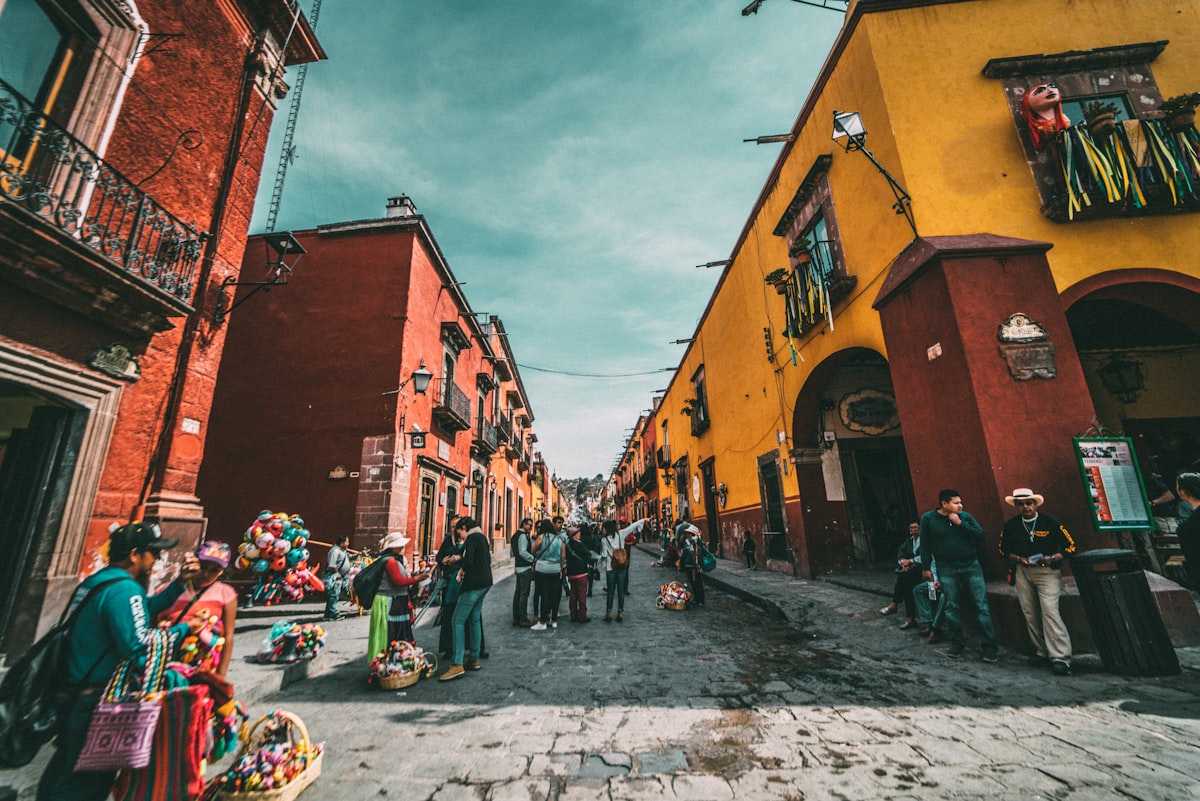
The ancient city of Teotihuacan, an hour’s drive northeast of Mexico City, was at its peak one of the largest cities in the pre-Columbian world, with a population of perhaps 125,000 people. The Avenue of the Dead, flanked by the Pyramid of the Sun and the Pyramid of the Moon, is one of the great archaeological sites of the Americas — and climbing to the top of the Pyramid of the Sun at sunrise, before the crowds arrive, is an experience I would rank among the most affecting of my travels.
Go early, take water, and hire a local guide rather than following a group tour — the context they provide transforms the experience from impressive to genuinely moving.
Coyoacan: Frida Kahlo’s Neighbourhood
Coyoacan is a bohemian neighbourhood in the south of the city that was once a separate village and still feels like one. Cobbled streets, colonial architecture, excellent coffee shops and bookstores, and the Frida Kahlo Museum — the Casa Azul, or Blue House, where Kahlo was born and died — make it one of the most pleasant areas in the city to spend an afternoon.
The museum is genuinely moving: Kahlo’s studio is preserved as she left it, her wheelchair by the easel, the corsets she painted hanging on the walls. Book tickets online in advance; the queues without one are long.
The Food: Mexico City’s Greatest Achievement
Mexico City has arguably the best food scene in Latin America, and I will argue that case to anyone who will listen. The tacos alone — al pastor from a spinning trompo, barbacoa wrapped in maguey leaves, suadero simmered in lard — would justify the trip. But the city goes far beyond tacos: the markets (Mercado de la Merced, La Ciudadela) are extraordinary sensory experiences, the cantinas serve traditional dishes that have not changed in a century, and a growing generation of chefs is producing some of the most exciting food in the world.
Eat in the street. The food is safer than it looks (the key is choosing busy stalls with high turnover), costs almost nothing, and is frequently extraordinary. I ate extraordinarily well for less than a day without particularly trying.
Xochimilco: The Floating Gardens
Xochimilco is a network of canals south of the city, the last surviving remnant of the lake system on which Tenochtitlan was built. On weekends, the canals fill with trajineras — flat-bottomed boats painted in bright colours — carrying families eating, drinking and listening to mariachi bands. It is chaotic, cheerful and deeply Mexican in a way that the more polished tourist attractions sometimes are not.
Rent a trajinera with a group, bring food and drinks, and spend an afternoon drifting through the canals watching the rest of Mexico City do the same thing. It is one of the more joyful experiences I have had anywhere.
Practical Tips
- Mexico City’s Metro is excellent — fast, frequent and extremely cheap. Download the route map before arriving.
- The Roma and Condesa neighbourhoods are the best base for first-time visitors: safe, walkable, full of excellent restaurants and cafes.
- Altitude is real — Mexico City sits at 2,240 metres above sea level and the first day or two can leave you short of breath. Take it easy initially.
- Visit between November and April for the dry season and clearest air.
Love North American adventures? Also read our guide to the best road trips in the USA — perfect for combining with a Mexico City trip.
Mexico City planning checklist and verified visitor resources
Last fact-check: 3 August 2026. This article combines destination research with practical planning. Opening conditions, ticket systems and local transport can change, so verify time-sensitive details shortly before visiting.
How to organise three useful days
- Day one: walk the Historic Centre, allowing extra time for the Z?calo, cathedral surroundings and museum queues.
- Day two: dedicate a separate morning and early afternoon to Teotihuac?n rather than squeezing it between city sights.
- Day three: combine Coyoac?n with a pre-booked museum slot, or choose Chapultepec if museums and green space matter more.
For Teotihuac?n, use the official INAH visitor page to check access information and visitor rules. Avoid relying on screenshots of old opening times or prices. Bring sun protection and water, and leave flexibility for the journey back into the city.
Budget decisions that matter
The largest variables are accommodation area, airport transport, guided day trips and the number of paid museums. Keep a separate daily allowance for food and local transport, then price major tickets from their official pages. Card acceptance is common in established businesses, but small cash is useful for markets and smaller vendors.
For broader planning, compare this guide with our first-time solo travel guide.
