
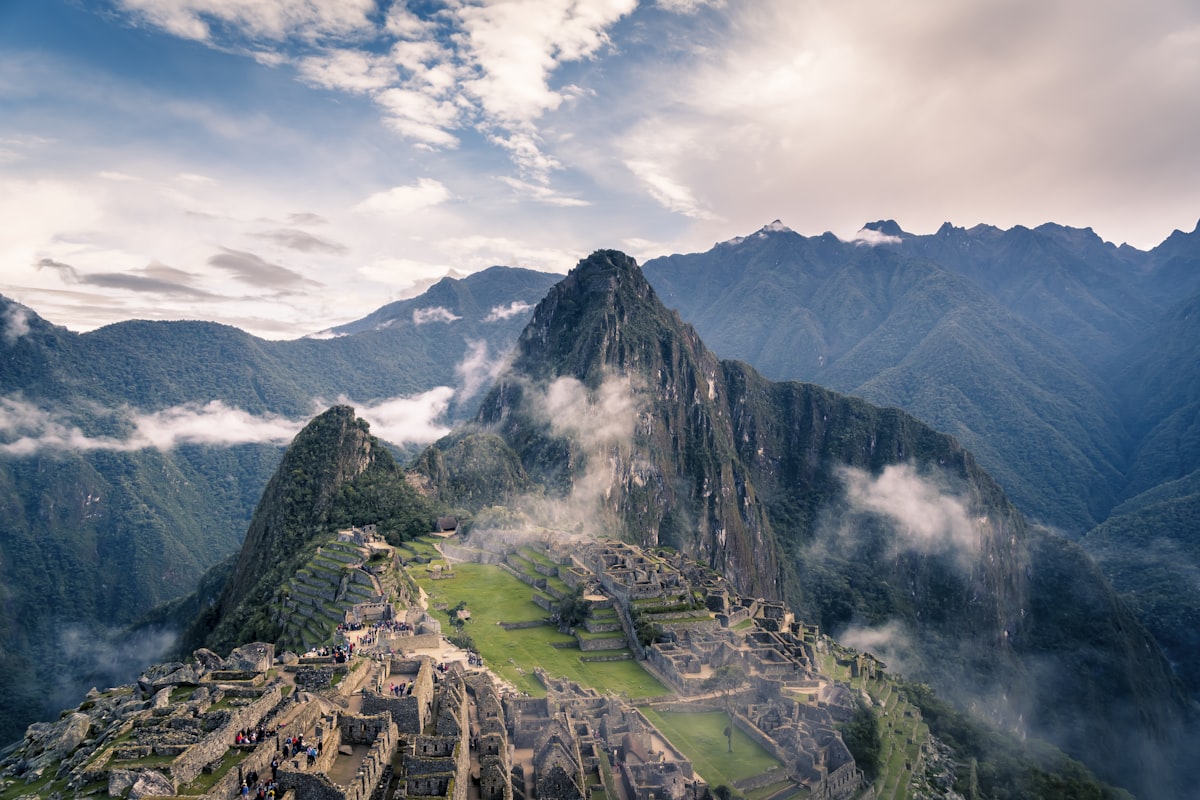
Machu Picchu is one of those places where the photographs prepare you for something extraordinary and the reality still exceeds them. I arrived at the Sun Gate after four days on the Inca Trail at five thirty in the morning and saw the citadel emerge from the mist below as the light came up over the mountains. The photographs do not include the altitude, the cold, the smell of the cloud forest, or the particular silence of a place that has been built, abandoned, and found again over five hundred years. They cannot.
Getting the most from Machu Picchu requires understanding the logistics, which have become more complex in recent years as visitor numbers have been capped and the entry system has changed significantly.
The New Entry System: What You Need to Know
Peru introduced a time-slot entry system at Machu Picchu that limits the number of visitors per entry period. Tickets must be booked in advance through the official government website and sell out weeks ahead during peak season from June to August. There is no same-day ticket purchase at the site. Arriving without a pre-booked ticket means turning back.
The morning slots from six to ten are the most popular and sell out first. The afternoon slots from noon onward often have more availability and have the advantage of the mid-afternoon light, which is better for photography than the harsh morning sun. The citadel empties significantly after two as the morning tours leave, and the last hour before closing at five thirty can be almost quiet.
Inca Trail vs Train: Which Is Right for You
The classic Inca Trail is a four-day trek from kilometer 82 outside Cusco to the Sun Gate above Machu Picchu. It passes through multiple climate zones, several lesser-visited Inca ruins, and a high mountain pass at 4215 metres. Permits are capped at five hundred per day including guides and porters, and they sell out within hours of going on sale in October for the following year. This is not an exaggeration.
The train from Cusco or Poroy to Aguas Calientes takes three to four hours and delivers you to the town directly below Machu Picchu, from which a bus takes twenty minutes to the entrance. It is comfortable, reliable, and available with reasonable advance booking. The Vistadome service has panoramic windows that show the Sacred Valley and the cloud forest transition. For travellers who cannot secure Inca Trail permits or prefer not to trek, it is an excellent option that in no way diminishes the experience at the site itself.
The Best Time to Visit
The dry season from May to October has the best visibility and the most comfortable conditions for both the trek and the site visit. June, July, and August are the peak months with the highest visitor numbers and the most competition for tickets and trail permits. May and September offer dry weather with significantly lower crowds.
The wet season from November to April has more cloud cover, which can obscure the views but also creates the mist that the famous morning photographs rely on. The Inca Trail closes entirely in February for maintenance. Visiting in January or March in the wet season is possible and the site is much less crowded, but expect some rain on most days.
One Day vs Two Days at Machu Picchu
Two days is better if you can manage it. The first day for the citadel itself, following a guide to understand the layout and the history. The second morning for Huayna Picchu or Montana Machu Picchu, the two mountains above the site that provide the elevated view that the famous photograph is taken from. Both require separate tickets and both sell out: book them at the same time as your site entry.
Route, budget and verification notes
Last editorial review: 1 August 2026. Recheck time-sensitive details shortly before travel.
Build the route
- The New Entry System: What You Need to Know
- Inca Trail vs Train: Which Is Right for You
- The Best Time to Visit
- One Day vs Two Days at Machu Picchu
Use these sections as planning anchors rather than a fixed schedule. Confirm door-to-door transfer times, opening days and reservation requirements, then add recovery time after long journeys.
Budget before booking
Price the trip in four separate groups: accommodation, transport, food and paid activities. Add local transfers, baggage fees, taxes, insurance and a contingency amount. Exact prices vary by season and booking date, so this guide does not invent a single daily figure that may already be outdated.
Sources to verify
- Peru Travel for official or primary travel information.
- IATA Travel Centre for passport, visa and health-document checks.
