
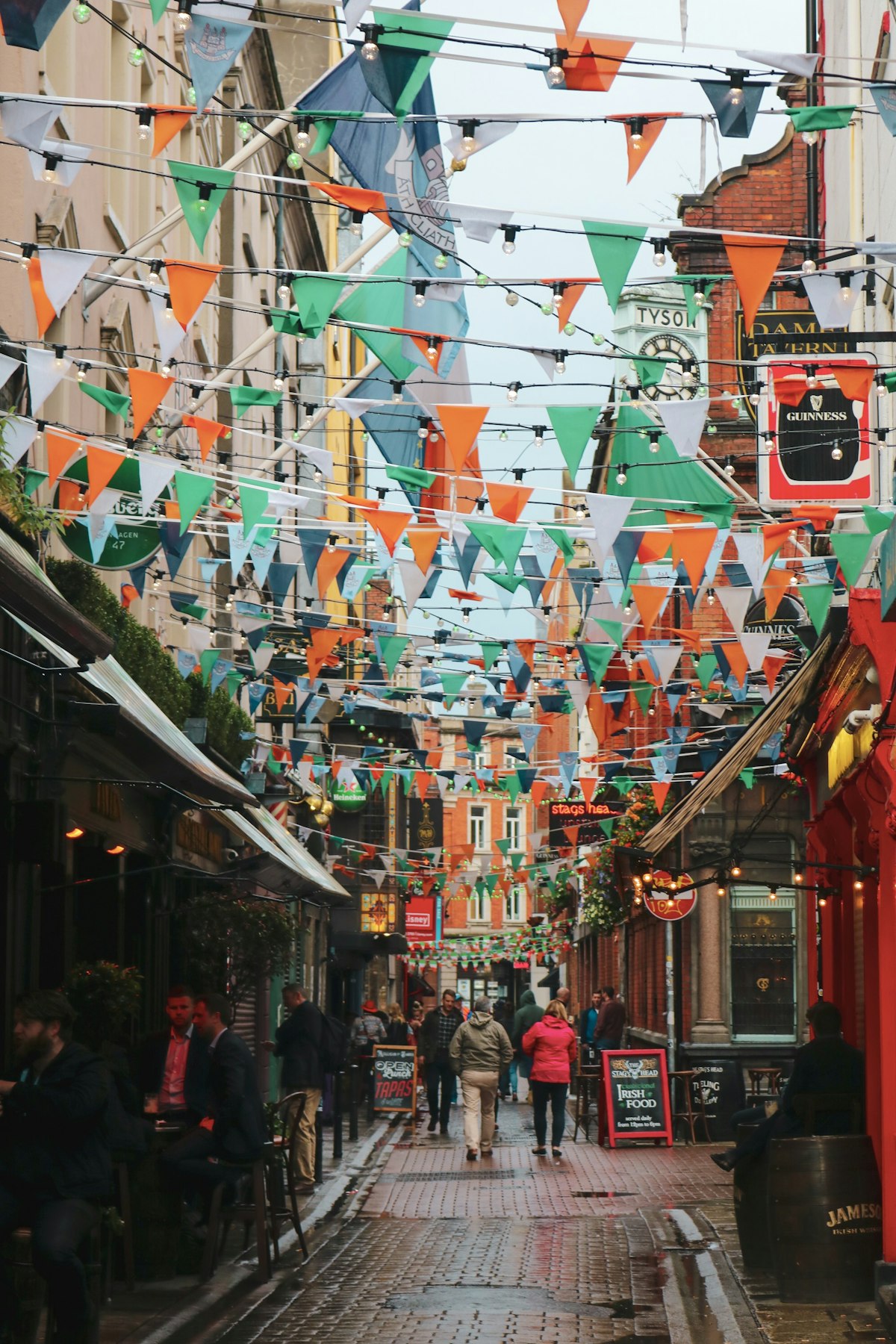
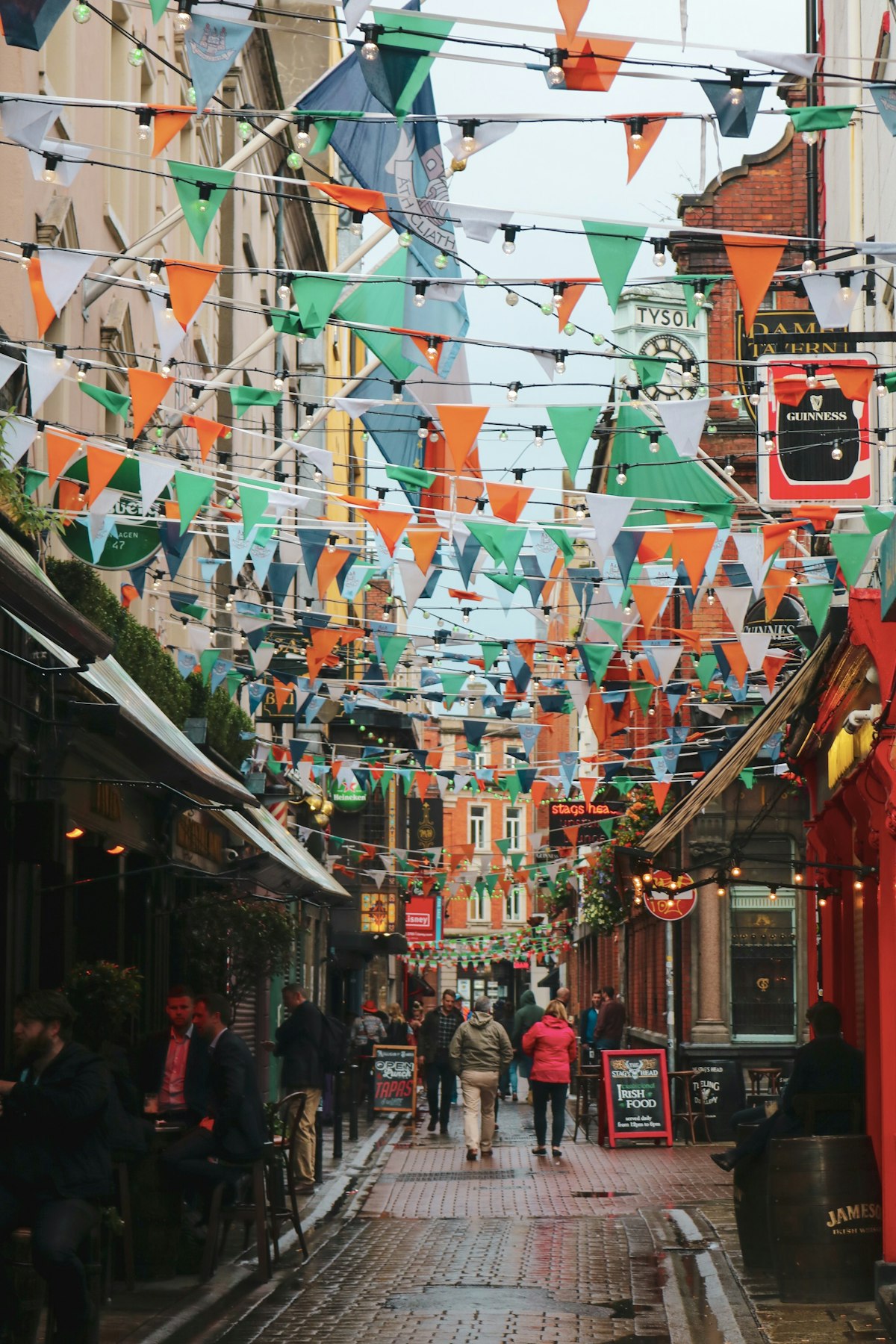
Dublin is a city that takes about two days to figure out and then becomes immediately likeable. The first day you are confused by the geography — the Liffey divides north from south and each side has its own identity — and slightly overwhelmed by the pub density. The second day you find your pub, your coffee shop, and your market, and start to understand why Dubliners are famously reluctant to leave. It is a city of conversation, literature, and an attitude to weather that can only be described as philosophical.
1. Trinity College and the Book of Kells

”
The Book of Kells is the most elaborately decorated manuscript in the Western world — an illuminated gospel book produced by monks around 800 AD, with page borders of such intricate complexity that scholars are still debating how they were physically made. It is displayed in the Old Library at Trinity College alongside the Long Room — 65 metres of dark oak shelving, barrel-vaulted ceiling, and 200,000 ancient books that smell exactly as you hope they will. Book tickets online; the queue without booking can be an hour. The college grounds are worth exploring beyond the library.
2. A Proper Dublin Pub

”
The Dublin pub is a social institution that has been the centre of Irish public life since the 17th century. A good one has a barman who knows regulars by name, a pint of Guinness that settles in two minutes, and at least one old man who has been sitting in the same corner since approximately 1987. The most famous pubs — Mulligan’s, Kehoe’s, Doheny and Nesbitt — are famous for good reason. The traditional music sessions at the Cobblestone in Smithfield (Sunday afternoons) and Hughes’ Bar (nightly) are the best in the city, attended primarily by musicians who play for the pleasure of it.
3. The National Museum of Ireland

”
The National Museum’s Archaeology branch on Kildare Street is free, undervisited, and contains some of the most extraordinary objects in Europe. The Iron Age bog bodies — preserved by the chemistry of the peat for two thousand years — are confronting and extraordinary. The Tara Brooch and the Ardagh Chalice represent the peak of early medieval metalworking in the Western world. The Viking Dublin exhibition documents the Norse settlement that predates the modern city. Allow two hours minimum; the museum is large and the collection is dense.
4. The Liberties and Guinness Storehouse

”
The Guinness Storehouse is Dublin’s most visited tourist attraction and the self-guided tour is genuinely well done — seven floors of history, brewing, and advertising, ending with a Guinness poured in the Gravity Bar with a 360-degree view over Dublin. The surrounding Liberties neighbourhood is the oldest part of the city and is currently the most interesting: the Digital Hub has brought creative businesses into the former Guinness warehouse complex, and the Iveagh Markets — a beautiful Edwardian market building — has been restored and reopened. Thomas Street has some of the best independent coffee shops in Dublin.
5. Georgian Dublin: Merrion Square

”
Merrion Square is the best Georgian square in Dublin and possibly the best in Europe. The four sides are lined with four-storey terraced houses in red and brown brick, each with a distinctive door colour and fanlight — the doors of Dublin are on every postcard for good reason. Oscar Wilde lived at Number One. The square itself is a park with a flamboyant statue of Wilde reclining on a rock in the corner. The National Gallery of Ireland on the west side of the square is free and has an excellent collection including the largest number of Jack B. Yeats paintings in the world.
6. Day Trip to Glendalough
”
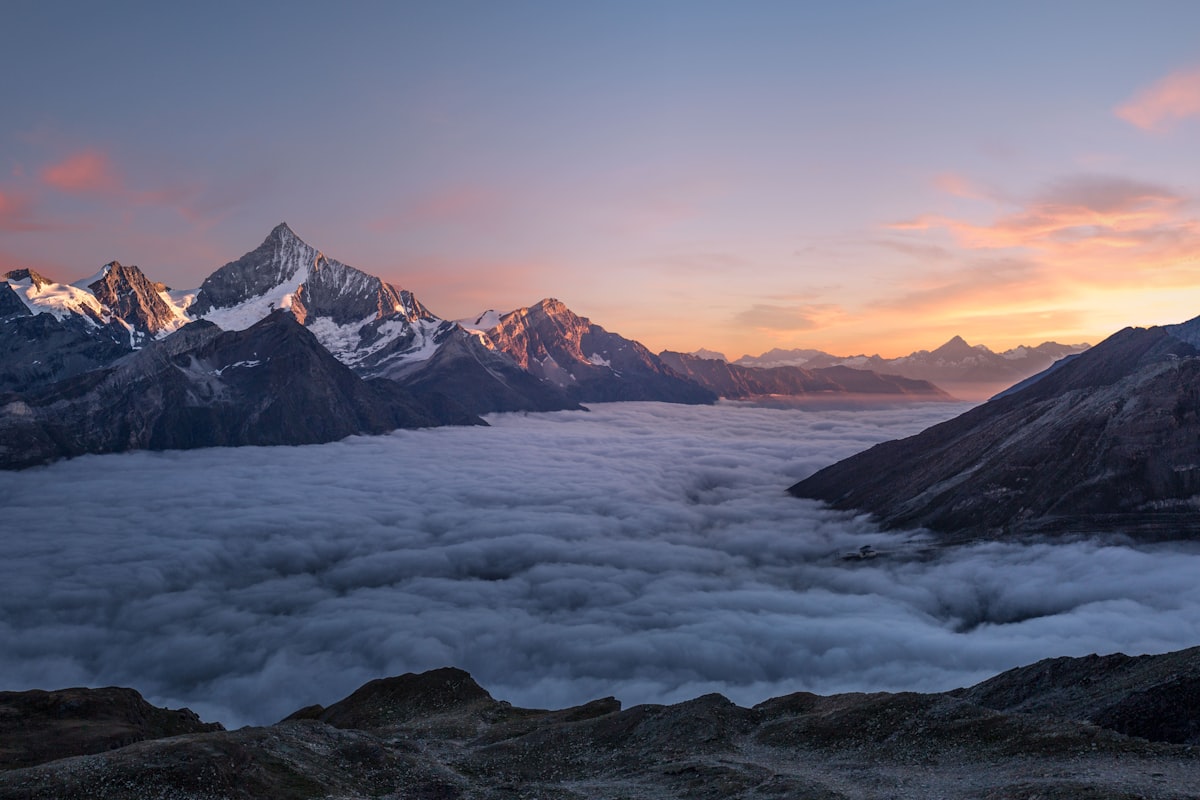
Glendalough (Valley of Two Lakes) is 90 minutes south of Dublin in the Wicklow Mountains and contains one of the best-preserved monastic settlements in Ireland — founded by St Kevin in the 6th century, the round tower and cathedral ruins date from the 10th to 12th centuries. The two lakes and the valley around them are National Park land; the walks range from a short lake circuit to a full-day hike over the Wicklow Way. The St Kevin’s Bus runs twice daily from Dublin city centre, making a car unnecessary.
7. The Docklands and EPIC Museum

”
Dublin’s Docklands has been transformed from derelict port infrastructure into the European headquarters of Google, Facebook, and dozens of other technology companies. The architecture is genuinely interesting — the Convention Centre by Kevin Roche, the Bord Gáis Energy Theatre by Daniel Libeskind, the Samuel Beckett Bridge shaped like a harp. EPIC — The Irish Emigration Museum — is the best museum in the Docklands area and tells the story of the 10 million people who left Ireland between 1800 and 1925 and their disproportionate impact on the United States, Australia, and Argentina.
8. Howth Head

”
Howth is a fishing village on a headland 30 minutes from Dublin city centre by DART (Dublin Area Rapid Transit) and offers the most complete escape from the city without leaving it. The cliff walk around the headland takes two to three hours and has views back over Dublin Bay. The harbour has the freshest fish in the region — the seafood restaurants on the pier serve what came off the boats that morning. The Sunday fish market at the harbour has oysters, crab, and smoked salmon at prices significantly below city centre. Return on the DART for under five euros.
9. Kilmainham Gaol
”
Kilmainham Gaol held the leaders of every major Irish rebellion from 1798 to 1922, including the fourteen men executed after the 1916 Easter Rising. The guided tour is one of the most emotionally affecting experiences in Dublin — the stonebreakers’ yard where the executions took place, the east wing of Victorian cells, the history of Irish revolutionary politics told through the experiences of specific prisoners. Book tickets in advance; the tours sell out. The adjacent Irish Museum of Modern Art in the former Royal Hospital is free and has an excellent temporary exhibition programme.
10. Glasnevin Cemetery and Museum
”
Glasnevin is the national cemetery of Ireland — more than 1.5 million people are buried here, including Daniel O’Connell, Michael Collins, Éamon de Valera, and Brendan Behan. The museum is the best introduction to Irish history available in a single building, structured around the stories of people buried in the cemetery. The guided tours are led by staff who clearly find the history genuinely interesting rather than performing enthusiasm. The Republican plot, the O’Connell tower, and the round tower visible from the entrance are the landmarks.
Practical Information
”
Dublin is a walkable city — most central attractions are within 30 minutes on foot. The Luas tram system and DART train serve the suburbs and coastal villages. A Leap Card loaded with credit covers buses, Luas, and DART at reduced fares compared to cash. Dublin is expensive by European standards — accommodation and restaurant prices are among the highest in the Eurozone. Booking accommodation in advance is essential in summer and during major events (St Patrick’s Day in March fills the city months ahead). The best months are May, June, and September.