
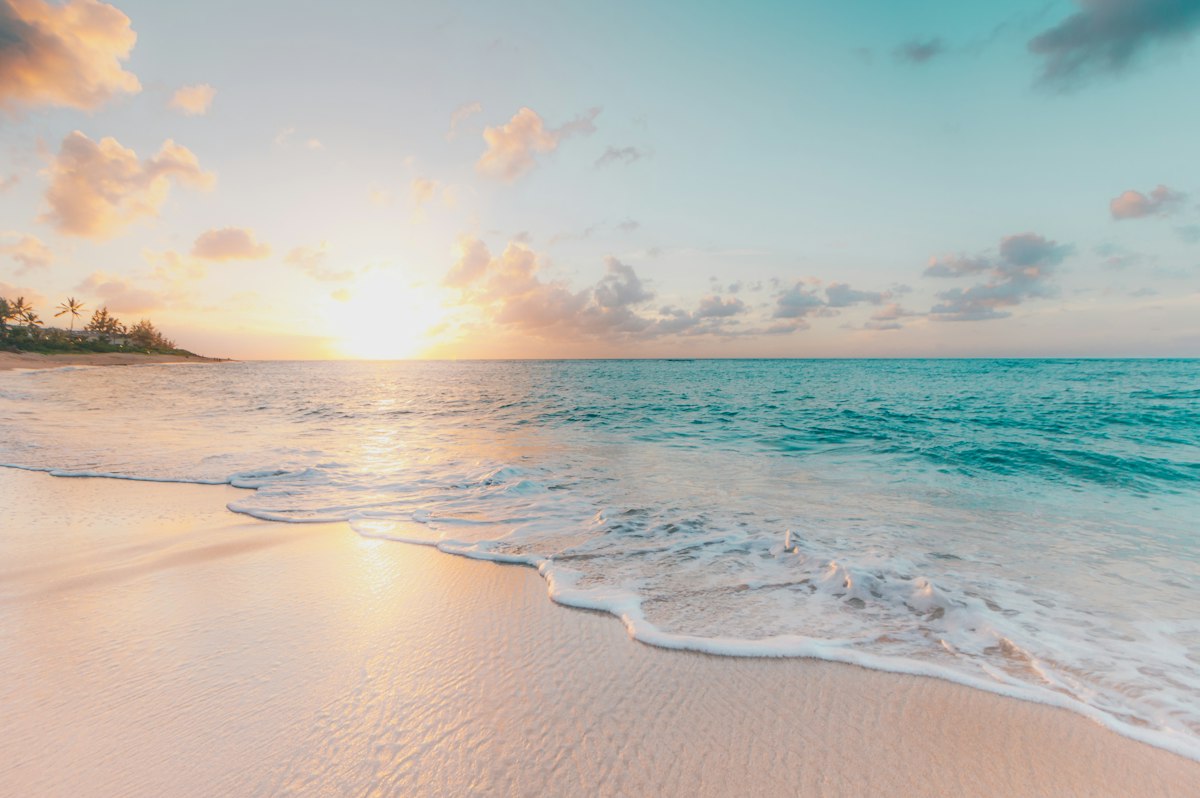
Costa Rica has two coastlines and most visitors end up on the same three or four beaches on the Pacific side that every travel blog recommends. I understand why: they are easy to reach, well-serviced, and genuinely good. But the country has dozens of beaches that most visitors drive past on their way to the famous ones, and several of them are better.
Finding them requires either a good map, a willingness to follow unpaved roads for longer than is comfortable, or local knowledge. Here is the local knowledge part.
Playa Manzanillo: Caribbean Coast at Its Best
The Caribbean coast of Costa Rica is completely different from the Pacific: calmer water, richer reef, denser jungle coming right to the sand, and a culture heavily influenced by Afro-Caribbean traditions that gives the food and music a flavour entirely unlike the rest of the country. Manzanillo sits at the end of the road south of Puerto Viejo and is accessible only by the coastal path after the road ends.
The Gandoca-Manzanillo Wildlife Refuge protects both the beach and the reef and limits development to what was there before the refuge was established. The snorkelling off the reef at the southern end of the beach is the best in Costa Rica. Sea turtles come ashore to nest from March to October. The jungle behind the beach contains troops of spider monkeys and the birding along the coastal trail is exceptional.
Playa Ventanas: Pacific Side Hidden Gem
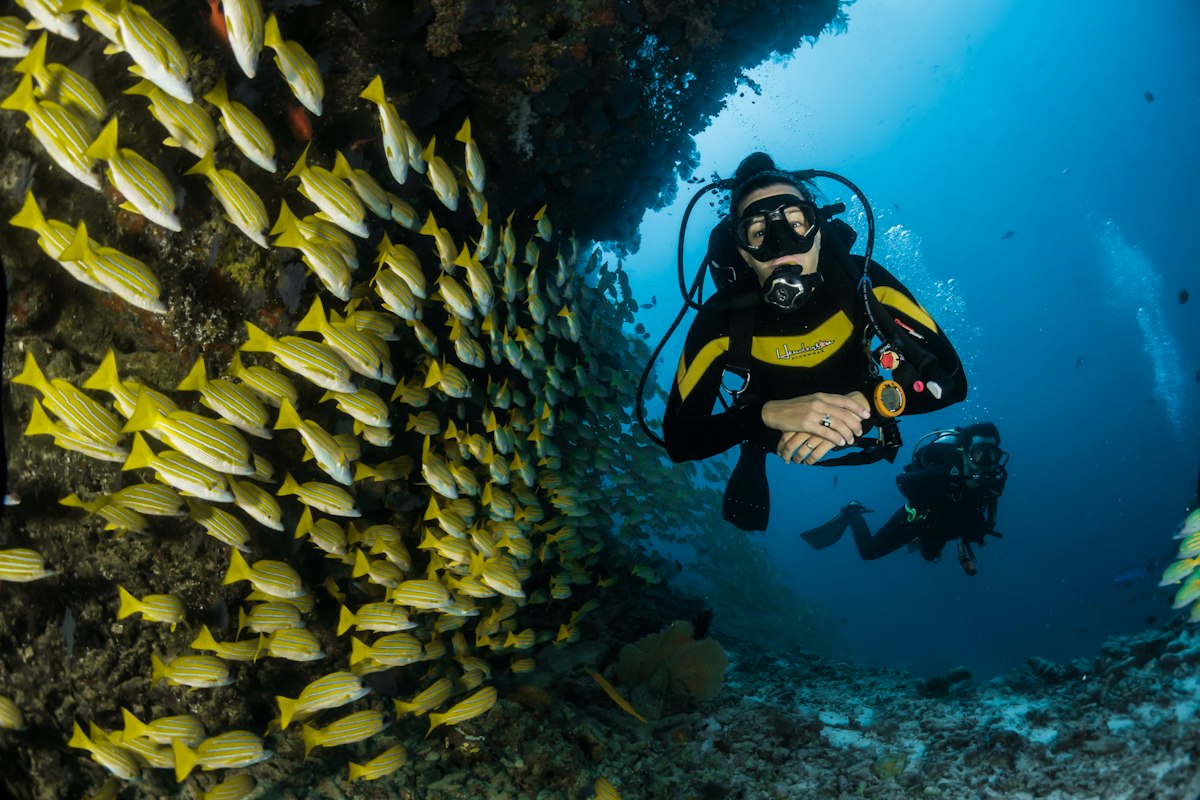
Playa Ventanas sits between Dominical and Uvita on the southern Pacific coast, named for the sea caves, ventanas meaning windows, that the surf has carved through the rock headlands at either end of the beach. At low tide you can walk through these tunnels and emerge on the other side onto a small cove that is only accessible this way.
The beach itself is not particularly long but the geological drama of the rocks and caves makes it one of the most interesting coastal landscapes in the country. It receives almost no organised tours and the access road is unpaved but manageable in a standard vehicle. Go at low tide and stay until the sunset turns the rock formations orange.
Playa Biesanz: The Secret Near Manuel Antonio
Manuel Antonio town is surrounded by developed beaches receiving thousands of visitors daily. Twenty minutes walk from the main tourist strip, down a path through secondary forest, Playa Biesanz sits in a small protected cove that is calm enough to swim in when the exposed beaches have heavy surf. The cove is horseshoe-shaped, the water is clear, and the beach is usually occupied by no more than a few dozen people at most.
Local fishermen use the bay and the boats moored offshore are close enough to observe. The snorkelling around the rocky outcrops at either end of the cove is better than on the main Manuel Antonio beaches. Bring your own food and water as there are no facilities.
Getting to the Hidden Beaches
A rental car is the only practical way to reach most of these beaches. Four-wheel drive is recommended but not always essential outside the wet season. The Waze app is more accurate than Google Maps for Costa Rican roads and accounts for road conditions that official maps do not show.
The dry season from December to April gives the best beach conditions on the Pacific coast. The Caribbean coast has its own rhythm: relatively dry from February to April and September to October, when the Pacific is in its wet season. Planning your beach days around the seasonal differences between the two coasts allows you to find good conditions on one side or the other in any month.
Route, budget and verification notes
Last editorial review: 1 August 2026. Recheck time-sensitive details shortly before travel.
Build the route
- Playa Manzanillo: Caribbean Coast at Its Best
- Playa Ventanas: Pacific Side Hidden Gem
- Playa Biesanz: The Secret Near Manuel Antonio
- Getting to the Hidden Beaches
Use these sections as planning anchors rather than a fixed schedule. Confirm door-to-door transfer times, opening days and reservation requirements, then add recovery time after long journeys.
Budget before booking
Price the trip in four separate groups: accommodation, transport, food and paid activities. Add local transfers, baggage fees, taxes, insurance and a contingency amount. Exact prices vary by season and booking date, so this guide does not invent a single daily figure that may already be outdated.
Sources to verify
- Visit Costa Rica for official or primary travel information.
- IATA Travel Centre for passport, visa and health-document checks.
