
The most beautiful small towns in Europe are not always the ones with the most Instagram posts. Some of the places on the standard lists are extraordinary. Others have become victims of their own fame, preserved so carefully for visitors that the original thing that made them beautiful, the life inside them, has been replaced by a heritage industry that mimics it.
The towns on this list are all genuinely inhabited, genuinely beautiful, and genuinely undervisited relative to what they offer.
Obidos, Portugal
”
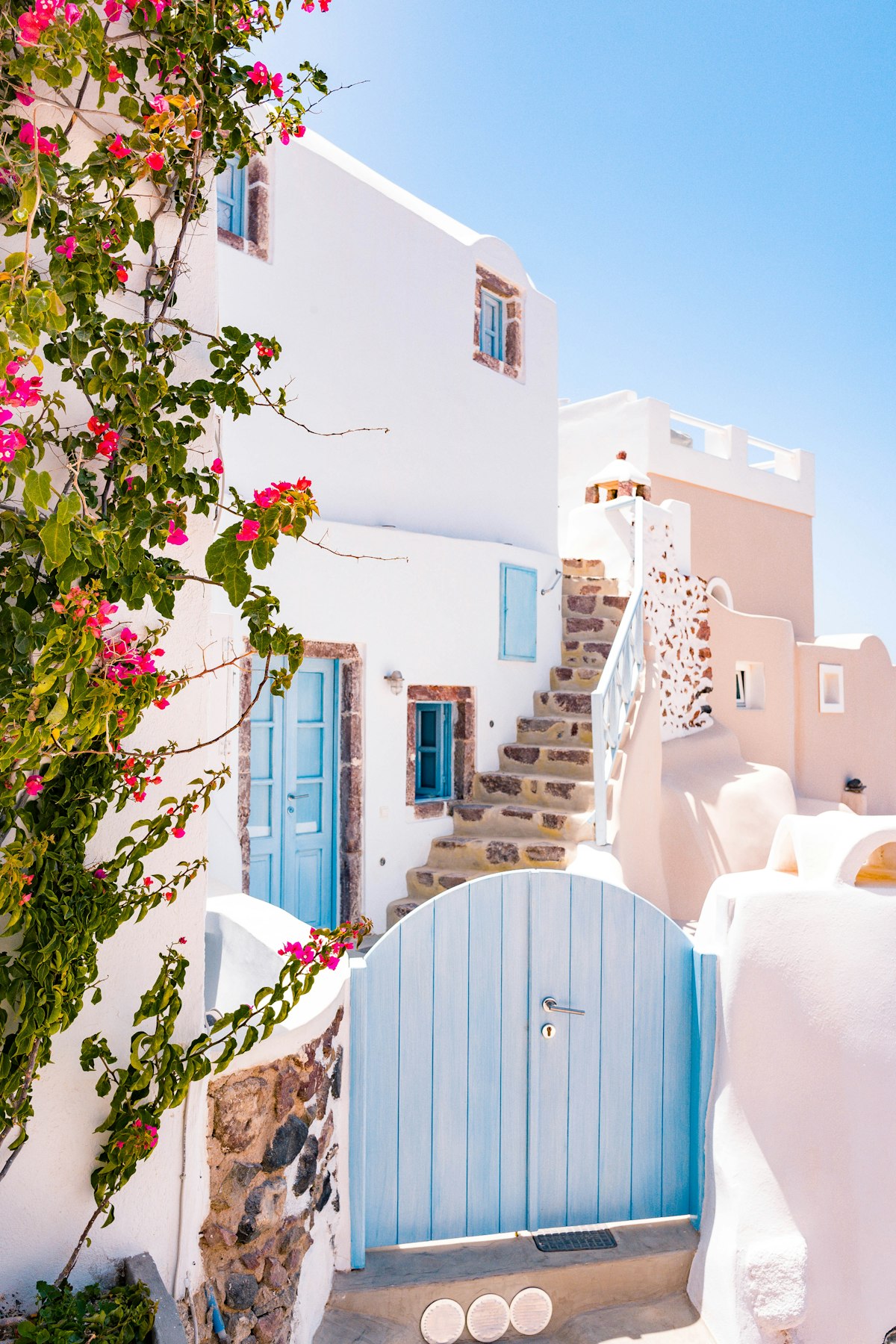
Obidos is a medieval walled town in central Portugal, an hour north of Lisbon, that has been continuously inhabited since prehistoric times. The walls are intact and walkable, the lanes inside are whitewashed with blue and yellow trim, and the castle at the top end has been converted into a pousada where you can sleep inside the battlements. The town has a permanent population of around three thousand people who live and work inside the walls, which gives it a quality that purely tourist-facing historic towns lack entirely.
Visit in February during the Chocolate Festival if crowds are not a concern. Visit on a Tuesday in November if they are. Both versions of the town are worth the journey from Lisbon.
Civita di Bagnoregio, Italy

”
Civita di Bagnoregio sits on a tufa rock pinnacle in Lazio, central Italy, connected to the modern town by a single pedestrian bridge. The approach across the bridge, with the village rising above you and the eroded valley on all sides, is one of the most dramatic arrivals in Italian travel. The population of permanent residents is now fewer than fifteen people. The village is simultaneously alive and dying, which gives it a quality that no restored town can replicate.
The day trippers from Rome and Orvieto fill the lanes from ten to four. Arrive at eight and you will have it almost entirely to yourself for two hours. The only bar opens for breakfast at seven thirty and the owner has been there for forty years.
Hallstatt, Austria

”
Hallstatt sits on the edge of a lake in the Austrian Alps with a mountain rising directly behind it. The combination of the lake, the wooden houses built on the slope above the water, and the mountain reflected in the surface on calm mornings has made it one of the most photographed villages in Europe. It has also been reproduced in China, where a replica was built to satisfy demand for the aesthetic without requiring a flight.
The replica is in China. The original is still in Austria and still extraordinary, despite the tourists. Go in December when the Christmas market is running and the snow has come down to the lake level, or in early April before the season starts when the mist is on the water and the village is quiet.
Gjirokaster, Albania

”
Gjirokaster in southern Albania is a UNESCO-listed Ottoman city on a hillside that most European travellers have never heard of. The stone houses here are built on a scale that is extraordinary: multi-storey fortress-mansions with tower rooms designed for defence, connected by steep cobblestone lanes that the donkeys still navigate more easily than cars. The castle above the town contains a captured American spy plane from the Cold War, displayed in the open air with the matter-of-fact confidence of a country that has made peace with a complicated history.
Albania as a travel destination is about five years behind where it should be on the international awareness curve. Gjirokaster in particular rewards visitors who arrive before the infrastructure catches up with the reality of what is there.
Albarracin, Spain

”
Albarracin is a medieval town in the highlands of Aragon in eastern Spain, built in a loop of the Guadalaviar river with pink stone walls that blend into the terracotta rock face behind them so completely that the town seems to grow out of the landscape rather than having been constructed on it. It has been repeatedly voted the most beautiful village in Spain and the vote is difficult to argue with.
The surrounding landscape of pine forest and red rock is as remarkable as the town itself. The climbing routes on the sandstone pillars outside the walls have made it one of the most popular sport climbing destinations in Europe, which brings a younger international crowd that sits interestingly alongside the medieval architecture.
Route, budget and verification notes
Last editorial review: 1 August 2026. Recheck time-sensitive details shortly before travel.
Build the route
- Obidos, Portugal
- Civita di Bagnoregio, Italy
- Hallstatt, Austria
- Gjirokaster, Albania
Use these sections as planning anchors rather than a fixed schedule. Confirm door-to-door transfer times, opening days and reservation requirements, then add recovery time after long journeys.
Budget before booking
Price the trip in four separate groups: accommodation, transport, food and paid activities. Add local transfers, baggage fees, taxes, insurance and a contingency amount. Exact prices vary by season and booking date, so this guide does not invent a single daily figure that may already be outdated.
Sources to verify
- IATA Travel Centre for official or primary travel information.
- IATA Travel Centre for passport, visa and health-document checks.
