
Two weeks in Costa Rica sounds like a lot until you look at a map and realise that the country has two completely different coastlines, a mountain spine running through the middle, active volcanoes, cloud forests, and a national park system covering twenty-five percent of the land. Two weeks is enough to see it properly if you plan the route carefully. Less than that and you will spend most of your time moving between places rather than actually being in them.
This is the route I would plan if I were starting from scratch, based on the things I did wrong on my first visit and the things I would prioritise the second time.
Days 1 to 3: Arenal Volcano and La Fortuna
Arenal is the most active and most visited volcano in Costa Rica and the town of La Fortuna at its base is the main gateway. The volcano is visible on clear days from the town, a near-perfect cone rising above the surrounding jungle, and the hot springs heated by the geothermal activity are among the best natural pools in Central America. Baldi and Tabacon are the main commercial hot spring resorts; the free hot springs on the Rio Chollin are the better option if you know where to find the path.
The hanging bridges at Mistico Arenal give you rainforest canopy access at treetop level. Going at seven in the morning before the tour groups arrive puts you in the forest when it is most active: toucans in the cecropia trees, howler monkeys moving through the canopy overhead, and the particular quality of early morning tropical light that photographers specifically come here to find.
Days 4 to 6: Monteverde Cloud Forest
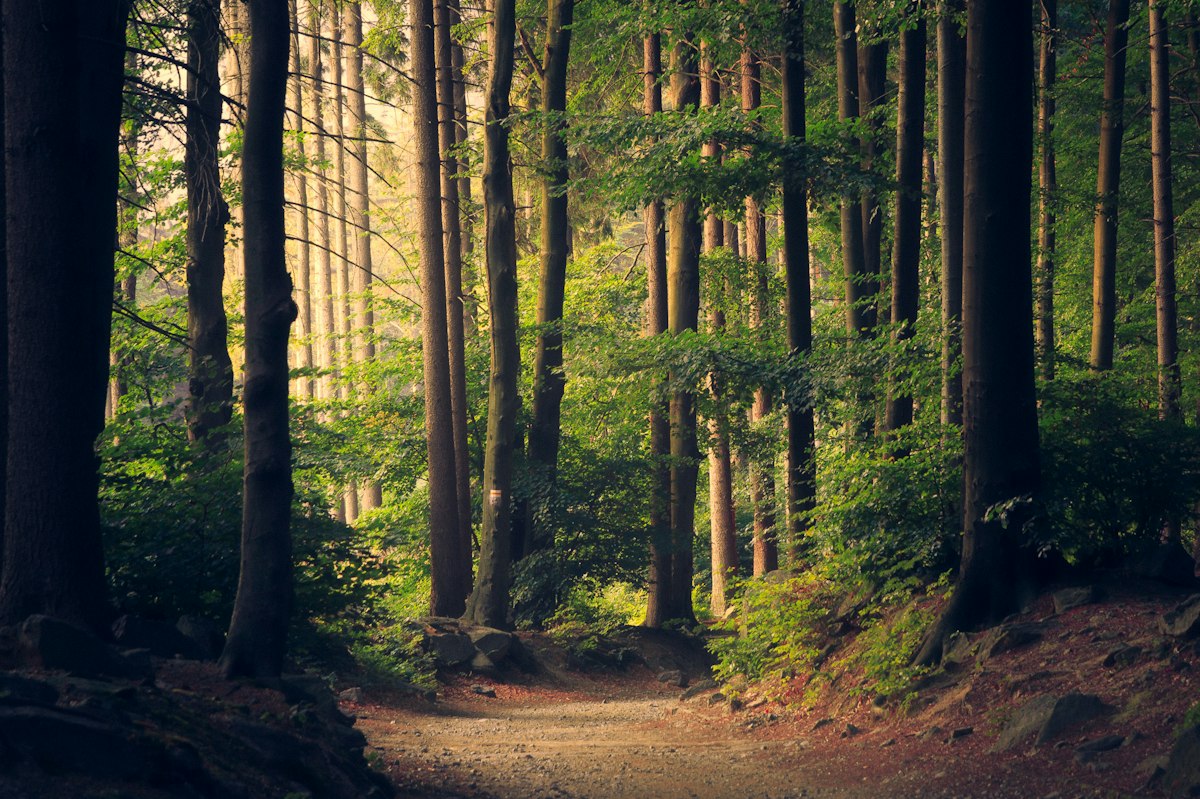
The road from La Fortuna to Monteverde is unpaved and takes three to four hours. It passes through cattle country and small towns that have nothing to do with tourism and gives you a sense of the country beyond the national park circuit. Take it rather than the longer paved route.
Monteverde Cloud Forest Reserve and the Santa Elena Reserve together protect one of the last remaining cloud forest ecosystems in Central America. The forest is genuinely different from the lowland rainforest: the trees are draped in moss and bromeliads, visibility drops to twenty metres in the mist, and the quetzal, the iridescent green bird that has been sacred in Mesoamerican cultures for three thousand years, lives here. A guided morning walk in quetzal nesting season from January to June gives you a reasonable chance of seeing one.
Days 7 to 9: Pacific Coast and Manuel Antonio
Manuel Antonio National Park is the most visited park in Costa Rica and the combination of jungle and beach that it contains is genuinely exceptional. White-faced capuchin monkeys walk through the picnic areas with the confidence of locals who know they have tenure. Three-toed sloths hang in the cecropia trees beside the main trail. The beaches inside the park are accessible only to ticket holders, which keeps them manageable even in high season.
Book park entry in advance online. The park limits daily visitors and entry tickets sell out weeks ahead in the December to April dry season. Going on a weekday and arriving at opening time gives you the park largely to yourself for the first two hours before the tours arrive from San Jose.
Days 10 to 14: Osa Peninsula
The Osa Peninsula in the far southwest of Costa Rica is what most of the country looked like before tourism arrived. Corcovado National Park, which covers most of the peninsula, is consistently rated by biologists as the most biodiverse place on earth: a claim that sounds like marketing language until you spend a day on its trails. The tapirs here walk past at close range. The scarlet macaws fly overhead in pairs. Jaguars exist and are occasionally seen.
Getting to Osa requires a domestic flight to Puerto Jimenez or a long drive on roads that become impassable in the wet season. It is the most logistically demanding part of this itinerary and the most rewarding. Stay at least three nights. The lodge accommodation at the edge of the park is simple, the food is local, and the sounds of the forest at night from the cabin porch are one of the defining memories of Costa Rica for everyone who makes it here.
Route, budget and verification notes
Last editorial review: 1 August 2026. Recheck time-sensitive details shortly before travel.
Build the route
- Days 1 to 3: Arenal Volcano and La Fortuna
- Days 4 to 6: Monteverde Cloud Forest
- Days 7 to 9: Pacific Coast and Manuel Antonio
- Days 10 to 14: Osa Peninsula
Use these sections as planning anchors rather than a fixed schedule. Confirm door-to-door transfer times, opening days and reservation requirements, then add recovery time after long journeys.
Budget before booking
Price the trip in four separate groups: accommodation, transport, food and paid activities. Add local transfers, baggage fees, taxes, insurance and a contingency amount. Exact prices vary by season and booking date, so this guide does not invent a single daily figure that may already be outdated.
Sources to verify
- Visit Costa Rica for official or primary travel information.
- IATA Travel Centre for passport, visa and health-document checks.
