
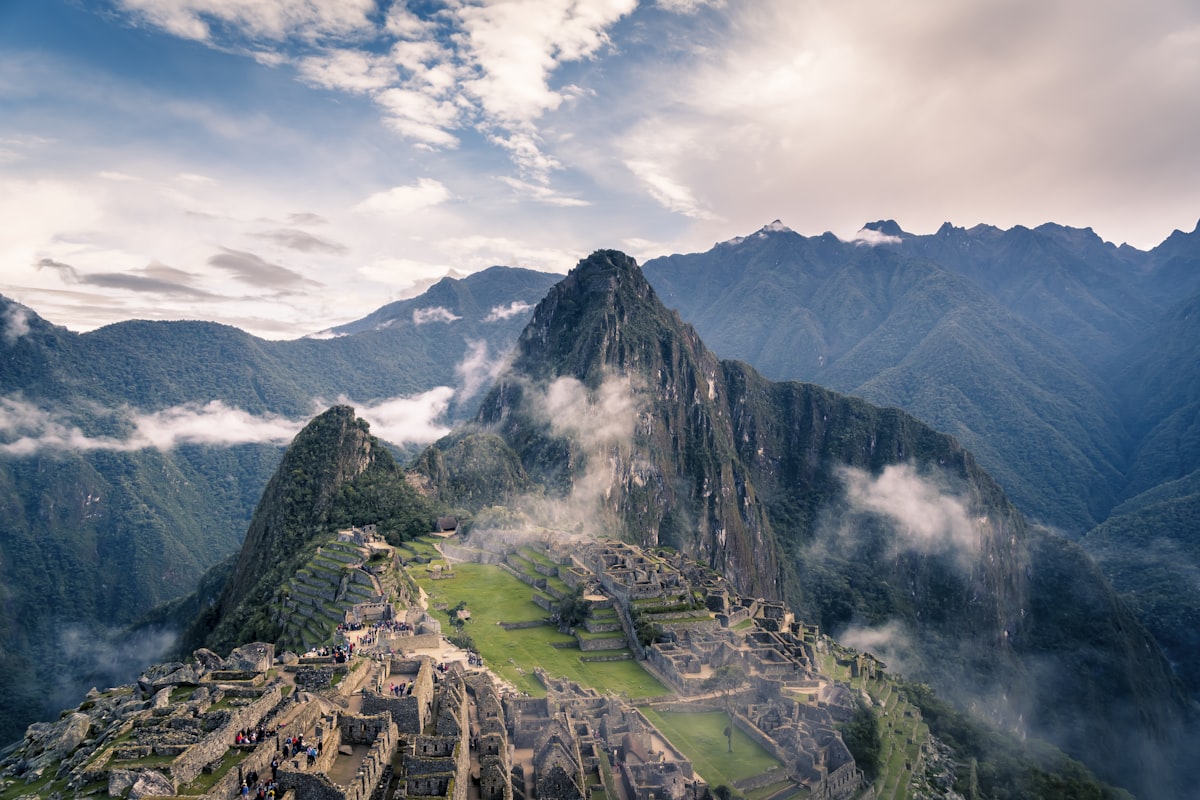
The Inca Trail is the most famous hike in South America and one of the most celebrated in the world. It earns the reputation not through distance — it is only 43 kilometres — but through what it delivers: four days of walking through cloud forest and high Andean passes, past Inca ruins that most visitors to Machu Picchu never see, arriving through the Sun Gate at dawn to a view of the citadel that no bus or train can replicate.
The Permit System

”
The classic Inca Trail is permit-controlled: only 500 people per day are allowed on the trail, including guides and porters. Permits sell out months in advance — for the high season of June through August, booking in January or February is already cutting it close. Permits are sold through licensed tour operators only; you cannot hike independently. The permit is tied to your passport number and is non-transferable.
The Route Day by Day

”
Day one is gentle: a valley walk past the first ruins at Llaqtapata. Day two is the hardest, climbing to the highest point of the trail at Dead Woman’s Pass (4,215 metres) before descending steeply to camp. Day three is the most scenic, passing through cloud forest and a series of well-preserved Inca sites including Phuyupatamarca — the City in the Clouds. Day four begins before dawn for the final push to the Sun Gate, arriving at Machu Picchu while morning mist still fills the valley below.
Alternatives When Permits Are Gone

”
The Salkantay Trek is the most popular alternative: a five-day route approaching Machu Picchu from the west via a high glacier pass at 4,600 metres. It requires no permit, has more flexible booking, and passes through equally impressive — if different — landscape. The Lares Trek goes through traditional Quechua communities and is less crowded than either option. Both end with a train ride to Aguas Calientes and a bus up to Machu Picchu.
What to Bring

”
The altitude is the main physical challenge — the trail spends most of its length above 3,000 metres. Acclimatising in Cusco for two to three days before starting is not optional if you want to enjoy the experience rather than survive it. Layers for cold nights, rain gear for afternoon showers, and broken-in boots are the essentials. Most operators provide a cook and porters who carry the group camping equipment; you carry your personal gear only.
Route, budget and verification notes
Last editorial review: 1 August 2026. Recheck time-sensitive details shortly before travel.
Build the route
- The Permit System
- The Route Day by Day
- Alternatives When Permits Are Gone
- What to Bring
Use these sections as planning anchors rather than a fixed schedule. Confirm door-to-door transfer times, opening days and reservation requirements, then add recovery time after long journeys.
Budget before booking
Price the trip in four separate groups: accommodation, transport, food and paid activities. Add local transfers, baggage fees, taxes, insurance and a contingency amount. Exact prices vary by season and booking date, so this guide does not invent a single daily figure that may already be outdated.
Sources to verify
- Peru Travel for official or primary travel information.
- IATA Travel Centre for passport, visa and health-document checks.
