
The question of what to eat in Copenhagen is more interesting than it sounds. The city has accumulated an outsized global reputation for its restaurants, some of which require months of advance booking and charge prices that would make a Parisian wince. But the food culture that those restaurants are built on, the actual Danish tradition of what people eat every day, is accessible, affordable, and genuinely worth seeking out.
This is what I eat when I am in Copenhagen, which has nothing to do with the reservation list at Noma.
Smørrebrød: The Real Danish Lunch
Smørrebrød is the Danish open sandwich tradition: dense rye bread topped with combinations of pickled herring, smoked salmon, roast beef, egg and shrimp, liver pate, or any number of other things, finished with specific garnishes that are non-negotiable according to the tradition and genuinely contribute to the flavour. A proper smørrebrød lunch at a traditional restaurant is one of the most satisfying meals in northern Europe.
Aamanns in Norrebro is the best modern version of the tradition. Cafe Halvvejen near the train station is the most old-school and the most genuinely Danish. The Torvehallerne market has several stalls where you can eat standing up for much less than a restaurant. All three are worth knowing.
Danish Pastry: Not What You Think It Is
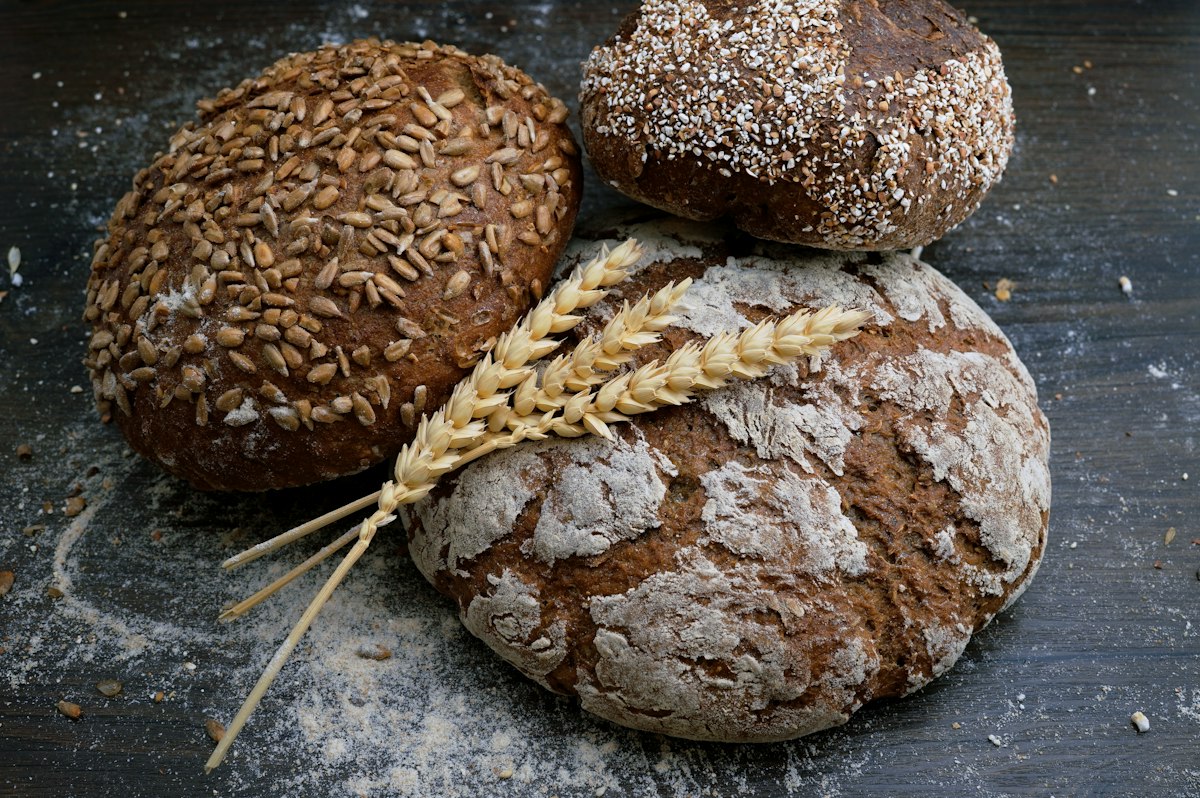
The Danish word for what we call a Danish pastry is wienerbrød, Viennese bread, because the tradition arrived from Vienna in the nineteenth century via Austrian bakers. What Danish bakeries produce under this name has evolved into something specifically Danish: laminated dough, less sweet than the international version, with fillings of remonce almond paste, cinnamon, cardamom, or custard, folded into shapes that vary by region and baker.
The bakeries worth finding are not in the tourist centre. Juno the Bakery in Norrebro has queues that start before it opens and is worth joining. Hart Bageri in Frederiksberg, run by former Noma people, produces the best plain croissant in the city. Both are worth a specific journey.
New Nordic: What the Food Revolution Actually Means
The New Nordic food movement that put Copenhagen on the world gastronomy map is about using Nordic ingredients, foraging, fermentation, and preservation techniques to create food that is specifically of the place rather than imported from French or Italian tradition. The high-end restaurants doing this at the most ambitious level are expensive and exclusive. But the philosophy has spread to the mid-range and the results are accessible.
Kødbyens Mad and Marked in the old meat packing district, Geist near the Royal Theatre, and the clusters of restaurants in Vesterbro all offer versions of this cooking at prices that are high by southern European standards but reasonable for what you get. The natural wine scene that has grown up alongside the food movement means that drinking well with dinner is now as easy as eating well.
The Hot Dog Stand: An Institution
The Danish pølsevogn, the hot dog cart, is a national institution that predates the food revolution by about a hundred years and will outlast it. A rød pølse, the red sausage served in a bun with remoulade sauce, crispy onions, and mustard, is the correct thing to eat when standing in the cold outside a train station at any time of day. It costs almost nothing and is one of those foods that is perfect within its specific context and makes no sense as an abstraction.
Route, budget and verification notes
Last editorial review: 1 August 2026. Recheck time-sensitive details shortly before travel.
Build the route
- Smørrebrød: The Real Danish Lunch
- Danish Pastry: Not What You Think It Is
- New Nordic: What the Food Revolution Actually Means
- The Hot Dog Stand: An Institution
Use these sections as planning anchors rather than a fixed schedule. Confirm door-to-door transfer times, opening days and reservation requirements, then add recovery time after long journeys.
Budget before booking
Price the trip in four separate groups: accommodation, transport, food and paid activities. Add local transfers, baggage fees, taxes, insurance and a contingency amount. Exact prices vary by season and booking date, so this guide does not invent a single daily figure that may already be outdated.
Sources to verify
- VisitDenmark for official or primary travel information.
- IATA Travel Centre for passport, visa and health-document checks.
