
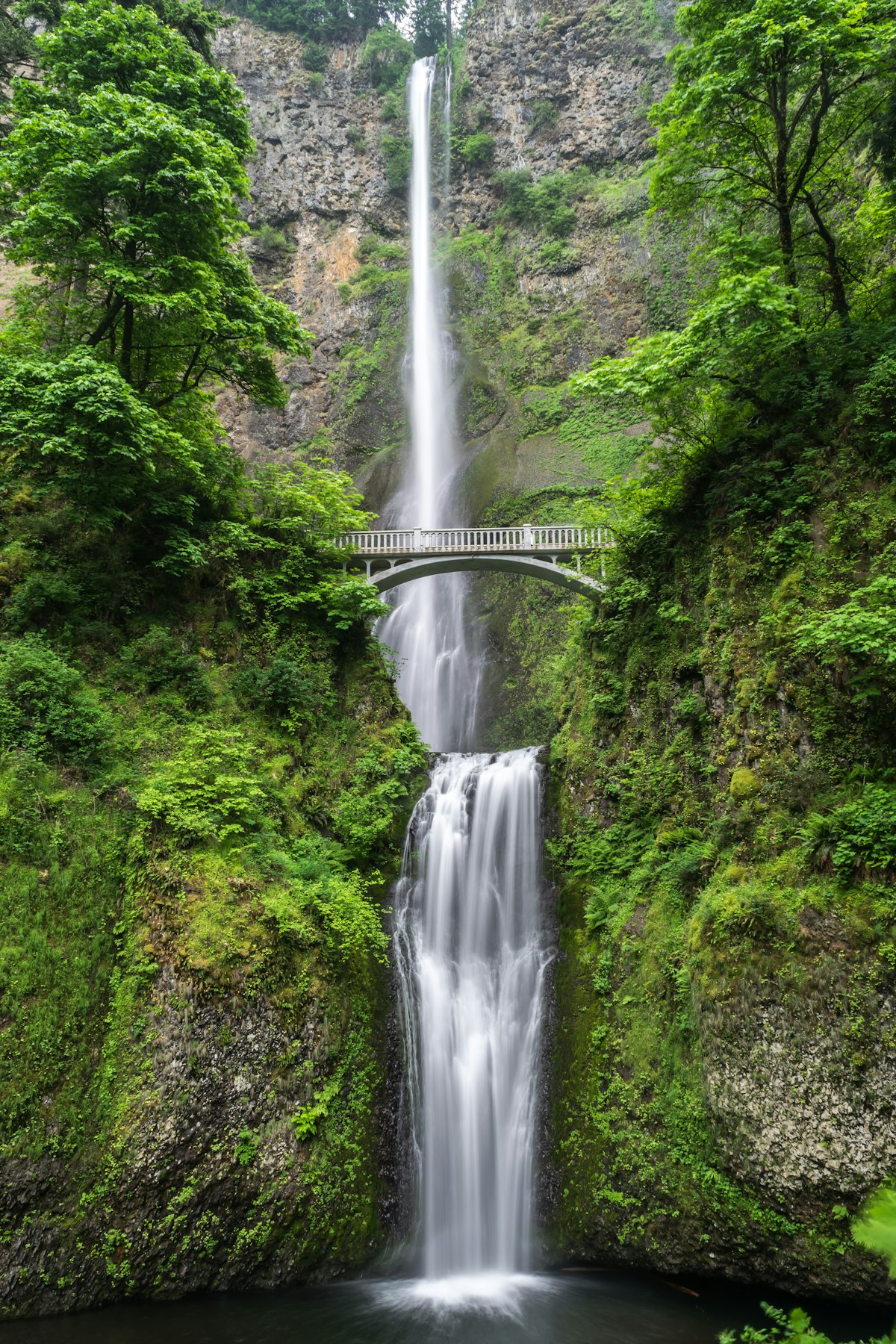
The world’s most spectacular waterfalls share a quality that photographs rarely capture: the feeling of standing next to something operating at a scale that dwarfs everything familiar. The sound alone changes how you experience the surrounding landscape. These are the waterfalls worth building a trip around — not as side attractions, but as destinations in their own right.
Iguazu Falls, Argentina & Brazil

”
Iguazu is wider than Niagara and taller than Victoria Falls. The system of 275 individual falls extends nearly three kilometres across the Iguazu River on the border of Argentina and Brazil. The Argentine side offers the closer experience: the Garganta del Diablo (Devil’s Throat) walkway ends directly above the most powerful section, where the roar drowns out everything else and the spray creates a permanent rainbow. The Brazilian side gives the panoramic view — the full arc of the falls visible in a single frame. The falls are best visited from both sides over two days.
Angel Falls, Venezuela

”
Angel Falls is the world’s highest uninterrupted waterfall at 979 metres — nearly twenty times the height of Niagara. It falls from the top of Auyán-Tepui, a flat-topped mountain in Canaima National Park, and the water atomises into mist long before it reaches the canyon below. During the dry season the falls reduce to a thin ribbon; during the rainy season from June to November they become a curtain. Getting there requires a flight to Canaima, a boat trip through jungle river rapids, and a short hike. The remoteness is part of the point.
Victoria Falls, Zambia & Zimbabwe

”
Victoria Falls is the largest curtain of falling water in the world — one kilometre wide, 108 metres high, audible from 40 kilometres away. The Zambezi River drops over a straight basalt cliff into a narrow gorge that creates a permanent cloud of spray visible from a distance as a pillar of mist above the treeline. The Zambian side allows swimming in Devil’s Pool — a natural infinity pool at the very edge of the falls — during the low-water season from September to December. The Zimbabwean side has the main viewing path running along the cliff opposite the falls.
Plitvice Lakes, Croatia

”
Plitvice is different from the single-drop giants above: a system of sixteen terraced lakes connected by hundreds of cascades through a limestone canyon in central Croatia. The colour of the water shifts between emerald and turquoise depending on the minerals, the algae, and the light. Wooden boardwalks run at water level through the lower lakes, making it possible to walk among rather than simply beside the cascades. It is the most visited national park in Croatia and a UNESCO site — arrive at opening time to walk the lower lakes before the afternoon crowds arrive by tour bus.
Route, budget and verification notes
Last editorial review: 1 August 2026. Recheck time-sensitive details shortly before travel.
Build the route
- Iguazu Falls, Argentina & Brazil
- Angel Falls, Venezuela
- Victoria Falls, Zambia & Zimbabwe
- Plitvice Lakes, Croatia
Use these sections as planning anchors rather than a fixed schedule. Confirm door-to-door transfer times, opening days and reservation requirements, then add recovery time after long journeys.
Budget before booking
Price the trip in four separate groups: accommodation, transport, food and paid activities. Add local transfers, baggage fees, taxes, insurance and a contingency amount. Exact prices vary by season and booking date, so this guide does not invent a single daily figure that may already be outdated.
Sources to verify
- IATA Travel Centre for official or primary travel information.
- IATA Travel Centre for passport, visa and health-document checks.
