
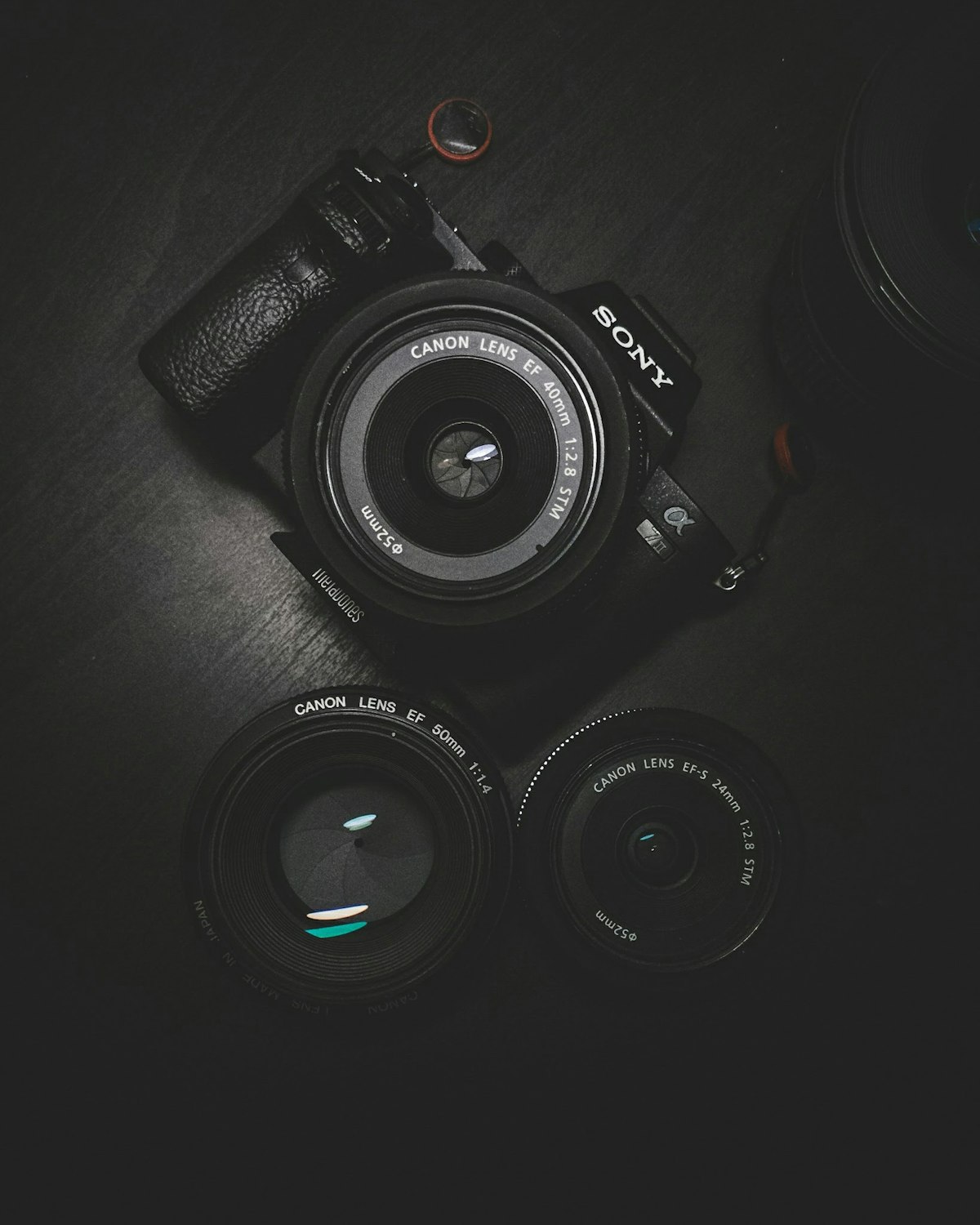
The best travel camera is the one you actually carry. A full-frame DSLR produces better images than a phone in ideal conditions, but most travellers stop carrying it after two days because it is heavy, conspicuous, and takes time to set up for every shot. The current generation of mirrorless cameras has closed most of the quality gap while reducing the size and weight significantly. The phone camera gap has also narrowed — modern flagship phones produce images that would have required a professional camera five years ago.
Best Mirrorless Cameras for Travel
The Sony A7C II is the best full-frame mirrorless for travel: full-frame sensor in a body smaller than most APS-C cameras, excellent autofocus, and a flip-out screen for vlogging. The Fujifilm X-S20 is the best APS-C option — smaller, lighter, better battery life, and the Fujifilm colour science produces film simulations that require less editing. For those who want the smallest possible interchangeable-lens camera, the Fujifilm X100VI has a fixed 35mm lens, a built-in ND filter, and a design that attracts less attention than a camera with a large zoom lens.
Best Compact Cameras
The Sony RX100 VII is the best pocket camera for serious photography: a 1-inch sensor, fast autofocus, and a zoom range from 24 to 200mm in a camera that fits in a jacket pocket. The Ricoh GR IIIx is smaller and sharper in the 40mm focal length it covers, better in low light, and preferred by street photographers who want one focal length and no compromises. Neither camera looks like a serious camera from a distance, which matters in some destinations.
Action Cameras and Drones
The GoPro Hero 13 is the most practical action camera for travel — waterproof without a case, stabilised video, and a mounting system that works with every accessory made for the past decade. The DJI Osmo Action 5 Pro is a direct competitor with better battery life and a larger sensor. For aerial footage, the DJI Mini 4 Pro weighs under 250 grams — below the threshold that triggers drone registration requirements in most countries — and produces 4K footage that is difficult to distinguish from more expensive drones.
What Matters Most
For travel photography, the order of priority is: size and weight first, autofocus performance second, image quality third. A camera you leave in the bag because it is too heavy will produce zero good images. Battery life matters more on travel than it does at home — bring at least two batteries and a USB-C charger that works with the same cable as your phone.
