
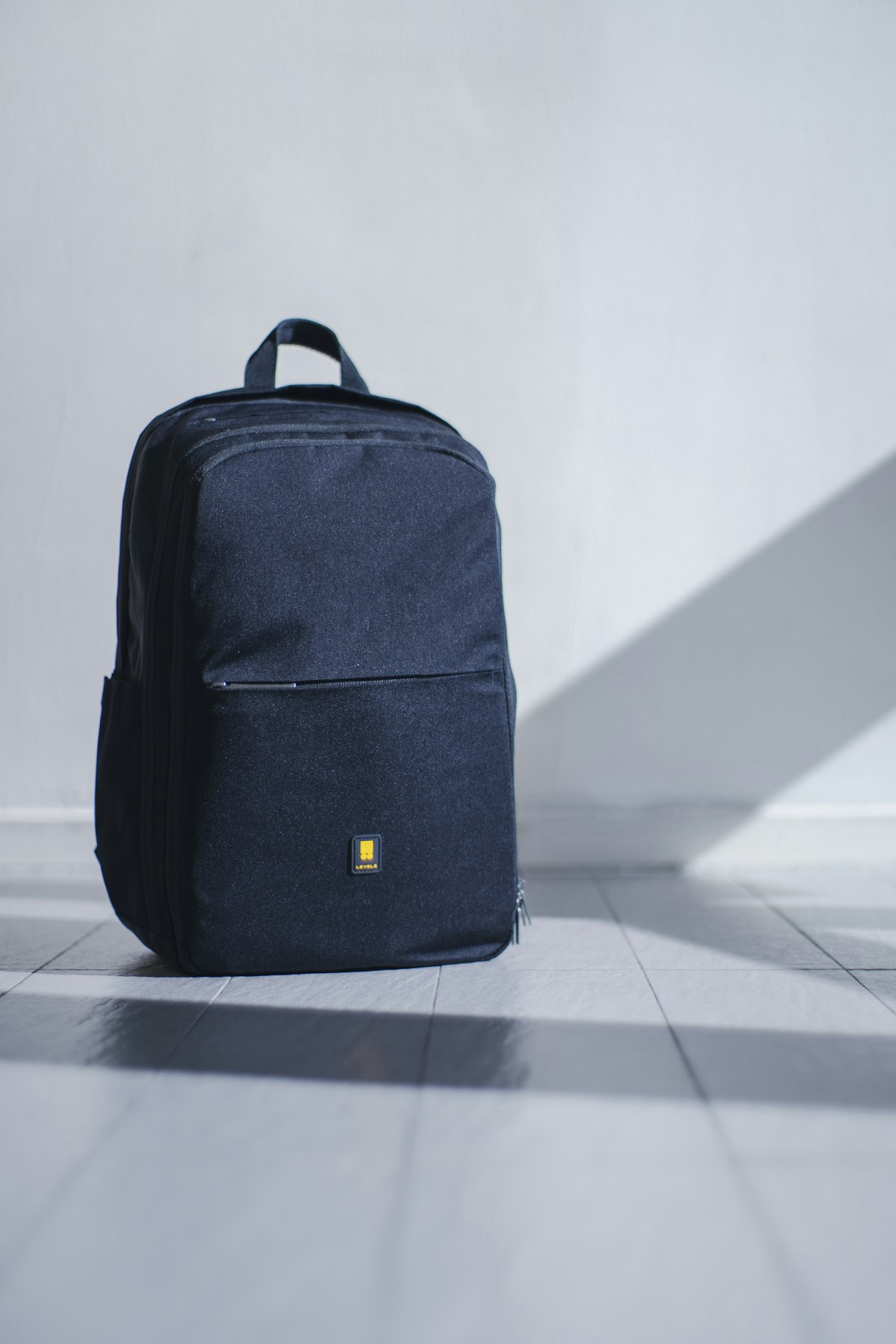
The bag you travel with affects almost everything about how a trip feels. A bag that fits badly makes every walk to the hostel a minor ordeal. A bag that opens from the top only turns every search for a phone charger into an archaeological dig. The right travel backpack disappears into the background and lets you focus on the trip. Getting there requires knowing what you actually need from a bag before buying one.
For Carry-On Travel: 40 Litre Packs
The Osprey Farpoint 40 is the most recommended carry-on travel backpack at its price point. It meets the carry-on dimensions for most airlines including budget carriers, has a clamshell opening that lets you see the entire contents, and a lockaway harness that tucks away when you want to check it as luggage. The Tortuga Setout 45 is larger and better organised for longer trips but pushes the size limit on European budget carriers. Both have padded laptop sleeves and compression straps that keep the load tight against your back.
For Longer Trips: 50-65 Litre Packs
The Osprey Atmos AG 65 has an anti-gravity suspension system that transfers weight onto the hips more effectively than almost any other pack in its class. It is designed for hiking but works well for travel. The Gregory Baltoro 65 is similar in performance and fits wider torsos better. Both packs are overkill for city-based travel but correct for multi-week trips that include hiking, camping, or cold-weather gear. Neither fits in an overhead bin.
For Minimalist Travel: 20-30 Litre Daypacks
The Peak Design Everyday Backpack 20L is the best daypack for photographers and anyone who wants a bag that works both as a camera bag and a daily carry. The Aer Day Pack 2 is better for those without camera gear — cleaner organisation, laptop sleeve, and a profile that looks appropriate in both airports and offices. For ultralight one-bag travel, the Matador SEG28 packs down to the size of a water bottle and serves as both carry-on and daypack.
What to Look For
The most important factors in order: fit to your torso length, opening style (clamshell beats top-loading for travel), weight when empty, and organisation. Waterproofing matters less than people think — a pack cover costs ten dollars and works better than built-in water resistance. Hip belt padding matters more than most people think — on a heavy pack, without hip belt engagement, all the weight goes to the shoulders within twenty minutes.
